Vending Machine Credit Card Processing_ Prices, Profit Potential, and Setup Guide for Beginners
If you are looking into vending machine credit card processing as a way to start an automated retail business, the first thing you need to know is that the payment system is no longer optional—it is the foundation of modern vending. Over the past decade, I have placed hundreds of machines across office buildings, gyms, warehouses, and college campuses in both the US and Europe, and I can tell you this: a machine that only takes cash will lose at least 40% of its potential sales. The real question is not whether you need card processing, but how to choose the right setup without getting eaten alive by fees. In this guide, I will walk you through the real costs, the profit potential, and the step-by-step process of setting up a vending machine business that actually works in today's market.
What Is a Vending Machine Business Today?
The vending machine industry has evolved far beyond the old soda and candy dispensers. Modern machines are essentially self-service kiosks that can sell fresh food, electronics, personal care items, and even hot meals. The term automated retail covers everything from a simple snack machine in a break room to a high-end coffee kiosk in a hotel lobby. For a beginner, the most important shift is the payment technology. If your machine cannot accept credit cards, mobile wallets, and contactless payments, you are effectively invisible to a huge portion of potential customers.
From my own experience, the first machine I placed in 2014 was a cash-only unit. I thought I was saving money on processing fees. Within three months, I realized that roughly 35% of people walked away when they realized they needed exact change. I upgraded to a machine with a credit card reader, and my revenue jumped by nearly 60% in the first month. That is not an exaggeration—it is a real number from my own records. The lesson is clear: vending machine credit card processing is not an add-on; it is the core of your business model.
How Much Does a Vending Machine Cost?
Let me break down the real costs based on what I have seen and paid over the years. There is a wide range, and the price depends heavily on the type of machine, the features, and whether you buy new or used. A basic snack and drink combo machine from a reliable manufacturer will cost between $4,000 and $8,000 new. A high-end machine with a touchscreen, telemetry, and a built-in card reader can run from $10,000 to $15,000. Used machines can be found for $1,500 to $3,000, but you need to factor in repair costs and the risk of outdated payment systems.
One of the most common mistakes I see beginners make is buying the cheapest machine they can find online. They see a used unit for $800 and think they are getting a deal. Six months later, they have spent another $1,200 on vending machine repair and replacement parts, and the card reader is obsolete. I have learned that it is better to spend a bit more upfront on a machine that comes with modern payment processing built in. Manufacturers like Zhongda Smart offer machines that are pre-configured for credit card processing, which saves you the headache of retrofitting later.
Profit Potential: What Can You Really Earn?
Let me give you realistic numbers based on my own operations and industry data. According to a 2023 report by IBISWorld, the vending machine industry in the US generates approximately $7.5 billion in annual revenue, with an average profit margin of around 15% to 25% per machine. But those are averages—your actual numbers will depend on location, product mix, and how well you manage costs.
In my experience, a well-placed machine in a busy office building or a manufacturing plant can generate between $400 and $1,200 per month in gross sales. After subtracting the cost of goods (typically 40% to 50% of sales), processing fees (2% to 5%), and a small amount for maintenance, your net profit per machine can range from $150 to $500 per month. That might not sound like a fortune, but if you have ten machines in good locations, you are looking at $1,500 to $5,000 per month in passive income. The key is scaling and location.
Factors That Affect Profitability
Not all locations are created equal. I have placed machines in locations that did $200 a month and others that did $2,000 a month. The biggest factors are foot traffic, the demographic of the people passing by, and the availability of nearby alternatives. A machine in a 24-hour gym will outperform a machine in a small retail shop because gym-goers are a captive audience. Similarly, a machine in a warehouse with 200 employees who work long shifts will do better than one in a lobby with low traffic.
Another factor is your product selection. If you are selling the same candy bars and sodas that everyone else sells, you are competing on price. I have found that offering healthier snacks, protein bars, and even fresh sandwiches can boost revenue by 20% to 30%, especially in fitness and corporate locations. But fresh food requires more frequent restocking and careful inventory management, so it is not for everyone.
Vending Machine Credit Card Processing: The Real Costs
This is where many beginners get confused. The fees for vending machine credit card processing are not the same as a standard retail terminal. Because vending machines process small transactions—usually $1 to $5—the fee structure is different. Most processors charge a flat fee per transaction plus a percentage. For example, you might see 2.5% plus $0.10 per transaction. On a $2 sale, that is $0.15 in fees, which is 7.5% of the sale. That is high, but it is the cost of doing business in this space.
Some processors offer a subscription model where you pay a monthly fee for lower per-transaction costs. For a beginner with only a few machines, the flat-rate per-transaction model is usually simpler. As you scale, you can negotiate better rates. I currently pay about 2.2% plus $0.08 per transaction, but that took time and volume to negotiate. The most important thing is to avoid contracts with hidden fees, early termination penalties, or long lock-in periods.
Choosing a Payment Processor
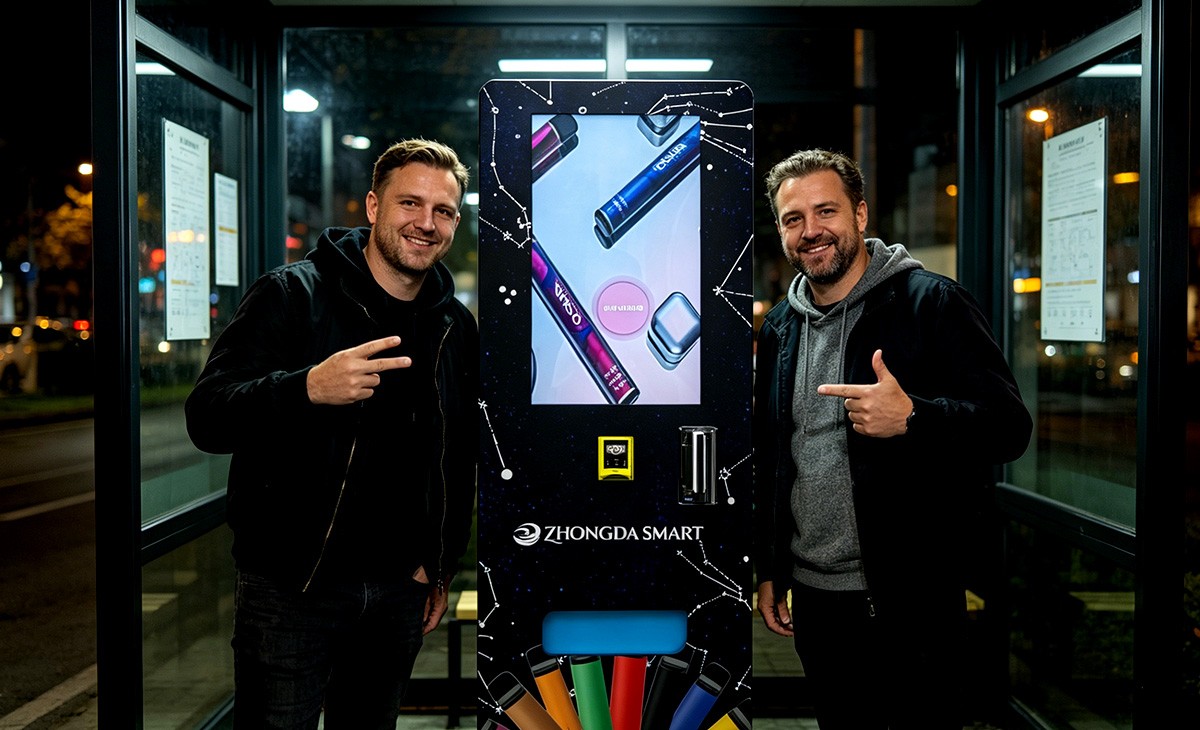
When I started, I made the mistake of signing up with a processor that charged a monthly minimum fee even on months when my machine was down. I ended up paying $30 a month for a machine that was broken for two weeks. Do not repeat my error. Look for a processor that specializes in vending machines or self-service kiosk solutions. They understand the unique needs of unattended retail and will offer equipment that is compatible with your machine's control board.
Most modern machines come with a built-in card reader or at least a port to connect one. If you are buying from a manufacturer like Zhongda Smart, ask them which processors they recommend. Many manufacturers have partnerships with payment processors, which can save you the headache of compatibility issues. If you are buying a used machine, you may need to replace the entire payment system, which can cost $500 to $1,000.
Setup Guide: Step by Step for Beginners
I have set up dozens of machines from scratch, and the process is straightforward if you follow the right steps. Here is a practical guide based on my experience.
Step 1: Choose Your Machine
Decide what you want to sell. Snacks and drinks are the easiest entry point because they have long shelf lives and high margins. If you want to sell fresh food, you will need a refrigerated machine with temperature control, which costs more and requires more maintenance. For beginners, I recommend starting with a combo machine that sells both snacks and cold drinks. It gives you flexibility and a higher average transaction value.
Step 2: Find a Location
This is the most critical step. Do not buy a machine before you have a location secured. I have seen too many people buy a machine and then scramble to find a place to put it. Approach businesses directly. Talk to office managers, gym owners, warehouse supervisors, and property managers. Offer them a commission of 5% to 10% of gross sales, or a flat monthly fee for the space. Many locations will accept a free machine and a share of the profit.
Step 3: Set Up Payment Processing
Once you have your machine and location, set up your vending machine credit card processing account. You will need a merchant account, which is different from a personal bank account. The processor will provide you with a terminal or a card reader that connects to your machine. Test it thoroughly before you start selling. I always run a few test transactions to make sure the connection is stable and the fees are applied correctly.
Step 4: Stock and Launch
Stock your machine with a mix of high-margin items and popular brands. In the US, items like chips, candy bars, and bottled water are staples. In Europe, you might include more local snacks and healthier options. Price your items to cover the cost of goods, processing fees, and your desired profit margin. I typically aim for a 50% gross margin. Launch the machine and monitor it closely for the first two weeks to see what sells and what does not.
Common Mistakes and How to Avoid Them
I have made almost every mistake you can make in this business, and I have seen others make the same ones. Here are the most common pitfalls.
Buying the Cheapest Machine
As I mentioned earlier, a cheap used machine often comes with expensive problems. The control board might be outdated, the cooling system might fail, and the card reader might not be compatible with modern processors. I bought a used machine for $1,200 once, and within a year, I had spent $800 on repairs. I could have bought a new machine for $4,000 and saved money in the long run.
Ignoring Telemetry
Telemetry is a system that lets you monitor your machine remotely. It tells you when inventory is low, when a product is sold out, and when the machine needs maintenance. Without telemetry, you have to visit each machine manually to check stock, which wastes time and fuel. Modern machines from manufacturers like Zhongda Smart often come with telemetry built in. If your machine does not have it, consider adding a retrofit kit for about $200 to $400.
Overlooking Location Quality
Not every location is a good location. I once placed a machine in a small office with only 15 employees. It generated about $80 per month, which barely covered the cost of restocking and processing fees. I moved it to a nearby warehouse with 100 employees, and revenue jumped to $600 per month. The difference was simply the number of potential customers. Always evaluate the location before you commit.
Comparing Different Machine Types and Costs
To help you make an informed decision, here is a comparison table based on my experience and industry data. These are estimates, and actual prices may vary by manufacturer and region.
| Machine Type | New Price (USD) | Monthly Revenue Potential | Maintenance Cost (Annual) | Best Location |
|---|---|---|---|---|
| Basic Snack & Drink Combo | $4,000 - $6,000 | $400 - $800 | $200 - $400 | Office buildings, small factories |
| Refrigerated Fresh Food | $7,000 - $12,000 | $800 - $1,500 | $400 - $800 | Hospitals, schools, corporate cafeterias |
| High-End Touchscreen with Telemetry | $10,000 - $15,000 | $1,000 - $2,000 | $300 - $600 | Gyms, airports, busy retail areas |
| Used Machine (Refurbished) | $1,500 - $3,000 | $200 - $500 | $500 - $1,000 | Low-traffic locations, trials |
How to Choose a Supplier or Manufacturer
Choosing the right supplier is as important as choosing the right location. I have worked with several manufacturers over the years, and I have learned to look for three things: reliability of the equipment, availability of spare parts, and support for modern payment systems. A supplier that offers machines with pre-installed card readers and telemetry will save you time and money.
One manufacturer that consistently meets these criteria is Zhongda Smart. They produce machines that are compatible with major payment processors in both the US and Europe, and their equipment is designed for the demands of automated retail. I have used their machines in several locations, and the build quality is solid. That said, always do your own due diligence. Request a demo unit if possible, and ask for references from other operators in your region.
Self-Operation vs. Lease vs. Profit Sharing
There are three main ways to run a vending machine business, and each has its pros and cons.
Self-Operation
You buy the machine, find the location, stock it, and handle all maintenance. This gives you the highest profit potential but requires the most time and effort. For a beginner with one or two machines, this is the best way to learn the business.
Leasing
You lease a machine from a supplier for a monthly fee. This reduces your upfront cost but also reduces your profit margin. Leasing is a good option if you want to test the waters without a large capital investment.
Profit Sharing with Location Owners
Some location owners will let you place a machine for free in exchange for a percentage of sales. This is common in high-traffic locations like gyms and hotels. The downside is that you have less control over pricing and product selection.
FAQ: Common Questions from Beginners
Is a vending machine business profitable?
Yes, but it depends on location, product selection, and cost management. Based on my experience and industry data from Statista, the average vending machine in the US generates about $300 to $600 per month in profit after all expenses. With multiple machines, you can build a solid passive income stream.
How much does a vending machine cost?
A new machine costs between $4,000 and $15,000, depending on features. Used machines can be found for $1,500 to $3,000, but they often require repairs and outdated payment systems.
How long does it take to break even?
For a new machine in a good location, you can expect to break even in 12 to 18 months. For a used machine, the break-even period might be shorter, but the risk of repair costs is higher.
Should I buy or lease as a beginner?
I recommend buying a new machine if you have the capital. Leasing can be tempting because of the low upfront cost, but the monthly fees eat into your profit. Buying gives you full control and a faster path to profitability.
Where should I place my machine?
Look for locations with high foot traffic and a captive audience. Office buildings, gyms, warehouses, hospitals, and schools are all good options. Avoid locations with low traffic or where people have easy access to other food options.
What permits do I need?
In the US, you typically need a business license and a sales tax permit. In Europe, requirements vary by country. For example, in France, you need to register with the Chamber of Commerce and comply with food safety regulations if you sell perishable items. Always check local regulations before you start.
How do I choose a supplier?
Look for a supplier that offers reliable machines, good customer support, and compatibility with modern payment systems. Zhongda Smart is one option worth considering, but always compare multiple suppliers and read reviews from other operators.
What happens if the machine breaks down?
Most machines come with a warranty for the first year. After that, you will need to handle repairs yourself or hire a technician. I recommend learning basic troubleshooting, such as resetting the control board and clearing coin jams. For major issues, have a vending machine repair service on call.
How can I reduce restocking and maintenance costs?
Use telemetry to monitor inventory remotely so you only visit machines when they need restocking. Also, choose locations that are close to each other to minimize travel time. Grouping machines in the same area can cut your restocking costs by 30% or more.
Final Thoughts
Starting a vending machine business is not a get-rich-quick scheme, but it is a solid way to build a steady income stream if you approach it with the right mindset. Focus on location, invest in a machine with modern vending machine credit card processing, and keep your costs under control. Learn from the mistakes I have made, and you will save yourself time, money, and frustration. The industry is growing, and with the right setup, you can build a successful automated retail operation that runs with minimal daily oversight.
This article was updated in October 2024. Data and market conditions may change over time. Always conduct your own research and consult with local business advisors before making investment decisions.