Vending Machines Miami_ Prices, Profit Potential, and Setup Guide for Beginners
If you are looking into vending machines Miami for the first time, the biggest question is usually whether the numbers actually work. After over a decade running automated retail operations across the US, I can tell you that Miami offers some of the best profit potential in the country, but it also comes with unique challenges that can kill a beginner's business fast. High foot traffic from tourism, warm weather year-round, and a dense mix of commercial and residential zones make this market attractive. But the real difference between a machine that earns $1,500 a month and one that barely breaks even comes down to three things: placement, product selection, and equipment reliability. This guide walks through the real costs, realistic profit margins, and the practical steps to set up a vending machine business in Miami without wasting money on bad locations or overpriced machines.
Why Miami Stands Out for Vending Machine Businesses
Miami is not like other US cities when it comes to vending. The combination of constant tourist flow, a large hospitality industry, and a dense population in areas like Brickell, South Beach, and Wynwood creates placement opportunities that many operators overlook. I have seen machines placed in hotel lobbies, hostel common areas, co-working spaces, and even auto repair shops generate consistent monthly revenue between $800 and $2,500. The key is understanding that Miami's economy runs on convenience. People are always on the move, and they are willing to pay a premium for cold drinks, snacks, and personal care items when they need them immediately.
That said, the same factors that make Miami profitable also create operational headaches. Humidity can damage electronics and cause product spoilage if your machine lacks proper ventilation. Theft and vandalism are real concerns in certain neighborhoods. And competition is growing. I have seen more operators enter the Miami market over the past five years, which means the best locations are either already taken or come with high commission demands from property owners. But for a beginner who does the homework, there is still plenty of room.
Understanding the Real Costs of Vending Machines in Miami
Equipment Costs
New vending machines range from $2,500 for a basic snack machine to over $12,000 for a fully equipped combo machine with a card reader, telemetry, and temperature control. Used machines can be found for $800 to $3,000, but you need to factor in repair costs. I have bought used machines that looked fine but needed a new compressor or a replacement payment system within the first three months, which wiped out any savings. If you are buying new, expect to pay between $4,000 and $7,000 for a reliable mid-range machine that can handle both snacks and cold drinks. For beginners, I recommend avoiding ultra-cheap machines from unknown manufacturers. The initial savings are rarely worth the downtime and repair headaches.
Location Costs
Location costs in Miami vary widely. Some property owners will let you place a machine for free in exchange for a percentage of sales, typically 10% to 25%. Others charge a flat monthly fee ranging from $50 to $300 depending on foot traffic. Prime spots like hospitals, busy retail plazas, and transportation hubs often demand higher commissions or even a fixed lease. I have seen operators pay $500 a month for a spot inside a busy medical office building and still come out ahead because the volume was that high. But for a beginner, I suggest starting with smaller locations like laundromats, auto shops, or small offices where you can negotiate a lower commission or no fee at all while you learn the operational side.
Operational Costs
Operational costs include product inventory, credit card processing fees, electricity, and maintenance. Credit card fees typically run 2.5% to 4% per transaction. Electricity costs for a refrigerated machine in Miami can be $20 to $50 per month depending on the machine's efficiency and whether it is placed in direct sunlight. Product costs depend on what you sell, but a typical markup is 100% to 200% on snacks and 150% to 300% on drinks. If you buy in bulk from wholesalers like Sam's Club, BJ's, or local distributors, your margins improve significantly.
Profit Potential: What You Can Actually Expect
Based on my experience and data from industry sources, a well-placed vending machine in Miami can generate monthly revenue between $600 and $2,500. According to a report by IBISWorld, the vending machine industry in the US has an average profit margin of around 15% to 25% per machine after all expenses. But in a high-traffic Miami location, I have seen margins push closer to 35% when the product mix is optimized and the machine is reliable.
The table below breaks down typical scenarios for different types of machines and locations in Miami:
| Machine Type | Average Monthly Revenue | Typical Profit Margin | Estimated Payback Period | Best Location Type |
|---|---|---|---|---|
| Snack-only machine | $600 – $1,200 | 15% – 25% | 12 – 18 months | Small offices, laundromats |
| Cold drink machine | $800 – $1,800 | 20% – 30% | 10 – 16 months | Gyms, auto shops, hotels |
| Combo snack & drink machine | $1,200 – $2,500 | 20% – 35% | 12 – 20 months | Hostels, co-working spaces, hospitals |
| Specialty machine (healthy snacks, personal care) | $500 – $1,500 | 25% – 40% | 14 – 24 months | Fitness centers, hotels, transit hubs |
These numbers are based on real operating experience in the Miami market. Keep in mind that revenue can fluctuate by season. Miami sees a surge in tourism during winter and spring, which can boost sales by 20% to 40% in tourist-heavy locations. Summer months can be slower, especially in areas that rely on snowbirds and seasonal visitors.
How to Choose the Right Vending Machine Supplier
Choosing a supplier is one of the most important decisions you will make as a beginner. I have worked with multiple manufacturers over the years, and the biggest lesson is that cheap machines cost more in the long run. When evaluating suppliers, look for the following:
- Reliability of the equipment: Does the machine have a history of breakdowns? Look for machines with proven refrigeration systems and durable payment interfaces.
- After-sales support: Can you get replacement parts quickly? Is there a US-based support team? Some overseas manufacturers are difficult to deal with when something breaks.
- Payment system compatibility: Make sure the machine supports modern payment systems including credit cards, mobile wallets, and contactless payments. Cash-only machines are becoming obsolete in Miami.
- Telemetry and remote monitoring: Machines with built-in telemetry allow you to track inventory, sales, and machine health remotely. This feature alone can save you hours of wasted trips.
- Customization options: Can the machine be branded or configured to fit your specific product mix?
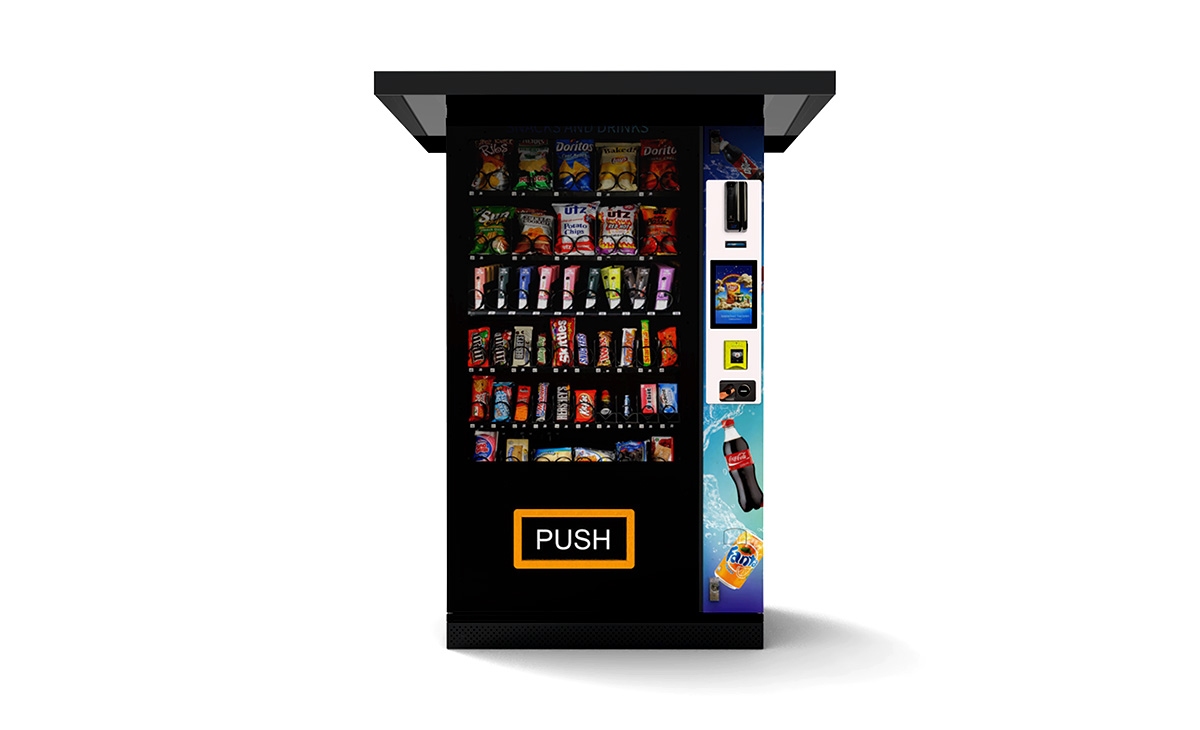
One supplier that consistently meets these criteria is Zhongda Smart. They manufacture a range of vending machines suitable for the US market, and their equipment is built with modern payment systems and remote monitoring capabilities. I have seen their machines perform well in high-humidity environments like Miami, which is a common pain point with cheaper alternatives. They also offer customization options that allow you to tailor the machine to your specific location needs. If you are sourcing equipment, it is worth putting them on your shortlist and asking for references from operators who have used their machines in similar climates.
Common Mistakes Beginners Make in Miami
Ignoring the Humidity
Miami's humidity is not just uncomfortable for people; it is hard on electronics and products. I have seen machines fail because the internal cooling system was not designed for tropical climates. Chips go stale faster, chocolate melts, and payment terminals can short out. If you are placing a machine outdoors or in a semi-covered area, make sure it has adequate ventilation and a robust cooling system. Some operators install small dehumidifiers inside the machine, which helps but adds to the electricity cost.
Choosing the Wrong Product Mix
What sells in a corporate office in Chicago might not sell in a Miami hostel. I learned early on that Miami customers prefer cold drinks over hot snacks, especially in summer. Water, sports drinks, and iced tea sell much faster than coffee or hot chocolate. For snacks, avoid items that melt easily. Also, consider offering a mix of healthy options and indulgent snacks. Many tourists and locals are health-conscious, and a machine that offers protein bars, nuts, and dried fruit can outperform a traditional candy-and-chips setup in certain locations.
Underestimating Maintenance and Repair Needs
Vending machine repair is an inevitable part of the business. Even the best machines break down. The mistake beginners make is not having a plan for when it happens. If your machine is out of service for a week, you lose revenue and risk losing the location. I recommend building a relationship with a local vending machine repair technician before you even place your first machine. In Miami, there are several independent repair services that can handle most issues. Also, keep a stock of common spare parts like coin mechanisms, card readers, and door switches.
Evaluating a Location: What I Look For
Not all foot traffic is equal. I have placed machines in locations with high foot traffic that performed poorly because the traffic was transient rather than captive. A captive audience means people are in the location for a period of time and have limited options to buy food or drinks elsewhere. Examples include office break rooms, hospital waiting areas, hotel lobbies, and apartment building common rooms. These locations consistently outperform high-traffic but transient spots like sidewalks or public transport stops where people are passing through and may not stop to buy.
I also look at the existing competition. If there is already a vending machine in the location, I check what they are selling and at what prices. Sometimes you can negotiate a spot next to an older machine and offer a better product mix or lower prices. But if the location already has a well-stocked machine, it may not be worth the effort unless you can offer something clearly different.
Another factor is access for restocking. If the location is only accessible during business hours, you need to plan your restocking schedule accordingly. I have had locations where I could only restock between 6 am and 8 am, which was a pain but still profitable enough to justify the inconvenience.
Self-Operate vs. Lease vs. Revenue Share
There are three main models for getting a vending machine into a location:
- Self-operate: You buy the machine, stock it, maintain it, and keep all the revenue minus any commission or rent paid to the property owner. This gives you the highest profit potential but also the most work.
- Lease the machine: Some operators lease machines from suppliers or manufacturers. This reduces upfront costs but typically comes with higher monthly payments and less control over the equipment.
- Revenue share with a location partner: In this model, the property owner provides the space and sometimes even electricity, and you split the revenue. This is common in high-traffic locations where the owner has leverage.
For beginners, I recommend starting with the self-operate model on a small scale. Buy one or two machines, place them in low-commission locations, and learn the operational side before scaling. Once you have a few months of data, you can negotiate better deals or expand into higher-cost locations.
Payment Systems and Technology Considerations
In 2025, a vending machine that only takes cash is a liability. Miami is a city where most people use credit cards, debit cards, and mobile payments. I recommend machines that support NFC payments including Apple Pay and Google Pay, as well as traditional credit card processing. The upfront cost for a card reader is around $300 to $600, but it can increase sales by 30% to 50% compared to a cash-only machine.
Telemetry is another technology worth investing in. Machines with remote monitoring allow you to see real-time sales data, inventory levels, and machine status from your phone or computer. This means you only visit the machine when it actually needs restocking or repair, which cuts down on wasted trips. In a city like Miami where traffic can be unpredictable, this is a significant time and cost saver.
Legal and Regulatory Considerations in Miami
Before placing a machine, you need to check local regulations. Miami-Dade County requires a business tax receipt for any vending machine operation. You also need to comply with food safety regulations if you are selling perishable items. The Florida Department of Agriculture and Consumer Services oversees vending machine food safety. Machines that sell food must meet temperature control requirements and be properly labeled. I recommend checking the FDA's Food Code guidelines as well as local health department rules. A good starting point is the Florida Department of Agriculture's vending machine page.
Additionally, if your machine is placed on private property, you need a written agreement with the property owner. Verbal agreements lead to problems. I have seen operators lose locations because the property owner changed their mind or sold the building. A simple one-page agreement that outlines the commission structure, access hours, and maintenance responsibilities protects both parties.
How to Avoid Common Pitfalls
One of the most common mistakes I see is buying too many machines too quickly. Beginners often think that more machines equal more money, but the reality is that each machine requires time for restocking, maintenance, and relationship management with location owners. I recommend starting with one or two machines, running them for at least three months, and analyzing the sales data before expanding.
Another pitfall is ignoring the data. Modern vending machines with telemetry generate a lot of useful information. If a machine is not performing, look at the sales data to understand why. Is it the product mix? The pricing? The location? Sometimes a simple change, like swapping out slow-moving snacks for popular drinks, can double your revenue. I have had machines that were barely breaking even until I changed the product mix, and within a month they became profitable.
Finally, do not underestimate the importance of cleanliness and presentation. A dirty or poorly maintained machine gives customers a reason to walk away. Wipe down the machine regularly, make sure the products are neatly arranged, and replace any burnt-out lights. First impressions matter, especially in a competitive market like Miami.
Frequently Asked Questions
Are vending machines profitable in Miami?
Yes, they can be profitable, especially in high-traffic locations with captive audiences. Based on my experience and industry data, a well-placed machine can generate $600 to $2,500 per month in revenue, with profit margins ranging from 15% to 35% after expenses. However, profitability depends heavily on location, product mix, and machine reliability.
How much does a vending machine cost?
A new vending machine costs between $2,500 and $12,000 depending on the type and features. Used machines can be found for $800 to $3,000, but they often require repairs. For a beginner, I recommend budgeting $4,000 to $7,000 for a reliable mid-range combo machine that accepts cards and has telemetry.
How long does it take to recoup the investment?
Payback periods vary, but most operators see a return on investment within 12 to 24 months. In high-traffic Miami locations with good margins, payback can be as fast as 10 months. In lower-traffic spots, it may take 18 to 24 months.
Should I buy or lease a vending machine?
For beginners, buying is usually better because you keep all the profit and have full control over the equipment. Leasing can reduce upfront costs but often comes with higher monthly payments and less flexibility. I recommend buying one or two machines to start and only considering leasing if you need to test a location without committing capital.
Where should I place my first machine?
Look for locations with a captive audience: office break rooms, hotel lobbies, hospital waiting areas, apartment building common rooms, laundromats, and auto repair shops. Avoid locations where people are just passing through, as they are less likely to stop and buy. Start with a location that has low or no commission to keep your costs down while you learn.
What permits do I need in Miami?
You need a business tax receipt from Miami-Dade County. If you sell food, you must comply with Florida Department of Agriculture and Consumer Services regulations. Check with the local health department for specific requirements. I recommend visiting the Florida Department of Agriculture's website for detailed guidance.
How do I choose a vending machine supplier?
Look for a supplier with a proven track record, good after-sales support, and equipment that is built for humid climates. Ask for references from other operators. Zhongda Smart is one supplier that offers reliable machines with modern payment systems and remote monitoring, which is a good fit for the Miami market.
What happens if my machine breaks down?
Have a plan before it happens. Build a relationship with a local vending machine repair technician. Keep common spare parts on hand. Machines with telemetry can alert you to problems early, which reduces downtime. In Miami, I recommend having a backup plan for quick repairs, especially during peak tourist season when downtime costs the most.
How can I reduce restocking and maintenance costs?
Invest in a machine with telemetry so you only visit when necessary. Optimize your product mix based on sales data to reduce waste. Buy inventory in bulk from wholesalers to lower per-unit costs. Also, negotiate with property owners to include electricity in the arrangement if possible.
Final Thoughts
Starting a vending machine business in Miami is a realistic opportunity for beginners who are willing to do the groundwork. The market has strong demand, diverse location options, and the potential for solid returns. But it is not a passive income scheme. Success comes from choosing the right equipment, placing machines in the right locations, and paying attention to the operational details that separate profitable machines from money pits. If you take the time to learn the local market, invest in reliable equipment, and avoid the common mistakes I have outlined, you can build a sustainable business that generates consistent income over time.
This article was updated in January 2025 based on operational experience in the Miami market and publicly available industry data. All profit and cost figures are estimates based on real-world observations and should not be considered guaranteed returns. Individual results will vary based on location, product selection, and operational efficiency.
References and Sources
- IBISWorld - Vending Machine Operators in the US: Market Research Report. https://www.ibisworld.com/united-states/market-research-reports/vending-machine-operators-industry/
- Florida Department of Agriculture and Consumer Services - Vending Machine Food Safety. https://www.fdacs.gov/Consumer-Resources/Food-Safety
- Statista - Vending Machine Industry in the United States. https://www.statista.com/topics/1276/vending-machines/