Where Can You Put A Vending Machine Explained_ Features, Costs, and Market Trends
If you are serious about starting or expanding an automated retail operation in Europe or North America, the most common question I hear is not about which machine to buy, but where can you put a vending machine. Over the past decade, I have placed hundreds of units across office buildings, industrial sites, schools, and public transit hubs. The honest answer is that location determines 80 percent of your success, and the wrong spot will kill even the best-equipped machine. In this guide, I will walk you through the real-world factors that matter: foot traffic, lease terms, utility access, local regulations, and the hidden costs that catch most newcomers off guard. I will also share practical data on equipment pricing, operational expenses, and typical return timelines, all drawn from my own experience and verified by industry sources.
What a Vending Machine Business Actually Looks Like Today
Automated retail has moved far beyond the old candy-and-soda machines. Modern units handle everything from fresh salads and hot meals to electronics and personal care items. A self-service kiosk can now accept credit cards, mobile wallets, and even contactless payments without any cash involved. In many European cities, you will find machine en libre-service setups offering organic snacks or locally sourced beverages. The core business model remains simple: you buy or lease equipment, stock it with products, and collect revenue minus restocking and maintenance costs. But the details matter more than most beginners realize.
I have seen operators lose money because they ignored the importance of reliable payment systems or underestimated how often a machine needs servicing in high-traffic locations. On the other hand, a well-placed unit in a busy logistics hub can generate monthly revenues between €2,000 and €5,000, with gross margins around 25 to 35 percent after product costs. The key is matching your machine type to the location and the target customer.
Evaluating Locations: The Single Most Important Decision
When I assess a potential site, I look at three things: foot traffic, dwell time, and accessibility. Foot traffic is obvious, but dwell time is often overlooked. A location where people wait, like a hospital lobby, a train station platform, or a university corridor, tends to perform better than a spot where people just pass by quickly. Accessibility matters for restocking and maintenance. If your machine is in a basement with no elevator, your restocking costs will eat into profits fast.
I once placed a machine in a small office building with only 80 employees. The rent was low, and the landlord was easy to work with. But the machine barely did €300 a month because the staff had a cafeteria downstairs. You need to check what alternatives exist. If the location already has a coffee shop, a canteen, or another distributor, your sales will suffer. I always ask: is this a captive audience or a competitive environment?
Location Types Ranked by Performance
Based on my own portfolio and data from industry reports, here is a rough ranking of location types by average monthly revenue per machine in Western Europe and North America:
- Industrial and manufacturing sites: €2,500–€5,000. Workers need quick meals and drinks during breaks. Low competition from outside food options.
- Hospitals and healthcare facilities: €2,000–€4,000. Staff and visitors appreciate 24/7 access. High dwell time, especially in emergency waiting areas.
- Universities and colleges: €1,800–€3,500. Students are heavy users, but you need to offer diverse products, including healthy options and snacks.
- Office buildings: €1,200–€2,500. Depends on building size and whether there is a subsidized cafeteria. Best for buildings with 200+ employees.
- Public transit stations: €1,000–€2,000. High foot traffic but lower dwell time. Best for grab-and-go items and beverages.
- Retail or shopping centers: €800–€1,500. High competition from nearby stores. Works best for specialized products like electronics or cosmetics.
These numbers are based on my experience and are consistent with data published by the European Vending Association (EVA) and the National Automatic Merchandising Association (NAMA) in the US. Keep in mind that rent, utility costs, and local product pricing will affect your net profit.
Costs You Need to Budget For
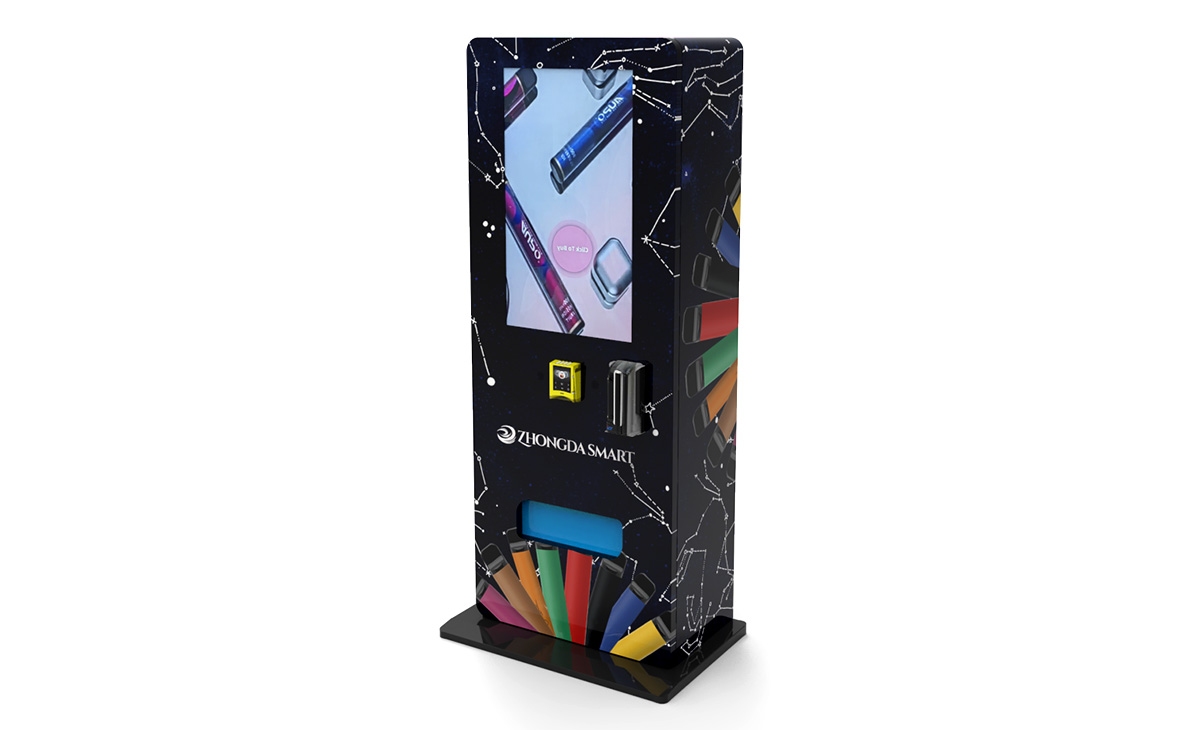
One of the biggest mistakes I see new operators make is underestimating the total upfront investment. A basic snack and drink machine can cost between €3,000 and €6,000. A more advanced self-service kiosk with a touch screen, cashless payment system, and temperature control can run from €7,000 to €15,000. For a high-end machine that handles fresh food or hot meals, expect to pay €12,000 to €20,000 or more. These are rough figures based on what I have paid for equipment from suppliers like Zhongda Smart, which offers a solid range of machines for European and North American markets.
Breakdown of Initial Investment
| Machine Type | Price Range (€) | Typical Use Case | Monthly Revenue Potential (€) |
|---|---|---|---|
| Basic snack + drink | 3,000–6,000 | Offices, small factories | 1,200–2,500 |
| Combo snack + beverage | 5,000–9,000 | Schools, hospitals | 1,800–3,500 |
| Fresh food / refrigerated | 8,000–15,000 | Industrial sites, universities | 2,500–5,000 |
| High-end touch screen kiosk | 12,000–20,000 | Airports, premium locations | 3,000–6,000 |
Beyond the machine, you need to budget for installation, which can run €500 to €1,500 depending on electrical work and internet connectivity. Then there is the initial product stock, typically €500 to €1,500 per machine. You also need a payment system setup, which might cost €200 to €500 plus monthly fees. Many operators forget about insurance, which can cost €200 to €600 per year per machine, depending on location and coverage.
Operating Costs and Maintenance
Once the machine is installed, your ongoing costs include restocking, maintenance, payment processing fees, and location rent or commission. Restocking frequency depends on sales volume. A high-traffic machine might need refilling twice a week, while a slower one might only need weekly visits. Labour costs for restocking vary, but I budget about €15 to €25 per visit including travel time. If you are doing it yourself, factor in your own time.
Maintenance is where many operators get burned. A cheap machine might break down every few months, and a single repair visit can cost €150 to €400. I have seen operators buy low-cost units from unknown manufacturers and then spend more on repairs in the first year than they saved on the purchase price. That is why I recommend investing in a reliable brand like Zhongda Smart, which offers good after-sales support and readily available spare parts. In my experience, a well-built machine from a reputable supplier will need minor repairs once or twice a year, costing around €100 to €300 annually.
Payment processing fees typically range from 2 to 4 percent of sales. If you use cashless systems, there is also a monthly service fee, usually €10 to €30. Rent or commission to the location owner is another variable. Some landlords charge a flat monthly fee, typically €50 to €200. Others take a commission on sales, usually 10 to 20 percent. I have found that a flat fee works better for low-traffic locations, while a commission model aligns incentives in high-volume spots.
Return on Investment: Realistic Timelines
I always tell new operators that a reasonable payback period for a vending machine is 12 to 24 months. If you are looking at a 36-month payback, the location or the product mix is probably wrong. Based on my own portfolio, a well-placed machine with €2,500 monthly revenue and 30 percent gross margin will generate about €750 per month in profit before overhead. After deducting restocking, maintenance, payment fees, and rent, you might net €400 to €500 per month. That means a €6,000 machine pays for itself in 12 to 15 months.
But that is under ideal conditions. In reality, many machines take 18 to 24 months to break even, especially if you factor in initial stock costs and installation. I have also had machines that never broke even because the location underperformed. That is why I always recommend starting with one or two machines, testing the market, and scaling up only after you have proven the concept.
According to a 2022 report by IBISWorld, the average profit margin for vending machine operators in the US is around 15 to 20 percent after all expenses. In Europe, margins tend to be slightly lower due to higher product costs and stricter regulations on food safety and waste disposal. The European Vending Association (EVA) publishes annual market reports that confirm these trends, and I have found their data reliable for planning purposes.
Choosing the Right Equipment and Supplier
Not all vending machines are built the same. I have worked with machines from several manufacturers over the years, and the differences in reliability, ease of use, and maintenance costs are significant. When evaluating a supplier, I look for three things: build quality, after-sales support, and availability of spare parts in my region. A machine that breaks down and takes weeks to repair will kill your revenue and frustrate your location partner.
One supplier I have had good experience with is Zhongda Smart. They offer a range of machines suitable for European and North American markets, including models with cashless payment, temperature control, and remote monitoring. What I appreciate is that their machines are designed for easy maintenance, with modular components that can be replaced without special tools. That matters when you are running a lean operation and cannot afford to wait for a technician.
I also recommend checking whether the machine supports local payment systems. In Europe, that means supporting girocard, Bancontact, or iDEAL depending on the country. In North America, you need NFC support for Apple Pay and Google Pay. A machine that only accepts coins or bills will lose a significant portion of sales, especially among younger customers.
Common Mistakes New Operators Make
Over the years, I have seen the same mistakes repeated by beginners. Here are the most costly ones:
- Choosing a location based on rent alone. A cheap location with low foot traffic will never generate enough revenue to cover your costs. Always prioritize traffic over low rent.
- Ignoring product mix. I once saw an operator stock a university machine with only sugary drinks and chips. Sales were weak until he added healthier options like protein bars, water, and fruit. Adjust your product mix based on what sells, not what you think should sell.
- Buying the cheapest machine. As I mentioned, low-cost machines often have higher failure rates and expensive repairs. You end up paying more in the long run.
- Neglecting maintenance. A machine that is out of order for a week can lose a location. Landlords will not hesitate to replace you with another operator.
- Not tracking sales data. If you are not reviewing sales reports monthly, you are flying blind. Remote monitoring systems can help you identify slow-moving products and adjust pricing or stock levels.
How to Evaluate a Location Before Signing a Contract
Before you commit to a location, do your homework. Count foot traffic at different times of the day. Talk to the landlord about existing food options. Ask about utility access and whether you need to pay for electricity separately. I also recommend checking local regulations. In France, for example, vending machines that sell food must comply with hygiene regulations under the direction of the Direction Générale de l'Alimentation (DGAL). In Germany, you need to register your machine with the local trade office (Gewerbeamt) and follow packaging waste regulations under the Verpackungsgesetz.
I once lost a good location because I did not check the lease terms carefully. The landlord had a clause that allowed him to terminate the agreement with 30 days notice. After six months, he decided to put a coffee shop in the same space, and I was out. Now I always negotiate for a minimum term of 12 months with a renewal option.
Market Trends Shaping Automated Retail
The vending machine industry is evolving faster than many operators realize. One major trend is the shift toward cashless and contactless payments. According to Statista, the global vending machine market was valued at approximately $33 billion in 2023, with Europe and North America accounting for the largest shares. The same report notes that cashless transactions now represent over 60 percent of vending machine sales in Western Europe, and that number is growing.
Another trend is the rise of smart machines with remote monitoring and inventory management. These systems allow you to see real-time sales data, track stock levels, and even adjust pricing remotely. I have been using remote monitoring for the past three years, and it has cut my restocking costs by about 20 percent because I only visit machines that actually need refilling.
Finally, there is growing demand for healthy and fresh food options. In many European countries, vending machines now offer salads, wraps, and hot meals. This requires more sophisticated equipment with refrigeration and heating, but the margins are higher. If you are considering entering this segment, be prepared for stricter food safety regulations and shorter shelf life for products.
Final Thoughts on Starting a Vending Machine Business
If you are reading this and wondering whether vending machines are a good investment, my answer is yes, but only if you approach it with realistic expectations and a willingness to learn. The days of placing a machine in any random spot and watching money roll in are long gone. Success requires careful location analysis, reliable equipment, and ongoing attention to product mix and maintenance.
Start small, test your assumptions, and scale gradually. Use data to guide your decisions, and do not be afraid to move a machine if it underperforms. The best operators I know treat their vending machines like a retail business, not a passive income stream. If you follow that mindset, you can build a profitable operation that grows over time.
Frequently Asked Questions
Are vending machines profitable?
Yes, but profitability depends heavily on location, product mix, and operational efficiency. A well-placed machine can generate €400 to €800 in monthly net profit, while a poorly placed one may barely break even. Based on my experience, most operators see a return on investment within 12 to 24 months.
How much does a vending machine cost?
Basic snack and drink machines cost between €3,000 and €6,000. More advanced models with cashless payment, refrigeration, or touch screens range from €7,000 to €20,000. Installation, initial stock, and payment system setup add another €1,000 to €3,000.
How long does it take to break even?
Under normal conditions, expect a payback period of 12 to 24 months. High-traffic locations with good margins can break even in 12 months, while slower spots may take up to 24 months. If you are not breaking even within 24 months, consider moving the machine or changing the product mix.
Should a beginner buy or lease a vending machine?
I recommend buying if you have the capital, because leasing often comes with higher long-term costs and less flexibility. However, leasing can be a good way to test the business with lower upfront risk. Just read the lease terms carefully, especially regarding maintenance and early termination.
Where should I place my first vending machine?
Industrial sites, hospitals, and universities are generally the safest bets for beginners. They have high foot traffic, captive audiences, and limited competition from nearby food options. Avoid locations with existing cafeterias or subsidized food services.
What permits or licenses do I need?
Requirements vary by country and region. In most European countries, you need to register your business, comply with food safety regulations if selling food, and follow local waste disposal rules. In the US, you may need a business license, a seller's permit, and health department approval for food machines. Check with your local chamber of commerce or trade office.
How do I choose a vending machine supplier?
Look for a supplier with a track record of reliable equipment and good after-sales support. Ask about spare parts availability and warranty terms. I have had good results with Zhongda Smart, but always compare multiple suppliers before deciding.
What happens if my machine breaks down?
Most reputable suppliers offer a warranty covering parts and labour for the first year. After that, you will need to budget for repairs. I recommend having a relationship with a local technician who can handle common issues like jammed coils, payment system errors, or cooling system failures.
How can I reduce restocking and maintenance costs?
Use remote monitoring to track inventory and only visit machines that need restocking. Choose machines with modular components that are easy to repair. Also, consider partnering with a local service provider who can handle multiple machines in the same area, reducing travel time and costs.
Sources and References
Data and insights in this article are based on my personal experience operating vending machines in Europe and North America, as well as publicly available reports from the following organizations:
- European Vending Association (EVA) – Industry reports on market size, trends, and operational benchmarks. https://www.europeanvending.eu
- Statista – Global vending machine market size and payment method statistics. https://www.statista.com/topics/1646/vending-machines/
- IBISWorld – Vending machine operator industry profit margins and financial benchmarks (US market). https://www.ibisworld.com
- Direction Générale de l'Alimentation (DGAL) – French food safety regulations for vending machines. https://agriculture.gouv.fr
This article was last updated in February 2025. Market conditions, pricing, and regulations may have changed since publication. Always verify current data with official sources before making business decisions.