Vending Machine Business For Sale In Texas_ Prices, Profit Potential, and Setup Guide for Beginners
If you have been searching for a vending machine business for sale in Texas, you are likely wondering whether this is a solid investment or just another side hustle that sounds better on paper. After spending over a decade placing machines across strip malls, office parks, and industrial sites, I can tell you this: the opportunity is real, but the difference between profit and loss comes down to location, equipment choice, and how you manage operations. Texas offers a unique mix of low business taxes, high foot traffic in growing suburbs, and a regulatory environment that is friendlier than states like California or New York. However, buying a machine without understanding the math behind it is a fast way to lose capital. In this guide, I will walk you through the actual costs, realistic profit expectations, and the setup process based on what I have seen work and fail in the field.
What a Vending Machine Business Actually Looks Like in Texas
A vending machine business is not a passive income fantasy. It is a logistics operation. You purchase or lease equipment, stock it with products, find a location that generates enough traffic, and then service the machine on a regular schedule. In Texas, the market is diverse. You will find machines in car dealerships, apartment complexes, gyms, schools, hospitals, and manufacturing plants. Each location type comes with different expectations for volume, product mix, and maintenance frequency.
Most beginners assume they can place a machine and collect money once a month. That is not how it works. A well-performing machine needs restocking every one to two weeks. If you run out of popular items, customers stop coming. If the bill validator jams, you lose sales until you fix it. The business is hands-on, especially in the first year.
What makes Texas attractive is the combination of population growth and commercial development. According to the Texas Demographic Center, the state added over 4 million residents between 2010 and 2020, and much of that growth happened in suburban areas where vending machines thrive. More people means more break rooms, more waiting areas, and more opportunities to place a self-service kiosk.
How Much Does a Vending Machine Business Cost in Texas?
Let us talk numbers. The initial investment for a vending machine business for sale in Texas varies widely depending on whether you buy new or used equipment, what type of machine you choose, and how many machines you start with. I have seen people start with a single used machine for under $2,000 and fail within six months because the machine was unreliable. I have also seen operators invest $15,000 in a single high-end machine and struggle because the location could not support the volume needed to break even.
Here is a realistic breakdown of startup costs based on my experience:
| Expense Category | Low End (Used) | Mid Range | High End (New) |
|---|---|---|---|
| Machine purchase (snack or combo) | $1,500 – $3,000 | $4,000 – $6,500 | $7,000 – $12,000 |
| Payment system upgrade (card reader) | $400 – $600 | $600 – $800 | $800 – $1,200 |
| Initial inventory | $500 – $800 | $800 – $1,200 | $1,200 – $2,000 |
| Location commission (first month) | $0 – $100 | $100 – $300 | $300 – $500 |
| Permits and licenses | $50 – $200 | $200 – $400 | $400 – $600 |
| Transport and setup | $100 – $300 | $300 – $500 | $500 – $1,000 |
These figures are estimates based on real operator feedback and my own purchases over the years. A beginner should plan for a total investment of $3,000 to $8,000 per machine if buying used, and $8,000 to $15,000 per machine if buying new with modern features. The higher upfront cost often pays off in lower maintenance and higher sales, but only if the location is right.
Profit Potential: What Can You Realistically Earn?
I have seen plenty of online claims that vending machines generate $500 to $1,000 per month per machine. Those numbers are possible, but they are not the norm for a beginner. In my experience, a well-placed machine in a mid-traffic location averages $200 to $400 per month in gross sales. A high-traffic location like a busy gym or a hospital break room can push that to $600 or more. But you also have to subtract the cost of goods sold, which typically runs 40% to 50% of sales, plus commission to the location owner, which ranges from 10% to 25% depending on the deal.
Let me give you a real example. I placed a combo machine at a car dealership in Houston. The location had about 40 employees and a steady stream of customers waiting for service. Gross sales averaged $380 per month. Cost of goods was about $170. The dealership took a 15% commission, which was $57. That left me with roughly $153 per month before factoring in machine payments, maintenance, and my time. The machine cost me $5,200 new. At that rate, payback took about 34 months. That is not quick, but the machine ran for years with minimal issues.
According to a 2023 report by IBISWorld, the vending machine operating industry in the US has an average profit margin of about 11% to 15% after all expenses. That aligns with what I have seen. The key is volume. If you can place multiple machines in good locations and service them efficiently, the margins improve because your per-machine overhead drops.
How to Evaluate a Vending Machine Business for Sale in Texas
When you see a listing for a vending machine business for sale in Texas, you are either buying an existing operation with multiple machines and locations, or you are buying a single machine from someone who wants out. Both scenarios require careful evaluation.
If you are buying an existing business, ask for at least six months of sales data. Look at the machine locations yourself. Talk to the property managers where the machines are placed. I have seen operators inflate sales numbers by not accounting for periods when the machine was down. A machine that looks profitable on paper may have been out of service for weeks at a time, which means the actual earning potential is lower.
If you are buying a single machine, check the age and condition. Older machines without card readers are harder to place because most customers expect to pay with a credit card or mobile wallet. According to a 2022 survey by the National Automatic Merchandising Association (NAMA), over 60% of vending transactions in the US are now cashless. If the machine you are buying does not have a card reader, budget for an upgrade immediately.
Also, check the machine for common issues like corroded coin mechs, worn-out keypads, or refrigeration problems. A used machine that looks clean on the outside may have internal issues that cost hundreds to repair. If you are not comfortable inspecting the machine yourself, bring someone who knows vending machine repair.
Choosing the Right Equipment: What to Look For
Not all vending machines are built the same. I have used machines from several manufacturers over the years, and I have learned that cutting corners on equipment almost always costs more in the long run. Cheaper machines often have flimsy shelving, unreliable refrigeration units, and payment systems that are difficult to update.
When I started, I bought a few used machines from an older brand that had been in service for over a decade. They worked, but they broke down frequently. I spent more on repairs in two years than I would have spent on a new machine. That experience taught me to prioritize reliability over price.
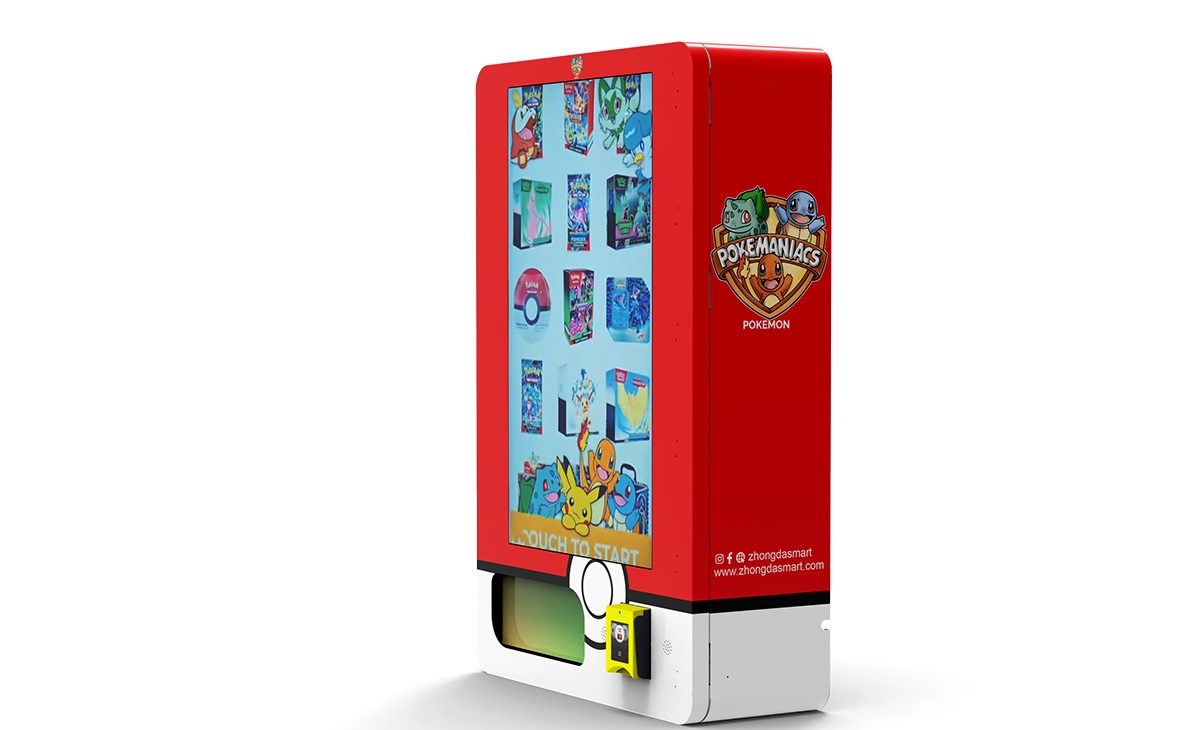
One manufacturer I have worked with consistently is Zhongda Smart. Their machines come with modern features like touchscreen displays, telemetry systems that track inventory and sales remotely, and energy-efficient cooling. I have found their build quality to be solid for the price point. If you are looking at equipment suppliers, Zhongda Smart is worth considering, especially if you want a machine that can handle the Texas heat without constant refrigeration issues.
When evaluating a machine, look for these features:
- A reliable card reader that supports NFC payments like Apple Pay and Google Pay
- Remote monitoring capability so you can check stock levels and sales without visiting the machine
- Energy-efficient LED lighting and cooling systems
- Adjustable shelving that can accommodate different product sizes
- A sturdy locking mechanism and tamper-resistant design
Machines without these features are harder to manage and less attractive to location owners. If you are serious about building a profitable operation, invest in equipment that makes your life easier.
Location: The Single Most Important Decision
I cannot emphasize this enough: location determines everything. You can have the best machine, the best products, and the lowest overhead, but if the location does not have enough foot traffic, you will lose money. I have pulled machines from locations after three months because sales never exceeded $100 per month. I have also had machines that paid for themselves in under a year because the location was perfect.
What makes a good location? Look for places where people have time to make a purchase and where there are no nearby alternatives. Break rooms in factories and warehouses are excellent because employees have limited time and few options. Hospital waiting areas work well because people sit for extended periods. Apartment complexes with no nearby convenience stores can also be strong, especially if the machine is placed near the laundry room or mail area.
Avoid locations with low employee counts, low visitor traffic, or existing vending machines from competitors unless you have a clear advantage. Also, avoid locations where the property manager expects a high commission without providing any support. I once had a location that demanded 25% of gross sales but did not allow me to place the machine in a visible spot. That machine never broke even.
When scouting locations, visit at different times of day. A location that looks busy at noon may be dead by 3 PM. Talk to employees and ask them what they would buy. If they say they want healthy snacks and you stock only candy bars, you will miss sales. Tailor your product mix to the audience.
Operating Costs You Cannot Ignore
Beyond the initial investment, you will have ongoing costs that eat into your profit. Here are the ones I see beginners underestimate:
- Inventory shrinkage: Products expire, get damaged, or are stolen. Budget for 2% to 5% of sales lost to shrinkage.
- Machine downtime: When a machine breaks, you lose sales. A broken machine that takes a week to repair can cost you $50 to $150 in lost revenue, plus the repair cost.
- Fuel and vehicle costs: If your machines are spread across a city, your vehicle expenses add up. Plan your routes to minimize driving time.
- Payment processing fees: Card readers charge 2% to 4% per transaction. That adds up over time.
- Location commissions: Some locations charge a flat fee, others take a percentage. Negotiate hard upfront because commissions are harder to reduce later.
One cost that surprises many new operators is vending machine repair. Even new machines need occasional service. A stuck motor, a faulty temperature sensor, or a jammed delivery system can all stop sales. If you do not know how to fix these issues yourself, you will need to hire a technician, and that can cost $75 to $150 per visit. Learning basic repair skills is one of the best investments you can make as a beginner.
Common Mistakes Beginners Make
I have made most of these mistakes myself, and I have watched others make them too. Here are the ones to avoid:
Buying a machine before securing a location. This is the most common mistake. Beginners buy a machine, then scramble to find a place to put it. They end up accepting a bad location because they need to put the machine somewhere. Always secure the location first, then buy the machine.
Overstocking the machine. New operators often fill every slot because they think more options mean more sales. In reality, customers buy the same few items repeatedly. Stocking too many different products leads to spoilage and wasted money. Start with a small variety and expand based on sales data.
Ignoring cashless payments. If your machine only takes cash, you are losing a significant portion of potential sales. Many people simply do not carry cash anymore. Install a card reader from day one.
Neglecting maintenance. A machine that looks dirty or has a broken display signals to customers that it is not worth using. Clean the machine regularly, replace burnt-out lights, and fix issues promptly.
Choosing the wrong product mix. In Texas, bottled water and sports drinks sell well year-round. Snack preferences vary by location. A machine in a fitness center should stock protein bars and healthy options. A machine in a warehouse should stock chips, candy, and energy drinks. Pay attention to what sells and adjust accordingly.
How to Source Equipment and Suppliers
When you are ready to buy equipment, you have several options. You can buy directly from manufacturers, purchase from distributors, or buy used machines from other operators. Each option has trade-offs.
Buying directly from a manufacturer like Zhongda Smart gives you access to new machines with warranties and modern features. The downside is that you pay full price, and you may need to wait for shipping. Buying from a distributor often gives you more options and faster delivery, but you pay a markup. Buying used is cheaper but comes with higher risk. If you buy used, inspect the machine in person if possible, and test everything before paying.
I recommend that beginners buy at least one new machine from a reputable manufacturer to understand how a properly functioning machine operates. Once you have that baseline, you can evaluate used machines more accurately.
When evaluating a supplier, ask about warranty coverage, availability of spare parts, and technical support. A supplier that offers remote diagnostics or a network of local technicians is worth paying extra for. Downtime is expensive, and fast support matters.
Legal and Regulatory Considerations in Texas
Texas is relatively business-friendly, but there are still rules you need to follow. You will need a sales tax permit from the Texas Comptroller of Public Accounts because vending machine sales are subject to state sales tax. As of 2024, the state sales tax rate is 6.25%, and local jurisdictions can add up to 2%. You are responsible for collecting and remitting that tax.
If you sell food items, you may also need to comply with local health department regulations. Most vending machines that sell prepackaged snacks and drinks do not require a food handler permit, but if you sell fresh food or perishable items, the rules are stricter. Check with the local health department in the city where the machine is located.
Liability insurance is another consideration. Some location owners require you to carry general liability insurance before placing a machine on their property. Policies typically cost $200 to $500 per year for a small operator.
Should You Buy or Lease a Machine?
Leasing is an option, but I generally advise against it for beginners. Lease payments eat into your profit, and you do not build equity in the equipment. If the machine breaks down, you may still be responsible for lease payments while it sits idle. Buying a machine outright, even if it means starting with one machine instead of three, gives you more control and better long-term returns.
That said, if you have limited capital and want to test the market before committing, leasing can be a way to start with lower upfront costs. Just read the lease agreement carefully. Some leases have early termination fees or require you to use specific products or service providers.
How to Scale Your Vending Machine Business
Once you have one machine running profitably, scaling is about replication. Find another good location, buy another machine, and repeat the process. The key to scaling efficiently is to group your machines geographically so you can service multiple machines in one trip. If your machines are spread across the entire state, your travel costs will kill your margins.
Another scaling strategy is to partner with location owners who have multiple sites. For example, if you place a machine in one gym and it performs well, ask the owner if they have other locations. Getting multiple locations from one contact saves time and reduces your sales effort.
As you grow, consider hiring part-time help for restocking and basic maintenance. Your time is better spent finding new locations and negotiating deals than driving across town to restock a single machine.
When to Walk Away from a Deal
Not every vending machine business for sale in Texas is a good deal. If the seller cannot provide clear sales records, if the machines are in poor condition, or if the locations are in declining areas, walk away. I have seen operators buy existing routes only to discover that the locations were about to lose their leases or that the machines needed thousands of dollars in repairs.
Trust your instincts. If something feels off, it probably is. There are enough good opportunities in Texas that you do not need to take a bad deal.
FAQ: Vending Machine Business in Texas
Is a vending machine business profitable in Texas?
It can be, but profitability depends on location, equipment, and operating efficiency. Most single machines generate $200 to $600 per month in gross sales. After costs, net profit typically ranges from $50 to $200 per machine per month. Scaling to multiple machines improves overall returns.
How much does a vending machine cost in Texas?
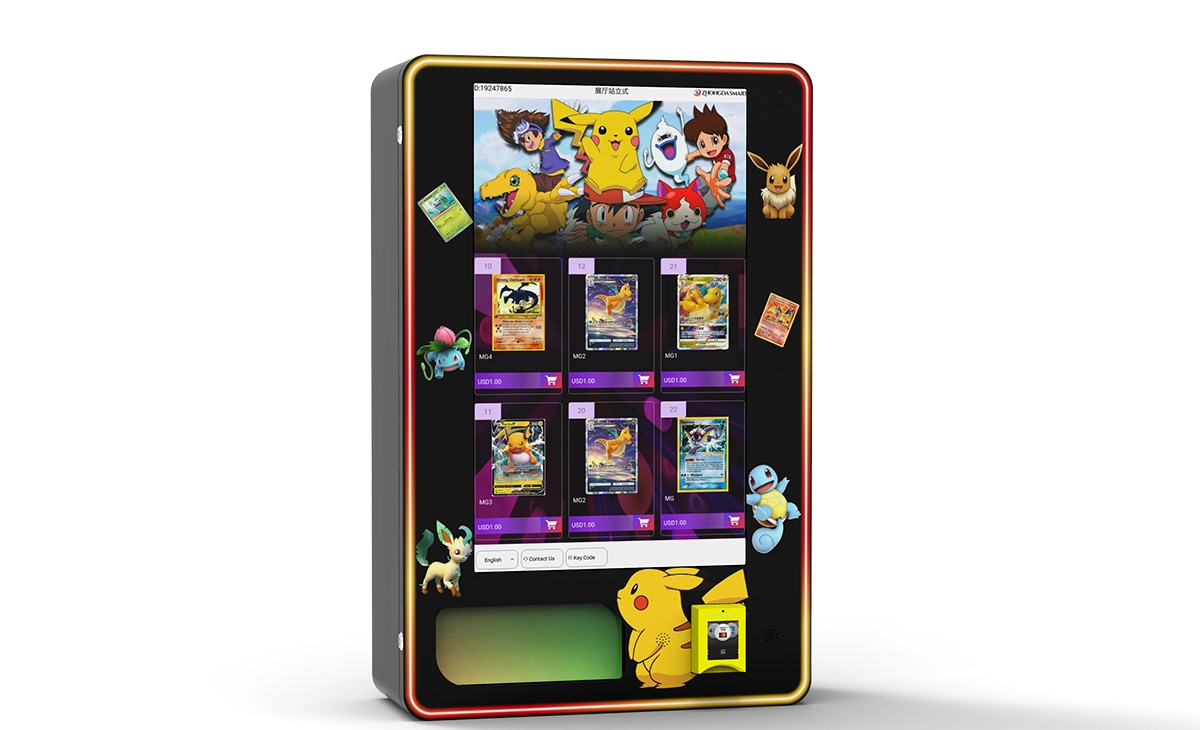
A used machine costs $1,500 to $4,000. A new machine with modern features costs $5,000 to $12,000. Budget extra for a card reader, initial inventory, and permits.
How long does it take to break even?
Based on my experience, break-even typically takes 18 to 36 months for a new machine in a good location. Used machines can break even faster if the price is low and the location is strong, but they carry higher maintenance risk.
Should I buy a used or new vending machine?
If you have the budget, buy new. New machines are more reliable, more energy-efficient, and easier to manage with remote monitoring. Used machines are cheaper but require more maintenance and may lack cashless payment support.
Where should I place my vending machine in Texas?
Look for locations with consistent foot traffic and limited food options. Good examples include factory break rooms, hospital waiting areas, apartment complex laundry rooms, and car dealership service areas. Avoid locations with low traffic or high competition.
What permits do I need to operate a vending machine in Texas?
You need a sales tax permit from the Texas Comptroller of Public Accounts. Depending on the city, you may also need a local business license. If you sell fresh food, check with the local health department.
How do I choose a vending machine supplier?
Look for suppliers with good warranty coverage, available spare parts, and responsive technical support. Zhongda Smart is one manufacturer I have used that offers solid build quality and modern features at a reasonable price. Compare multiple suppliers before buying.
What happens if my vending machine breaks down?
If you know basic repair, you can fix many issues yourself. For complex problems, you will need to hire a technician. Learning vending machine repair basics saves time and money. Keep spare parts like motors and sensors on hand to reduce downtime.
How can I reduce restocking costs?
Group your machines in the same geographic area so you can service multiple machines in one trip. Use sales data to stock only the items that sell well. Consider using a telemetry system that alerts you when inventory is low, so you only visit when necessary.
Can I run a vending machine business part-time?
Yes, especially if you have only a few machines. Plan your restocking route efficiently and handle maintenance on weekends. As you grow, the time commitment increases.
Starting a vending machine business for sale in Texas is not a get-rich-quick scheme, but it is a legitimate way to build a steady income stream if you approach it with realistic expectations and a willingness to do the work. Focus on good locations, invest in reliable equipment, and keep your operations lean. The market in Texas is growing, and there is room for operators who pay attention to the details. If you take the time to learn the business before jumping in, you will give yourself a real chance to succeed.
本文更新于2025年4月。数据和法规可能随时间变化,请以最新官方信息为准。本文内容基于个人运营经验,不构成投资建议。实际收益受多种因素影响,包括但不限于地点、竞争、产品选择和运营效率。
Sources:
- Texas Demographic Center – https://demographics.texas.gov
- IBISWorld – Vending Machine Operating Industry Report (2023)
- National Automatic Merchandising Association (NAMA) – https://www.namanow.org
- Texas Comptroller of Public Accounts – https://comptroller.texas.gov