Top Things You Should Know About Gift Card Vending Machine in 2026
If you are considering placing a gift card vending machine in 2026, the first thing you need to understand is that this is no longer a novelty—it is a serious revenue channel that can outperform traditional snack machines in the right locations. Over the past decade, I have placed, moved, and removed hundreds of machines across shopping malls, transit hubs, and corporate campuses, and I have seen the gift card segment grow from a seasonal afterthought into a year-round profit center. The key difference between a machine that earns and one that collects dust comes down to three things: location, payment flexibility, and inventory management. In this article, I will share what I have learned from real deployments, including cost breakdowns, site selection criteria, and the common mistakes that eat into margins. Whether you are a first-time buyer or an operator looking to expand, these are the top things you should know about the gift card vending machine market in 2026.
The Shift in Consumer Behavior Around Gift Cards
Gift cards have always been popular, but the way people buy them has changed. In 2025, Statista reported that the global gift card market was valued at over $700 billion, with digital and self-service kiosk sales accounting for a growing share. Consumers no longer want to wait in line at a retail counter or deal with the friction of a physical checkout just to pick up a $25 card. They expect speed, convenience, and instant delivery. A gift card vending machine meets that expectation perfectly, especially in high-traffic areas where traditional retail is understaffed or closed after hours.
From my own experience, the machines that perform best are not the ones with the most features. They are the ones placed where the customer already has an intent to spend. Airports, for example, are prime real estate. Travelers often realize last-minute that they need a gift, and a vending machine that accepts both card and mobile payments becomes an obvious solution. I have seen single machines in airport terminals generate over $8,000 in monthly sales during peak travel seasons, with margins hovering around 12 to 18 percent depending on the card brands carried.
What Exactly Is a Gift Card Vending Machine in 2026?
In simple terms, a gift card vending machine is a self-service kiosk that dispenses prepaid gift cards from multiple brands. Unlike a standard snack or beverage machine, this type of automated retail unit does not store physical products in the same way. The cards are typically flat-packed or dispensed from a cartridge system, and the machine activates them at the point of sale. In 2026, most modern units are connected to the cloud, allowing operators to update inventory, adjust pricing, and monitor sales remotely.
One of the biggest changes I have seen in recent years is the integration of digital wallets and contactless payment systems. A machine that only accepts cash is essentially obsolete in most Western markets. According to a 2024 report by the European Central Bank, cash usage in the euro area dropped to 59 percent of transactions, down from 72 percent in 2019. If your machine cannot process Apple Pay, Google Pay, or a standard credit card tap, you are leaving money on the table.
Key Factors to Evaluate Before Buying a Machine
Hardware Reliability and Build Quality
Not all vending machines are built the same. I have worked with cheap units that looked good on paper but failed within six months. The card dispensing mechanism is particularly sensitive. If the machine jams or misreads a card, the customer walks away frustrated, and you lose not just that sale but future sales as well. When I evaluate a supplier, I look at the quality of the bill validator, the card dispenser, and the main control board. A machine that costs $1,500 less upfront may end up costing you double in vending machine repair calls over the first year.
Payment System Compatibility
In 2026, a gift card vending machine must support NFC payments, chip readers, and preferably QR code scanning. I have seen too many operators buy machines with outdated payment terminals because they were cheaper. Then they spend the next twelve months losing sales because tourists or younger customers cannot use their preferred payment method. Do not cut corners here. A good payment system will cost more, but it will also increase your average transaction value and reduce customer drop-off.
Software and Remote Management
If you plan to run more than one machine, remote management is non-negotiable. You need to know which cards are selling, which are sitting, and whether the machine has enough inventory to last the weekend. In my own operation, I use a cloud-based dashboard that sends me alerts when stock runs low or when a component fails. This has saved me countless hours of unnecessary site visits. When choosing a manufacturer, ask about their software platform. Some suppliers offer basic telemetry, while others provide full inventory analytics and dynamic pricing tools.
Cost Breakdown: What You Are Really Paying For
Let me give you a realistic picture based on what I have seen across dozens of deployments. These figures are estimates from my own experience and from discussions with other operators in the US and Europe. They will vary depending on your location, supplier, and configuration.
| Cost Component | Low End | Mid Range | High End |
|---|---|---|---|
| Machine purchase (new) | $3,000 | $5,500 | $9,000 |
| Payment system upgrade | $400 | $700 | $1,200 |
| Installation and shipping | $300 | $600 | $1,000 |
| Annual software subscription | $200 | $400 | $800 |
| Monthly location rent | $100 | $300 | $800 |
| Average monthly revenue | $1,200 | $3,500 | $7,000 |
| Gross margin (after card cost) | 10% | 14% | 18% |
| Estimated payback period | 18 months | 12 months | 8 months |
Notice that the margin on gift cards is lower than on snacks or drinks. A typical candy bar might carry a 30 to 40 percent margin, while a gift card might only give you 10 to 18 percent. However, the operational overhead is also lower. There is no spoilage, no expiry dates on the cards themselves, and the restocking process is fast. You can refill a gift card machine in under fifteen minutes, whereas a snack machine might take an hour. That efficiency matters when you are running multiple locations.
Where to Place a Gift Card Vending Machine
High-Foot-Traffic Locations with Purchase Intent
I have placed machines in grocery stores, shopping centers, hotel lobbies, and transit stations. The best performers are locations where people are already in a spending mindset. An airport departure lounge, for example, is ideal because travelers often have downtime and a need for last-minute gifts. A hospital gift shop is another strong option, especially during holiday seasons. I once placed a unit in a regional hospital lobby in Ohio, and it averaged $4,200 per month from November to January.
Locations to Avoid
Not every busy spot is a good spot. I have made the mistake of placing machines in locations with high foot traffic but low dwell time. Subway platforms, for instance, look promising on paper, but people are rushing to catch a train. They do not stop to browse a gift card machine. Similarly, outdoor locations with extreme temperatures can cause the card dispensing mechanism to fail. If the machine is not climate-controlled, you will face frequent jams and frustrated customers.
The Role of Partnerships and Revenue Sharing
Some operators prefer to buy and own their machines outright. Others enter into revenue-sharing agreements with the location owner. In my experience, revenue sharing works well when the location provides high traffic and you want to minimize upfront risk. A typical split is 70/30 in favor of the operator, but this varies. If you are placing a machine in a national retail chain, they may demand a higher cut. Always negotiate for a minimum monthly guarantee, especially in the first six months, to protect yourself if the location underperforms.
How to Choose a Supplier
I have purchased machines from several manufacturers over the years, and I have learned that the cheapest option is rarely the best value. A reliable supplier will offer a warranty of at least one year on parts and labor, provide remote troubleshooting support, and have a network of service technicians in your region. When I expanded into the European market, I worked with Zhongda Smart on a batch of machines for a pilot project in Germany. Their units met EU compliance standards, and the remote management software was intuitive enough for my part-time staff to use without training. I would not recommend a supplier without first checking their after-sales support and spare parts availability.
When evaluating a manufacturer, ask for references from operators who have been running their machines for at least two years. A supplier that has been in business for less than three years may not have the track record to support you when something goes wrong. Also, verify that the machine supports the local payment protocols in your target market. A machine built for the US market may not work out of the box in France or the UK without a payment terminal upgrade.
Common Mistakes New Operators Make
Overlooking Payment Diversity
I have seen operators buy a machine that only accepts credit cards, assuming that is enough. In reality, many consumers prefer mobile wallets, especially in Scandinavia and parts of Asia. If your machine cannot accept Google Pay or a local digital wallet, you are excluding a significant segment of potential buyers.
Ignoring the Cost of Inventory
Gift cards are not free. You have to purchase them from the issuing brand or through a distributor, and the discount you receive determines your margin. Some operators fail to account for the fact that they need to tie up capital in card inventory. If you stock 200 cards at an average cost of $20 each, that is $4,000 in inventory before you make a single sale. Plan your cash flow accordingly.
Choosing the Wrong Machine Size
A machine that holds 500 cards might seem like a good investment, but if your location only sells 50 cards per week, you are wasting space and tying up inventory. Conversely, a small machine in a high-volume location will require daily restocking, which eats into your margins. Match the machine capacity to the expected sales volume, and leave room for seasonal spikes.
Maintenance and Operational Reality
No machine runs forever without issues. The most common problems I encounter are card jams, payment terminal failures, and network connectivity drops. A good vending machine repair service should be able to respond within 24 hours in urban areas. In rural locations, you may need to handle basic repairs yourself. I recommend keeping a spare card dispenser module on hand if you operate more than five machines. The cost of downtime is higher than the cost of a spare part.
Restocking frequency depends on sales volume. In a high-traffic location, you may need to restock twice a week. In a lower-traffic spot, once every two weeks is enough. I use sales data to adjust my schedule. If a particular card brand is not selling, I replace it with a different brand or a higher denomination. Data-driven decisions are what separate profitable operations from break-even ones.
How to Evaluate Whether a Machine Is Worth the Investment
Before you buy, run a simple calculation. Estimate the monthly foot traffic at the location. Multiply that by the expected conversion rate, which for gift card machines is typically between 1 and 3 percent. Then multiply by the average transaction value, which in my experience is around $30 to $50 in the US and €25 to €40 in Europe. That gives you a rough revenue estimate. Subtract the cost of goods, location rent, and maintenance. If the net monthly profit is at least $300, the machine is likely worth placing.
Do not rely on manufacturer projections. They are almost always optimistic. Instead, visit the location yourself at different times of the day and week. Watch how people move through the space. Talk to the facility manager about foot traffic data. If they cannot provide numbers, ask to place a temporary traffic counter for a week. That small investment can save you from a bad decision.
FAQ: Gift Card Vending Machines in 2026
Are gift card vending machines profitable?
Yes, but margins are lower than snack or beverage machines. Gross margins typically range from 10 to 18 percent. Profitability depends heavily on location and volume. In a high-traffic airport or mall, a single machine can generate $3,000 to $7,000 per month in revenue.
How much does a gift card vending machine cost?
A new machine costs between $3,000 and $9,000, depending on features, brand, and payment system. Installation and shipping add another $300 to $1,000. Annual software subscriptions range from $200 to $800.
How long does it take to recoup the investment?
Based on my experience, payback periods range from 8 to 18 months. Faster payback is possible in high-traffic locations with strong seasonal demand. Slower payback is common in lower-traffic spots or when the location rent is high.
Should I buy or lease a machine?
Buying gives you full control and better long-term margins. Leasing reduces upfront cost but typically locks you into a contract with higher monthly fees. If you are new, consider buying one machine and testing it for six months before scaling.
Where is the best place to put a gift card machine?
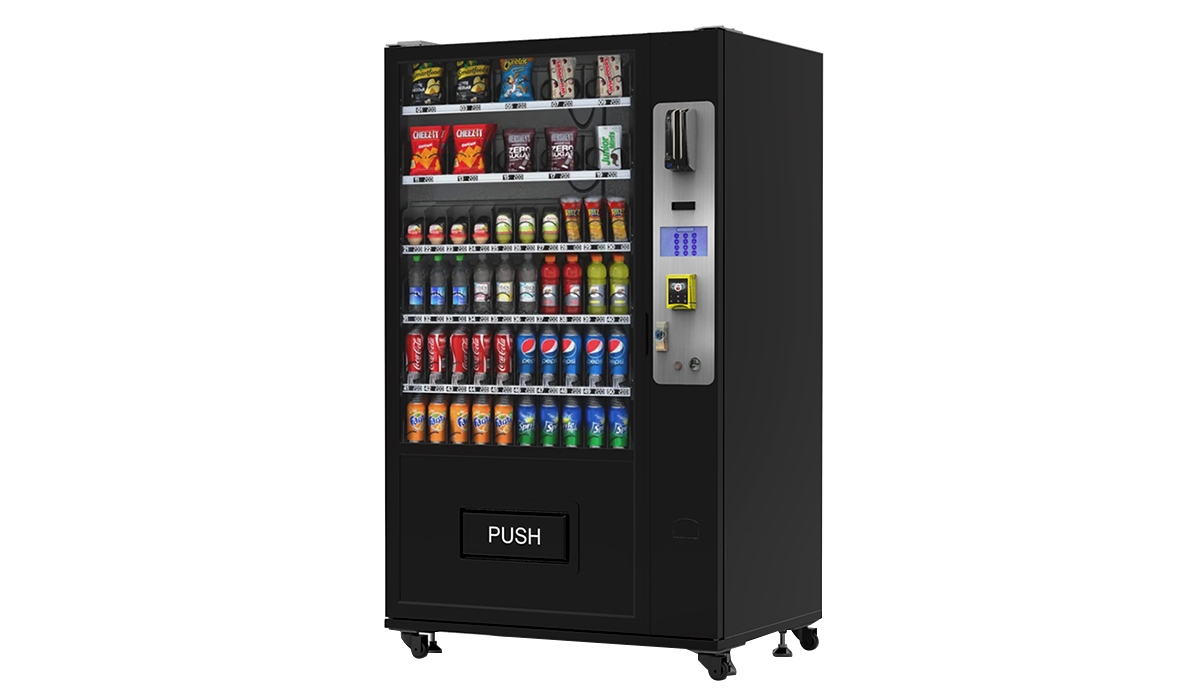
Airports, train stations, shopping malls, hospital lobbies, and large grocery stores are strong candidates. Avoid locations with low dwell time, such as subway platforms or bus stops. Always test the location before committing to a long-term lease.
What permits or licenses do I need?
Requirements vary by city and state. In the US, you typically need a business license and a sales tax permit. In the EU, you may need to register for VAT and comply with local consumer protection laws. Check with the local chamber of commerce or a business attorney before placing your first machine.
How do I choose a supplier?
Look for a manufacturer with at least three years in the market, a warranty on parts and labor, and remote management software. Ask for references from existing operators. I have had good results with Zhongda Smart for EU deployments due to their compliance with local standards and responsive support team.
What happens if the machine breaks down?
Most issues can be diagnosed remotely if the machine is connected. Common problems include card jams and payment terminal errors. Keep a list of local vending machine repair technicians. If you operate in a remote area, learn basic troubleshooting yourself or keep spare parts on hand.
How can I reduce restocking and maintenance costs?
Use sales data to optimize your inventory. Remove slow-moving card brands and increase stock of top sellers. Schedule restocking based on actual sales patterns, not a fixed calendar. Invest in a machine with reliable hardware to reduce repair frequency.
Final Thoughts from the Field
Gift card vending machines are not a get-rich-quick business. They require careful planning, honest evaluation of locations, and ongoing attention to maintenance and inventory. But for operators who do the homework, they offer a stable, low-touch revenue stream that complements traditional vending operations. The market in 2026 is more competitive than it was five years ago, but the demand is also higher. Consumers expect convenience, and a well-placed machine delivers exactly that.
If you are serious about entering this space, start small. Buy one machine, place it in a location you know well, and track every metric for at least three months. Use that data to decide whether to expand. Avoid the temptation to scale too fast. I have seen too many operators buy ten machines at once, only to realize that half of their locations were unprofitable. Slow, measured growth is the only strategy that works in the long run.
This article reflects my personal experience operating vending machines in the US and European markets since 2014. Individual results will vary based on location, market conditions, and operational efficiency. Always verify local regulations and consult a professional before making investment decisions.
Last updated: March 2026