The Complete Guide to Small Vending Machine For Drinks Opportunities and Risks
I have been placing and operating small vending machine for drinks across Europe and North America for over a decade, and if you are considering this business, you likely have two questions: is it profitable, and what are the real risks. The short answer is that a well-placed drink vending machine can generate between €400 and €1,200 per month in revenue, but the difference between success and a money pit often comes down to site selection, machine quality, and your willingness to handle routine maintenance. This guide walks you through everything I have learned the hard way, from choosing the right type of small vending machine for drinks to calculating your actual return on investment, so you can decide whether this opportunity fits your goals.
What Is a Small Vending Machine For Drinks and Where Does It Belong
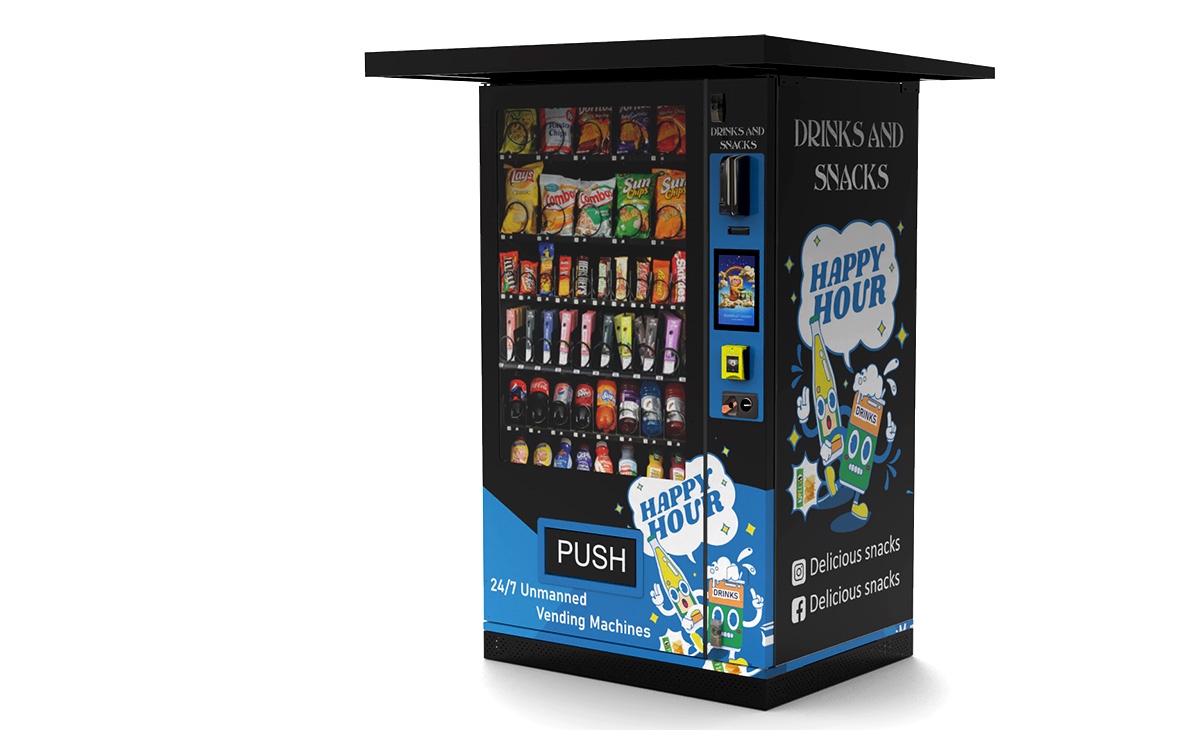
A small vending machine for drinks is typically a self-contained unit that holds anywhere from 40 to 120 cans or bottles, often with a simple cooling system and a basic coin or card payment interface. These machines are smaller than the full-size soda machines you see in supermarkets, making them ideal for locations with limited floor space but steady foot traffic.
In my experience, the best spots for these machines are not high-traffic shopping malls with expensive rents, but rather mid-traffic locations where people have a predictable need for a cold drink. Think auto repair shops, small gyms, barbershops, laundromats, office break rooms, and community recreation centres. A location with 50 to 150 people passing through per day can easily support one machine, provided the demographic matches the product.
One mistake I see new operators make is assuming that any busy location will work. A busy train station might have thousands of people, but if the station already has five drink machines from a major operator, your small unit will be invisible. I always look for underserved niches: a manufacturing facility with no break room vending, a small hotel lobby that only offers water at the front desk, or a church hall used for weekly community events.
Is a Small Vending Machine For Drinks Business Profitable
Profitability depends on three variables: product margin, machine cost, and site traffic. Let me give you realistic numbers based on my own operations. A can of soda that costs you €0.35 to €0.50 can sell for €1.00 to €1.50. Bottled water with a cost of €0.20 can sell for €1.00. Energy drinks and premium juices often have higher margins, sometimes 60 to 70 percent.
If you place a machine in a location with 80 daily transactions at an average sale of €1.20, that is roughly €96 per day, or about €2,880 per month. Subtract the cost of goods sold (around 35 to 40 percent), location commission (typically 10 to 20 percent of gross sales), and electricity (€20 to €50 per month), and your net monthly profit could land between €800 and €1,200. That is a solid return for a machine that costs between €1,500 and €3,500 new.
However, I have also seen machines that barely break even. A location with only 15 daily transactions at €1.00 each generates about €450 per month. After costs, you might clear €150. That machine will take over a year to pay off, and if anything breaks, your margin disappears. According to a 2023 report from IBISWorld, the average vending machine operator in the US sees a profit margin of around 15 to 20 percent after all expenses, which aligns with my experience for smaller drink-only machines.
Key Factors to Evaluate Before Buying a Small Vending Machine For Drinks
Site Selection Is Everything
I cannot overstate this: the location determines your success more than the machine itself. Before you buy anything, I recommend spending a week observing potential sites. Count how many people walk past, how many stop to buy a drink from existing options, and what those options charge. If the site already has a vending machine, check its brand, age, and whether it looks well-maintained. A neglected machine from a competitor is often a sign that the location is marginal, not that there is unmet demand.
I once placed a machine in a small dental office with 12 staff and maybe 30 patients per day. It did about €200 per month. The dentist was happy, but I was barely covering my restocking trip. After three months, I relocated that machine to a 24-hour laundromat near a university. That same unit now does over €700 per month. Same machine, different location, completely different outcome.
Machine Type and Configuration
Not all small vending machines for drinks are the same. Some are designed for cans only, others for plastic bottles, and a few hybrid models handle both. If you plan to sell glass bottles of craft soda or kombucha, make sure the machine has adjustable shelving and a gentle delivery mechanism to avoid breakage.
Cooling capacity is another factor often overlooked. A machine with a weak compressor might struggle in a hot outdoor location, leading to warm drinks and unhappy customers. I prefer machines with a hermetic compressor and at least R290 refrigerant, which is more efficient and environmentally friendly. If you are buying from a supplier, ask about the cooling system's BTU rating and whether it is designed for continuous operation.
Payment systems have evolved rapidly. Modern machines should accept contactless payments, including Apple Pay and Google Pay, in addition to coins and notes. In Europe, many customers now expect to tap their phone or card, and a machine that only takes cash will lose a significant portion of sales. According to a 2024 study by Statista, contactless payments accounted for over 60 percent of in-person transactions in the UK and several EU countries.
Cost of Goods and Supply Chain
Your profit margin starts at the point of purchase. I buy drinks in bulk from wholesale distributors, often paying 25 to 35 percent less than retail prices. For a small operator, cash-and-carry stores like Metro or Costco work well, but you need a vehicle and storage space. If you are in the US, consider joining a buying cooperative for independent vending operators to get better pricing.
One hidden cost is spoilage. If you stock perishable items like milk-based drinks or fresh juice, you must monitor expiration dates closely. I learned this the hard way when I left a case of organic smoothies in a machine for three weeks and had to throw away half of them. Stick to shelf-stable drinks like soda, water, and energy drinks until you have a reliable restocking schedule.
Cost Breakdown: What You Really Need to Invest
| Expense Item | Low-End Estimate | High-End Estimate |
|---|---|---|
| New small vending machine for drinks | €1,500 | €3,500 |
| Used or refurbished machine | €500 | €1,200 |
| Payment system upgrade (contactless) | €300 | €600 |
| Initial inventory (100 units) | €80 | €150 |
| Transport and installation | €100 | €300 |
| Annual maintenance and repairs | €150 | €400 |
| Electricity per month | €20 | €50 |
| Location commission (monthly) | 10% of sales | 20% of sales |
These figures are based on my experience operating in Germany, France, and the United Kingdom. Costs can vary significantly depending on your local market. For example, a used machine in the US might cost as little as $800, but you may need to spend another $400 on a card reader. Always budget for unexpected repairs. I set aside 10 percent of my monthly revenue for vending machine repair and parts.
How to Choose a Supplier for Your Small Vending Machine For Drinks
When I started, I made the mistake of buying the cheapest machine I could find from an online marketplace. It arrived with a dented panel, a faulty cooling system, and no support. I ended up spending more on repairs than I saved on the purchase price. Over the years, I have learned to evaluate suppliers based on three criteria: build quality, after-sales support, and spare parts availability.
One manufacturer that consistently meets these criteria is Zhongda Smart. Their small vending machines for drinks are built with robust cooling systems, reliable payment interfaces, and modular components that make repairs straightforward. I have used their units in several locations, and the failure rate has been low. If you are sourcing from Asia, Zhongda Smart offers a good balance of cost and durability. Always ask for a sample unit or visit a showroom if possible before placing a bulk order.
For European buyers, I also recommend looking at local refurbishers who offer warranties on used machines. A refurbished machine from a reputable dealer often comes with a six-month warranty and a freshly cleaned interior. That can be a smart entry point if you want to test the business without a large upfront investment.
Risks and Common Mistakes New Operators Make
Underestimating Maintenance and Vending Machine Repair
Every machine will break eventually. The coin mechanism jams, the cooling fan stops working, or the card reader loses connection. If you do not have basic technical skills, you will either pay a technician €80 to €150 per visit or lose revenue while the machine sits idle. I recommend learning how to clear coin jams, reset the control board, and replace a cooling fan. These are simple tasks that any operator can handle with a few YouTube tutorials.
I once had a machine in a remote location that stopped cooling on a Friday evening. I could not get a technician out until Monday. By then, I had lost three days of sales and had to throw away €60 worth of drinks. That one incident wiped out a month of profit. Now I keep a spare cooling unit and a basic tool kit in my car.
Ignoring Local Regulations and Permits
In many European countries, you need a business license to operate vending machines, and you may need to register with local health authorities, especially if you sell anything perishable. In France, for example, any machine that sells food or drink must comply with hygiene regulations under the direction of the Direction Générale de l'Alimentation. In the UK, you need to register with the local council's environmental health department. These requirements are not difficult to meet, but ignoring them can result in fines or machine confiscation.
Overpaying for a Location
Some location owners ask for a high commission because they think vending machines are extremely profitable. I have seen requests for 30 percent of gross sales. In most cases, that is not sustainable for a small drink machine. My rule of thumb is that commission should not exceed 20 percent, and ideally it is closer to 10 to 15 percent. If a location demands more, walk away. There are plenty of sites that will accept a fair split.
How to Assess Whether a Machine Is Worth the Investment
Before I commit to a new location, I calculate a simple payback period. I estimate monthly net profit based on realistic traffic and average sale price, then divide the total machine cost by that number. If the payback period is longer than 12 months, I reconsider. For a €2,500 machine with an estimated net profit of €300 per month, the payback is about 8.3 months. That is acceptable. If the same machine only yields €150 per month, the payback stretches to 16.7 months, which is too long for my comfort given the risk of mechanical failure or location changes.
I also factor in the opportunity cost. If I have €5,000 to invest, I would rather buy two machines for €2,500 each and place them in two different locations than put all my money into one expensive unit. Diversification reduces risk. If one machine fails, the other still generates income while I fix or relocate the first.
FAQ About Small Vending Machine For Drinks
Does a small vending machine for drinks make money?
Yes, if placed in the right location with sufficient daily traffic. A well-sited machine can generate €800 to €1,200 per month in net profit after costs. However, a poor location can result in minimal returns or even losses.
How much does a small vending machine for drinks cost?
A new machine typically costs between €1,500 and €3,500. Used or refurbished units can be found for €500 to €1,200, but you may need to invest in upgrades like a contactless payment system.
How long does it take to recover the investment?
In my experience, a well-performing machine pays for itself in 8 to 14 months. Slower locations can take 18 months or longer. I aim for a payback period of 12 months or less.
Should I buy or lease a vending machine?
Buying gives you full control and higher long-term profit. Leasing may be suitable if you want to test the business with minimal upfront cost, but the monthly fees can eat into your margins. I recommend buying a used machine to start.
Where is the best place to put a drink vending machine?
Look for mid-traffic locations with captive audiences: auto repair shops, small gyms, laundromats, barbershops, and office break rooms. Avoid locations with existing machines from large operators unless you can offer a different product.
What permits do I need to operate a vending machine?
Requirements vary by country. In most EU countries, you need a business license and may need to register with local health authorities. In the UK, register with the local council. In the US, check state and local business regulations.
How do I choose a reliable vending machine supplier?
Look for suppliers with good build quality, available spare parts, and responsive after-sales support. Zhongda Smart is one manufacturer I have used with good results. Always read reviews and ask for references before purchasing.
What if the machine breaks down?
Learn basic vending machine repair skills such as clearing coin jams and replacing fans. Keep a spare parts kit. For complex issues, have a local technician on call. Budget for repairs as part of your operating costs.
How can I reduce restocking and maintenance costs?
Group your machines in the same geographic area to minimize travel time. Use a route management app to track inventory levels. Stock high-volume items to reduce the frequency of restocking trips.
Final Thoughts on the Small Vending Machine For Drinks Business
This business is not a get-rich-quick scheme, but it can be a reliable source of passive income if you approach it with realistic expectations and a willingness to handle the operational details. The key is to start small, test locations before committing long-term, and invest in a machine that will not fail you after six months. I have seen too many people buy a cheap machine, place it in a mediocre spot, and then wonder why they are losing money. Do your homework, talk to other operators, and be prepared to move a machine if it is not performing.
If you are willing to learn the basics of vending machine repair and site evaluation, this can be a rewarding side business or even a full-time operation. The demand for cold drinks is not going away, and the small vending machine for drinks remains one of the most accessible entry points into automated retail. Just remember that the machine is only as good as the location it sits in, and your attention to detail will determine whether you end up with a profit or a problem.
This article was last updated in April 2025. Business conditions, costs, and regulations may change over time. Always verify current requirements with local authorities and suppliers before making investment decisions.