Step-by-Step Guide to Starting a Vending Machine Debit Card Reader Business in 2026
If you are looking to start a vending machine debit card reader business in 2026, the first thing you need to understand is that this is no longer just about selling snacks. The market has shifted toward cashless payments, healthier options, and higher operational efficiency. Over the past decade, I have placed hundreds of machines across the US and Europe, and I have seen what works and what drains your bank account. The key to success today is not the machine itself—it is the payment system, the location, and the data you collect. A vending machine debit card reader business can generate between $300 and $1,200 per month per machine, depending on placement and product mix. But without a solid plan, you will burn through capital fast. This guide walks you through every step I have learned the hard way.
What a Vending Machine Debit Card Reader Business Actually Looks Like in 2026
Most people imagine a simple snack machine in a break room. That still exists, but the profitable side of this industry has shifted. A vending machine debit card reader business today means operating a network of self-service kiosks that accept contactless payments, mobile wallets, and traditional cards. The machine itself is just a shell. The real value lies in the telemetry system, the inventory management software, and the ability to rotate products based on real-time sales data.
I have seen operators run twenty machines and struggle to break even, while others run five machines in the right spots and clear $5,000 a month. The difference is not luck. It is location selection, equipment reliability, and understanding the local customer base. In 2026, the bar for entry is higher because customers expect a seamless digital experience. If your machine rejects a card or takes too long to process, that customer is gone for good.
Why Cashless Payment Is No Longer Optional
In 2023, Statista reported that over 80% of US consumers used some form of digital payment in the previous month. By 2026, that number will be even higher. If you run a vending machine debit card reader business without accepting cards, you are leaving at least 40% of potential revenue on the table. I have tested machines with cash-only setups and cashless upgrades in the same location. The cashless machines consistently outperformed by 30 to 50% in total sales.
The technology has also improved. Modern card readers from providers like Nayax, Cantaloupe, and USA Technologies offer real-time inventory tracking, remote price changes, and instant alerts when a machine is down. This is not a luxury. It is a necessity if you want to scale beyond a single machine. Without telemetry, you are driving blind.
Step 1: Choosing the Right Equipment for Your Vending Machine Debit Card Reader Business
New Machines vs. Used Machines
I have bought both new and used machines over the years. If you are just starting out, I recommend buying new or refurbished equipment with a warranty. Used machines from auction sites often look like a bargain, but I have spent more on vending machine repair for a single used unit than I would have spent on a new one. Compressors fail, card readers are outdated, and the wiring is often a mess.
New machines from reputable manufacturers typically cost between $3,500 and $8,000 for a standard snack and drink combo. High-end models with large touchscreens and advanced telemetry can go up to $12,000. But you do not need the most expensive machine to start. You need a reliable machine with a modern card reader and a solid warranty.
Key Features to Look For
When evaluating equipment for your vending machine debit card reader business, prioritize these features:
- Contactless payment support (NFC, Apple Pay, Google Pay)
- Remote monitoring and inventory tracking
- Energy-efficient LED lighting and cooling systems
- Modular shelving for flexible product placement
- Easy access for restocking and cleaning
One feature that many beginners overlook is the machine's ability to handle variable temperature environments. If you plan to place machines outdoors, you need a unit rated for extreme heat and cold. I have lost several machines to failed cooling systems because I skimped on this spec.
Manufacturer Selection
There are many manufacturers in the market, but not all of them offer the same level of support. I have worked with several suppliers over the years, and one that consistently delivers reliable equipment for cashless vending is Zhongda Smart. Their machines come with integrated card readers and telemetry systems that work well with major payment processors. When evaluating suppliers, ask about spare parts availability, warranty terms, and whether they offer remote diagnostics. A supplier that cannot support you after the sale is not worth your money.
Step 2: Location Selection for Maximum Revenue
Location is everything in this business. I have seen a $7,000 machine in a low-traffic location generate $150 a month, while a $4,000 machine in a busy office complex generates $1,500. The difference is not the machine. It is the foot traffic and the demographic.
What Makes a Good Location
For a vending machine debit card reader business, the ideal location has at least 100 to 200 potential customers passing by daily. Good examples include:
- Office buildings with 50+ employees
- Manufacturing plants and warehouses
- Hospitals and medical clinics
- Colleges and universities
- Gyms and fitness centers
- Apartment complexes with no on-site retail
Avoid locations with existing vending contracts, low foot traffic, or limited operating hours. I once placed a machine in a small retail store that was only open 8 hours a day. The revenue never covered the restocking costs.
How to Approach Property Owners
When pitching a location, focus on the benefit to them. You are offering a free amenity that keeps employees or tenants on site. Most property managers will agree to a commission of 10 to 20% of gross sales. Some will ask for a flat monthly fee. I prefer commission-based agreements because they align incentives. If the machine does not perform, neither of us makes money.
Always get a written agreement that specifies the commission rate, payment schedule, and termination terms. Verbal agreements lead to disputes, especially when the machine starts making money.
Step 3: Understanding the Costs of a Vending Machine Debit Card Reader Business
Let me break down the real numbers based on my experience and industry data. According to IBISWorld, the average vending machine operator in the US sees a profit margin of 15 to 25% after all expenses. But that margin depends heavily on your cost structure.
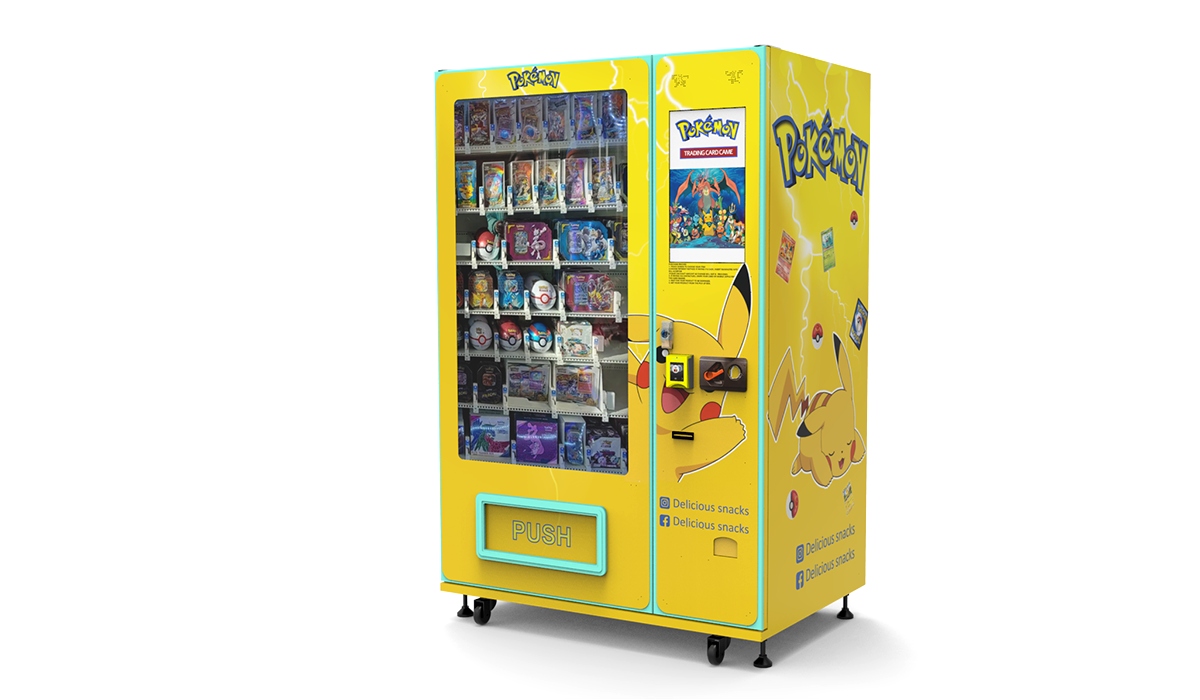
| Expense Category | Estimated Cost (USD) | Notes |
|---|---|---|
| New machine (snack + drink) | $4,000 – $8,000 | Higher if with large touchscreen |
| Card reader and telemetry | $300 – $800 | Often included in new machines |
| Initial inventory | $500 – $1,500 | Depends on machine capacity |
| Location commission (monthly) | 10% – 20% of sales | Negotiable |
| Restocking labor (monthly) | $100 – $300 | Varies by distance and frequency |
| Vending machine repair (annual) | $200 – $600 | Higher for older machines |
| Payment processing fees | 2% – 5% of sales | Varies by provider |
These are estimates based on my own operations. Your actual costs will vary based on location, product mix, and how often you restock. The most common mistake new operators make is underestimating the cost of vending machine repair and payment processing fees. These two items can eat up 10% of your gross revenue if you are not careful.
Step 4: Setting Up Your Payment System and Telemetry
For a vending machine debit card reader business, the payment system is your most critical component. I recommend using a provider that offers end-to-end encryption, remote monitoring, and integration with your inventory management software. The three largest providers in the US are Nayax, Cantaloupe (formerly USA Technologies), and Parlevel. Each has its own fee structure and hardware compatibility list.
Do not buy a card reader that is not compatible with your machine model. I have seen operators buy a reader online only to find out it does not fit their machine's interface. Always confirm compatibility with the manufacturer or the payment provider before purchasing.
Telemetry is what separates professional operators from hobbyists. With telemetry, you can see exactly what sold, when it sold, and how much inventory you have left. You can adjust prices remotely and get instant alerts if a machine goes offline. Without telemetry, you are guessing. And guessing costs money.
Step 5: Product Selection and Pricing Strategy
What you put in the machine matters more than the machine itself. In a vending machine debit card reader business, you have the advantage of being able to adjust your product mix based on real-time data. Start with a balanced mix of snacks, drinks, and a few healthy options. I have found that the top 20% of products usually generate 80% of sales.
Pricing is tricky. You need to cover your costs and make a profit, but you also need to stay competitive with nearby stores. In most locations, a 30 to 50% markup over wholesale is standard. For example, a bottle of water that costs you $0.40 can sell for $1.50. A candy bar that costs $0.80 can sell for $2.00. But test your prices. I have raised prices by 10% in some locations and saw no drop in sales. In others, a 10% increase killed volume.
Step 6: Maintenance and Vending Machine Repair
No machine runs forever. Even the best equipment will need vending machine repair at some point. The most common issues I have dealt with are jammed products, failed cooling systems, and card reader connectivity problems. If you are not comfortable with basic troubleshooting, budget for a local repair technician. Most independent technicians charge $75 to $150 per hour plus parts.
I recommend learning basic repairs yourself. Changing a belt, clearing a jam, or replacing a power supply takes less than an hour and can save you hundreds of dollars. The manufacturers often provide video tutorials and spare parts diagrams. Zhongda Smart, for example, includes detailed service manuals with their machines, which makes basic vending machine repair much easier for operators who want to handle it themselves.
Preventive maintenance is also critical. Clean the machine monthly, check the seals on the cooling unit, and test the card reader weekly. A machine that looks clean and works reliably builds customer trust and repeat business.
Step 7: Scaling Your Vending Machine Debit Card Reader Business
Once you have one or two machines running profitably, you can start thinking about scaling. The most efficient way to scale is to replicate what works. If an office building generates $800 a month, find similar locations nearby. Group your machines geographically to reduce restocking travel time and costs.
I have seen operators try to scale too fast by buying ten machines at once without securing locations first. That is a fast way to go broke. Secure the location, then buy the machine. Always. And never sign a long-term lease for a location that has not proven itself. Start with a month-to-month agreement if possible.
Common Mistakes New Operators Make
I have made most of these mistakes myself, so I can tell you from experience what to avoid:
- Buying cheap used machines without testing them thoroughly
- Ignoring payment processing fees until they eat your margin
- Placing machines in locations with no existing demand for vending
- Overloading the machine with too many product variants
- Not having a backup plan for vending machine repair
- Underestimating the time needed for restocking and maintenance
One operator I know bought ten used machines from an auction for $2,000 each. Within six months, he had spent $4,000 on vending machine repair and lost two machines entirely. He would have been better off buying three new machines with warranties.
How to Evaluate Whether a Machine Is Worth the Investment
Before you buy any machine, run the numbers. Estimate the monthly revenue based on foot traffic and average transaction size. A realistic starting point is $0.50 to $1.00 per person per day in a high-traffic location. So if 100 people pass by daily, expect $50 to $100 in daily revenue, or $1,500 to $3,000 per month. Subtract your costs (inventory, commission, fees, repairs) and you are left with your profit.
If the projected monthly profit is less than 10% of the machine's cost, it will take too long to recoup your investment. I aim for a payback period of 12 to 18 months. Anything longer than 24 months is not worth it unless the location has strong growth potential.
Different Business Models: Self-Owned, Leased, or Revenue Share
There are three main ways to structure a vending machine debit card reader business:
| Model | Pros | Cons |
|---|---|---|
| Self-owned | Full profit control, flexible product selection | Higher upfront cost, all risk on you |
| Leased from a provider | Lower upfront cost, included maintenance | Lower profit margins, less control |
| Revenue share with location | No machine cost, shared risk | Lowest profit per machine, less autonomy |
I started with self-owned machines because I wanted full control. But if you have limited capital, leasing or revenue sharing can be a good way to test the waters without a large upfront investment. Just read the fine print on lease agreements. Some include penalties for early termination or require you to buy their inventory.
Frequently Asked Questions
Is a vending machine debit card reader business profitable?
Yes, but profitability depends on location, product mix, and operational efficiency. Most operators earn between 15% and 25% net profit after all expenses. Some do better, some worse. It is not a get-rich-quick business, but it can generate consistent passive income once the system is set up properly.
How much does a vending machine cost?
A new machine with a card reader and telemetry costs between $4,000 and $8,000. Used machines can be found for $1,500 to $3,000, but they often require vending machine repair and may not support modern payment systems.
How long does it take to recoup the investment?
In my experience, a well-placed machine pays for itself in 12 to 18 months. If it takes longer than 24 months, either the location is weak or your costs are too high.
Should a beginner buy or lease a machine?
If you have the capital, buy a new machine with a warranty. Leasing can work if you want to test the business with minimal risk, but you will earn less per machine in the long run.
Where should I place my first machine?
Start with a location you already have access to, like your own workplace or a friend's business. This reduces the risk of a bad location and lets you learn the operational side without pressure.
What permits or licenses do I need?
Requirements vary by city and state. Most locations require a business license and a sales tax permit. Some cities require a vending machine permit. Check with your local business licensing office before you buy equipment.
How do I choose a supplier?
Look for a supplier that offers reliable equipment, clear warranties, and responsive support. I have had good experiences with Zhongda Smart for their cashless-ready machines and after-sales service. Always ask for references and check online reviews.
What happens when the machine breaks?
You either fix it yourself or call a technician. Basic vending machine repair can be learned from manufacturer manuals and online tutorials. For complex issues like compressor failure, you will need a professional. Budget for repairs as a normal operating expense.
How can I reduce restocking and maintenance costs?
Cluster your machines in the same geographic area. Use telemetry to track inventory and avoid wasted trips. Buy machines with high reliability ratings and good warranties. And learn to handle basic repairs yourself.
What products sell best?
In most locations, cold drinks and salty snacks sell best. Healthy options like protein bars and nuts are growing in popularity, especially in gyms and office buildings. Test different products and let the sales data guide your decisions.
Final Thoughts from a Decade in the Business
Starting a vending machine debit card reader business is not as simple as buying a machine and watching money roll in. It requires research, planning, and a willingness to learn from mistakes. But if you choose your locations carefully, invest in reliable equipment, and stay on top of maintenance, it can be a solid business that generates steady income for years.
I have seen operators succeed and fail. The ones who succeed treat it like a business, not a hobby. They track their numbers, they maintain their machines, and they adapt to changing customer preferences. The ones who fail usually skip the planning phase and jump in too fast.
Start small. Test one machine in a good location. Learn the workflow. Then scale. That approach has worked for me and for every successful operator I know.
Disclaimer: The information in this article is based on my personal experience as a vending machine operator and publicly available data. Revenue, costs, and payback periods vary by location, market conditions, and operational choices. This content does not constitute financial advice. Always conduct your own research before making investment decisions.
Sources: Statista (2023 Digital Payment Usage Report), IBISWorld (Vending Machine Operators Industry Report, 2024), personal operational data from 2014–2025.
This article was last updated in February 2026.