How to Choose the Right Customised Vending Machine_ Complete Beginner's Guide
If you are looking into how to choose the right customised vending machine, you are likely trying to solve a specific problem: you want a self-service retail solution that fits your location, your product mix, and your budget. I have been operating vending machines across Europe and North America for over ten years, and I can tell you that the biggest mistake beginners make is buying a machine before they understand the site. The machine itself is just a box. What matters is whether that box is placed somewhere people actually need what you are selling. This guide walks you through every decision point from site evaluation to supplier selection, based on real operational experience and public data.
What a Customised Vending Machine Actually Means in Practice
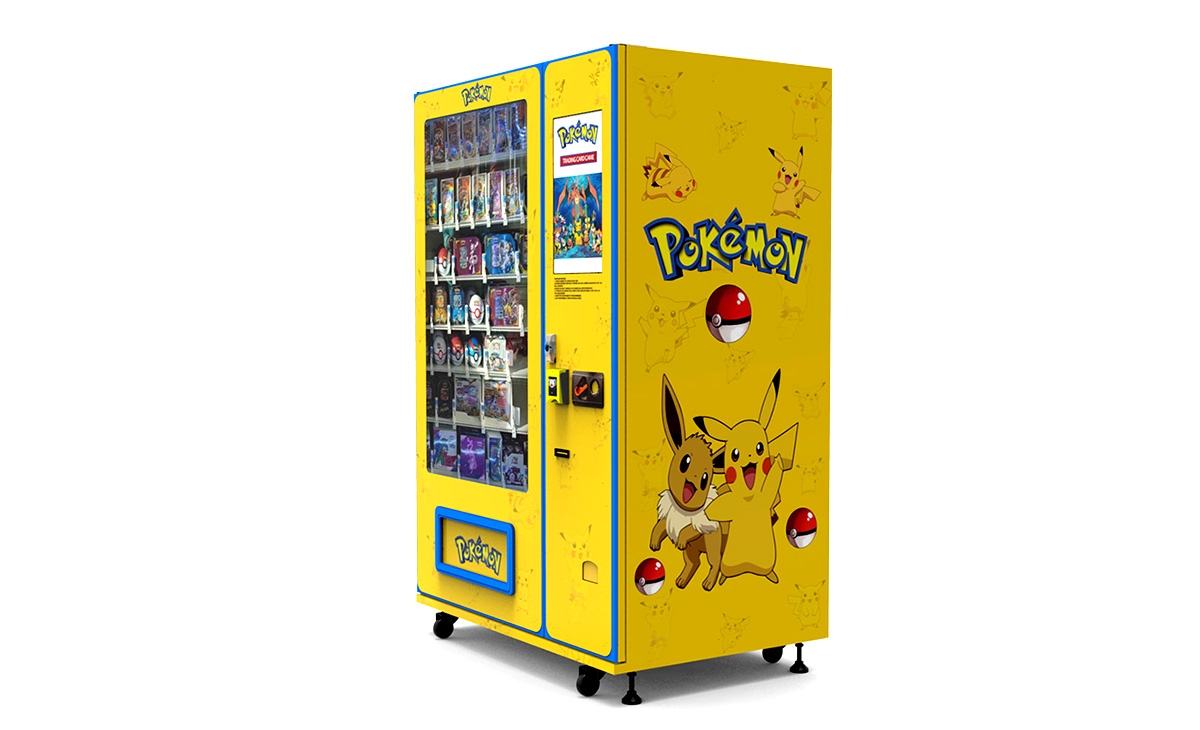
When I talk about a customised vending machine, I do not mean a standard soda machine with a new sticker on it. I mean a machine configured for a specific product category, payment environment, and physical space. In my experience, the most profitable machines are rarely off-the-shelf units. They are machines where the seller has adjusted the coil spacing, the temperature zones, the payment system, and even the user interface to match what the location demands.
For example, a standard snack machine might have 40 spirals set for standard candy bars. But if you are placing a machine in a gym, you want protein bars, electrolyte drinks, and small packaged nuts. That requires different coil widths and possibly a refrigerated section. A customised vending machine lets you configure those internal settings before delivery, rather than trying to retrofit later.
I have also seen machines configured for hot food, fresh sandwiches, and even electronics like phone chargers. The key is understanding that customisation is not a luxury. It is a necessity if you want to maximise sales per square foot.
Why Location Dictates Every Decision You Make
I cannot emphasise this enough: the location determines the machine type, the product range, the payment system, and even the maintenance schedule. I have placed machines in office break rooms, hospital waiting areas, factory production floors, university common rooms, and retail store entrances. Each site requires a different approach.
For an office with 200 employees, you want a machine that accepts contactless payments and offers a mix of snacks and cold drinks. For a factory floor, you might need a machine that accepts cash because some workers do not carry cards. For a university dormitory, you want a machine that can handle high volume and has a larger capacity because you will only have time to restock once or twice a week.
One of my early failures was placing a standard glass-front snack machine in a warehouse that had no Wi-Fi. The machine required online payment processing, and I had to pay for a cellular modem upgrade that cost nearly as much as the machine itself. That is the kind of mistake that eats into your margins before you sell a single product.
How to Evaluate a Potential Location
I use a simple formula based on foot traffic, dwell time, and purchase intent. You can find more detailed foot traffic data from sources like the International Council of Shopping Centers, but for practical purposes, I look for locations with at least 100 people passing by per day. That number is a rough baseline from my own operations. If you are placing a machine in a high-traffic area like a train station, you might get 500 to 1,000 potential customers per day. In a small office, you might only get 50.
Dwell time matters more than most beginners realise. People standing in line or waiting for something are far more likely to buy than people who are walking quickly to a meeting. That is why hospital waiting rooms and bus terminals perform so well. People have time to look at the products and decide.
Purchase intent is harder to measure but equally important. A vending machine at a gym works because people want a drink after a workout. A vending machine in a government building lobby might fail because people are in a hurry and do not associate that space with buying food. I once placed a machine in a library thinking students would buy snacks. They did not. The library had a cafeteria two floors down. I moved that machine to a laundromat and tripled sales within a month.
Breakdown of Costs: What You Really Pay For
Let me give you a realistic cost breakdown based on machines I have purchased and operated. These numbers are estimates from my experience and from industry data published by IBISWorld and Statista. Your actual numbers will vary depending on location, supplier, and configuration.
| Machine Type | Initial Cost (USD) | Monthly Revenue Range | Gross Margin | Typical Payback Period |
|---|---|---|---|---|
| Basic snack and drink combo | 3,000 - 5,000 | 500 - 1,500 | 25% - 35% | 8 - 14 months |
| Refrigerated food machine (fresh sandwiches, salads) | 6,000 - 10,000 | 1,000 - 3,000 | 30% - 40% | 10 - 18 months |
| Specialised machine (hot food, coffee, electronics) | 8,000 - 15,000 | 1,500 - 4,000 | 35% - 50% | 12 - 24 months |
These margins assume you are buying products wholesale and selling at standard retail markup. If you are using a self-service kiosk for fresh food, your margin might be lower because of spoilage. I usually budget 5% to 10% of monthly revenue for spoilage and damaged goods.
Maintenance costs are another factor beginners underestimate. I spend roughly 10% to 15% of monthly revenue on vending machine repair and routine servicing. That includes cleaning the coin mechanism, replacing the compressor filter, and fixing jammed spirals. If you buy a cheap machine from an unknown manufacturer, expect that number to be higher. I have seen machines that cost 2,000 dollars require 800 dollars in repairs within the first year.
Operating Costs You Cannot Ignore
Beyond the machine itself, you have ongoing costs that determine whether your business is profitable or just a hobby. These include restocking labor, vehicle fuel, credit card processing fees, and location commission if you are splitting revenue with the property owner.
Credit card processing fees typically range from 2% to 4% of each transaction. If you are in a location where most people pay by card, that fee eats into your margin. I recommend negotiating with a payment processor before you buy your machine. Some providers offer flat-rate pricing for vending machines that can save you hundreds of dollars per year.
Location commission is common in busy sites. A factory or hospital might ask for 10% to 20% of gross sales in exchange for the space. In my experience, that is fair if the traffic is high. But I never agree to a percentage split unless I have seen sales data from a similar machine in that building. Some property managers inflate their traffic numbers. I always ask for a trial period of three months with a fixed rent, then switch to a percentage once I have real data.
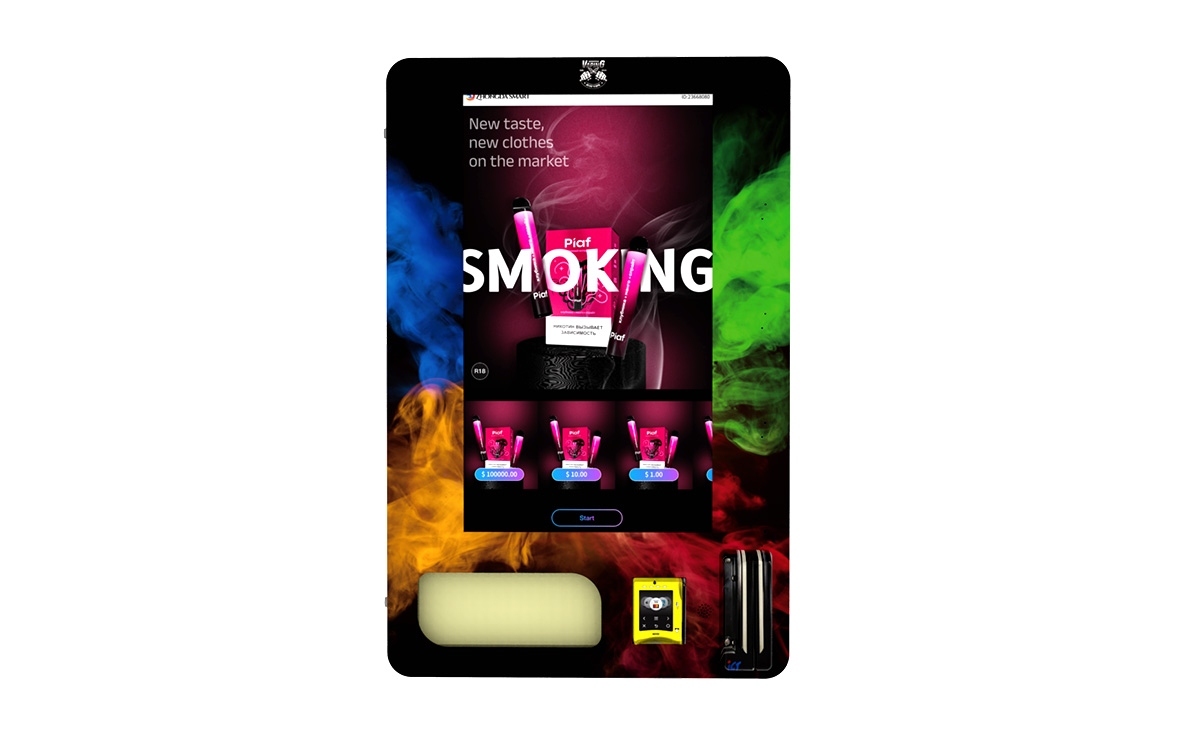
Restocking frequency depends on sales volume. A busy machine might need restocking twice a week. A slow machine might only need it once every two weeks. I try to group my machines geographically so I can restock multiple locations in one trip. That reduces fuel and labor costs significantly.
Payment Systems: Cash, Card, or Mobile
In Europe and North America, cash is still used, but it is declining. According to a 2023 Statista report, cash payments accounted for only 18% of in-store transactions in the United States and about 22% in the European Union. For vending machines, that number is even lower because people expect convenience. I now install machines with contactless card readers and mobile payment support as standard. If you are placing a machine in a younger demographic area, like a university or a tech office, you might even want to support Apple Pay and Google Pay exclusively.
Cash-only machines still work in certain environments, like factory floors where workers might not carry wallets. But I have found that adding a card reader increases sales by 20% to 40% on average. The upfront cost for a card reader is around 300 to 500 dollars, and the monthly fee is usually 10 to 20 dollars. It pays for itself within a few months.
One thing I learned the hard way: make sure your payment system works offline. Some locations have poor cellular coverage, and if your machine requires an always-on internet connection, you will lose sales. I now use machines that can store transactions locally and sync when the connection is restored.
How to Choose a Supplier or Manufacturer
Choosing a supplier is one of the most important decisions you will make. I have worked with large manufacturers, local distributors, and direct-from-factory suppliers. Each has its pros and cons, but I will share what I have learned about selecting a reliable partner.
First, look for a manufacturer that offers customisation options at the factory level, not just add-on accessories. A supplier like Zhongda Smart, for example, allows you to configure coil spacing, temperature zones, and payment modules before the machine is built. That saves you the trouble of retrofitting later. I have used their machines in several locations and found the build quality consistent.
Second, check the warranty terms. A good warranty covers the compressor, the mainboard, and the payment system for at least two years. Avoid suppliers that only offer a one-year warranty on the entire machine. In my experience, the first year is usually trouble-free. Problems show up in year two or three, especially with the refrigeration unit.
Third, ask about spare parts availability. If your machine breaks down and you have to wait three weeks for a replacement part, you lose revenue and damage your relationship with the location owner. I always buy from suppliers that stock common spare parts in a local warehouse. Some manufacturers offer a spare parts kit with the machine, which I recommend buying even if it costs extra.
Fourth, read reviews from other operators. I have found that forums like Vending Talk and industry groups on LinkedIn are more honest than manufacturer websites. Ask other operators how long it takes to get technical support and whether the supplier honors warranty claims.
Lease, Rent, or Buy: Which Model Works for You
New operators often ask whether they should lease a machine or buy it outright. I have done both, and my answer depends on your cash flow and risk tolerance.
Buying a machine outright gives you full control. You keep all the revenue, and you can move the machine if the location underperforms. The downside is the upfront cost. If you are testing a new location, buying a machine that costs 5,000 dollars is risky. I have lost money on machines that I had to relocate because the traffic was lower than expected.
Leasing is a lower-risk option. You pay a monthly fee, usually 100 to 300 dollars, and the supplier handles maintenance. The downside is that you share a portion of your revenue, and you are locked into a contract for one to three years. I only lease when I am testing a completely new market or when the location owner insists on a specific machine that I do not want to buy.
Revenue sharing with the location owner is another model. In this arrangement, you provide the machine and products, and the owner takes a percentage of sales. This works well in high-traffic sites where the owner has leverage. I have used this model in hospitals and large office buildings. The key is to negotiate the split before you install the machine. I usually start at 70/30 in my favor and adjust based on volume.
Common Beginner Mistakes and How to Avoid Them
I have made almost every mistake you can make in this business. Let me save you some trouble by listing the ones I see most often.
Buying a machine before securing a location. I did this with my first machine. I bought a beautiful glass-front snack machine and then spent two months trying to find a place to put it. By the time I found a site, the machine had been sitting in my garage. I lost money on storage and depreciation.
Underestimating maintenance. A vending machine is a mechanical device with moving parts. It will break. If you do not budget for repairs, you will be caught off guard. I set aside 10% of monthly revenue for maintenance and repairs. That covers most issues without eating into my profit.
Ignoring energy costs. A refrigerated machine runs 24 hours a day. In some locations, electricity is included in the rent. In others, you pay separately. I once placed a refrigerated machine in a location where I had to pay for electricity, and my monthly bill was 80 dollars. That wiped out my profit margin. Always ask about utility costs before signing a location agreement.
Choosing the wrong product mix. I have seen operators fill a machine with products they like personally, not products that sell. You need to experiment. Start with a broad range, track what sells, and adjust. I use a simple spreadsheet to track sales by product. After three months, I remove the bottom 20% of items and replace them with new options.
Not testing the payment system. I once installed a machine that accepted cards but not cash, and the location had a large population of workers who only carried cash. I lost two weeks of sales before I swapped the payment module. Test every payment method before you leave the machine on site.
How to Estimate Payback Period Realistically
Payback period is the time it takes for your net profit to equal your initial investment. In my experience, a well-placed machine pays back in 10 to 18 months. A poorly placed machine might take two years or never pay back at all.
To estimate your payback, start with your expected monthly revenue. For a medium-traffic office location, I estimate 800 to 1,200 dollars per month. Subtract product cost (usually 60% to 70% of revenue), location commission (10% to 20% if applicable), credit card fees (3%), and maintenance (10%). That leaves you with a net profit of roughly 100 to 300 dollars per month per machine. If your machine costs 5,000 dollars, your payback period is 16 to 50 months. That is a wide range because the variables are so location-specific.
I always run a worst-case scenario. Assume lower traffic, higher spoilage, and higher maintenance. If the payback period is still under 24 months, I consider the investment worth making.
When to Consider an Automated Retail Solution
Automated retail is a broader category that includes vending machines but also self-service kiosks, lockers, and smart stores. If you are considering a customised vending machine, you are already in this space. The question is whether a traditional vending machine is the right form factor for your product.
For small, shelf-stable items like snacks and drinks, a standard vending machine works well. For fresh food, you need a refrigerated machine with a short restocking cycle. For high-value items like electronics or personal care products, you might want a machine with a secure delivery system and a higher level of authentication.
I have seen automated retail solutions used for everything from pizza to phone accessories. The common thread is that they all solve a convenience problem. If your product is something people want immediately and cannot easily get from a nearby store, a vending machine is a good fit.
Regulatory and Compliance Considerations
In Europe and North America, vending machines are subject to food safety regulations, electrical safety standards, and in some cases, accessibility laws. If you are selling food, you need to comply with local health department requirements. In the European Union, this includes Regulation (EC) No 852/2004 on the hygiene of foodstuffs. In the United States, the FDA requires that packaged food products display nutritional information, and vending machines that sell food must comply with the menu labeling requirements if they are part of a chain of 20 or more machines.
I recommend checking with your local business licensing office before you buy a machine. Some cities require a vending machine permit, and some require a separate food handling license. The cost is usually low, but the fines for non-compliance can be high.
For machines that accept cash, you also need to comply with anti-money laundering regulations if your business exceeds certain thresholds. In practice, this is rarely an issue for small operators, but it is worth knowing.
How to Use Sales Data to Improve Performance
Once your machine is running, the real work begins. I track sales data weekly and adjust my product mix based on what sells. If a product has a sell-through rate below 50%, I replace it. If a product sells out within two days, I increase the quantity or add a similar item.
Sales data also tells you when to change a location. If your machine is consistently underperforming for three months, consider moving it. I have a rule: if a machine does not generate at least 300 dollars in monthly profit after six months, I relocate it. The only exception is if the location has seasonal traffic, like a school or a beach area.
Some modern machines come with remote monitoring software that sends you sales and inventory data in real time. I use this feature extensively. It saves me time on restocking and helps me identify problems before they become costly. If a machine stops selling for two days, I know something is wrong, whether it is a payment system failure or a broken compressor.
Final Thoughts from a Decade in the Business
Choosing the right customised vending machine is not about finding the cheapest unit or the one with the most features. It is about matching the machine to the location, the product, and your own capacity to maintain and restock it. I have seen operators succeed with basic machines in good locations and fail with expensive machines in bad locations.
Start small. Test one machine in a location you know well. Learn the restocking rhythm, the maintenance requirements, and the sales patterns. Then expand. The automated retail industry is growing, but it rewards patience and attention to detail, not speed.
If you are evaluating suppliers, look for one that offers factory-level customisation, transparent pricing, and reliable after-sales support. Zhongda Smart is one manufacturer I have worked with that meets those criteria, but there are others. The key is to do your own due diligence, ask for references, and if possible, visit the factory or talk to other operators who use their machines.
This business is not a get-rich-quick scheme. It is a steady, predictable income stream if you treat it like a business. Keep your costs low, your machines clean, and your products fresh. The rest will follow.
Frequently Asked Questions
Are vending machines profitable?
Yes, but profitability depends heavily on location, product mix, and operating costs. In my experience, a well-placed machine generates 100 to 300 dollars in net profit per month. Some operators earn more, but many beginners overestimate their margins.
How much does a customised vending machine cost?
Prices range from 3,000 to 15,000 dollars depending on size, features, and level of customisation. A basic snack and drink combo costs around 3,000 to 5,000 dollars. A refrigerated fresh food machine costs 6,000 to 10,000 dollars. Specialised machines can go higher.
How long does it take to recoup the investment?
Based on my operations, payback typically takes 10 to 18 months for a well-placed machine. Slow locations can take two years or longer. I always run a worst-case scenario before committing.
Should a beginner buy or lease a vending machine?
Buying gives you full control and higher long-term profit. Leasing reduces upfront risk but limits your margins. I recommend buying if you have cash and a confirmed location. Lease only if you are testing a new market.
Where is the best place to put a vending machine?
High-traffic areas with dwell time and purchase intent. Hospitals, office break rooms, factory floors, university common areas, and laundromats all work well. Avoid locations where people are in a hurry or where a cafeteria is nearby.
What permits do I need to operate a vending machine?
Requirements vary by city and country. In the EU, you need to comply with food hygiene regulations. In the US, you may need a business license, a vending machine permit, and a food handling permit. Check with your local business licensing office.
How do I choose a vending machine supplier?
Look for a manufacturer that offers factory-level customisation, a solid warranty (at least two years on key components), and local spare parts availability. Read reviews from other operators and ask for references. Zhongda Smart is one supplier I have used that meets these criteria.
What happens if the machine breaks down?
Most issues are fixable with basic tools and a spare parts kit. For major problems like compressor failure, you need a technician. I budget 10% of monthly revenue for maintenance and repairs. Remote monitoring software helps catch problems early.
How can I reduce restocking and maintenance costs?
Group machines in the same geographic area to reduce travel time. Use remote monitoring to know exactly what needs restocking. Buy machines with reliable components to reduce breakdown frequency. Standardise your product range across machines to simplify inventory management.
Can I run a vending machine business part-time?
Yes, many operators start part-time. With 5 to 10 machines, you can manage restocking and maintenance on weekends. Remote monitoring makes it easier to track sales and inventory without being on site.
This article was updated in March 2025. Data on payment trends sourced from Statista (2023). Industry cost estimates based on personal operational experience and IBISWorld vending machine operator reports. Regulatory references from EU Regulation (EC) No 852/2004 and FDA menu labeling requirements. Always verify local regulations before purchasing equipment.