Top Things You Should Know About Sandwich Machines Vending in 2026
If you are looking into sandwich machines vending in 2026, you are probably trying to figure out whether this business still makes sense after the pandemic shifts in work habits and food retail. I have been placing, servicing, and pulling machines out of bad locations for over a decade in the US and Europe, and I can tell you this: the market for fresh food vending is not dead, but it has changed. The old model of stuffing a machine with pre-packaged sandwiches and hoping for office traffic is gone. Today, success depends on machine reliability, real-time inventory tracking, proper refrigeration, and choosing locations where people actually need a quick meal. In this article, I will walk you through what I have learned about equipment selection, site evaluation, operating costs, and common pitfalls so you can decide if sandwich machines vending is the right move for you in 2026.
What Has Changed in Sandwich Vending by 2026
The vending industry has always been slow to adopt new technology, but the last few years forced changes. Contactless payment went from a nice feature to a baseline requirement. Remote monitoring, once a luxury add-on, is now standard on any machine worth buying. In 2026, if you cannot check your machine's temperature, inventory levels, and sales data from your phone, you are operating blind.
Another shift is consumer expectation around food quality. People will not buy a sandwich from a machine that looks dirty or has a flickering fluorescent light. They also expect a decent shelf life. In Europe, regulations around food safety in vending have tightened, and in the US, liability concerns are pushing operators toward machines with better temperature control and automatic date-checking features.
From my experience, the operators who survive are the ones who treat each machine like a mini retail store, not a coin-operated box. That means cleaning it regularly, rotating stock, and pulling items that do not sell within a day or two.
Understanding the Equipment: What to Look for in a Sandwich Machine
Not all vending machines are built the same. A machine designed for chips and candy bars will fail if you try to sell fresh sandwiches in it. You need specific hardware for fresh food vending.
Refrigeration and Temperature Control
A sandwich machine must maintain a consistent temperature between 34°F and 40°F (1°C to 4°C). If the temperature fluctuates, you risk spoilage, customer complaints, and potential health code violations. I have seen operators buy cheap converted machines that could not hold temperature on a hot summer day. Within three months, they had thrown away more product than they sold.
Look for machines with forced-air refrigeration and digital temperature sensors. Some modern units also have remote alerts that notify you if the temperature drifts outside the safe zone. This feature alone can save you thousands in lost inventory.
Spiral vs. Tray Systems
Most sandwich vending machines use either spiral coils or tray-based delivery systems. Spirals are more common and generally more reliable for packaged items. Tray systems are better for irregularly shaped containers or items with different sizes. The trade-off is that tray systems tend to be more expensive and harder to repair.
If you plan to sell a mix of sandwiches, salads, wraps, and fruit cups, a tray system might be worth the extra cost. But if you are sticking to uniform packaged sandwiches, a good spiral machine will do the job.
Payment Systems in 2026
Cash-only machines are nearly extinct in developed markets. By 2026, most consumers expect to tap their phone or card. Make sure the machine supports NFC payments (Apple Pay, Google Pay), credit cards, and ideally a mobile app option. Some newer machines also accept QR code payments, which are popular in parts of Europe.
Do not overlook the importance of a reliable card reader. A machine that rejects cards will lose at least 30% of potential sales, based on what I have seen across my own routes.
Site Selection: Where to Place a Sandwich Vending Machine
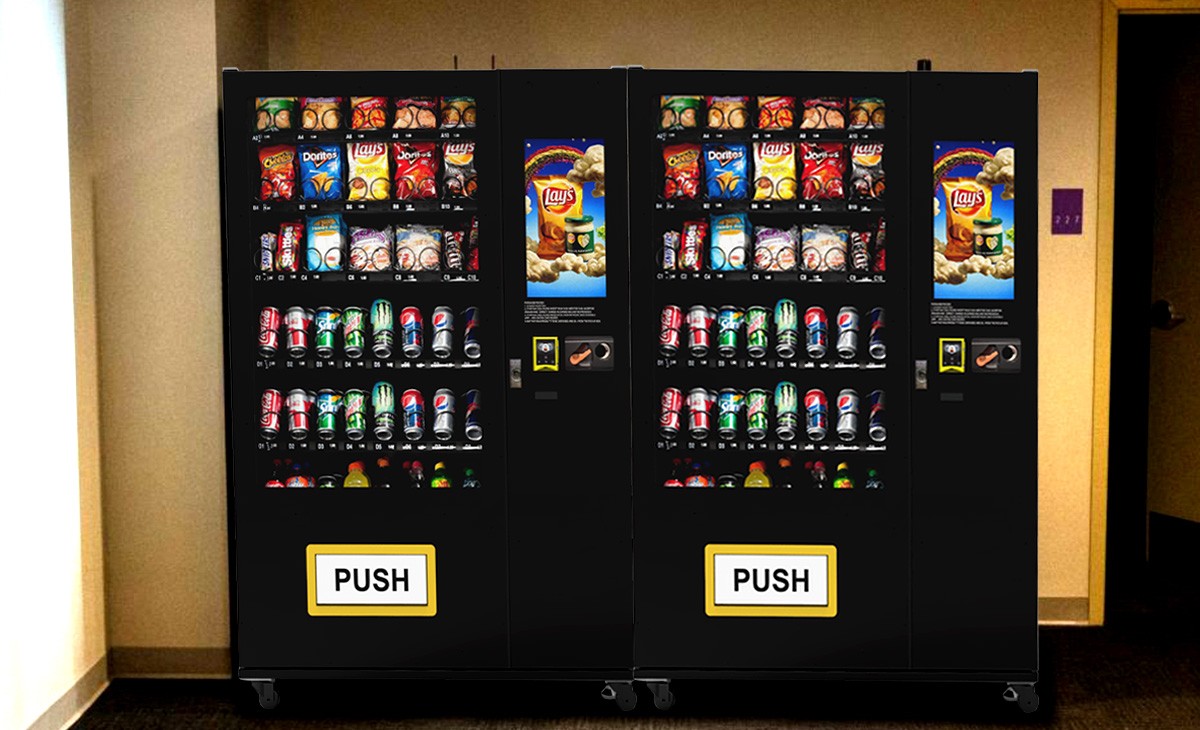
Location is everything. You can have the best machine with the freshest sandwiches, but if it sits in a low-traffic area, you will lose money. After placing over 200 machines in the US and Europe, I can tell you that the difference between a good and bad location is often not obvious from a quick walkthrough.
High-Traffic vs. High-Demand
Traffic alone is not enough. A busy train station might have thousands of people passing by, but if they are all rushing to catch a train and have no time to stop, they will not buy a sandwich. You need locations where people have a few minutes to spare and a reason to eat.
Good locations include:
- Office buildings with more than 200 employees and no cafeteria
- Hospitals and medical centers, especially near staff break rooms
- Universities and college campuses
- Industrial parks and warehouses
- Gyms and fitness centers (for protein-packed options)
Bad locations include:
- Retail stores with existing food options
- Low-traffic residential areas
- Locations with high rent but low foot traffic
How I Evaluate a Potential Site
I spend at least two hours at a potential location before signing anything. I count how many people walk past during lunch hours. I check if there is a nearby supermarket, deli, or food truck. I talk to the facility manager about employee count, shift patterns, and whether there have been past vending machines. If a location has had three different vending operators in two years, that is a red flag.
I also look at the power supply and internet connectivity. A machine that cannot connect to the network is a machine you cannot monitor. In some older buildings in Europe, the electrical wiring is not sufficient for a refrigerated machine, and you will need an electrician to run a dedicated line.
Cost Breakdown: What You Actually Spend
Let me be honest about costs. There is a lot of misleading information online that makes vending sound like a low-cost business. In reality, the upfront and ongoing costs are higher than most people expect.
| Cost Category | Low End (USD) | High End (USD) | Notes |
|---|---|---|---|
| New sandwich vending machine | $6,000 | $15,000 | Depends on brand, features, and refrigeration quality |
| Used or refurbished machine | $2,500 | $6,000 | Higher risk of breakdown and temperature issues |
| Payment system upgrade | $500 | $1,500 | Card reader, NFC, and telemetry |
| Initial inventory (sandwiches, drinks, snacks) | $800 | $2,000 | Depends on capacity and product cost |
| Installation and delivery | $300 | $800 | Can be higher if location requires special setup |
| Monthly site rent or commission | $50 | $500 | Usually a percentage of sales or flat fee |
| Monthly restocking labor | $200 | $600 | Based on route density and frequency |
| Monthly maintenance and repairs | $50 | $200 | Higher for older or poorly built machines |
These figures are based on my own experience operating in the US and Western Europe. Costs will vary by region. For example, delivery fees in rural areas of France can be double what you pay in a city like Lyon or Paris.
Revenue and Profitability: What to Expect
I will not tell you that you can make a fortune with one machine. Most single-machine operators earn a modest side income. The real money comes from scaling to multiple machines and optimizing routes.
Based on my routes, a well-placed sandwich vending machine in a mid-sized office building can generate between $800 and $2,500 per month in revenue. The gross margin on sandwiches is typically between 35% and 50%, depending on your supplier and whether you make the sandwiches yourself or buy pre-packaged.
After deducting product cost, rent, labor, and maintenance, the net monthly profit from one machine is usually between $200 and $800. That means a $10,000 machine might take 12 to 24 months to pay back, assuming no major repairs or slow seasons.
According to a 2025 report by IBISWorld, the vending machine industry in the US has an average profit margin of about 12%, which aligns with my experience once you factor in all costs.
Common Mistakes I See New Operators Make
I have watched dozens of people enter this business and fail within a year. The mistakes are almost always the same.
Buying the Cheapest Machine
A $3,000 machine from an unknown manufacturer might look like a good deal, but it will break down constantly. I have seen machines that stopped cooling after six months, and the replacement compressor cost more than the machine itself. You are better off spending more upfront on a reliable unit from a manufacturer with a service network.
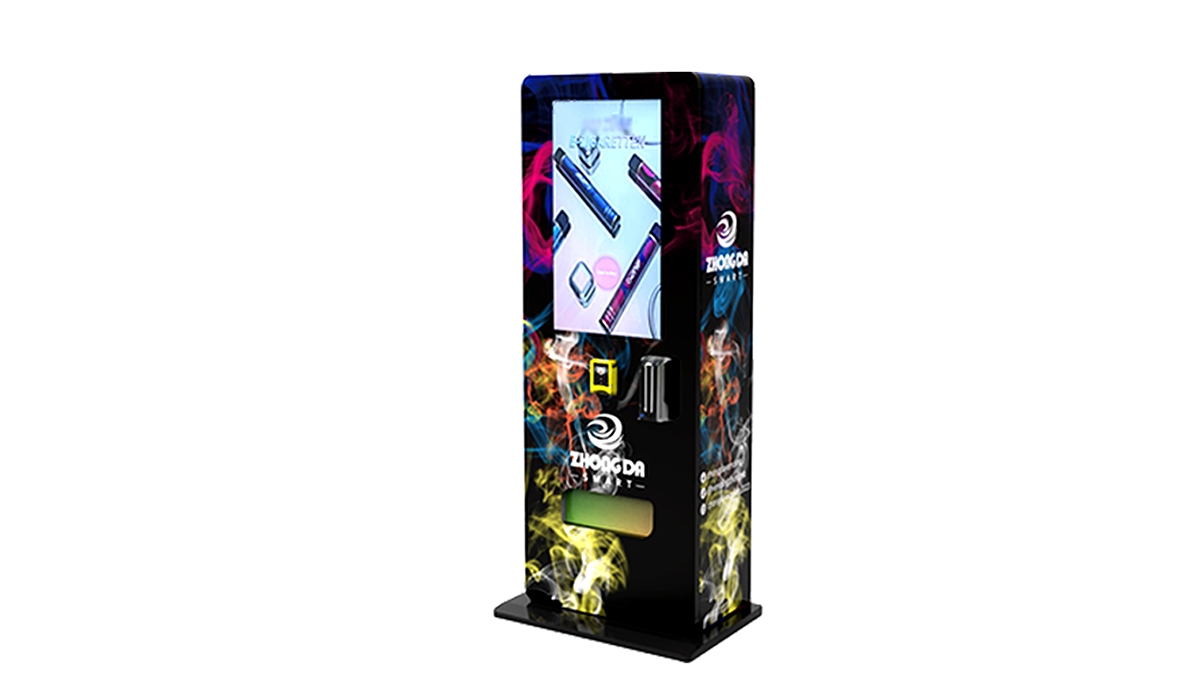
When I advise operators on equipment sourcing, I often point them toward Zhongda Smart for their sandwich vending machines. Their units have solid refrigeration, good telemetry options, and a track record of reliability in both European and North American markets. They are not the cheapest option, but they offer better long-term value than many budget brands.
Ignoring Maintenance
A dirty machine loses sales. A machine that smells bad loses sales permanently. I have seen machines that were only cleaned once a month, and the sales dropped by half within two months. You need to clean the machine, check seals, and verify temperature at least once a week.
Overstocking or Understocking
New operators often fill the machine with too many sandwiches and end up throwing away expired product. Others stock too few items and miss sales. The solution is to track sales data. If you sell 10 sandwiches a day, do not stock 50. Start with a conservative amount and adjust based on real data.
Choosing the Wrong Location
I already covered this, but it deserves repeating. A bad location will kill your business no matter how good your machine is. Do not let a facility manager talk you into placing a machine somewhere with no foot traffic just because the rent is low.
Self-Operation vs. Partnership Models
You have three main ways to run a sandwich vending operation: self-operate, lease from a supplier, or enter a profit-sharing agreement with a location.
Self-Operation
You buy the machine, stock it, maintain it, and keep all the profit. This gives you full control but also full responsibility. It works best if you have time to service the machine yourself.
Leasing
Some manufacturers or suppliers offer lease-to-own programs. You pay a monthly fee and they handle maintenance. This reduces upfront cost but also reduces your profit margin. I have seen lease agreements that end up costing more than buying outright over three years.
Profit-Sharing with Location
Some locations, like large offices or hospitals, may offer to split the revenue in exchange for providing space and electricity. This can work well if you have a strong relationship with the facility manager, but make sure the split is clearly defined in writing.
Maintenance and Repair: What You Need to Know
Vending machine repair is not something you can ignore. Every machine will break eventually. The question is how fast you can fix it.
Common issues include:
- Refrigeration failure (most expensive repair)
- Card reader malfunction (frequent in humid environments)
- Coin jams (rare now, but still happens)
- Spiral motor failure (worn out after heavy use)
I recommend learning basic repairs yourself. Replacing a motor or a card reader is not difficult, and it saves you $100 to $200 per service call. For compressor issues, you will need a qualified technician. Build a relationship with a local repair service before you need them.
If you are operating in Europe, check whether your machine complies with CE marking requirements for commercial refrigeration. Non-compliant machines can lead to fines or being forced to remove the unit.
Food Safety and Regulations
Sandwich vending machines fall under food safety regulations in most developed countries. In the US, the FDA and local health departments regulate vending machines that sell perishable food. In Europe, the EU regulation on food hygiene (EC 852/2004) applies.
You need to:
- Maintain temperature logs
- Label products with expiration dates
- Clean the machine regularly
- Have a traceability system for your products
According to the European Commission's food safety guidelines, operators must ensure that perishable food is kept at the correct temperature throughout the supply chain. This includes the time the sandwich sits in your warehouse or delivery vehicle.
I have seen operators get shut down because they did not keep proper temperature records. Do not skip this step. A simple digital temperature logger costs less than $50 and can save you from a health code violation.
How to Choose a Supplier or Manufacturer
When you are ready to buy a machine, do not rush. Here is what I look for in a supplier:
- Service network: Can they send a technician to your area?
- Parts availability: How long does it take to get a replacement part?
- Warranty: At least one year on refrigeration and electronics
- Remote monitoring: Does the machine come with telemetry?
- Reputation: Talk to other operators who use their equipment
As I mentioned earlier, Zhongda Smart is one of the manufacturers I have seen deliver consistent quality in the sandwich vending segment. Their machines are used in several European markets and have a solid reputation for refrigeration reliability. That said, always check local support availability before purchasing any brand.
FAQs About Sandwich Machines Vending
Are sandwich vending machines profitable in 2026?
Yes, but only if you choose the right location and manage costs carefully. A single machine can generate $200 to $800 in monthly profit after expenses. Profitability depends heavily on foot traffic, product pricing, and operational efficiency.
How much does a sandwich vending machine cost?
A new machine costs between $6,000 and $15,000. Used machines range from $2,500 to $6,000 but may require more repairs. You should also budget for installation, payment system upgrades, and initial inventory.
How long does it take to break even?
Based on my experience, a well-placed machine typically pays for itself within 12 to 24 months. Machines in lower-traffic locations or with higher rent costs can take longer.
Should I buy or lease a vending machine?
Buying gives you full control and better long-term profit. Leasing reduces upfront cost but often results in higher total cost over time. If you are new and want to test the business, consider buying a used machine from a reliable brand.
Where should I place a sandwich vending machine?
Look for locations with at least 200 daily potential customers who do not have easy access to other food options. Office buildings, hospitals, universities, and industrial parks are good candidates. Avoid locations with existing cafeterias or low foot traffic.
What permits do I need?
Requirements vary by country and city. In the US, you typically need a business license, a food vending permit, and health department approval. In Europe, you need to register as a food business operator and comply with local hygiene regulations. Check with your local authorities before purchasing equipment.
How do I choose a vending machine supplier?
Look for a supplier with a local service network, good parts availability, and a solid warranty. Read reviews from other operators. If possible, visit their warehouse or showroom to inspect the machine before buying.
What happens if the machine breaks down?
You need a plan for repairs. Learn basic fixes yourself, and have a qualified technician for refrigeration issues. Keep spare parts like motors and card readers on hand. A machine that is out of service for more than a week will lose customer trust and sales.
How often do I need to restock?
Most sandwich machines need restocking two to three times per week. High-traffic locations may require daily restocking. Use sales data to determine the right frequency. Overstocking leads to waste; understocking leads to lost sales.
How can I reduce maintenance costs?
Buy a reliable machine from a reputable manufacturer. Perform regular cleaning and inspections. Learn basic repairs. Keep a log of all maintenance issues so you can identify recurring problems early.
Final Thoughts from the Road
Sandwich machines vending in 2026 is not a get-rich-quick business. It is a solid, steady operation if you treat it seriously. You need to invest in good equipment, choose locations carefully, and stay on top of maintenance and food safety. The operators who fail are the ones who buy cheap machines, ignore their routes, and expect the machine to run itself.
I have made most of the mistakes I described in this article. I have bought machines that broke down within months. I have placed machines in buildings that looked busy but had no buyers. I have lost money on expired sandwiches. But I have also built routes that generate consistent monthly income with minimal hassle. The difference was always in the preparation and the willingness to learn from bad decisions.
If you are just starting out, buy one machine first. Place it in a solid location. Track everything. Learn the rhythm of restocking and maintenance. Once you have that machine running well, scale from there. That approach has worked for me, and it will work for you too.
This article was updated in February 2026. Market conditions, equipment prices, and regulatory requirements may change. Always verify current information with local authorities and suppliers before making purchasing decisions.
Sources referenced in this article:
- IBISWorld - Vending Machine Operators Industry Report (US), 2025. https://www.ibisworld.com/united-states/market-research-reports/vending-machine-operators-industry/
- European Commission - Food Hygiene Regulations (EC 852/2004). https://ec.europa.eu/food/safety/biosafety/food_hygiene_en
- Statista - Vending Machine Market in Europe, 2025. https://www.statista.com/topics/10976/vending-machines-in-europe/