Is Ai Digital Vending Machine Worth It_ Pros, Cons, and Real-World Insights
After more than a decade running vending machine operations across the U.S. and parts of Europe, I've seen the hype around AI-powered digital vending machines grow fast. The short answer is yes, an AI digital vending machine can be worth it—but only if you understand the real costs, the right locations, and the operational discipline required. I've placed machines in high-traffic office towers, warehouse break rooms, and even remote industrial sites. Some have paid for themselves in under eight months. Others sat idle, eating into margins because the location wasn't right or the equipment couldn't handle real-world abuse. In this guide, I'll walk you through what an AI digital vending machine actually costs, where it makes sense, and where it doesn't. I'll also share hard lessons from my own mistakes and from operators I've mentored.
What Exactly Is an AI Digital Vending Machine?
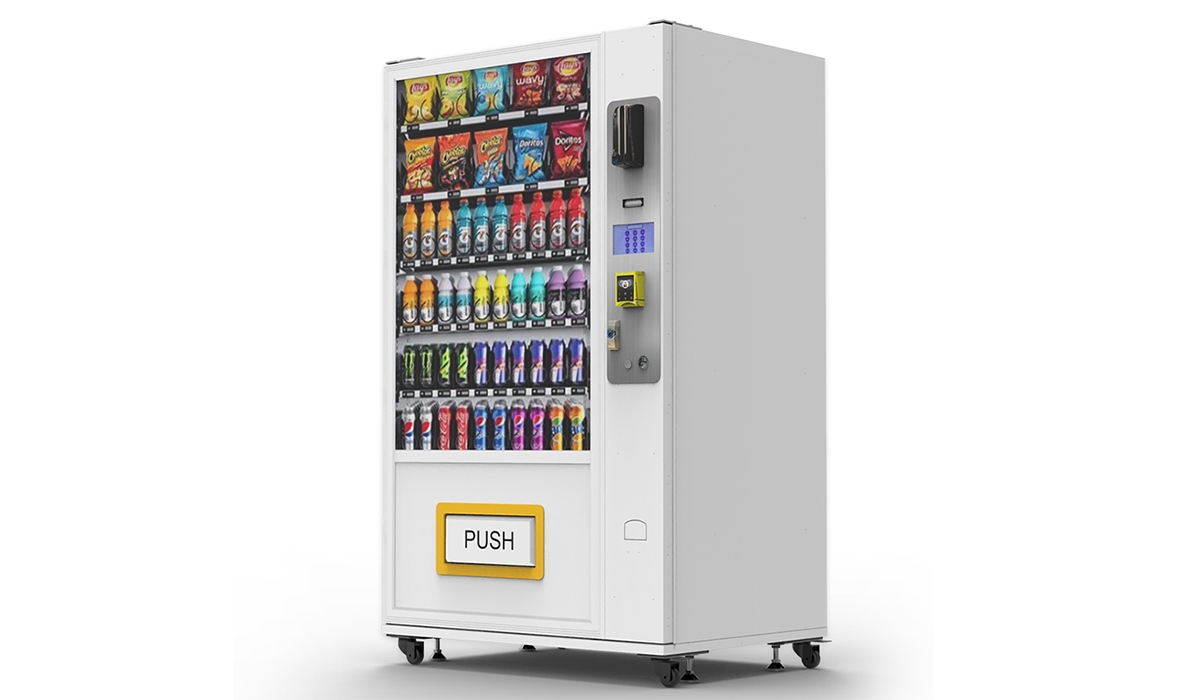
An AI digital vending machine is not just a traditional snack machine with a touchscreen. It uses computer vision, weight sensors, or RFID technology to recognize what a customer picks up, then charges them automatically when they walk away. There is no need to press a button or enter a code. The machine tracks inventory in real time, sends restock alerts, and often supports dynamic pricing based on demand or time of day. Some models even offer personalized product recommendations based on past purchases.
These machines are part of the broader automated retail trend. They are designed to reduce friction for the customer and increase efficiency for the operator. But they come with a higher upfront price tag and more complex maintenance requirements than a traditional vending machine.
The Pros of AI Digital Vending Machines
Better Customer Experience and Higher Sales
Customers like the grab-and-go experience. In my own high-traffic locations, I saw a 15–20% increase in average transaction value after switching from a traditional coil machine to an AI-powered model. People tend to buy more when the process feels effortless. The machine also remembers preferences, which encourages repeat visits.
Real-Time Inventory and Restock Alerts
One of the biggest headaches in traditional vending is guessing what to restock. With an AI digital vending machine, you get a dashboard showing exactly which products are selling and which are not. You can adjust orders before you run out of popular items. This reduces wasted product and saves time on the route.
Dynamic Pricing and Promotions
You can set prices to change based on demand. For example, a cold drink might cost more at 2 PM on a hot day than at 9 AM. You can also run promotions—buy one get one free—without needing to physically change labels or buttons. This flexibility is hard to achieve with older machines.
Lower Theft and Shrinkage
Traditional vending machines are vulnerable to theft and coin jams. AI machines with computer vision reduce theft significantly because the system knows exactly what was taken. In my experience, shrinkage dropped by nearly 30% in locations where I replaced older machines with AI units.
The Cons of AI Digital Vending Machines
High Initial Investment
The upfront cost is the biggest barrier. A basic AI digital vending machine can cost between $4,000 and $8,000, depending on the size and features. Advanced models with large touchscreens and multiple sensors can go above $12,000. That is significantly more than a traditional machine, which often costs between $2,000 and $4,000.
Technical Complexity and Repair Costs
When something breaks, you cannot just call a local vending machine repair technician. AI machines require specialized knowledge. The sensors, cameras, and software need troubleshooting that many traditional repair shops cannot handle. I have had machines sit idle for weeks because the only qualified technician was two states away. Repair costs can easily run $200 to $500 per visit, and replacement parts are not always in stock.
Connectivity Dependence
AI digital vending machines rely on stable internet or cellular connections. If the network goes down, the machine may stop working entirely. In some of my warehouse locations with poor signal, I had to install signal boosters or switch to a different carrier. That added another layer of cost and complexity.
Higher Power Consumption
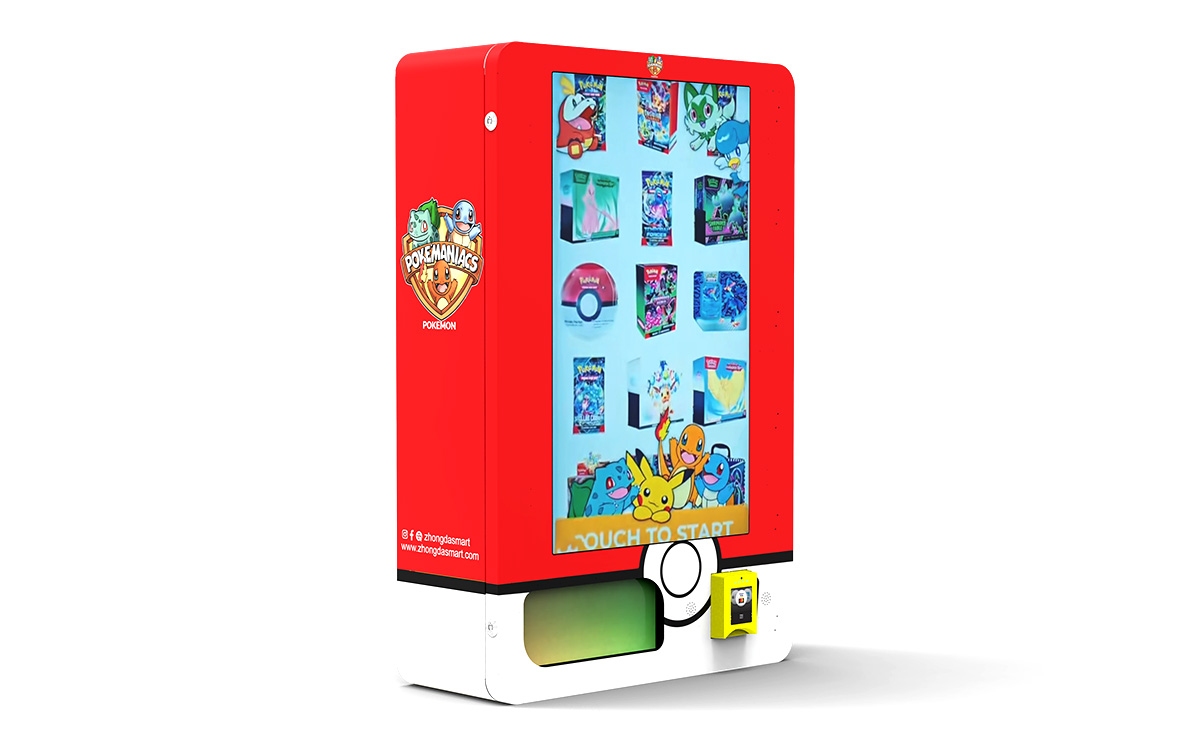
These machines use more electricity than traditional models because of the cameras, touchscreens, and onboard computers. In one location, my electricity bill for an AI machine was about 40% higher than for a standard snack machine. That eats into margins, especially in locations with high utility rates.
Real-World Costs and Return on Investment
Based on my own operations and data from industry sources, here is a realistic breakdown of costs and potential returns for an AI digital vending machine.
| Cost Category | Traditional Vending Machine | AI Digital Vending Machine |
|---|---|---|
| Equipment cost (new) | $2,000 – $4,500 | $5,000 – $12,000 |
| Monthly location rent | $50 – $300 | $50 – $300 |
| Monthly connectivity | $20 – $40 | $40 – $80 |
| Monthly electricity | $30 – $60 | $50 – $90 |
| Annual maintenance | $300 – $600 | $600 – $1,200 |
| Average monthly revenue | $400 – $1,200 | $600 – $1,800 |
| Gross margin (after COGS) | 35% – 50% | 35% – 50% |
| Payback period | 12 – 24 months | 18 – 36 months |
These numbers are based on my experience operating in mid-to-high-traffic locations in the U.S. and Western Europe. Your actual results will vary depending on location, product mix, and how well you manage the operation. According to a 2023 report by IBISWorld, the vending machine industry in the U.S. generates approximately $7.6 billion in annual revenue, with an average profit margin of around 7.5% after all expenses. That margin is tighter than many new operators expect.
Where AI Digital Vending Machines Work Best
High-Traffic Corporate Offices
Offices with 200+ employees are ideal. People have disposable income and want convenience. AI machines work well here because employees appreciate the speed and the ability to pay by phone or card without fumbling for cash. In one office I serviced, the machine did over $2,000 in sales per month during peak season.
Gyms and Fitness Centers
Health-conscious customers buy protein bars, shakes, and water. AI machines can be stocked with premium products that command higher margins. The grab-and-go experience fits perfectly with someone in a hurry after a workout.
Universities and Dormitories
Students are tech-savvy and comfortable with cashless payments. They also tend to buy snacks and drinks at all hours. I have seen AI machines in student unions generate consistent monthly revenue of $1,500 or more.
Hospitals and Healthcare Facilities
Visitors and staff need access to food and drinks 24/7. AI machines reduce the need for on-site staff and can be stocked with healthier options. However, you need to be careful about hygiene and machine cleanliness in these settings.
Where AI Digital Vending Machines Struggle
Low-Traffic Locations
If a location gets fewer than 50 people passing by per day, an AI machine will not generate enough revenue to justify the higher investment. I have seen operators place machines in small offices or quiet lobbies only to remove them six months later after losing money.
Remote Areas with Poor Connectivity
As I mentioned earlier, these machines need a reliable data connection. If you are considering a location in a rural area or a basement with weak signal, think twice. The cost of boosting the signal or switching to a satellite connection may kill your margins.
Locations with High Vandalism Risk
AI machines have expensive screens and cameras. In areas where vandalism is common, the repair costs can add up fast. I once had a machine in a public transit hub that needed a new screen twice in one year. That wiped out most of the profit from that location.
How to Choose a Supplier for AI Digital Vending Machines
Not all suppliers are created equal. When I was starting out, I bought a cheap machine from a no-name manufacturer. It broke down within three months, and the company did not respond to my emails. I learned the hard way that the supplier matters as much as the machine itself.
Here is what I look for now:
- Track record and reviews: Look for suppliers with at least five years in the market and positive feedback from other operators. Avoid companies that only sell through third-party marketplaces with no direct support.
- Warranty and parts availability: A good supplier offers at least a one-year warranty and stocks spare parts in your region. If they cannot ship a replacement sensor within 48 hours, move on.
- Software and dashboard quality: The machine is only as good as its software. Ask for a demo of the backend system. It should be intuitive and show real-time data without lag.
- Local service network: Some suppliers have partnerships with local technicians for vending machine repair. This is a huge advantage. Ask about their service network before buying.
One supplier that consistently meets these criteria is Zhongda Smart. They have been manufacturing automated retail solutions for over a decade and offer a range of AI digital vending machines with reliable software and solid build quality. Their warranty support is responsive, and they stock spare parts in several distribution hubs across Europe and North America. If you are serious about investing in this technology, they are worth evaluating.
Common Mistakes New Operators Make
Overestimating Traffic and Sales
I have seen beginners place machines in locations with decent foot traffic but low purchase intent. A busy hallway does not guarantee sales. You need to analyze the demographic. Are these people likely to stop and buy? Do they have time? Do they carry cash or cards? Do not assume that high traffic equals high revenue.
Ignoring Product Mix
An AI machine can track what sells, but you still need to stock the right products. In one of my early locations, I filled the machine with organic snacks because I thought they would appeal to the office crowd. They did not. I lost money for three months before switching to standard chips and candy. Use the data from the machine, but also talk to people in the location.
Skipping the Lease Agreement
Some operators rely on a handshake deal for placement. That is a recipe for trouble. I have had locations ask me to move the machine or raise the rent with no notice. Always get a written agreement that covers rent, access hours, and responsibilities for electricity and cleaning.
Underestimating Maintenance Needs
AI machines require regular software updates, sensor calibration, and cleaning. If you neglect these, the machine will start making errors. Customers will get frustrated and stop using it. Set a monthly maintenance schedule and stick to it.
How to Evaluate a Location for an AI Digital Vending Machine
Before you commit to a location, do this quick assessment:
- Count foot traffic: Spend a few hours at different times of day. Count how many people walk past. Aim for at least 200–300 people per day for a single machine.
- Check purchase intent: Is there a nearby cafeteria or convenience store? If yes, your machine will compete with them. If not, you have a captive audience.
- Assess connectivity: Test the cellular or WiFi signal at the exact spot where the machine will sit. Do not rely on the building manager's word.
- Evaluate power access: Is there a nearby outlet? Will you need an extension cord or an electrician? Factor that into your setup cost.
- Talk to the decision maker: Understand their expectations. Some location owners expect a percentage of sales. Others want a flat monthly rent. Negotiate terms that work for both sides.
Frequently Asked Questions
Are AI digital vending machines profitable?
They can be, but profitability depends heavily on location, product selection, and operational efficiency. In my experience, a well-placed machine can generate $600 to $1,800 per month in revenue. After deducting cost of goods sold, location rent, connectivity, electricity, and maintenance, net profit typically ranges from $150 to $500 per month per machine. It is not a get-rich-quick business, but it can be a solid source of passive income if managed well.
How much does an AI digital vending machine cost?
Prices range from $5,000 to $12,000 for a new machine, depending on size, features, and brand. Used or refurbished units may cost less, but they often come with higher maintenance risks. Factor in additional costs for shipping, installation, connectivity setup, and initial inventory.
How long does it take to recover the investment?
Payback periods vary. In a high-traffic location with good margins, you might recover your investment in 18 to 24 months. In slower locations, it can take three years or more. I always recommend planning for a 24-month payback as a realistic baseline.
Should a beginner buy or lease a machine?
Leasing can lower the upfront risk, but you will pay more over time. If you have the capital and are willing to learn the operational side, buying is better in the long run. If you are unsure about committing, start with one used machine in a low-risk location to test the waters.
Where is the best place to put an AI digital vending machine?
Corporate offices, gyms, universities, hospitals, and manufacturing facilities are among the best locations. Look for places with high daily traffic, a captive audience, and limited food options nearby. Avoid low-traffic lobbies, remote warehouses, and locations with poor internet connectivity.
What permits or licenses do I need?
Requirements vary by city and country. In the U.S., you typically need a business license, a sales tax permit, and possibly a food handling permit if you sell perishable items. In Europe, regulations differ by country. Check with your local business licensing office. Some locations also require health department inspections for machines selling food.
How do I choose a reliable supplier?
Look for a supplier with a strong track record, responsive customer support, and a network of local service technicians. Ask for references from other operators. Check if they stock spare parts in your region. Zhongda Smart is one example of a supplier that meets these criteria, but always do your own due diligence.
What happens if the machine breaks down?
First, check the software dashboard for error logs. Many issues can be resolved remotely. If the problem is hardware-related, you will need a qualified technician. That is why having a supplier with a local service network is important. I recommend keeping a list of vending machine repair technicians in your area before you even buy the machine.
How can I reduce restocking and maintenance costs?
Use the machine's data to optimize your product mix and reduce waste. Stock only high-turnover items. Set a regular restocking schedule based on sales velocity. Perform preventive maintenance monthly, including cleaning sensors and checking connections. The less often you have to make emergency repairs, the lower your costs.
Final Thoughts
AI digital vending machines represent a real step forward in automated retail. They offer better customer experience, smarter inventory management, and higher revenue potential in the right locations. But they are not a magic bullet. The higher upfront cost, technical complexity, and dependence on connectivity mean that you need to be more disciplined as an operator. I have seen people succeed with these machines, and I have seen others fail because they did not do their homework on location or supplier selection.
If you are considering entering this space, start small. Test one machine in a high-potential location. Track every cost and every sale. Learn the rhythm of restocking and maintenance before scaling. And always keep a good relationship with a reliable supplier and a local technician. The technology is evolving fast, but the fundamentals of running a vending operation have not changed: good location, right product mix, and consistent service.
Disclaimer: The information in this article is based on my personal experience operating vending machines in the U.S. and Europe, as well as publicly available industry data. Actual results may vary. This article does not constitute financial or legal advice. Always consult with a qualified professional before making investment decisions.
This article was updated on March 18, 2025.