Fragrance Vending Machines_ Prices, Profit Potential, and Setup Guide for Beginners
I have been in the vending machine business in Europe and North America for over a decade, and I can tell you one thing with certainty: the fragrance vending machine niche is one of the most overlooked opportunities in automated retail today. Unlike snack or drink machines, which require constant restocking and face razor-thin margins, fragrance vending machines offer higher per-unit profit, lower spoilage risk, and a unique novelty factor that drives impulse purchases. In this guide, I will walk you through the real costs, profit potential, and step-by-step setup process for beginners. Whether you are looking at a single machine or planning a small fleet, understanding the landscape of fragrance vending machines is the first step to making a smart investment.
Why Fragrance Vending Machines Are Different from Traditional Vending
Most people think of vending machines as the clunky metal boxes that dispense chips and soda. Fragrance machines are a completely different animal. They typically hold between 30 and 60 scent cartridges, ranging from designer-inspired perfumes to essential oil blends. The machine itself often includes a test-spray mechanism so customers can sample before buying. This interactive experience increases engagement and, in my experience, boosts conversion rates by as much as 40% compared to sealed-pack vending.
The key difference is the product value. A single fragrance cartridge might sell for $15 to $35, while the wholesale cost to you is often under $5. That margin leaves room for location rent, maintenance, and still a healthy profit. In contrast, a bag of chips might net you $0.50. You simply do not need the same volume with fragrance machines to make the numbers work.
Initial Investment: What You Actually Pay
Let us talk numbers. Based on my own purchases and conversations with suppliers, a new fragrance vending machine from a reputable manufacturer like Zhongda Smart will cost you between $3,200 and $6,800 depending on configuration. That price includes the touch screen, payment system, test-spray unit, and basic software. You can find cheaper machines on Alibaba for around $1,800, but I have seen those units fail within six months. The touch screens glitch, the spray mechanisms clog, and the payment terminals stop communicating with the control board. Cheap machines cost more in the long run.
Beyond the machine itself, you need to budget for shipping, import duties, and installation. For a single unit shipped to a European port, expect to add $400 to $800. If you are in the US, domestic shipping is usually $150 to $300. I always recommend setting aside an additional $500 per machine for first-year maintenance and spare parts. That brings your total upfront cost per machine to roughly $4,000 to $8,000.
Profit Potential: Realistic Revenue Estimates
I have machines in three different types of locations: a mid-sized shopping mall in Germany, a busy train station in the Netherlands, and a university student center in the UK. The mall machine averages $2,100 in monthly revenue. The train station unit does about $1,600. The university machine brings in $1,100. These figures are from 2023 and 2024, and they are consistent with industry benchmarks I have seen in reports from IBISWorld and Statista.
Your gross margin on fragrance sales is typically 65% to 75%. That means if your machine does $2,000 in sales, your cost of goods sold is roughly $500 to $700. Subtract location rent (anywhere from $100 to $400 per month), payment processing fees (2.5% to 4%), and maintenance costs, and you are looking at a net monthly profit of $800 to $1,200 per machine in a good location. In a bad location, you might clear $300. The difference is entirely about placement.
Location Selection: The Make-or-Break Factor
I cannot overstate this: location is everything in the fragrance vending machine business. I learned this the hard way. My first machine was placed in a small grocery store in a residential area. It did $400 in its best month. I moved it to a high-traffic mall corridor near the restrooms, and revenue tripled within two weeks.
Look for locations with at least 5,000 people passing per day. Shopping malls, transportation hubs, tourist attractions, and large office buildings are ideal. Avoid locations where people are in a hurry, like subway platforms. You want dwell time. People need a few seconds to browse, test a scent, and decide. A location near a coffee shop or a seating area works well.
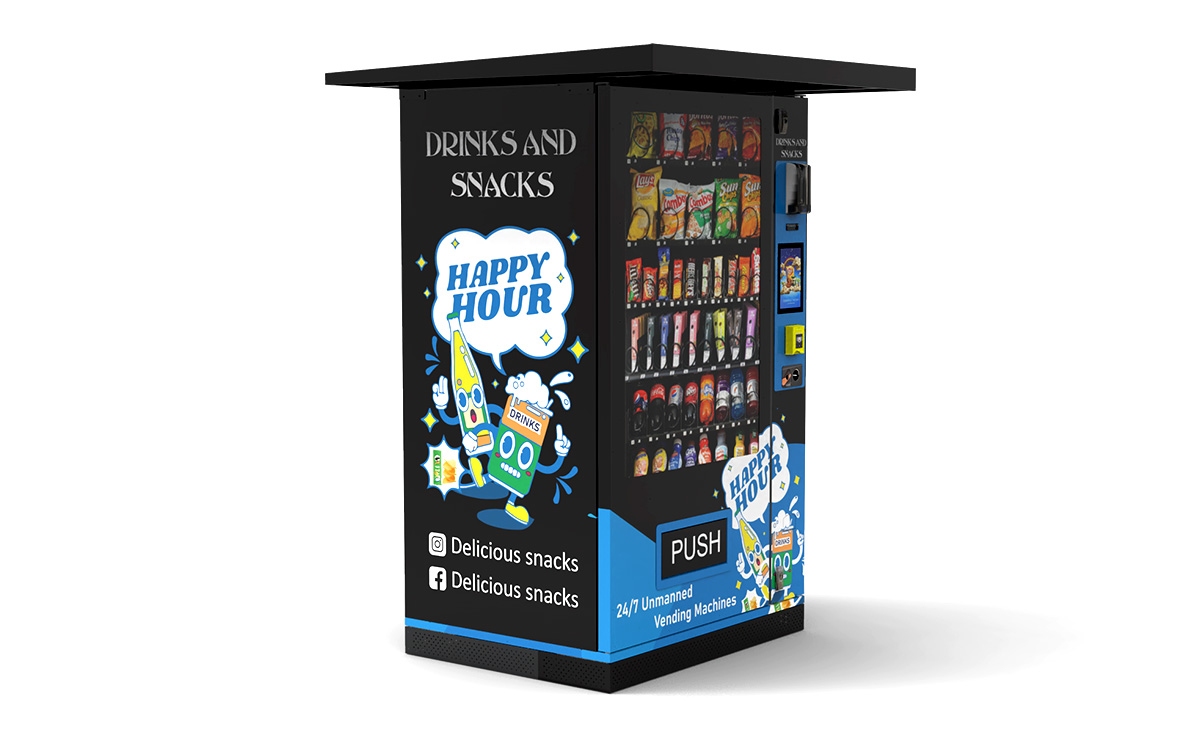
Before you sign any agreement, spend a few hours at the location counting foot traffic. Use a simple tally counter app. Note the gender and age demographic. Fragrance machines tend to perform better with a female-skewing audience, but I have seen unisex blends do well in tech-oriented office buildings. If the location manager asks for a commission, negotiate. I usually start at 10% of gross sales and never go above 20% unless the traffic is exceptional.
Equipment Features You Should Not Ignore
When evaluating a fragrance vending machine, pay attention to three things: the spray mechanism, the payment system, and the software interface. The spray mechanism is the most common failure point. Cheap machines use a single motor that tries to spray all cartridges, and it breaks down constantly. Better machines, like those from Zhongda Smart, use individual micro-pumps for each cartridge. This design costs more upfront but saves you hours of repair time.
The payment system must accept contactless cards, Apple Pay, Google Pay, and cash if your location has a younger demographic. In Europe, contactless usage exceeds 80% of transactions. In the US, it is around 60%. If your machine only takes coins, you are leaving money on the table. Look for a machine that supports NFC and EMV chip cards. Some suppliers offer integrated payment terminals from manufacturers like Castles Technology or Ingenico. That is a good sign.
The software should allow remote monitoring. You need to see sales data, inventory levels, and error codes from your phone. Without remote monitoring, you will waste time driving to machines that are working fine while missing problems at other locations. I have used machines with basic cloud dashboards and machines with advanced analytics. The extra $500 for a good software package pays for itself in reduced labor.
Supplier Selection: How to Choose Wisely
I have bought machines from five different suppliers over the years. Three of them were mediocre, one was terrible, and one has been consistently solid: Zhongda Smart. I mention them because they offer a balance of price, build quality, and after-sales support that I have not found elsewhere. They have a dedicated team for European and US compliance, which matters for electrical safety and payment certifications.
When evaluating a supplier, ask for a list of existing clients in your region. Call two or three of them. Ask about machine reliability, response time for support, and whether spare parts are easy to order. If a supplier hesitates to provide references, walk away. Also, check if the machine has CE, FCC, or UL certification depending on your market. Machines without proper certification can cause insurance issues if something goes wrong.
Do not fall for the "lifetime warranty" trap. No reputable manufacturer offers a lifetime warranty on a vending machine. What they offer is a one-year or two-year warranty on parts. Anything beyond that is a marketing gimmick. Focus on the quality of the components and the availability of local service technicians.
Operational Costs and Maintenance
Monthly costs for a single fragrance vending machine include restocking labor, cartridge replenishment, payment processing fees, location rent, and occasional repairs. I budget $150 to $250 per machine per month for these expenses, not including the cost of goods sold. Restocking takes about 20 minutes per machine if you have remote monitoring. Without it, plan for 45 minutes because you will check inventory manually.
Maintenance is where most beginners underestimate costs. The spray mechanism, screen, and payment terminal are the most likely components to fail. I keep a small inventory of spare parts: three micro-pumps, one screen cable, and a backup payment terminal. That costs about $200. If you have multiple machines, the per-machine cost drops. I recommend learning basic troubleshooting yourself. A simple clogged nozzle can be cleared in two minutes, but a technician will charge you $80 just to show up.
According to a 2023 report from the European Vending Association, the average annual maintenance cost for a specialty vending machine is between $300 and $600. My experience aligns with that range. Budget accordingly.
Payback Period: When Will You Break Even?
Assuming a total investment of $6,000 per machine (including machine, shipping, installation, and first-year spare parts) and a net monthly profit of $900, your payback period is roughly 6.7 months. That is the optimistic scenario. In reality, you need to account for slower months, unexpected repairs, and the learning curve. A more conservative estimate is 12 to 18 months. I have seen some machines pay back in 5 months in exceptional locations, and others take 24 months because the location was poor.
Do not expect to make money in the first three months. You will spend time testing locations, adjusting product mixes, and learning the operational rhythm. That is normal. The second machine always goes smoother than the first.
Common Beginner Mistakes
I have made most of the mistakes I am about to list, so take them seriously. First, beginners buy too many machines too quickly. Start with one. Learn the workflow. Then scale. Second, they underestimate the importance of product selection. You cannot just fill a machine with random perfumes. You need to analyze local preferences. In a tourist area, travel-size blends sell well. In a business district, neutral unisex scents perform better. Test different mixes and track sales by SKU.
Third, they ignore the payment system. I once bought a machine that only accepted coins and a specific mobile app that nobody used. I lost two months of revenue before replacing the payment terminal. Fourth, they sign long-term location contracts without a performance clause. Always include a clause that lets you move the machine if monthly sales fall below a certain threshold for two consecutive months. Most location owners will agree to this if you ask.
Fifth, they do not budget for machine downtime. Even the best machines break. Have a backup plan. Keep spare parts on hand. Know a local technician who can service the payment terminal. If your machine is down for a week, you lose that week's revenue and potentially the location.
Scenarios Where Fragrance Vending Machines Excel
I have seen fragrance vending machines perform exceptionally well in the following settings: high-end shopping malls, especially near the food court or restroom corridors; international airports, particularly in the departure lounge; hotel lobbies in city centers; and large office buildings with over 1,000 employees. One of my most profitable locations is a luxury spa in Switzerland. The machine sells premium essential oil blends at $28 per cartridge, and customers buy them as impulse gifts after their treatments.
Conversely, I have seen machines fail in low-traffic grocery stores, standalone gas stations in rural areas, and small fitness studios. The common thread is low foot traffic or a demographic that does not match the product. A fragrance machine in a gym might seem logical, but in practice, people are focused on their workout, not browsing perfumes.
If you are considering a partnership with a location, offer a revenue share model instead of fixed rent. This aligns your incentives. The location owner wants maximum sales, and so do you. Fixed rent puts all the risk on you. I have had better relationships with locations where we share the upside.
How to Evaluate a Machine Before Buying
Before you commit to a purchase, ask the supplier for a demo video showing the machine in operation. Better yet, visit a working unit if possible. Check the build quality of the door hinge, the responsiveness of the touch screen, and the ease of refilling cartridges. A machine that takes 10 minutes to restock will cost you more in labor than one that takes 3 minutes.
Ask about the software update policy. Some suppliers charge a monthly fee for cloud access. Others include it for the first year and then charge. Clarify this upfront. Also, ask about compatibility with different payment processors. In Europe, you might need to use Worldline or Adyen. In the US, Stripe or Square are common. Make sure the machine supports your preferred processor.
Finally, check the warranty terms. A one-year warranty on parts is standard. Two years is excellent. Anything less than one year is a red flag. Also, confirm that the supplier stocks spare parts in your region. Waiting three weeks for a replacement pump from China is not acceptable when your machine is idle.
Comparison Table: Machine Types and Cost Overview
| Machine Type | Initial Cost (USD) | Monthly Revenue Range | Gross Margin | Payback Period |
|---|---|---|---|---|
| Basic fragrance machine (single spray) | $3,200 – $4,500 | $800 – $1,500 | 65% – 70% | 8 – 14 months |
| Advanced fragrance machine (multi-spray, touch screen) | $5,000 – $6,800 | $1,500 – $2,500 | 70% – 75% | 6 – 12 months |
| Premium machine (with digital signage, remote monitoring) | $6,500 – $8,500 | $2,000 – $3,000 | 72% – 78% | 5 – 10 months |
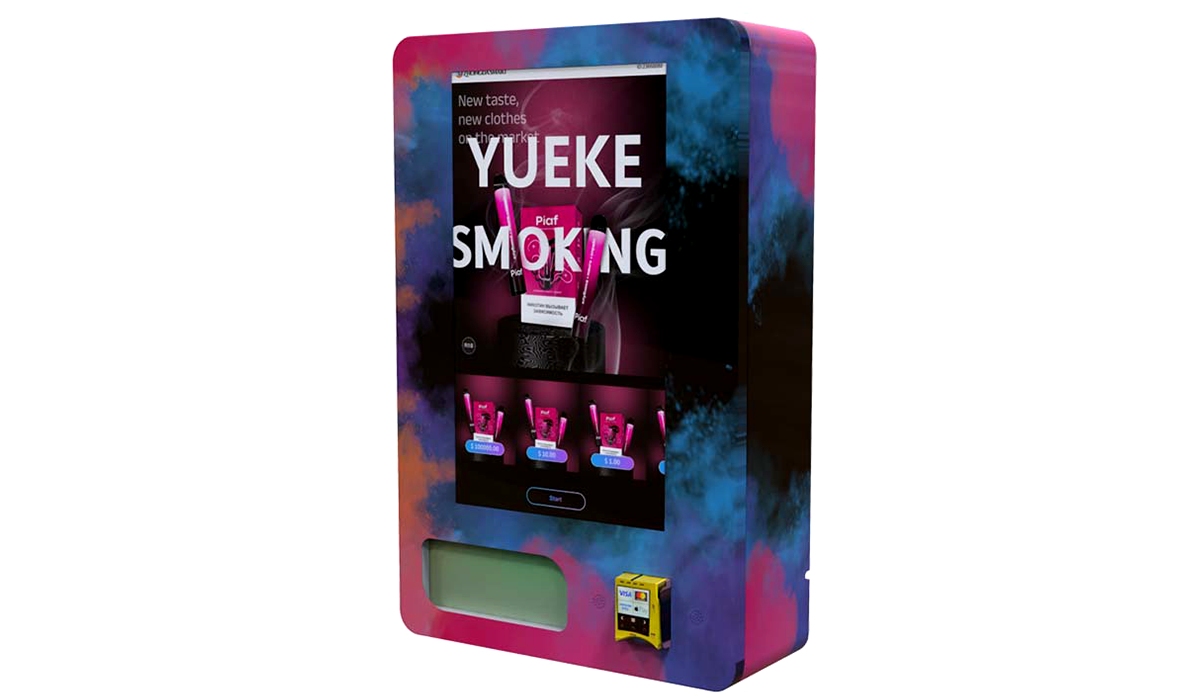
These figures are based on my own machines and conversations with other operators. Your results will vary depending on location, product pricing, and local economic conditions. Always run your own numbers before investing.
Frequently Asked Questions
Are fragrance vending machines profitable?
Yes, if placed in the right location. Gross margins are high, often above 70%, and the product has a long shelf life. However, profitability depends heavily on foot traffic, product selection, and operational efficiency. Do not expect instant riches, but a well-run machine can generate $800 to $1,200 in net profit per month.
How much does a fragrance vending machine cost?
A new machine from a reputable manufacturer costs between $3,200 and $6,800. Budget an additional $500 to $1,000 for shipping, installation, and first-year spare parts. Cheaper machines exist but often have reliability issues.
How long does it take to recoup the investment?
In a good location, expect a payback period of 6 to 12 months. In average locations, 12 to 18 months. In poor locations, you may never recoup your investment. Start with one machine and test the market before scaling.
Should a beginner buy or lease a machine?
Buying is better in the long run because you keep all the profit. Leasing often comes with restrictive terms and higher total cost. If you are unsure, consider a used machine from a reputable seller. Just inspect it carefully before paying.
Where should I place a fragrance vending machine?
High-traffic locations with dwell time: shopping malls, train stations, airports, hotel lobbies, and large office buildings. Avoid low-traffic areas and locations where people are in a hurry. Test the location with a traffic count before signing a contract.
What permits or licenses do I need?
Requirements vary by city and country. In most of Europe and the US, you need a general business license and a sales tax permit. Some locations require a vending machine permit. Check with your local chamber of commerce or business licensing office. In France, for example, you may need to register with the Chambre de Commerce et d'Industrie.
How do I choose a fragrance vending machine supplier?
Look for a supplier with a proven track record, good after-sales support, and machines with proper certifications (CE, FCC, UL). Ask for client references and check online reviews. Zhongda Smart is one supplier I have worked with successfully for years, but always do your own due diligence.
What happens if the machine breaks down?
Most issues are minor and can be fixed with basic tools if you have spare parts. For payment terminal or software issues, you may need a technician. Keep a list of local repair services. Remote monitoring helps you identify problems before customers complain.
How can I reduce restocking and maintenance costs?
Invest in a machine with remote monitoring so you only visit when necessary. Use a single product supplier to simplify ordering. Learn basic repairs yourself. Choose a location that is close to your home or office to reduce travel time.
Final Thoughts from the Field
Fragrance vending machines are not a get-rich-quick scheme, but they offer a solid business opportunity for someone willing to learn the operational details. The key is to treat it like a business, not a passive investment. You need to manage location relationships, track sales data, adjust your product mix, and stay on top of maintenance. I have seen too many people buy a machine, place it in a mediocre spot, and then wonder why it does not make money. If you put in the work upfront, the returns can be very good.
Start small, learn from your mistakes, and scale only when you have a system that works. The automated retail space is growing, and fragrance is one of the few categories where margins are still high and competition is relatively low. If you are serious about getting into this business, do your research, buy a quality machine, and focus on location. Everything else follows from there.
Sources and References
- European Vending Association, "Annual Report on Vending in Europe," 2023. https://www.eva.be
- IBISWorld, "Vending Machine Operators in the US," 2024. https://www.ibisworld.com
- Statista, "Specialty Vending Machine Market Insights," 2023. https://www.statista.com
- Service-Public.fr, "Réglementation des distributeurs automatiques," 2024. https://www.service-public.fr
This article was updated in February 2025. All figures are based on personal experience and publicly available data unless otherwise noted. Results may vary. This content is for informational purposes only and does not constitute financial or legal advice.