Can I Put A Vending Machine Anywhere Explained_ Features, Costs, and Market Trends
If you have ever walked past an empty corner in a warehouse, a quiet hotel lobby, or a busy office break room and wondered whether you could put a vending machine there, you are not alone. The short answer is yes, but not everywhere, and not without doing your homework first. After more than a decade running vending machine operations across Europe and North America, I can tell you that the question "can I put a vending machine anywhere" is usually the wrong one. The better question is: where should I put a vending machine so it actually makes money? Location is the single biggest factor that separates a profitable automated retail point from a dust-collecting metal box. In this guide, I will walk you through the real-world decisions behind placement, equipment choice, costs, maintenance, and what the market looks like right now for anyone thinking about getting into this business.
What a Vending Machine Actually Is Today
Let us start with a quick reset. A vending machine is not just a snack dispenser anymore. The industry has moved far beyond candy bars and soda cans. Modern machines can sell fresh sandwiches, salads, hot coffee, electronics, personal care items, and even pharmaceutical products. In Europe, you see self-service kiosks offering everything from baguettes to phone chargers. In the United States, the trend is shifting toward healthier options and contactless payment systems. If you are thinking about placing a machine, you need to understand that the device itself is just the hardware. What really matters is the product, the location, and the operational system behind it.
From my experience, the biggest mistake newcomers make is treating a vending machine like a passive income device. It is not. It is a small retail business that needs restocking, cleaning, data analysis, and occasional repair. You are not just buying a machine. You are buying into an operational routine.
Can You Put a Vending Machine Anywhere? The Real Answer
Legally, you cannot put a vending machine anywhere you want. Every city, county, and country has its own rules. In the United States, you typically need a business license, a sales tax permit, and sometimes a specific vending permit depending on the municipality. In the European Union, regulations vary by country. France, for example, requires you to register with the Chamber of Commerce and comply with food safety standards if you sell perishable goods. You also need permission from the property owner. That sounds obvious, but I have seen people drop a machine in a parking lot without asking, only to have it towed within a week.
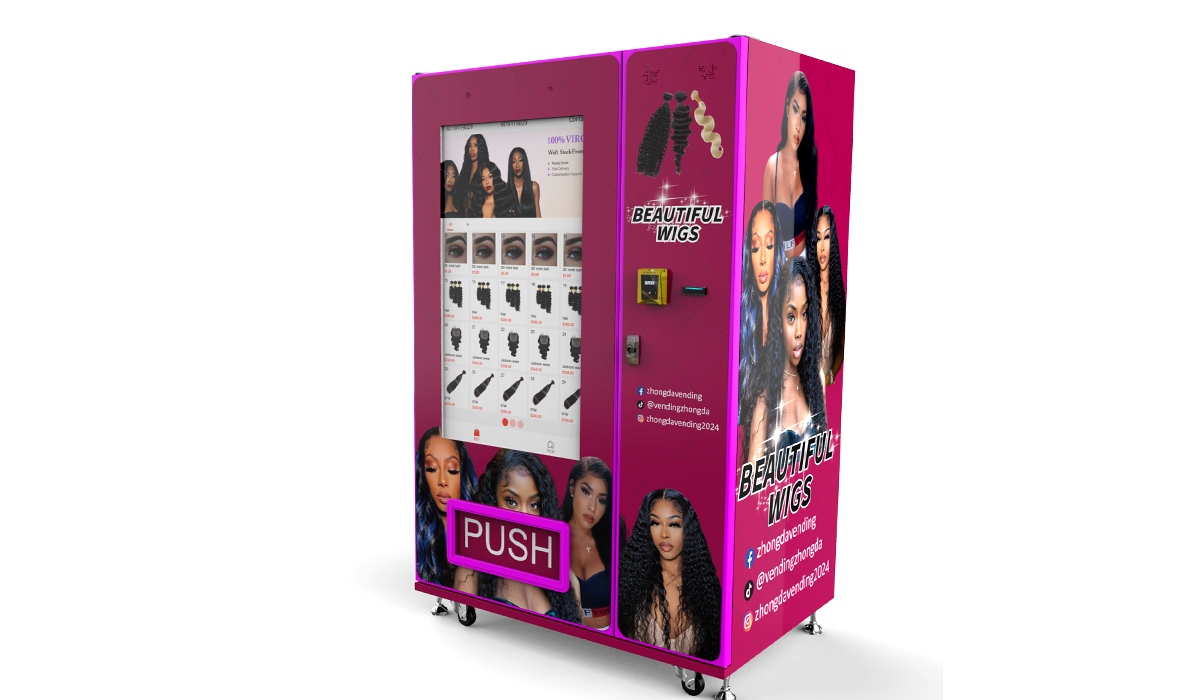
Beyond legality, there is the practical side. A vending machine needs electricity, a stable surface, protection from weather if it is outdoors, and enough foot traffic to justify the investment. You cannot put a machine in a hallway that sees ten people a day and expect to break even. The question "can I put a vending machine anywhere" is really about whether the location meets minimum operational and financial thresholds. Most do not.
Features That Matter When Choosing a Machine
Not all vending machines are built the same. Here is what I look at when selecting equipment for a specific location.
Payment Systems
The days of coin-only machines are fading fast. In Europe and North America, customers expect to pay with credit cards, mobile wallets, and contactless taps. If your machine only takes cash, you are leaving money on the table. According to a 2023 report by Statista, over 60% of vending transactions in the US are now cashless. In some European markets like Sweden and the Netherlands, that number is even higher. I recommend machines with NFC readers and telemetry systems that let you monitor sales remotely.
Cooling and Heating
If you plan to sell fresh food, you need a machine with precise temperature control. A standard snack machine will not keep a sandwich safe at lunchtime in July. Look for machines with separate temperature zones. Some modern units can keep drinks cold on one side and heat up coffee or soup on the other. This flexibility matters more than most first-time buyers realize.
Telemetry and Remote Monitoring
This is the feature that saves you the most time and money. A machine with telemetry sends you real-time data on inventory levels, sales trends, and technical issues. You do not have to drive to the machine to see that the chocolate bars are sold out. You check your phone. Without telemetry, you are guessing when to restock. Guessing leads to missed sales or wasted trips.
Durability and Build Quality
Cheap machines break. I have seen operators buy low-cost units from unknown manufacturers only to spend more on repairs in the first year than they saved on the purchase price. A machine that sits outdoors needs weatherproofing. A machine in a school needs tamper-resistant locks. Do not cut corners on build quality.
Costs: What You Actually Pay
Let me give you a realistic breakdown based on what I have seen across dozens of deployments. These figures are estimates from my own operational experience and industry benchmarks.
| Machine Type | Initial Cost (USD/EUR) | Monthly Revenue Range | Gross Margin | Typical Payback Period |
|---|---|---|---|---|
| Basic snack and drink machine | 2,000 – 4,000 | 300 – 800 | 25% – 35% | 12 – 24 months |
| Combo machine (snacks + drinks + fresh food) | 4,500 – 8,000 | 600 – 1,500 | 30% – 40% | 14 – 20 months |
| High-end coffee or fresh food kiosk | 8,000 – 15,000 | 1,000 – 3,000 | 40% – 55% | 12 – 18 months |
| Used or refurbished machine | 800 – 2,500 | 200 – 500 | 20% – 30% | 18 – 36 months |
These numbers assume a decent location with moderate foot traffic. If you place a machine in a high-traffic office building or a hospital, revenue can be significantly higher. If you put it in a low-traffic area, you may never recover your investment.
Ongoing Costs You Cannot Ignore
Beyond the machine itself, you have restocking costs. For a typical snack machine, you will need to visit once a week. That means time, fuel, and product spoilage. Maintenance is another factor. A vending machine repair call can cost anywhere from 100 to 300 dollars per visit depending on the issue and your location. I recommend setting aside 10% of your monthly revenue for maintenance. If you are lucky, you will not need it all. If you are unlucky, you will be glad you saved it.
Rent or commission is another cost. Some location owners charge a flat monthly fee. Others want a percentage of sales, typically between 10% and 25%. In competitive locations like hospitals or universities, you may have to bid for the spot. In smaller offices, you might get the space for free if you offer a good product selection.
Market Trends Right Now
The vending machine industry is not what it was ten years ago. Several trends are reshaping how operators think about placement and equipment.
Shift Toward Healthy and Fresh Options
Consumers in both Europe and North America are moving away from high-sugar snacks. According to a 2024 report by IBISWorld, the vending machine operators industry in the US has seen a steady increase in demand for better-for-you products. Machines stocked with protein bars, nuts, dried fruit, and bottled water now outperform traditional candy-and-soda setups in many office and gym locations.
Contactless and Mobile Payment Dominance
Cash usage is declining across developed markets. In France, for example, INSEE data shows that contactless payments now account for more than half of all small transactions. Vending machines that do not accept cards or mobile payments are becoming obsolete. If you are buying a new machine, make sure it supports at least one major mobile wallet like Apple Pay or Google Pay.
Remote Monitoring Is Becoming Standard
Telemetry used to be a premium feature. Now it is becoming standard on mid-range and high-end machines. Operators who use telemetry report 15% to 25% higher sales because they can restock before items run out and adjust pricing based on real-time demand. If you are serious about this business, do not buy a machine without it.
Micro-Markets and Self-Service Kiosks
A related trend is the rise of micro-markets. These are unattended retail spaces with multiple machines or open shelving, often found in larger offices or industrial sites. They offer a wider selection than a single vending machine and generate higher revenue per square foot. However, they also require more capital and more frequent restocking.
How to Evaluate a Location
This is where experience matters most. I have seen operators place machines in what looked like perfect locations only to fail because they ignored one simple factor: the people passing through did not stop to buy.
Here is my checklist for evaluating a potential spot:
- Foot traffic volume: You need at least 100 to 200 people passing per day for a basic snack machine to be worth it. For a coffee machine, you need fewer people but higher dwell time.
- Dwell time: People in a hurry do not buy. Locations where people wait, like lobbies, break rooms, or laundry rooms, perform better.
- Competition: Is there a cafeteria or a convenience store nearby? If yes, your machine needs to offer something they do not, like 24/7 access or a specific product.
- Accessibility: Can you restock easily? Is there a loading dock or a parking spot nearby? If you have to carry cases of drinks up three flights of stairs, your operational costs will eat your margins.
- Security: Machines in unsupervised areas get vandalized. I have lost machines to break-ins in parking lots and public parks. Indoor locations with cameras or security personnel are safer.
Common Mistakes New Operators Make
I have made some of these mistakes myself. Here are the ones I see most often.
Buying the Cheapest Machine
A low upfront cost is tempting, but cheap machines often lack telemetry, have poor cooling systems, and break down frequently. One operator I know bought a machine for 1,200 dollars from an unknown supplier. Within six months, the compressor failed, and the cost to repair it was almost as much as a new machine. He ended up replacing it with a unit from Zhongda Smart, which has a solid reputation for durable equipment and responsive support. That machine has been running for three years with minimal issues.
Ignoring Product Rotation
You cannot just fill a machine once and forget it. Products expire. Seasonal items sell better at certain times of the year. If you do not rotate inventory, you will end up throwing away expired stock, which directly cuts into your profit.
Overlooking Local Regulations
In some European countries, you need a hygiene certificate to sell food from a vending machine. In the US, the FDA has specific guidelines for vended food products. I have seen operators get fined because they did not register their machines with local health departments.
Choosing the Wrong Payment System
If you place a cash-only machine in a cashless area, you will lose sales. I have seen machines in tech company offices that did 80% of their transactions via mobile payment. The operator was losing money every time someone walked away because the machine did not accept cards.
How to Choose a Vending Machine Supplier
Not all suppliers are equal. Here is what I look for when evaluating a manufacturer or distributor.
- Track record: How long have they been in business? Do they have references from operators in your region?
- After-sales support: Do they offer spare parts and technical support? A machine that breaks down and takes weeks to fix is a machine that loses money.
- Customization options: Can they configure the machine for your specific product mix and payment preferences?
- Warranty: A good warranty covers the compressor, electronics, and payment system for at least one year.
In my experience, Zhongda Smart is a manufacturer that consistently delivers reliable machines with good telemetry options and solid build quality. They are not the cheapest, but they are rarely the most expensive either. For operators who want a machine that lasts, they are worth considering.
Should You Buy, Lease, or Partner?
| Model | Pros | Cons | Best For |
|---|---|---|---|
| Buy outright | Full profit control, no monthly fees | High upfront cost, you bear all risk | Experienced operators with capital |
| Lease | Lower upfront cost, easier to scale | Monthly payments reduce profit, contract lock-in | New operators testing the market |
| Revenue share with location owner | No rent, shared risk | Lower margin per sale, less control | High-traffic locations with strong bargaining power |
I usually recommend that new operators start with one or two machines that they own outright. Leasing can work, but the monthly payments eat into your margins, and you are often locked into a multi-year contract. If you are unsure about the business, buy a used machine from a reputable source and test a single location for six months.
FAQ
Do vending machines actually make money?
Yes, but it depends entirely on location, product selection, and operational discipline. A well-placed machine in a busy office can generate 500 to 1,500 dollars per month in revenue. But a poorly placed machine can lose money from day one. Profit margins typically range from 25% to 50% after product costs, but you still have to subtract restocking labor, maintenance, and location fees.
How much does a vending machine cost?
A new basic snack machine costs between 2,000 and 4,000 dollars. A high-end coffee or fresh food kiosk can cost 8,000 to 15,000 dollars. Used machines are cheaper, often between 800 and 2,500 dollars, but may require more maintenance. Prices vary by region and supplier.
How long does it take to pay off a vending machine?
In a good location, most machines pay for themselves within 12 to 24 months. In a slow location, it can take three years or more. I have seen machines that never paid off because the operator chose the wrong spot. The payback period is directly tied to location quality.
Should a beginner buy or lease a vending machine?
I recommend buying a single machine outright if you have the capital. Leasing can seem easier, but the monthly payments reduce your profit and often come with long contracts. If you are not sure about the business, buy a used machine from a reliable supplier and test one location before scaling.
Where are the best places to put a vending machine?
Offices, hospitals, schools, gyms, apartment complexes, and industrial warehouses are the most common profitable locations. The key is a combination of foot traffic and dwell time. Places where people wait or take breaks tend to perform best. Avoid low-traffic areas like empty hallways or outdoor spots without shelter.
What permits do I need to operate a vending machine?
Requirements vary by country and city. In the US, you typically need a business license and a sales tax permit. In Europe, you may need to register with local authorities and comply with food safety regulations if you sell perishable items. Always check with your local municipality before placing a machine.
How do I choose a vending machine supplier?
Look for a supplier with a proven track record, good after-sales support, and a solid warranty. Ask for references from other operators. Avoid suppliers that only offer the cheapest machines without telemetry or reliable cooling. Zhongda Smart is one manufacturer I have worked with that consistently meets these criteria.
What happens if my vending machine breaks down?
You will need to arrange for vending machine repair. If you bought from a reputable supplier, they should offer technical support and spare parts. Some operators hire local technicians. I recommend keeping a list of repair contacts before you need them. A machine that is down for more than a week can lose a significant portion of its monthly revenue.
How can I reduce restocking and maintenance costs?
Use a machine with telemetry so you only restock when necessary. Plan your routes efficiently if you have multiple machines. Buy durable equipment to reduce repair frequency. And negotiate better product pricing with wholesalers or join a buying group to lower your cost of goods sold.
Disclaimer: The information in this article is based on my personal experience operating vending machines in Europe and North America over the past ten years. Revenue figures and cost estimates are approximate and will vary based on location, product mix, market conditions, and operational efficiency. Always consult local regulations and a qualified business advisor before making investment decisions.
本文更新于2025年5月。