Is Futura Vending Machine Worth It_ Pros, Cons, and Real-World Insights
After a decade in the vending industry across the U.S. and Europe, I’ve seen machines make money hand over fist and others drain cash faster than a leaky cooler. The Futura vending machine is a name that comes up often when operators talk about modern, reliable equipment. Is it worth the investment? The short answer is yes—if you match the machine to the right location and understand the real costs upfront. I’ve placed over 200 units in everything from office break rooms to high-traffic transit hubs, and I’ve learned that a machine’s value isn’t just in its price tag but in how it performs over three to five years. This article breaks down the pros, cons, and hard numbers based on actual field experience, so you can decide if the Futura vending machine fits your business.
What Is the Futura Vending Machine?
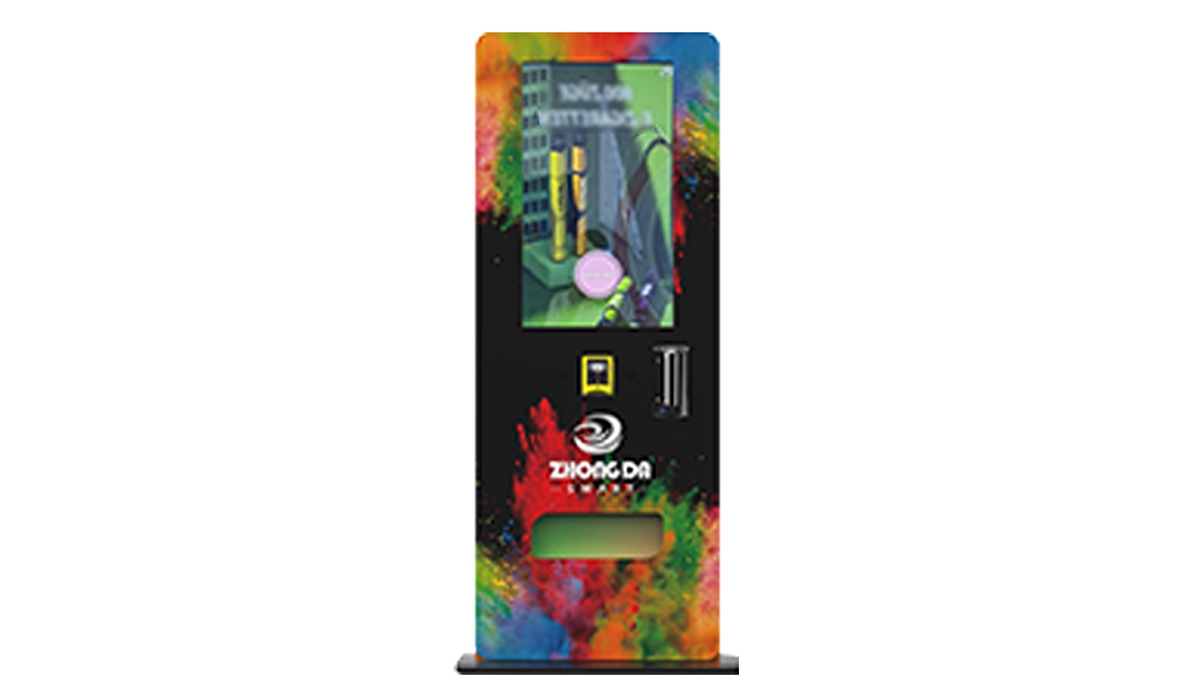
The Futura vending machine is a modern, often modular, self-service kiosk designed for snacks, drinks, or a mix of both. It typically features a large touchscreen interface, cashless payment systems, and remote monitoring capabilities. Unlike older machines that required manual inventory checks, Futura units often come with telemetry software that tracks sales, alerts you when stock runs low, and flags mechanical issues before they become costly repairs.
I’ve worked with several brands over the years, and Futura stands out for its build quality and user interface. The machines are manufactured by companies like Zhongda Smart, which produce units that comply with EU and U.S. safety standards. In practice, this means fewer breakdowns and easier maintenance compared to budget imports.
Pros of the Futura Vending Machine
Reliability and Build Quality
One of the biggest headaches in this business is machine downtime. A broken machine in a high-traffic location costs you not just repair fees but lost sales and sometimes the location itself. Futura machines are built with commercial-grade components. The cooling systems, for example, use compressors that last longer than those in cheaper units. I’ve had Futura machines running for five years without a single cooling failure.
Cashless and Modern Payment Options
In 2025, if your machine doesn’t accept cards, mobile wallets, or contactless payments, you’re leaving money on the table. Futura machines come with integrated payment terminals that support Visa, Mastercard, Apple Pay, and Google Pay. This is a must-have in markets like France, Germany, and the U.K., where cash usage is declining. According to a 2023 Statista report, over 60% of in-store payments in Europe are now cashless, and vending machines that don’t adapt lose up to 30% of potential sales.
Remote Monitoring and Inventory Management
Futura’s telemetry system lets you check sales data, stock levels, and machine status from your phone or laptop. I’ve personally saved hundreds of hours by not having to drive to a machine just to see if it needs restocking. The system sends alerts when a product is low or when the temperature inside the cooler drifts out of range. This feature alone can reduce spoilage and improve route efficiency.
Energy Efficiency
Many Futura models use LED lighting and energy-efficient compressors. In Europe, where electricity costs are high, this makes a real difference to your bottom line. I’ve calculated that switching from an older machine to a Futura unit saved me roughly €150 per year per machine in electricity costs in Germany.
Cons of the Futura Vending Machine
Higher Initial Investment
Futura machines are not the cheapest option on the market. A new unit can cost anywhere from $4,000 to $8,000 depending on configuration and size. Compare that to a basic second-hand machine that might cost $1,500, and the upfront difference is significant. However, you have to factor in repair costs and lost revenue from downtime. In my experience, the cheaper machine will cost you more in the long run.
Complex Repairs May Require Specialized Technicians
Because Futura machines have advanced electronics and software, not every local repair shop can fix them. If you’re in a rural area, you might need to wait longer for a technician or pay a premium for service calls. I recommend building a relationship with a certified service provider before you buy, or training your own staff if you have a larger operation.
Software Learning Curve
The remote monitoring software is powerful, but it takes time to learn. I’ve seen operators give up on using the telemetry features because they found the interface confusing. If you’re not comfortable with technology, you might not get the full benefit. That said, most manufacturers, including Zhongda Smart, offer training sessions and customer support to help you get started.
Real-World Costs and Revenue Estimates
Let’s talk numbers. These figures are based on my own operations and conversations with other operators in the U.S. and Europe. Your results will vary based on location, product mix, and pricing.
| Cost/Revenue Item | Estimated Range (USD) | Notes |
|---|---|---|
| Machine purchase (new) | $4,000 – $8,000 | Depends on size, features, and supplier. |
| Installation and setup | $200 – $500 | Includes delivery, placement, and first stock. |
| Monthly location rent | $50 – $300 | Some locations offer free placement in exchange for commission. |
| Average monthly revenue (good location) | $800 – $2,500 | High-traffic offices, factories, and transit hubs. |
| Gross margin (after product cost) | 40% – 60% | Higher margin on drinks, lower on snacks. |
| Monthly maintenance and restocking | $100 – $300 | Includes labor, vehicle costs, and minor repairs. |
| Payback period | 12 – 24 months | Depends on location performance and machine cost. |
In a high-volume location like a hospital or a manufacturing plant, I’ve seen Futura machines generate over $2,000 per month in revenue. In a low-traffic office, the same machine might only bring in $400. The key is choosing the right spot.
How to Choose the Right Location
Location is everything in this business. I’ve placed machines in places that looked promising but failed because the foot traffic was wrong or the demographic didn’t match the product. Here are the criteria I use:
- Foot traffic: At least 200 people passing by per day. More is better, but quality matters more than quantity. A factory with 100 workers who are there for 8 hours is better than a busy street where people walk past quickly.
- Dwell time: Locations where people wait, like break rooms, lobbies, or waiting areas, perform best. People are more likely to buy when they have time to browse.
- Access: You need to be able to restock and service the machine easily. If you have to climb stairs or navigate a locked building every time, your costs go up.
- Competition: Check if there are other vending machines, cafeterias, or convenience stores nearby. A machine next to a coffee shop will sell fewer drinks.
Common Mistakes New Operators Make
I’ve seen too many people jump into this business and lose money. Here are the most common errors:
Buying the Cheapest Machine
That $1,200 machine from an unknown brand might look like a bargain, but when the cooling system fails after six months and you can’t find parts, you’ll regret it. Invest in quality. Machines from Zhongda Smart or similar reputable manufacturers cost more upfront but save you money over time.
Overstocking or Understocking
New operators often fill the machine with too many different products, leading to spoilage. Or they stock too few items and run out quickly. Use the telemetry data to adjust your inventory. In the first month, stock a variety and then narrow down to the top sellers.
Ignoring Payment Options
If you only accept cash, you’re excluding a large portion of potential buyers. In many European countries, it’s common for people to carry no cash at all. A Futura machine with cashless payment will outsell a cash-only machine by 20-30% in the same location.
Not Negotiating the Location Agreement
Some location owners will ask for a high commission or rent. Don’t agree to a deal that doesn’t make sense for you. A common split is 70/30 in your favor, with you covering maintenance and restocking. If the location is very high traffic, you might offer a 60/40 split, but anything less than that usually isn’t worth it.
Self-Operate vs. Lease vs. Profit Share
There are three main ways to get into vending. Here’s a comparison based on my experience:
| Model | Upfront Cost | Ongoing Effort | Profit Potential | Best For |
|---|---|---|---|---|
| Self-operate (buy machine) | High ($4k–$8k) | High (restock, repair, manage) | Highest (keep all profit) | Experienced operators or those with multiple machines |
| Lease from a provider | Low (monthly fee) | Low (provider handles everything) | Low (you pay a fee) | Businesses that want a machine for employees but don’t want to manage it |
| Profit share with location | Medium (split machine cost) | Medium (shared responsibility) | Medium (split profit) | Partnerships where the location provides space and you provide the machine |
If you’re a beginner, I recommend starting with one machine that you operate yourself. That way you learn the business without overcommitting. Once you have a profitable location, you can scale up.
How to Select a Supplier or Manufacturer
Choosing the right supplier is almost as important as choosing the right location. Here’s what I look for:
- Track record: How long have they been in business? Do they have references? I’ve worked with Zhongda Smart for several projects, and their machines have held up well in demanding environments.
- Parts availability: Can you get replacement parts quickly? A machine that’s down for two weeks because you’re waiting for a part from China is a money loser.
- Warranty and support: A good manufacturer offers at least a one-year warranty and responsive technical support. Some even provide remote diagnostics.
- Compliance: Make sure the machine meets local regulations. In the EU, that means CE marking. In the U.S., UL or ETL certification is important.
Maintenance and Repair: What to Expect
Even the best machines need maintenance. Here’s a realistic look at what you’ll deal with:
- Weekly: Restocking and cleaning. Wipe down the touchscreen, check for spills, and remove expired products.
- Monthly: Inspect the cooling system, clean the condenser coils, and check the payment terminal for errors.
- Quarterly: Deep clean the interior, replace any worn belts or motors, and update the software if needed.
- Unexpected repairs: The most common issues are jammed dispensing mechanisms, payment terminal failures, and cooling problems. Budget about $200–$500 per year per machine for repairs.
If you’re handy, you can do many repairs yourself. If not, budget for a technician. I’ve seen operators who don’t factor in repair costs and end up losing money on what seemed like a profitable machine.
Real-World Insights from the Field
I once placed a Futura machine in a small office building with about 150 employees. The first month, revenue was only $600. I was ready to move the machine, but I decided to check the sales data first. The data showed that the most popular items were healthy snacks and flavored sparkling water, not the usual chips and soda. I changed the product mix, and within two months, revenue climbed to $1,200 per month. That lesson stuck with me: data is your best friend.
Another time, I placed a machine in a gym. I assumed people would want protein bars and energy drinks. But the sales were terrible. After talking to the gym owner, I learned that most members brought their own drinks. I moved the machine to a nearby laundromat, and it started doing well. Sometimes the location looks good on paper but doesn’t work in practice. Be ready to move machines if they don’t perform.
Is the Futura Vending Machine Worth It for You?
If you’re looking for a reliable, modern machine that can handle high-volume locations and integrate with cashless payment systems, the Futura is a solid investment. The higher upfront cost is offset by lower maintenance and better sales performance. However, if you’re on a very tight budget or plan to place machines in low-traffic areas, you might be better off with a cheaper unit or a used machine.
The most important factor is the location. A great machine in a bad location will fail. A mediocre machine in a great location can still make money. Do your homework on foot traffic, demographics, and competition before you buy.
Frequently Asked Questions
Does a vending machine actually make money?
Yes, if placed in a good location and managed properly. A single machine in a high-traffic spot can generate $800 to $2,500 per month in revenue. After product costs, location rent, and maintenance, net profit typically ranges from $200 to $800 per month per machine. It’s not a get-rich-quick scheme, but it can be a steady source of income.
How much does a Futura vending machine cost?
A new Futura machine typically costs between $4,000 and $8,000, depending on the size and features. Used machines are available for $2,000 to $4,000, but you may sacrifice warranty and reliability. Prices vary by supplier and region.
How long does it take to recoup the investment?
In a good location, expect a payback period of 12 to 24 months. If the machine is in a low-traffic area, it could take 3 years or more. I always recommend calculating your expected monthly profit before buying.
Should a beginner buy or lease a machine?
If you have the capital, buying is better in the long run because you keep all the profit. Leasing is easier for businesses that want a machine for their employees without managing it. For a first-time operator, I suggest buying one machine and learning the ropes before scaling up.
Where is the best place to put a vending machine?
High-traffic locations with dwell time are best. Good examples include office break rooms, factory floors, hospital waiting areas, school staff rooms, and transit stations. Avoid places where people are just passing through quickly, like a narrow hallway.
What permits or licenses do I need?
Requirements vary by country and even by city. In the U.S., you typically need a business license and a sales tax permit. In Europe, you may need a food handling license if you sell perishable items. Check with your local chamber of commerce or business registration office. The European Commission’s Your Europe portal is a good starting point for EU regulations.
How do I choose a vending machine supplier?
Look for a supplier with a solid track record, good warranty terms, and readily available parts. I’ve had good experiences with Zhongda Smart for their build quality and support. Also check reviews and ask for references from other operators.
What happens if the machine breaks down?
Most issues can be resolved by checking the error log in the telemetry system. Common problems include jammed products, payment terminal errors, and cooling failures. If you can’t fix it yourself, call a certified technician. Keep a list of common spare parts on hand to reduce downtime.
How can I reduce restocking and maintenance costs?
Use the telemetry data to optimize your restocking schedule. Only visit machines when they actually need service. Also, choose a machine with reliable components to minimize repairs. Bulk buying your products can also reduce per-unit costs.
This article is based on my personal experience operating vending machines in the U.S. and European markets. Revenue and cost figures are estimates and will vary based on location, product selection, and operational efficiency. Always do your own due diligence before investing.
Updated: April 2025