How Much Do Vending Machine Owners Make_ Prices, Profit Potential, and Setup Guide for Beginners
If you are wondering how much do vending machine owners make, the short answer is that a well-placed machine in the United States or Europe typically generates between $200 and $800 in monthly revenue, with gross profit margins ranging from 40% to 60% depending on product mix and location. But let me be clear from the start: this is not a get-rich-quick business. After running my own vending route for over a decade across several states and consulting for operators in the UK and Germany, I can tell you that the difference between a profitable machine and a money pit comes down to three things—location, equipment choice, and how disciplined you are with restocking. This guide walks you through real costs, realistic profit expectations, and the setup steps I wish someone had explained to me when I started.
What a Vending Machine Business Actually Looks Like
Most people imagine a soda and snack machine in an office breakroom. That is still a solid model, but the industry has expanded into frozen food, fresh salads, electronics, and even pharmacy items. In Europe, you will see automated retail kiosks selling everything from phone chargers to organic yogurt. The core principle remains the same: you sell convenience at a markup, and the machine does the selling while you handle the logistics.
I have placed machines in warehouses, hospital waiting areas, college dorm lobbies, and car repair shops. Each location type has its own quirks. A warehouse with 200 employees working twelve-hour shifts will outperform a busy retail corridor where people can walk to a shop. You are not competing with other vending machines—you are competing with the customer's laziness and their willingness to walk somewhere else.
How Much Do Vending Machine Owners Make: Real Revenue Ranges
Based on my own route and data shared by operators in forums like the NAMA (National Automatic Merchandising Association) network, a single machine in a good location averages $300 to $600 per month in sales. High-traffic spots like hospitals or factories with 24-hour shifts can push that to $1,200 or more. But you must subtract product cost (typically 40% to 50% of revenue), credit card processing fees (2% to 4%), and machine lease or depreciation.
Let me give you a real example. I had a snack machine in a small auto parts warehouse with 50 employees. Monthly sales averaged $420. Product cost was about $190. Card processing fees took another $12. After factoring in my time for restocking (about 45 minutes every two weeks) and a small allocation for machine maintenance, that machine netted roughly $180 per month. Not life-changing, but that was one of twenty machines on my route. The combined income became meaningful.
According to a 2023 IBISWorld report on vending machine operators in the US, the industry average profit margin is around 12% after all expenses. That number includes operators with high overhead and inefficient routes. A focused solo operator can do better.
Initial Investment: What You Need to Budget
Let me break down the costs you will face before your first sale. This is where many beginners miscalculate.
Machine Purchase Price
A new combo snack and soda machine from a reputable manufacturer like Zhongda Smart runs between $3,500 and $6,000 depending on features. Refrigerated food machines for fresh items cost more—between $6,000 and $10,000. Used machines can be found for $1,500 to $3,000, but be careful. I have bought "cheap" used machines that needed $800 in repairs within three months. A machine with a faulty compressor or an outdated payment system will eat your profits fast.
Payment System Upgrade
Most modern vending machines come with a built-in card reader, but if you buy used, you may need to retrofit one. A telemetry system (which lets you monitor inventory and sales remotely) adds another $300 to $600. I consider telemetry essential. Without it, you are driving to machines blind, guessing what needs restocking. That wastes fuel and time.
Installation and Location Costs
You may need to pay a commission to the property owner. Common arrangements are a flat monthly fee ($50 to $200) or a percentage of sales (10% to 20%). Some locations require no upfront fee if you provide a free machine and service. I have done both. For a high-traffic location, I am willing to pay 15% commission because the volume justifies it.
| Expense Category | Low End | High End |
|---|---|---|
| New machine (snack + drink) | $3,500 | $6,000 |
| Used machine | $1,500 | $3,000 |
| Card reader + telemetry | $400 | $800 |
| First product stock | $500 | $1,200 |
| Location commission (annual) | $0 | $2,400 |
| Total startup (per machine) | $2,400 | $10,400 |
Payback Period: When Do You Break Even?
Assuming a monthly net profit of $150 to $300 per machine, a new $5,000 machine will pay for itself in roughly 18 to 30 months. If you buy a used machine that needs little work, that timeline shortens to 10 to 15 months. I have seen operators claim six-month payback, but those are rare cases involving extremely high traffic and very low product costs. Do not bank on that.
One mistake I made early on was underestimating how long it takes to build a route. Your first machine might break even in two years. Your tenth machine, placed in a better location using lessons learned, might break even in twelve months. The business scales well, but the first machine is often the hardest.
Choosing the Right Location: The Make-or-Break Decision
I cannot overstate this: location is everything. A great machine in a bad location will lose money. An average machine in a great location will print cash. Here is how I evaluate a potential spot.
Foot Traffic vs. Dwell Time
Foot traffic alone is not enough. A train station has thousands of people passing through, but if they are rushing to catch a train and there is a shop nearby, your machine gets ignored. Dwell time matters more. Places where people wait—laundromats, car repair waiting rooms, hospital lobbies, factory break areas—are gold. I once placed a machine in a DMV waiting room. That machine did $900 a month because people were stuck there for 30 minutes with nothing to do.
Accessibility for Restocking
Consider your own time. A machine in a secure office building that requires a badge to enter and only allows restocking during business hours will cost you more in scheduling headaches. I prefer locations with 24-hour access or flexible entry.
Competition and Saturation
Check if there is already a machine on site. If the current machine looks outdated and poorly stocked, the location may be under-served. That is your opportunity. If there are three machines in the same breakroom, walk away.
Product Selection: What Sells and What Sits
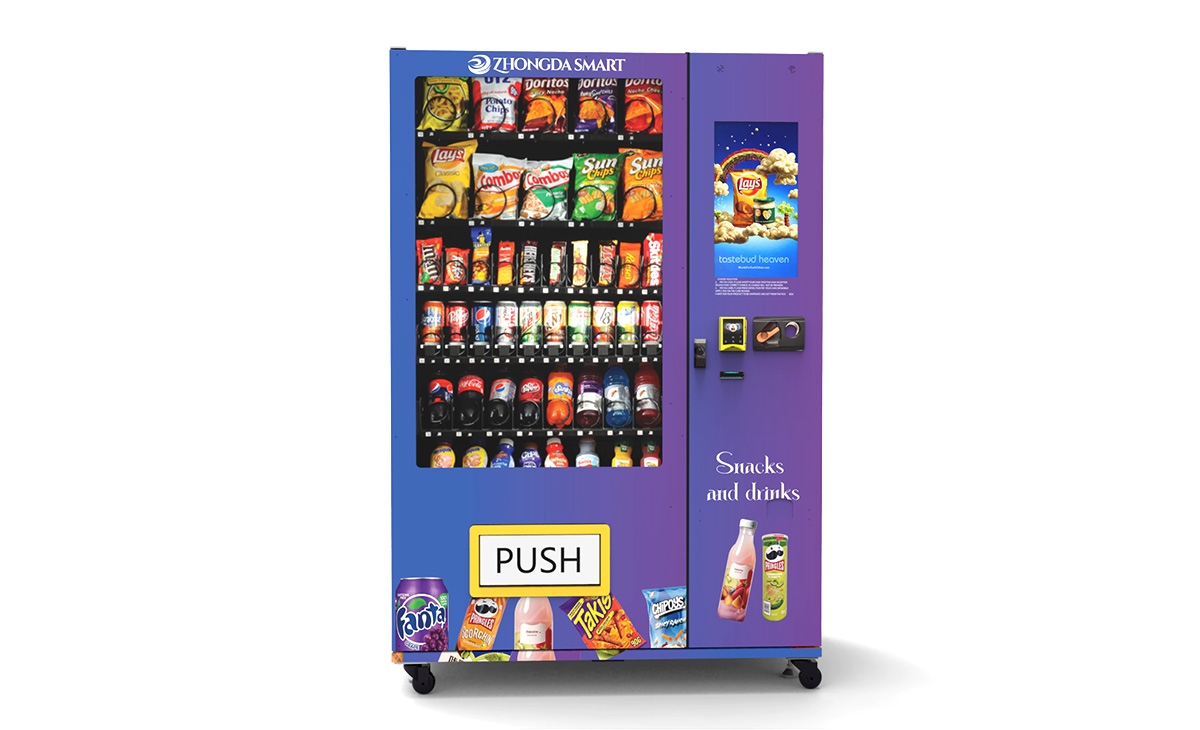
I have learned through trial and error that variety matters less than targeting the specific demographic. In a blue-collar warehouse, sell Gatorade, protein bars, and chips. In a hospital, sell healthier options like nuts, granola bars, and bottled water. In a college dorm, sell ramen, instant coffee, and candy.
Track your sales data. Most modern machines with telemetry give you a report of what sold and what did not. If a product has not moved in two weeks, swap it out. I keep a "dead stock" bin and rotate items between machines. What fails in one location might sell well in another.
Vending Machine Repair and Maintenance: The Hidden Cost
Every machine will break. It is not a question of if, but when. Common issues include jammed coin mechanisms, failed refrigerated units, and payment system errors. I budget about $200 per machine per year for repairs. If you are not handy with tools, you will need to pay a technician. In the US, a service call runs $75 to $150 per visit. In Europe, similar rates apply depending on the region.
I recommend learning basic vending machine repair yourself. Changing a belt, clearing a jam, or swapping a power supply takes 20 minutes and saves you a service fee. For major issues like compressor failure, call a pro.
Supplier Selection: How to Choose a Vending Machine Manufacturer
When I started, I bought machines from a generic wholesaler. The build quality was inconsistent, and replacement parts were hard to find. Over time, I learned to prioritize manufacturers with good after-sales support and readily available spare parts. Zhongda Smart is one supplier I have worked with for mid-range machines. Their equipment offers solid value for the price, especially for operators who need reliable refrigeration and modern payment integration. I also recommend checking reviews on operator forums and asking for references before committing to any brand.
Look for a manufacturer that offers a warranty of at least one year on the compressor and two years on parts. Avoid suppliers who cannot provide a manual in English or a clear parts diagram.
Common Beginner Mistakes
I have made most of these myself, so I speak from experience.
Overpaying for a Used Machine
A used machine that looks clean may have a worn-out compressor or a motherboard that is no longer supported. Always test the machine before buying. Bring a multimeter and check the power supply. Run a test sale.
Ignoring Payment Preferences
In 2025, cash-only machines are a liability. Many customers do not carry coins or small bills. A machine without a card reader will lose at least 30% of potential sales. In some European countries, contactless payment is even more critical.
Restocking Too Often or Too Rarely
Restocking once a week is ideal for most locations. More than that wastes time. Less than that leads to empty slots and lost sales. Use telemetry to know exactly when to visit.
Different Business Models: Self-Operate vs. Profit Sharing
You have three main options for running a vending machine business. Each has trade-offs.
| Model | Pros | Cons |
|---|---|---|
| Self-operate (own machine) | Full profit, full control | All risk, all maintenance |
| Profit sharing with location | Lower upfront cost | Lower margin, less control |
| Lease machine to location | Passive income, no restocking | Lower monthly return |
I started with self-operate. Once I had ten machines, I experimented with leasing a few machines to locations that wanted to stock their own products. The income was lower, but the time commitment dropped to nearly zero.
Legal Considerations and Permits
In the US, you generally need a business license and a seller's permit. Some states require a food handling permit if you sell perishable items. In Europe, regulations vary by country. For example, in France, you must register with the local chamber of commerce and comply with hygiene standards for any food vending. According to the French public service portal Service-Public.fr, a distributeur automatique selling food must meet temperature control and traceability requirements.
I recommend checking with your local health department before placing a machine. A fine for non-compliance can wipe out months of profit.
Frequently Asked Questions
Do vending machines make good money?
They can, but it depends on location and operating efficiency. A single machine in a good spot can net $150 to $300 per month. A route of 20 machines can generate a full-time income.
How much does a vending machine cost?
New machines range from $3,500 to $10,000. Used machines can be found for $1,500 to $3,000, but may need repairs.
How long does it take to recoup the investment?
Typically 18 to 30 months for a new machine, shorter for used machines in good condition.
Should a beginner buy or lease a vending machine?
Buying is better for long-term profit. Leasing is easier but reduces your margin. I recommend buying a used machine in good condition from a reputable source.
Where should I place a vending machine?
Look for locations with high dwell time and limited food options: warehouses, hospitals, college dorms, car repair shops, laundromats, and factory break rooms.
What permits do I need?
At minimum, a business license and seller's permit. For food items, check local health department requirements.
How do I choose a vending machine supplier?
Look for manufacturers with good warranty support, available spare parts, and positive operator reviews. Zhongda Smart is a reliable option for mid-range machines.
What happens if the machine breaks down?
Learn basic troubleshooting for common issues. For major repairs, budget $200 per machine per year for service calls.
How can I reduce restocking costs?
Use telemetry to track inventory and avoid unnecessary trips. Plan efficient routes if you have multiple machines.
Final Thoughts from a Decade in the Business
I have seen people walk into this industry thinking they will buy a machine, put it somewhere, and collect money. That is not how it works. You are running a logistics business. You need to stock, clean, repair, and rotate products. You need to negotiate with property owners and handle customer complaints when a bag of chips gets stuck. But if you treat it like a real business, it can provide steady income and flexibility that few other side ventures offer.
Start small. Buy one machine. Test it in a location you can easily access. Track everything. Learn from your mistakes. Once you have a profitable machine, replicate the model. That is how you build a route that pays.
Disclaimer: The revenue and cost figures in this article are based on my personal experience and publicly available industry data. Actual results vary based on location, product mix, operating efficiency, and market conditions. This content does not constitute financial or legal advice.
本文更新于 2025 年 2 月。