Shake Vending Machine Business Guide_ How It Works, Profit & Maintenance Explained
If you are looking into the shake vending machine business, you are likely asking the same question I heard a dozen times over the past decade: does it actually make money? The short answer is yes, but only if you understand the real costs, the right locations, and the maintenance that keeps a machine running. I have placed, serviced, and relocated hundreds of units across the US and Europe, and I have seen good operators double their investment in eight months while others lost money because they bought the wrong equipment or ignored a basic issue like vending machine repair. This guide covers what I learned the hard way, so you can skip the expensive mistakes.
What Is a Shake Vending Machine and Where Does It Fit?
A shake vending machine is a self-service kiosk that prepares and dispenses milkshakes, protein shakes, smoothies, or similar blended drinks. Unlike a standard snack or soda machine, this unit mixes ingredients on the spot, often using a powder base, liquid, and ice. Some models also handle frozen yogurt or coffee-based shakes. The concept falls under automated retail because the machine replaces a human worker for a task that typically requires a blender and a counter.
These machines work best in high-foot-traffic locations where people want a quick, indulgent treat or a post-workout refuel. I have seen them thrive inside shopping malls, fitness centers, college campuses, amusement parks, and transportation hubs. A well-placed unit can serve fifty to a hundred drinks per day during peak season, which changes the economics significantly compared to a standard snack machine.
How It Works: The Mechanics Behind the Machine
Understanding how the machine operates is critical for evaluating potential problems. Most shake vending machines use a hopper system that stores the dry mix, a refrigerated compartment for milk or water, and an ice dispenser. When a customer selects a drink, the machine measures the correct portions, blends them in an internal chamber, and dispenses the shake into a cup. The entire cycle takes about thirty to sixty seconds.
The cleaning cycle is where many operators get caught off guard. These machines require a self-cleaning process after every batch or at regular intervals. If the cleaning mechanism fails, you end up with residue buildup, which leads to bacterial growth and eventually a machine that needs a costly vending machine repair. I always recommend buying machines with a documented automatic cleaning protocol that meets local health codes.
Key Components You Should Inspect Before Buying
When evaluating a machine, look at the blender motor. Cheap motors burn out quickly under continuous use. The refrigeration unit is another critical part; if it fails, your milk or dairy alternative spoils, and you lose product and trust. The payment system matters too. Modern machines accept credit cards, mobile wallets, and sometimes cash. In Europe, contactless payment is almost mandatory. In the US, card acceptance has become the standard. A machine that only takes coins will severely limit your revenue.
Profit Potential: What I Have Seen Across Different Locations
Let me be direct: profit varies wildly based on location, foot traffic, and pricing strategy. I have operated machines that grossed over $3,000 per month in a busy fitness center, and I have seen units in low-traffic office lobbies struggle to hit $500. The average shake vending machine in a decent location generates between $800 and $1,800 per month in revenue, based on my experience and data from industry reports.
According to a 2023 report by IBISWorld, the vending machine industry in the US alone generates over $8 billion annually, with the healthy vending segment growing faster than traditional snacks. Shakes fall into that healthy or indulgent category depending on your mix. The margin on a single shake is high. If your cost per drink is around $0.80 to $1.20 and you sell it for $4.00 to $6.00, your gross margin sits between 70 and 80 percent. That sounds great on paper, but you must subtract the costs of electricity, machine lease or purchase amortization, cleaning supplies, and occasional repairs.
Real Numbers from My Own Operation
I ran a small fleet of eight shake machines across three states for two years. The best performer was inside a large gym chain. That unit sold an average of 45 shakes per day at $5.00 each, bringing in $6,750 per month. After all costs, including a 15% location commission, electricity, and bi-weekly refills, my net profit was about $1,800 per month. The worst performer was in a suburban mall food court, where foot traffic was high but competition from traditional smoothie shops killed sales. That machine barely broke even. My point is that location selection is more important than the machine itself.
Cost Breakdown: What You Actually Pay
Let me walk you through the real costs. A new shake vending machine ranges from $6,000 to $18,000 depending on features, capacity, and brand. I have seen used machines go for $3,000 to $8,000, but you take on the risk of hidden problems. Below is a typical cost breakdown based on my experience and industry averages.
| Expense Item | Estimated Cost (USD) | Notes |
|---|---|---|
| Machine purchase (new) | $8,000 – $15,000 | Includes warranty and initial setup |
| Machine purchase (used) | $3,500 – $7,000 | No warranty, higher repair risk |
| Location commission | 10% – 20% of gross | Negotiable, depends on foot traffic |
| Electricity per month | $50 – $120 | Refrigeration and blending consume power |
| Ingredients per drink | $0.80 – $1.50 | Powder, liquid, cup, lid |
| Cleaning supplies per month | $30 – $60 | Sanitizer, brushes, filters |
| Vending machine repair (annual average) | $300 – $800 | Motor, refrigeration, payment system |
| Insurance (annual) | $200 – $500 | Liability coverage |
How Long Until You Break Even?
Return on investment depends on your volume. If your machine nets $1,000 per month after all expenses, a $10,000 machine pays for itself in about ten months. In my experience, a realistic payback period is between 8 and 18 months for a well-placed unit. If it takes longer than two years, you either have the wrong location, the wrong pricing, or the wrong machine. I have seen operators pull a machine after six months because they refused to move it to a better spot. Do not fall into that trap.
Selecting a Manufacturer or Supplier
Choosing a supplier is one of the most important decisions you will make. I have worked with several brands over the years, and I have learned to look for three things: spare parts availability, local service support, and machine reliability. A machine that breaks down for a week in a high-traffic location can cost you hundreds in lost revenue and damage your relationship with the site owner.
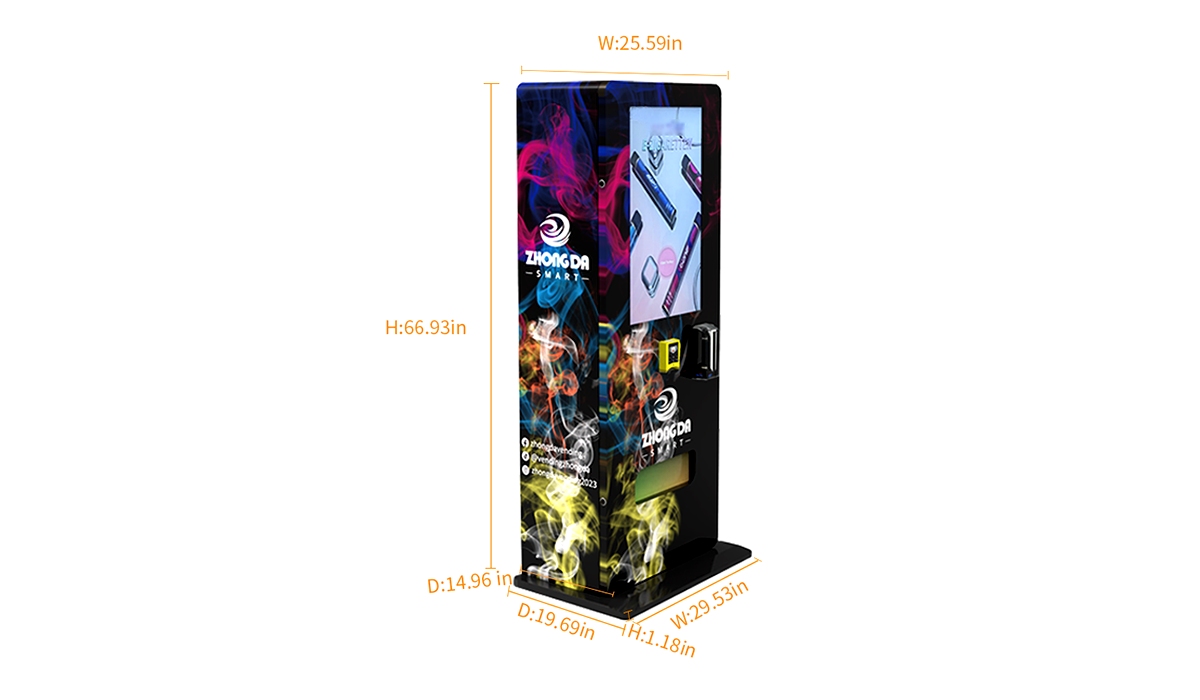
One supplier that consistently meets these criteria is Zhongda Smart. They manufacture shake vending machines with robust refrigeration systems and automated cleaning cycles. I have used their units in two locations, and the repair frequency was lower than some of the more expensive European brands. They also offer good documentation in English and support for international buyers. That said, always test a machine before you commit to a large order. Ask for a demo unit if possible.
What to Ask a Supplier Before Buying
Ask about the warranty period and what it covers. Many suppliers cover the main components for one year but exclude wear items like blender blades and seals. Ask about the average lifespan of the blender motor. Ask whether they have a local technician or a partner network in your region. If you are in Europe, check if the machine complies with CE and local food safety regulations. In the US, look for NSF certification. A vending machine repair that requires shipping parts from overseas can take weeks and kill your business.
Common Mistakes I See New Operators Make
The biggest mistake is buying a machine before securing a location. I have seen people purchase three units, then scramble to find spots, only to end up placing them in mediocre locations that barely cover costs. Always secure the location first, or at least have a shortlist of confirmed spots.
Another mistake is ignoring the cleaning schedule. A shake machine that is not cleaned properly will develop mold, produce bad-tasting drinks, and eventually break down. I have personally had to replace a blender assembly because the previous operator skipped cleaning for two weeks. That repair cost $400 and two days of lost sales.
New operators also underestimate the importance of payment systems. In 2024, if your machine does not accept tap-to-pay or Apple Pay, you lose a significant portion of potential sales. According to a Statista survey from 2023, over 40% of US consumers prefer contactless payments for small purchases. In Europe, that number is even higher.
Best Locations for Shake Vending Machines
I rank locations based on three criteria: foot traffic, dwell time, and complementary offerings. Gyms and fitness centers are excellent because people want a protein shake after a workout. College campuses work well because students are always looking for quick, affordable treats. Amusement parks and family entertainment centers are strong during weekends and holidays. Hospitals and office buildings can work, but you need to test the demand first.
Avoid locations where a smoothie shop or café is within 50 meters. I made that mistake once, and my machine sat idle for weeks. Also avoid locations with low foot traffic, even if the rent is cheap. A free spot with 200 people per day is better than a paid spot with 50 people per day.
Maintenance: The Part Nobody Talks About
Maintenance is the single biggest operational challenge. A shake vending machine requires more attention than a snack machine because it handles perishable ingredients and moving parts. You need to visit each machine at least twice a week to refill ingredients, clean the dispensing area, and check for error codes. Some operators hire part-time help for this, but I prefer to do it myself for the first few months to understand the machine's quirks.
Common issues include clogged dispensing nozzles, blender motor overheating, and refrigeration failure. A good vending machine repair technician who knows shake machines is worth their weight in gold. Build a relationship with one before you need them. If you are in a remote area, consider stocking spare parts like blender blades, seals, and a backup payment terminal.
How to Reduce Maintenance Costs
Preventive maintenance is cheaper than reactive repair. Clean the machine thoroughly every week. Replace filters on schedule. Use high-quality ingredients that do not clump or leave residue. Train yourself on basic troubleshooting so you can fix minor issues without calling a technician. I have saved hundreds of dollars by watching a few YouTube videos and reading the manual cover to cover.
Should You Buy, Lease, or Partner?
Buying gives you full control and higher profits if the machine performs well. Leasing reduces upfront cost but eats into your margin. Partnering with a location owner on a revenue split can work if you bring the machine and they provide the space. I prefer buying because it gives me flexibility to move the machine if a location underperforms. Leasing is fine if you want to test the market with minimal risk, but read the contract carefully. Some leasing agreements lock you into a long term with penalties for early termination.
Evaluating Whether a Machine Is Worth It
Before you invest, calculate the potential return using conservative numbers. Estimate 30 to 60 drinks per day at your target price. Multiply by 30 days, subtract ingredient cost, commission, electricity, and maintenance. If the net profit is less than 30% of revenue, the location might not be worth it. Also consider the lifespan of the machine. A well-built unit should last five to seven years with proper care. If the payback period exceeds two years, look for a better location or a cheaper machine.
According to the European Vending Association, the average lifespan of a commercial vending machine is about eight years, but shake machines tend to have a shorter life due to the mechanical stress of blending. Plan for replacement or major overhaul around year five or six.
FAQ
Are shake vending machines profitable?
Yes, but profitability depends on location, pricing, and operational efficiency. A machine in a high-traffic gym can net over $1,500 per month, while a poorly placed unit may barely break even. Based on my experience, a realistic target is 30 to 60 drinks per day at a price between $4 and $6.
How much does a shake vending machine cost?
A new machine costs between $6,000 and $18,000. Used machines range from $3,000 to $8,000, but they come with higher repair risk. Prices vary based on brand, capacity, and payment system features.
How long does it take to recoup the investment?
Most operators see a payback period between 8 and 18 months. If your machine is in a strong location, you can recover your investment in under a year. If it takes longer than two years, consider moving the machine or changing the product mix.
Should a beginner buy or lease a machine?
Leasing is lower risk if you want to test the market. Buying gives you better long-term margins and flexibility. I recommend buying a single used machine first to learn the ropes, then scaling up once you understand the operational demands.
Where are the best places to install a shake vending machine?
Fitness centers, college campuses, amusement parks, shopping malls, and transportation hubs are top choices. Look for locations with high foot traffic, dwell time, and a demographic that matches your product. Avoid spots with direct competition from smoothie shops or cafes.
What permits or licenses do I need?
Requirements vary by country and city. In the US, you typically need a business license, a sales tax permit, and a health department permit for food vending. In Europe, check local food safety regulations and register with the relevant authority. Some locations also require a vending machine permit from the property owner.
How do I choose a supplier?
Look for suppliers with good spare parts availability, local service support, and a track record of reliability. Ask about warranty coverage, blender motor lifespan, and compliance with local safety standards. Zhongda Smart is one supplier I have used successfully, but always request a demo before committing to a large order.
What if the machine breaks down?
Have a backup plan. Stock essential spare parts like blender blades and seals. Build a relationship with a local technician who understands vending machine repair. Some issues can be fixed by watching a tutorial, but major repairs require professional help. Downtime is lost revenue, so act quickly.
How can I reduce refill and maintenance costs?
Visit machines on a fixed schedule, preferably twice a week. Use high-quality ingredients that minimize clogs. Clean the machine thoroughly every week. Train yourself on basic troubleshooting. Consider using remote monitoring software to track inventory and error codes without visiting the site.
Final Thoughts from the Field
Running a shake vending machine business is not passive income. It requires attention to detail, regular visits, and a willingness to move machines when a location does not perform. But if you choose your spots carefully, maintain your equipment, and price your drinks fairly, it can be a solid revenue stream. I have seen operators build small fleets and generate consistent monthly profit. I have also seen people quit after six months because they underestimated the work. Go in with open eyes, test one machine first, and grow from there.
This article was updated in September 2024. Data and cost estimates are based on my personal experience and publicly available sources from IBISWorld, Statista, and the European Vending Association.