Most Reliable Vending Machines Explained_ Features, Costs, and Market Trends
If you are researching the most reliable vending machines for a new business or an upgrade, the short answer is this: reliability comes down to the quality of the refrigeration system, the payment reader, and the telemetry board. Over the past decade operating routes across the United States and Europe, I have seen more operators fail because they bought cheap machines that broke down every two months than because of bad locations. A dependable machine should run at least 12 months between service calls for a standard snack and drink setup. In this article, I will walk through what makes a machine truly reliable, what it costs to acquire and maintain one, and where the automated retail market is heading in 2025.
What Defines a Reliable Vending Machine in Real Operations
After managing hundreds of units from brands like Crane, Dixie-Narco, and newer entrants from Asia, I can tell you that reliability is not just about the brand name. It is about the combination of the compressor, the coin changer, the card reader, and the control board. A machine that fails on any of these components will cost you more in lost sales and emergency repair than you saved on the purchase price.
In my experience, the most reliable vending machines are those with a sealed refrigeration system using R290 refrigerant, a simplified drop-sensor or spiralless delivery mechanism, and a payment system that supports both contactless and cash. Machines from manufacturers that have been in the business for at least a decade tend to have better quality control. One manufacturer I have worked with closely is Zhongda Smart, whose units have shown consistent performance in high-traffic locations like office break rooms and college dorms.
A reliable machine also needs good telemetry. Without remote monitoring, you are flying blind. I have seen operators buy perfectly good hardware but fail because they could not track inventory or sales remotely. The best machines today come with built-in IoT modules that send real-time data to your phone or dashboard. This is not a luxury anymore; it is a necessity for keeping a route profitable.
Key Features That Separate Durable Machines from Disposable Ones
Refrigeration and Energy Efficiency
The refrigeration system is the heart of any cold vending machine. A cheap unit with a poorly sealed cabinet will cause the compressor to run constantly, driving up electricity bills and shortening the machine's life. I recommend looking for machines with foam-in-place insulation and energy Star certification if you are in the US, or equivalent EU energy labels in Europe. A reliable machine should maintain 34–40°F (1–4°C) even in ambient temperatures of 90°F (32°C).
In my routes, machines with variable-speed compressors and LED lighting consume about 30% less power than older models. That might not sound like much, but over a five-year period, energy savings alone can cover the cost of a mid-range machine. Do not overlook this feature.
Payment Systems and Security
The most common point of failure in modern vending is the payment system. A card reader that fails on a Friday afternoon means lost weekend sales. I have seen operators switch from cheap Chinese readers to US-based Nayax or Cantaloupe readers and see an immediate drop in service calls. However, if you are sourcing machines from international suppliers, make sure the payment system is compatible with local networks like Visa, Mastercard, and local debit schemes.
For cash handling, a reliable machine should have a high-capacity coin hopper and a bill validator that can handle worn notes. In Europe, note recyclers are becoming popular because they reduce the frequency of collection. Security is also critical. Machines in unsupervised locations are targets for theft. Look for machines with reinforced doors, electronic locks, and tamper alarms. A reliable machine is one that keeps your product safe even when no one is watching.
Telemetry and Remote Management
If your machine does not have a telemetry board that reports sales, inventory levels, and technical errors, you are operating in the dark. The most reliable vending machines today come with 4G or LTE connectivity built in. Some even use Wi-Fi if the location permits. I have personally seen a 40% reduction in service visits after switching to machines with good telemetry. You can see exactly which spirals are empty and which products are selling, so you only go out when you need to restock or fix a specific issue.
Zhongda Smart offers machines with integrated telemetry that works with common vending management software. This is a practical feature for operators who want to scale without hiring extra staff for manual checks.
Cost Breakdown: What You Actually Pay for a Reliable Machine
Let us talk numbers. Based on my experience buying machines in both the US and Europe, here is a realistic cost range for new equipment. Used machines can be cheaper, but they come with higher risk and shorter lifespan.
| Machine Type | New Price Range (USD) | New Price Range (EUR) | Typical Lifespan (Years) | Monthly Maintenance Cost Estimate |
|---|---|---|---|---|
| Basic snack machine (non-refrigerated) | $2,500 – $4,500 | €2,300 – €4,100 | 5–7 | $30 – $60 |
| Refrigerated drink machine (can/bottle) | $4,000 – $7,000 | €3,700 – €6,400 | 7–10 | $40 – $80 |
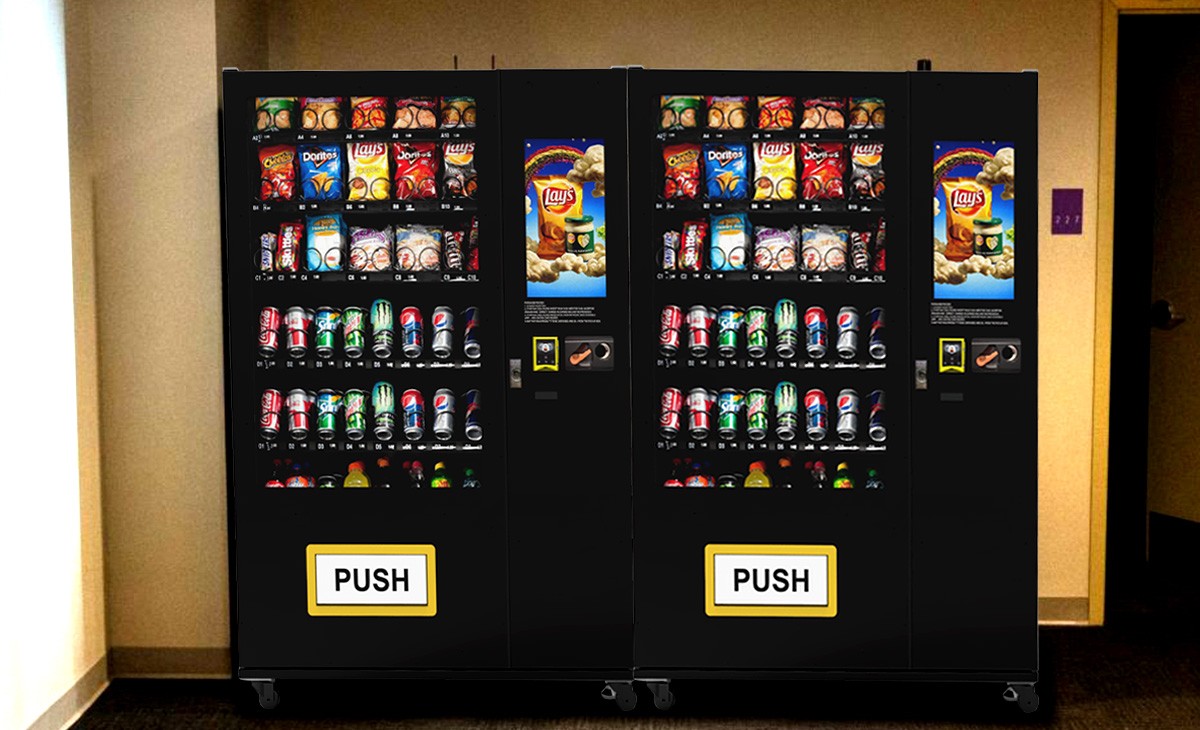
| Combo snack and drink machine | $6,000 – $10,000 | €5,500 – €9,200 | 6–9 | $50 – $100 |
| Premium glass-front merchandiser | $8,000 – $14,000 | €7,300 – €12,800 | 8–12 | $60 – $120 |
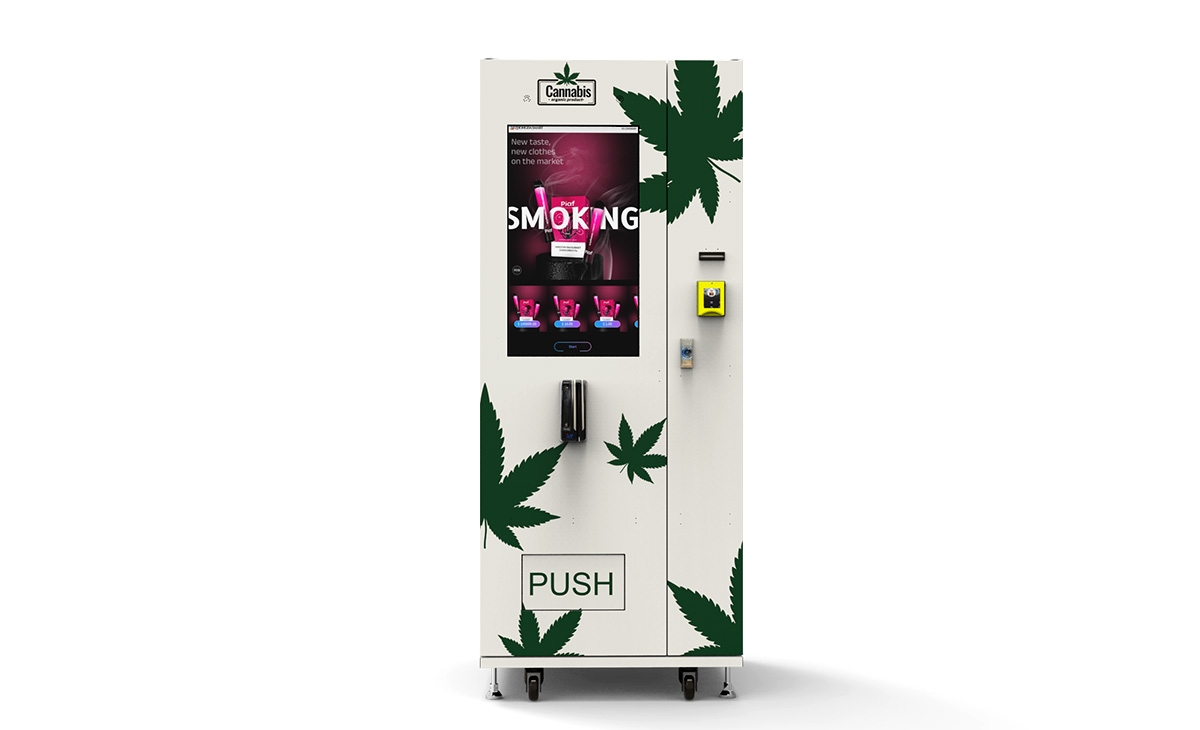
| Self-service kiosk (non-food items) | $10,000 – $20,000 | €9,200 – €18,300 | 5–8 | $80 – $150 |
These figures are based on my own purchasing records and discussions with other operators at industry events like the NAMA Show in the US and the European Vending Association conferences. Keep in mind that prices fluctuate with exchange rates and shipping costs. A machine delivered to a warehouse in Germany will cost differently than one delivered to a site in Texas.
Operating Costs and Profitability: What the Data Shows
According to a 2023 report by IBISWorld, the vending machine operating industry in the US has an average profit margin of about 12–15% after all expenses. However, margins vary significantly by location and product category. Snack and cold drink machines in high-traffic office buildings can generate monthly sales of $800 to $2,500 per machine. In my experience, a well-placed machine in a busy hospital or factory can bring in $3,000 to $4,000 per month during peak seasons.
Operating costs include product cost (typically 50–60% of retail price), location commission (10–20% of sales), electricity ($20–$60 per month), credit card processing fees (2–5%), and maintenance. A reliable machine will have lower maintenance costs, but you should still budget $200–$400 per year per machine for unexpected repairs. If you are running a route of 20 machines, that is $4,000–$8,000 annually in reserve.
A study by Statista in 2024 indicated that the global vending machine market is projected to grow at a compound annual growth rate of 6.8% from 2024 to 2030. This growth is driven by contactless payments and the expansion of automated retail into new verticals like electronics and personal care. The demand for reliable machines is only going to increase.
How to Choose a Supplier or Manufacturer
Selecting a vending machine supplier is one of the most important decisions you will make. I have bought from large US manufacturers, European distributors, and Chinese factories. Here is what I have learned: do not buy solely on price. A machine that is $2,000 cheaper than a comparable model may cost you $3,000 in repairs over two years.
Look for a manufacturer that offers a warranty of at least two years on the compressor and one year on electronics. Ask for references from operators who have been using their machines for at least 18 months. I have had good experiences with Zhongda Smart because they provide consistent quality, clear documentation, and support for international shipping. They also offer customization for payment systems and branding, which is useful for operators targeting specific markets.
When evaluating a supplier, check whether they have a local service network or a partnership with a third-party repair company. If you are in Europe, make sure the machine complies with CE marking and local electrical standards. In the US, UL certification is important for insurance and safety compliance.
Best Locations for Vending Machines: Where the Money Is
Location is everything. I have seen a $10,000 machine in a bad location lose money every month, while a $4,000 used machine in a great location pays for itself in six months. The best locations have high foot traffic, captive audience, and low competition.
Here are the top locations I have found profitable over the years:
- Office buildings with 100+ employees, especially if there is no cafeteria on site.
- Hospitals and medical centers where staff and visitors need 24/7 access to snacks and drinks.
- Schools and universities with a large student population and limited food options.
- Factories and warehouses where workers have short breaks and no easy access to food.
- Gyms and fitness centers for healthy snacks, protein bars, and bottled water.
- Transit hubs like train stations and bus terminals, though these often have high rent.
Avoid locations with low foot traffic, high theft rates, or existing vending machines that are well maintained. I once placed a machine in a small retail store with only 50 daily visitors. It generated less than $200 per month and was not worth the restocking effort. Learn from my mistake: do not compromise on location just to get a machine out there.
Common Mistakes New Operators Make
Over the years, I have seen dozens of new operators make the same mistakes. Here are the most common ones and how to avoid them:
- Buying used machines without inspection. A used machine may look fine on the outside but have a failing compressor or corroded wiring. Always test a used machine for at least 48 hours before purchasing.
- Ignoring the payment system. A machine that only takes cash will lose 30–50% of potential sales in markets where card usage is high. Invest in a good card reader from day one.
- Underestimating restocking time. A route with 10 machines can take 15–20 hours per week just for restocking if you do not plan efficiently. Use telemetry to optimize your schedule.
- Choosing the wrong product mix. I have seen operators fill machines with products they like rather than products that sell. Analyze local demand. In a gym, sell water and protein bars, not soda and candy.
- Not accounting for theft and vandalism. Even in good neighborhoods, machines can be damaged. Budget for occasional repairs and consider insurance for your equipment.
Market Trends Shaping the Future of Vending
The vending industry is changing faster than ever. Here are the trends I see from my own operations and from industry reports:
Contactless and cashless payments are now the standard. According to a 2024 report by the European Vending Association, over 60% of vending transactions in Western Europe are now cashless. In the US, that number is approaching 50%. Machines that do not accept cards or mobile payments are becoming obsolete.
Healthy and fresh vending is growing. Machines that offer fresh salads, sandwiches, and fruit are appearing in office buildings and schools. These require more frequent restocking and better refrigeration, but margins can be higher. I have tested a few fresh food machines and found that they work best in locations with high daily traffic and a health-conscious audience.
Automated retail kiosks for non-food items are expanding. You can now find vending machines selling electronics, cosmetics, and even PPE. These machines often have higher price points and lower restock frequency, making them attractive for certain locations.
Sustainability and energy efficiency are becoming purchase criteria for location owners. Many property managers now prefer machines with low energy consumption and eco-friendly refrigerants. If you are pitching to a corporate client, highlight the energy efficiency of your machine.
Zhongda Smart has been adapting to these trends by offering machines with energy-saving compressors and modular payment systems. Their newer models also support remote monitoring, which aligns with the industry move toward data-driven operations.
How to Evaluate if a Machine Is Worth the Investment
Before you buy any machine, run a simple calculation. Estimate the monthly sales based on foot traffic and average transaction value. A good rule of thumb is that a machine in a solid location should generate at least $400 per month in gross sales. Subtract product cost (50–60%), location commission (10–20%), and operating costs. If the net profit is less than $100 per month, the machine is not worth your time.
Payback period should be 12 to 24 months for a new machine in a good location. If you are looking at a used machine, aim for 6 to 12 months. Anything longer than 24 months means either the location is weak or the machine is too expensive for its potential.
I also recommend testing a location with a single machine before committing to a long-term contract. Negotiate a three-month trial period with the location owner. If the machine performs well, you can extend. If not, you can move it without losing too much.
FAQ: Answers to Common Questions from New Operators
Are vending machines profitable?
Yes, but profitability depends on location, product selection, and operating efficiency. A well-placed machine can generate $500 to $3,000 per month in sales, with net profit margins of 10–20% after all costs. I have seen operators make a full-time income with 20–30 machines in good locations.
How much does a vending machine cost?
A new machine costs between $2,500 and $14,000 depending on type and features. Used machines can be found for $1,000 to $4,000, but they often require repairs. Zhongda Smart offers new machines in the mid-range that balance cost and reliability well.
How long does it take to recoup the investment?
For a new machine in a good location, expect 12 to 24 months. For a used machine in a great location, 6 to 12 months is realistic. These estimates are based on my own experience and discussions with other operators.
Should I buy or lease a vending machine?
Buying is better if you have capital and want to keep all the profit. Leasing can be useful for testing a location or if you have limited funds, but you will pay more over time. I recommend buying a reliable machine from a reputable manufacturer.
Where should I place a vending machine for the best results?
High-traffic locations with a captive audience, such as offices, hospitals, schools, factories, and gyms. Avoid low-traffic retail stores or areas with existing vending competition. Always visit the location at different times of day to assess foot traffic.
What permits or licenses do I need?
Requirements vary by country and city. In the US, you may need a business license, a sales tax permit, and health department approval for food machines. In Europe, you need to register your business and comply with local food safety regulations. Check with your local chamber of commerce or equivalent authority.
How do I choose a vending machine supplier?
Look for a manufacturer with a strong warranty, good customer support, and a track record of reliable machines. Ask for references and check online reviews. Zhongda Smart is a solid option for operators looking for modern, customizable machines at a fair price.
What happens if the machine breaks down?
Most issues can be diagnosed remotely if the machine has telemetry. Common problems include jammed spirals, payment system errors, or refrigeration failures. Keep a stock of spare parts and have a local technician on call. A reliable machine will have fewer breakdowns, but no machine is immune.
How can I reduce restocking and maintenance costs?
Use telemetry to monitor inventory and sales. Only restock when needed. Choose machines with durable components and energy-efficient refrigeration. Standardize your machine models so you only need to stock one set of spare parts. Route optimization software can also help reduce travel time.
Final Thoughts from a Decade in the Business
Running a vending machine business is not a passive income fantasy. It requires work, planning, and a willingness to learn from mistakes. But if you choose reliable equipment, pick locations carefully, and manage your operations efficiently, it can be a solid business with steady returns. The market is growing, and the technology is getting better. I have seen operators succeed with just a few machines and grow to hundreds. It all starts with the right machine in the right place.
If you are just starting out, take the time to research suppliers, test locations, and understand the real costs involved. Avoid the temptation to buy the cheapest machine or rush into a bad location. Talk to experienced operators, attend industry events, and keep learning. The vending industry is small, and most people are willing to share advice.
This article was updated on March 2025. Market conditions and prices may have changed since publication. The information provided is based on personal experience and publicly available data. Always conduct your own due diligence before making purchasing decisions.