Is Where To Place Vending Machines Worth It_ Pros, Cons, and Real-World Insights
I have spent over a decade in the automated retail industry, placing machines across the United States and Europe. The single question I hear most often from new operators is whether the location justifies the investment. The truth is that where to place vending machines determines your success far more than the machine itself. I have seen brand-new equipment sit idle in low-traffic areas, while older units in the right spots generate steady monthly revenue. If you are considering entering this business, understand this upfront: the location is not just a detail—it is the foundation. This article draws on real operating experience, industry data, and practical lessons to help you evaluate whether a specific placement is worth your time and capital.
Understanding the Vending Machine Business Model
Before you decide on a location, you need a clear picture of how the numbers work. A typical vending machine in a good location in the United States generates between $300 and $800 per week in sales, according to industry benchmarks from the National Automatic Merchandising Association (NAMA). In Europe, the range varies by country, but a well-placed machine in a French office building might bring in €400 to €700 weekly. Gross margins on snacks and drinks usually fall between 25% and 35% after accounting for product cost, but that figure shrinks when you factor in machine payments, maintenance, and restocking labor.
I always tell new operators to think in terms of monthly net profit per machine, not gross revenue. A machine that does $2,000 in monthly sales might only leave you with $400 to $600 after all costs. That is decent if you have ten machines, but it is not life-changing for a single unit. The key variable is how many transactions you can push through each day. A machine in a 24-hour gym might do 30 transactions daily, while one in a quiet office break room might do eight. The difference in revenue is massive, and that difference comes down entirely to placement.
Many beginners underestimate the cost of restocking and travel. If your machines are spread across a city, you can easily spend two hours driving between locations. That time eats into your margins. I prefer clusters of machines within a five-mile radius. This approach reduces fuel costs and allows one person to service six to eight machines in a single shift. The location decision, therefore, is not just about foot traffic—it is about logistics efficiency.
Key Factors in Evaluating a Location
Foot Traffic Volume and Quality
Foot traffic is the most obvious factor, but it is not the only one. A location with 500 people passing through daily sounds great, but if those people are rushing to catch a train and have no time to stop, your machine will underperform. I look for locations where people wait or linger. Office break rooms, hospital waiting areas, college lounges, and factory break areas are ideal because people have a few minutes to browse and buy. Transit hubs can work if the machine is placed near a seating area or a platform where people wait for trains.
I once placed a machine in a busy subway station in Paris. The foot traffic was enormous—over 10,000 people per day. But sales were mediocre because most commuters were in a hurry and did not carry cash or tap-to-pay cards at that time. The machine was a traditional coin-operated model. I learned that traffic quality matters more than traffic volume. If the audience is not in a buying mindset or does not have convenient payment options, the location fails.
Security and Lighting
Vandalism is a real cost in this business. I have had machines broken into, windows smashed, and internal components stolen. Locations with poor lighting, minimal security cameras, or high crime rates are risky. Even if the rent is cheap, consider the potential loss. A single break-in can cost you $500 to $1,500 in repairs and lost inventory. I now avoid placing machines in isolated parking lots or alleyways unless there is a security guard or 24-hour surveillance. Well-lit areas near employee entrances or main lobbies are safer and tend to have lower vandalism rates.
Accessibility for Restocking
You will visit each machine at least once a week. If the location has limited parking, stairs, or a locked building with restricted hours, restocking becomes a nightmare. I have had to carry cases of drinks up three flights of stairs in an old office building. That is not sustainable. Before signing any agreement, walk the route from your vehicle to the machine. Check for loading docks, elevators, and after-hours access. A location that is hard to service will drain your energy and your profits.
Rent and Revenue Share Agreements
Location owners often ask for a commission or a flat monthly fee. In the United States, commissions typically range from 10% to 20% of gross sales, though high-traffic locations like hospitals or universities can demand 25% or more. In Europe, the norm is similar, though some locations prefer a fixed rental fee of €100 to €300 per month. I generally prefer a flat fee because it simplifies accounting. But if the location has very high sales potential, a commission model can work. Just be sure to cap the commission at a reasonable level. I have seen operators give away 30% of their revenue and then struggle to break even.
Real-World Insights from a Decade in the Field
Failure Case: The Office Building with Low Headcount
Early in my career, I placed a snack and drink machine in a small office building with about 60 employees. The rent was low—only $50 per month. I thought it was a safe bet. But the employees were mostly remote workers who came in only two or three days a week. The machine sat idle for days. After six months, I pulled the machine. The total revenue barely covered the cost of the machine and my restocking time. I learned to always ask about employee attendance patterns. A building with 200 employees who are on-site five days a week is far better than a building with 500 employees who work hybrid schedules.
Success Case: The 24-Hour Gym
One of my best-performing machines is in a 24-hour fitness center in a mid-sized German city. The gym has about 1,200 members, and the machine offers protein bars, shakes, bottled water, and electrolyte drinks. The average transaction is higher than a typical snack machine because fitness-minded customers are willing to pay a premium for convenience. The machine does about €1,200 per month in sales. The rent is a flat €150 per month. The net profit after product cost and maintenance is around €500 per month. That machine paid for itself in about 10 months. The key factors were the captive audience, the high-margin product mix, and the 24-hour access.
Lesson: Product Mix Must Match the Audience
I once placed a machine stocked with candy bars and chips in a health-focused corporate campus. Sales were terrible. I switched the inventory to nuts, dried fruit, protein bars, and sparkling water. Sales tripled within a month. The lesson is simple: where to place vending machines is only half the equation. You also need to match the product selection to the demographic. A hospital break room needs healthier options. A factory floor needs hearty snacks and energy drinks. A school needs affordable items. I now spend as much time studying the customer base as I do evaluating the location itself.
Equipment Selection and Cost Considerations
Your choice of machine directly affects your upfront investment and your long-term operating costs. I have used everything from basic snack machines to high-end self-service kiosks with touchscreens and cashless payment systems. Here is a breakdown based on my experience.
| Machine Type | Typical Cost (USD) | Typical Cost (EUR) | Best Use Case | Maintenance Frequency |
|---|---|---|---|---|
| Basic snack machine (used) | $1,500 – $3,000 | €1,200 – €2,500 | Low-traffic offices, small break rooms | Monthly cleaning, occasional jam fixes |
| Combo snack & drink machine | $4,000 – $7,000 | €3,500 – €6,000 | Medium-traffic locations, gyms, schools | Bi-weekly restocking, quarterly deep clean |
| High-end smart kiosk with touchscreen | $8,000 – $15,000 | €7,000 – €13,000 | High-traffic transit hubs, universities | Weekly restocking, software updates, sensor calibration |
| Refrigerated drink-only machine | $3,000 – $5,000 | €2,500 – €4,500 | Factories, warehouses, outdoor locations | Weekly restocking, compressor checks |
I have found that used machines from reputable manufacturers are a good starting point for new operators. You can often find them for 40% to 60% of the new price. But be cautious: older machines may lack cashless payment capabilities, which is a dealbreaker in many European markets where card and phone payments dominate. According to a 2023 report from Statista, over 60% of in-store transactions in the EU are now cashless. If your machine only takes coins, you are excluding a large portion of potential buyers.
When evaluating suppliers, I recommend looking at manufacturers with a track record of durable equipment and available spare parts. One manufacturer I have worked with consistently is Zhongda Smart. Their machines offer solid build quality, modern payment systems, and reliable refrigeration units. I have placed several of their combo machines in European gyms and corporate offices, and the maintenance calls have been minimal. They also provide remote monitoring software, which helps me track inventory levels without visiting the site. That feature alone saves me hours each week.
Operating Costs and Payback Period
Let me walk you through a realistic cost structure based on a mid-range combo machine placed in a good location in the United States.
- Machine cost: $5,000 (new, mid-range)
- Installation and delivery: $300
- Initial inventory: $800
- Monthly rent or commission: $150
- Monthly restocking labor (4 hours): $100
- Monthly product cost: $600 (assuming $2,000 in sales at 30% COGS)
- Monthly maintenance reserve: $50
- Monthly payment processing fees (3%): $60
Total monthly operating costs: approximately $960. If the machine generates $2,000 in monthly sales, your net profit is about $1,040. At that rate, the initial investment of $6,100 (machine, installation, inventory) is recovered in about six months. But this is a best-case scenario. I have seen machines that take 18 months to break even because the location underperformed or the product mix was wrong. I always tell new operators to expect a 12- to 18-month payback period and be pleasantly surprised if it comes sooner.
In Europe, the numbers shift slightly. A new combo machine might cost €4,500 to €6,500. Monthly rent in a good location can be €200 to €400. Product costs are similar as a percentage of sales. If your machine does €1,500 in monthly sales, your net profit might be €500 to €700. Payback typically falls between 10 and 16 months, depending on location quality and your ability to keep the machine stocked and running.
How to Choose a Vending Machine Supplier
I have purchased machines from at least six different manufacturers over the years. Here is what I look for now.
First, check the availability of spare parts. Some manufacturers make it nearly impossible to find replacement parts after two or three years. That is a nightmare when a compressor fails or a payment system malfunctions. I prefer suppliers that maintain a parts inventory for at least seven years. Zhongda Smart, for example, provides parts support for their machines long after the initial sale, which is one reason I continue to use them for certain placements.
Second, look for remote monitoring capability. Modern machines should allow you to check sales data, inventory levels, and error codes from your phone or computer. This feature alone can reduce your restocking visits by 20% to 30% because you only go when you know the machine is low. Without remote monitoring, you are guessing, and guessing leads to wasted trips or empty machines that lose sales.
Third, consider the payment system. In Europe, you need a machine that accepts contactless cards, mobile wallets, and possibly local payment apps. In the United States, tap-to-pay and Apple Pay are standard. If a supplier offers a machine with a built-in NFC reader and a reliable card processing partner, that is a strong sign of quality.
Finally, ask about warranty and service support. A two-year warranty on parts and labor is reasonable. Some manufacturers offer extended warranties for an additional cost. I have found that paying a little more for a longer warranty is worth it, especially for the refrigeration unit, which is the most expensive component to repair.
Common Mistakes New Operators Make
Buying Too Many Machines Too Quickly
I see this all the time. A new operator buys five machines at once, places them in mediocre locations, and then struggles to restock and maintain them all. Start with one or two machines. Learn the rhythm of restocking, understand your local market, and build relationships with location owners. Once you have a proven model, scale slowly.
Ignoring the Cost of Machine Repair
Vending machine repair is not cheap. A service call from a technician can cost $100 to $200 just for the visit, plus parts. I have spent $400 to fix a jammed coin mechanism. If you are not handy with basic repairs, factor in a maintenance budget of at least $50 to $100 per machine per month. Some operators learn to do their own repairs. I recommend taking a basic vending machine repair course or watching tutorials online. It will save you thousands over time.
Choosing a Location Based Only on Rent
A low rent is tempting, but it often signals low traffic or difficult conditions. I have seen operators sign contracts for $20 per month in a building with 30 employees. The machine barely breaks even. A higher rent in a high-traffic location is almost always a better deal. Do not let a cheap lease fool you.
Failing to Negotiate the Contract
Location owners will often ask for a long-term contract. I recommend starting with a one-year agreement with a renewal option. If the location does not perform, you want the flexibility to move the machine. I have also learned to include a clause that allows me to terminate the agreement if the machine fails to generate a minimum monthly sales threshold. This protects you from being locked into a bad deal.
Best Locations for Vending Machines
Based on my experience and industry data, here are the types of locations that consistently perform well.
- Office buildings with 100+ on-site employees: Steady traffic, predictable restocking schedule, low vandalism risk.
- Hospitals and medical centers: High foot traffic, 24-hour operation, captive audience. Visitors and staff both buy frequently.
- Gyms and fitness centers: High-margin products, repeat customers, often 24-hour access.
- Colleges and universities: Large student population, long hours, high demand for snacks and drinks.
- Factories and warehouses: Workers on break need quick access to food and drinks. These locations often have limited cafeteria options.
- Transit hubs with waiting areas: Train stations, bus terminals, and airports can work if you place the machine near seating or platforms.
I have also had success with niche locations like car repair shops, laundromats, and auto dealerships. These places have a captive audience that is often waiting for 30 minutes or more. A small machine with drinks and snacks can do surprisingly well.
Frequently Asked Questions
Are vending machines profitable?
Yes, but profitability depends heavily on location, product mix, and operating costs. A well-placed machine can generate $300 to $800 per week in sales, with net profits of $200 to $500 per month after all expenses. Poorly placed machines can lose money. Do not expect instant riches. Treat it as a business that requires consistent effort.
How much does a vending machine cost?
A used basic machine can cost $1,500 to $3,000. A new mid-range combo machine runs $4,000 to $7,000. High-end smart kiosks with touchscreens and cashless payment can cost $8,000 to $15,000. In Europe, prices are similar in euros. Always budget for delivery, installation, and initial inventory.
How long does it take to recoup the investment?
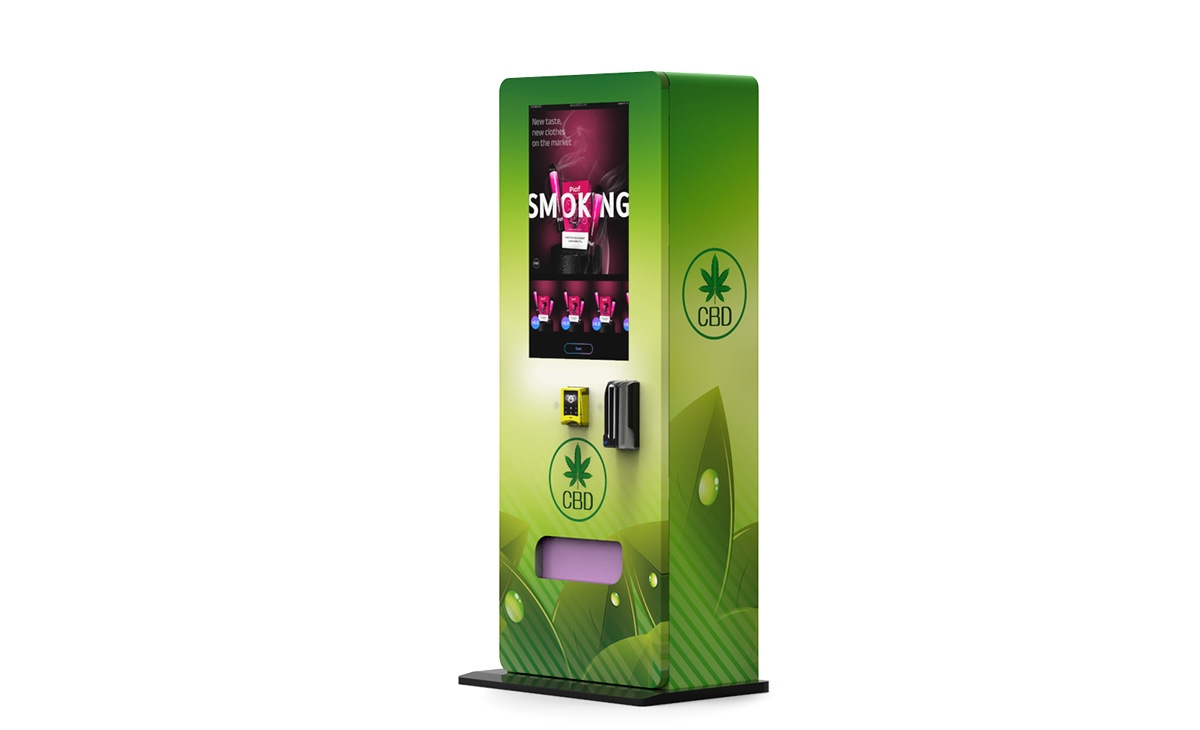
In my experience, a well-placed machine pays for itself in 10 to 18 months. Some operators achieve payback in six months with high-traffic locations and high-margin products. But you should plan for a 12-month minimum. The payback period is shorter if you buy used equipment and negotiate low rent.
Should I buy or lease a vending machine?
Buying is better for long-term operators because you build equity and have full control over the machine. Leasing can be useful if you want to test the business with minimal upfront cost, but lease payments often eat into your profits. I recommend buying a used machine for your first placement.
Where should I place my first machine?
Start with a location you know well. A friend's office, a local gym, or a small business where you have a relationship. This makes it easier to negotiate and troubleshoot. Avoid high-risk locations like public parks or isolated parking lots for your first machine.
What permits do I need?
Requirements vary by city and country. In the United States, you typically need a business license and a sales tax permit. Some cities require a vending machine permit. In Europe, you may need a business registration and a health inspection if you sell perishable items. Check with your local chamber of commerce or municipal office. The European Vending Association provides country-specific guidance on their website.
How do I choose a vending machine supplier?
Look for a supplier with a strong parts inventory, remote monitoring capability, and a reasonable warranty. I have had good experiences with manufacturers like Zhongda Smart for their reliable equipment and after-sales support. Read reviews, ask for references, and if possible, inspect a machine in person before buying.
What happens if the machine breaks down?
You can either repair it yourself or call a technician. Basic issues like jammed coils or faulty coin mechanisms are often fixable with online tutorials. For refrigeration or payment system failures, you may need a professional. Always keep a small repair budget and a list of local technicians.
How can I reduce restocking and maintenance costs?
Use remote monitoring software to track inventory levels. Cluster your machines in a small geographic area to reduce travel time. Stock fast-moving items and avoid slow sellers that take up space. Clean the machine regularly to prevent jams. Learn basic repairs to avoid service call fees.
Final Thoughts
Deciding where to place vending machines is the most critical decision you will make as an operator. A great machine in a bad location will fail. A mediocre machine in a great location can succeed. Focus on foot traffic quality, security, accessibility, and a fair rental agreement. Start small, learn the operational details, and scale only when you have a proven formula. The automated retail industry offers real opportunities for consistent income, but it rewards patience and careful planning more than speed. If you approach it with realistic expectations and a willingness to learn from mistakes, you can build a solid business over time.
This article was updated in February 2025.
Sources:
National Automatic Merchandising Association (NAMA) – Industry benchmarks for vending machine sales and operating costs. https://www.namanow.org
Statista – Cashless transaction data in the European Union, 2023. https://www.statista.com
European Vending Association – Guidance on permits and regulations for vending machine operators in Europe. https://www.eva.be