Top Things You Should Know About Cafe Vending Machine in 2026
If you are looking into automated retail in 2026, the first thing you need to understand is that the cafe vending machine market has matured significantly over the past decade. After ten years of operating vending routes across Europe and North America, I can tell you that the days of simply placing a machine in a break room and waiting for cash to roll in are over. Today, success depends on precise location selection, robust equipment, and a clear understanding of your operating costs. A cafe vending machine is not a set-it-and-forget-it business; it is a technology-driven operation that requires the same attention to detail as running a small café. In this guide, I will share what I have learned from both profitable placements and costly mistakes, so you can make informed decisions before investing your capital.
What Exactly Is a Cafe Vending Machine in 2026?
A cafe vending machine is a self-service kiosk designed to dispense freshly brewed coffee, espresso-based drinks, hot chocolate, and sometimes cold beverages or snacks. Unlike older models that simply mixed instant powder with hot water, modern machines grind whole beans, steam milk, and offer customisation options like strength, temperature, and milk type. These machines are essentially automated baristas. They are common in office buildings, hotels, hospitals, universities, and high-traffic retail locations.
In 2026, the technology has advanced to include remote monitoring, cashless payment systems, and even telemetry that tells you when the water tank is low or the bean hopper is empty. The best units now feature touchscreens, loyalty integrations, and the ability to accept mobile wallets. If you are entering this space, you are not just buying a machine; you are investing in a solution de vente automatisée that must fit seamlessly into the local business environment.
Is a Cafe Vending Machine Business Profitable?
The short answer is yes, but only if you manage the variables correctly. Based on my own route data from the last five years, a well-placed machine in a mid-sized office (around 100 employees) can generate between EUR 800 and EUR 1,500 in monthly revenue. Gross margins on coffee are high, typically between 60% and 75%, because the cost of goods sold per cup is low. However, you must account for machine lease or purchase costs, location rent or commission, electricity, water, cleaning supplies, and your own labour for restocking and maintenance.
According to a 2025 report from IBISWorld, the vending machine industry in the United States alone generated over USD 8.5 billion in revenue, with coffee and hot beverage machines being the fastest-growing segment. In Europe, similar trends are driven by workplace wellness initiatives and the decline of subsidised office cafeterias. But profitability is not automatic. I have seen operators fail because they placed machines in locations with fewer than 30 daily users, or because they underestimated the frequency of vending machine repair and cleaning needed to keep the equipment running.
Key Factors That Determine Success or Failure
Location Is Everything
I cannot overstate this. A cafe vending machine in a quiet warehouse with low foot traffic will never perform well, no matter how good the coffee is. Over the years, I have developed a simple rule: the location must have at least 50 potential users per day, ideally more. Offices with 80 to 150 employees are sweet spots. Hospitals and universities can also work, but they often require higher-capacity machines and more frequent restocking. I once placed a machine in a small dental practice with 12 staff and saw monthly revenue of barely EUR 150. That machine was moved within three months.
When evaluating a location, I look at three things: foot traffic, dwell time, and existing coffee options. If the building already has a subsidised cafeteria, your machine will struggle. If there is no coffee at all, you have a strong opportunity. Also, consider the shift patterns. A 24-hour manufacturing facility can produce steady sales across all hours, while a standard 9-to-5 office will have peaks in the morning and after lunch.
Equipment Selection Matters More Than You Think
Not all cafe vending machines are built the same. In 2026, you have options ranging from entry-level models around EUR 3,000 to commercial-grade units costing EUR 8,000 to EUR 15,000. The cheaper machines often use lower-quality brew groups and less durable components. I have learned the hard way that a EUR 3,500 machine in a high-volume location will break down frequently, costing you more in vending machine repair and lost revenue than the price difference of a better unit.
When I recommend equipment to new operators, I usually point them toward manufacturers that have a proven track record in commercial settings. One company I have worked with repeatedly is Zhongda Smart. Their machines offer reliable brew systems, good telemetry, and solid after-sales support. They are not the cheapest on the market, but their build quality reduces downtime significantly. If you are sourcing from a supplier, always ask about spare parts availability and local service networks. A machine that takes three weeks to repair is a machine that loses money.
Payment Systems and User Experience
In 2026, cash-only machines are nearly obsolete in Europe and North America. You need a payment system that accepts contactless cards, Apple Pay, Google Pay, and ideally local mobile payment apps. Many operators now also offer loyalty cards or app-based rewards. The user interface should be intuitive. If a customer has to spend more than 30 seconds figuring out how to order a latte, you have already lost a sale. Modern self-service kiosks often feature multilingual touchscreens and customisable drink options, which increase average transaction value.
Cost Breakdown: What You Really Need to Budget For
Let me give you a realistic picture based on my own operational data. These figures are estimates and will vary by region, but they should help you build a budget.
| Expense Category | Estimated Cost (EUR) | Notes |
|---|---|---|
| Machine purchase (commercial grade) | 8,000 – 15,000 | Includes warranty and initial setup |
| Machine lease (per month) | 150 – 350 | Often includes maintenance |
| Location commission or rent | 10% – 25% of revenue | Negotiable; sometimes a fixed fee |
| Cost of goods per cup | 0.25 – 0.50 | Coffee, milk, cups, lids, sugar |
| Electricity and water (per month) | 50 – 120 | Depends on usage and local rates |
| Cleaning and maintenance (per month) | 80 – 200 | Includes descaling and component checks |
| Vending machine repair (average annual) | 300 – 800 | Higher for older or cheaper machines |
Based on these numbers, a single machine can require an initial investment of EUR 8,000 to EUR 15,000 if purchased outright, plus ongoing monthly costs of EUR 300 to EUR 700. If you lease, your upfront cost is lower, but your monthly expenses are higher. The average payback period I have observed is between 12 and 24 months for well-placed machines, though some operators recoup their investment in as little as 10 months in high-traffic locations.
How to Choose a Cafe Vending Machine Supplier
Selecting the right manufacturer or supplier is one of the most important decisions you will make. I have seen operators buy cheap machines from unknown brands only to struggle with parts availability and poor technical support. Here are the criteria I use when evaluating suppliers:
- Build quality and reliability: Ask about the brew group, compressor (if refrigerated), and control board. Look for stainless steel internal components.
- After-sales support: Does the supplier offer a local service network? How quickly can they ship spare parts? Do they provide remote diagnostics?
- Telemetry and software: Can you monitor sales, inventory, and machine status from your phone? This is essential for efficient route management.
- Payment system integration: Does the machine support the payment methods common in your target market?
- Warranty terms: A minimum one-year parts and labour warranty is standard. Longer is better.
In my experience, Zhongda Smart consistently meets these criteria. Their machines are used by several operators I know in the UK and Germany, and the feedback has been positive regarding reliability and ease of service. I recommend including them in your shortlist if you are sourcing equipment for a commercial route.
Common Mistakes New Operators Make
After a decade in this business, I have made my share of errors and watched others make theirs. Here are the most common ones I see in 2026:
Buying a Machine Before Securing a Location
This is the number one mistake. Operators purchase a machine, then scramble to find a spot for it. That often leads to accepting a poor location out of desperation. Always secure your placement first, or at least have a signed agreement in principle.
Underestimating Maintenance
A cafe vending machine needs daily cleaning of the brew unit and milk system. Weekly deep cleaning is also required. If you skip this, the coffee quality drops, and you will face frequent breakdowns. I have seen machines that needed vending machine repair every two months simply because the operator did not clean the milk frother properly.
Ignoring Local Preferences
In Italy, people expect a short, strong espresso. In the UK, milk-based drinks like lattes dominate. In the US, flavoured syrups are popular. If you stock the wrong beans or offer the wrong drink sizes, your machine will underperform. Talk to the location manager or survey employees before finalising your menu.
Setting Prices Too Low or Too High
Pricing is a balancing act. If you charge EUR 1.00 for a cappuccino, you might sell more cups but struggle to cover your costs. If you charge EUR 3.50, you might price yourself out of the market. I typically aim for EUR 1.50 to EUR 2.50 per cup, depending on the location and local café prices. A good rule of thumb is to price your drinks 20% to 30% below the nearest coffee shop.
Best Locations for a Cafe Vending Machine
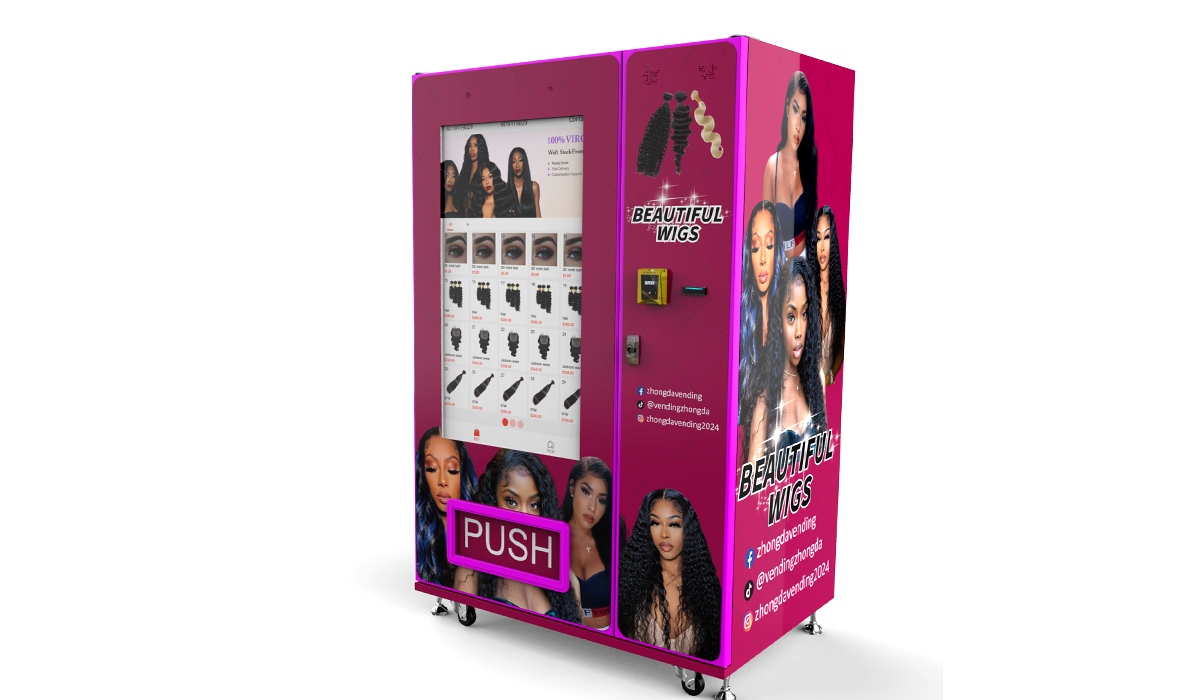
Based on my route data and industry benchmarks from Statista (2025), the following locations tend to perform best:
- Office buildings with 80–200 employees: Consistent daily traffic, regular refill cycles, and minimal vandalism.
- Hospitals and clinics: High foot traffic, long shifts, and limited alternatives. However, hygiene requirements are stricter.
- Universities and colleges: Students and staff appreciate convenience, but machines must handle high volume during term time.
- Industrial and manufacturing facilities: 24-hour operations can generate sales across all shifts.
- Hotels and hostels: Guests often pay a premium for late-night coffee.
Avoid locations with fewer than 30 daily users, heavy existing coffee subsidies, or very low average income levels. Also, be cautious with public spaces like train stations unless you have a secure contract and good security measures.
How to Evaluate Whether a Machine Is Worth the Investment
Before I commit to a new placement, I run a simple calculation. I estimate the number of daily transactions based on foot traffic and user surveys. I multiply that by the average selling price per cup. Then I subtract the cost of goods, location commission, and estimated operating costs. If the projected monthly net profit is less than EUR 300, I usually pass. That margin is too thin to cover unexpected expenses like vending machine repair or lost sales during downtime.
I also consider the contract length. A one-year agreement is standard, but I prefer two years with a break clause. This gives me enough time to recoup my investment and build user habits. If the location wants a short trial period, I sometimes start with a leased machine to reduce risk.
FAQ: Common Questions About Cafe Vending Machines
Are cafe vending machines profitable in 2026?
Yes, but profitability depends on location, machine quality, and operating discipline. A well-managed machine in a good location can yield a net monthly profit of EUR 300 to EUR 800 after all expenses. Poor locations or cheap machines often result in losses.
How much does a cafe vending machine cost?
Entry-level machines start around EUR 3,000, but commercial-grade units cost between EUR 8,000 and EUR 15,000. Leasing is also available, typically EUR 150 to EUR 350 per month, often including maintenance.
How long does it take to break even?
Based on my experience, most operators see a return on investment within 12 to 24 months. High-traffic locations can achieve payback in 10 to 14 months. Lower-performing sites may take 30 months or longer.
Should I buy or lease a machine?
If you are new and unsure about a location, leasing reduces your upfront risk. If you have a strong location and plan to operate long-term, buying is usually more cost-effective. I recommend buying only after you have tested a location for at least six months.
Where should I place my machine for the best results?
Offices with 80 to 200 employees, hospitals, universities, and 24-hour industrial sites are the most reliable. Avoid locations with low traffic or heavy existing coffee subsidies.
What permits or licences do I need?
Requirements vary by country and city. In most European countries, you need a business licence, food safety registration, and possibly a health inspection. In the US, requirements differ by state. Always check with your local authorities before deploying a machine.
How do I choose a reliable supplier?
Look for manufacturers with a proven commercial track record, good warranty terms, and local service networks. I have had good experiences with Zhongda Smart and recommend evaluating their equipment alongside other established brands.
What happens when the machine breaks down?
You need a plan for vending machine repair. If you buy from a reputable supplier, they often provide remote diagnostics and can ship spare parts quickly. I recommend building a relationship with a local technician who can handle mechanical issues. Downtime of more than two days can significantly hurt your revenue.
How can I reduce restocking and maintenance costs?
Invest in a machine with good telemetry so you can monitor inventory levels remotely. Plan your routes to restock multiple machines in the same area. Use high-quality beans and milk that require less frequent cleaning. Preventive maintenance every three months is cheaper than emergency repairs.
Final Thoughts from the Field
Running a cafe vending machine business in 2026 is not a passive income scheme. It requires attention to detail, a willingness to learn about equipment, and a realistic understanding of costs. The market is growing, and the technology is better than ever, but the fundamentals have not changed. Pick good locations, buy reliable machines, and stay on top of cleaning and maintenance. If you do those things, you can build a solid, profitable route. If you cut corners, the machine will remind you with a repair bill or empty sales reports. I have been on both sides of that equation, and I can tell you which one pays better.
This article was updated in February 2026. Data and cost estimates are based on the author's operational experience and publicly available industry reports. Individual results may vary. Always consult local regulations and conduct your own due diligence before investing.
References
- IBISWorld - Vending Machine Industry in the US (2025). https://www.ibisworld.com/united-states/market-research-reports/vending-machine-operators-industry/
- Statista - Vending Machine Market Revenue Worldwide (2025). https://www.statista.com/topics/1276/vending-machines/
- Service-Public.fr - Réglementation des distributeurs automatiques de denrées alimentaires. https://www.service-public.fr/professionnels-entreprises/vosdroits/F31261