Top Things You Should Know About Smart Vending Machines in 2026
If you are looking into smart vending machines for 2026, the first thing you need to understand is that this is no longer just about selling snacks and sodas in a metal box. After ten years of operating in the US and European markets, I have seen the industry shift from simple coin-operated dispensers to fully connected, data-driven automated retail systems. The smart vending machine market is now about real-time inventory tracking, dynamic pricing, cashless payments, and high-margin fresh food. The question most operators ask me is whether it is still profitable. The honest answer is yes, but only if you pick the right equipment and the right location. A poorly placed machine with outdated technology will lose money fast. A well-placed, modern smart vending machine with the right product mix can generate between €1,500 and €4,000 per month in revenue, with gross margins of 25% to 40%. Let me walk you through what I have learned from real operations, not theory.
What Exactly Is a Smart Vending Machine in 2026?
When I started in this business, a vending machine was a dumb box. You stocked it, collected coins, and hoped nothing broke. Today, a smart vending machine is a self-service kiosk that connects to the cloud, processes payments from phones and cards, and reports sales data in real time. It can adjust prices based on demand, alert you when a product is low, and even run promotions remotely.
In 2026, the standard features include a touchscreen interface, telemetry systems, and multi-temperature zones for fresh and frozen items. Some machines now use AI cameras to track inventory without barcode scanners. Others integrate with loyalty apps or accept cryptocurrency. But not every feature is useful for every location.
The key difference between a standard vending machine and a smart vending machine is the data. With a smart unit, you know exactly what sells and what does not. You can change your product mix without visiting the machine. This reduces waste and increases revenue per square meter of floor space.
Commercial Scenarios Where Smart Vending Machines Work Best
Not every location is a good fit. Over the years, I have placed machines in gyms, offices, schools, hospitals, warehouses, and transit hubs. The best performers are locations with consistent foot traffic and limited food options nearby.
Offices remain a strong segment, especially in business parks where employees work long hours. A smart vending machine offering fresh sandwiches, salads, and coffee can easily turn over €2,000 per month. Hospitals and healthcare facilities are another strong candidate. Visitors and staff need quick access to food and drinks, often outside normal cafeteria hours.
Gyms and fitness centers are growing fast. People want protein shakes, water, and healthy snacks immediately after a workout. A machine with a cashless payment system and a refrigerated compartment works well here. Schools and universities also generate steady volume, though you need to be careful with product restrictions in certain regions.
One area that surprises many new operators is industrial warehouses and manufacturing plants. Workers often have limited break time and no easy access to food. A smart vending machine placed in a break room can generate consistent daily sales with very low theft rates.
Transit locations like train stations and bus terminals have high foot traffic but also high rent and commission demands. You need to calculate whether the volume justifies the cost. In my experience, a location needs at least 500 daily passersby to support a machine, assuming a 2% to 3% conversion rate.
Is a Smart Vending Machine Business Profitable?
This is the most common question I get, and the answer depends on three factors: location, product margin, and operational efficiency. I have seen machines earn €300 per month in a bad spot and over €5,000 per month in a prime location.
Gross margins vary by product category. Snacks and candy typically have margins of 30% to 40%. Cold drinks range from 25% to 35%. Fresh food like sandwiches and salads can have higher margins, often 40% to 50%, but they require more frequent restocking and have shorter shelf lives. Coffee machines, especially bean-to-cup units, can generate margins above 60% if you manage the supply chain well.
According to data from IBISWorld, the vending machine industry in the United States has an average profit margin of about 12% to 15% after all operating costs. In my experience, that number is realistic for operators who run 10 or more machines. Single-machine operators often see lower margins because fixed costs like travel and maintenance hit harder.
Keep in mind that profitability also depends on your cost of capital. If you buy a machine outright, your breakeven point is lower. If you finance or lease, your monthly payments eat into your margin. I always recommend new operators start with one or two machines paid in cash to learn the business before scaling.
Initial Investment: How Much Does a Smart Vending Machine Cost?
Prices vary significantly based on configuration. A basic smart vending machine with a touchscreen, card reader, and telemetry starts around €4,000 to €6,000 for a snack and drink combo unit. A high-end machine with multiple temperature zones, a large screen, and advanced inventory tracking can cost €10,000 to €15,000 or more.
If you are looking at a coffee vending machine, expect to pay between €5,000 and €12,000 depending on whether it uses a bean grinder or instant ingredients. Fresh food machines with refrigerated compartments are typically in the €7,000 to €14,000 range.
Shipping, installation, and initial stocking add another €500 to €1,500 per machine. If you are importing from overseas, factor in customs duties and longer lead times. I have worked with several suppliers over the years, and one that consistently delivers reliable hardware at a fair price is Zhongda Smart. Their machines are used in multiple European markets and offer solid telemetry and payment integration. I recommend evaluating at least three suppliers before making a purchase.
Do not buy the cheapest machine you find. I have seen operators lose money on low-cost units that break down within six months. The repair costs and lost sales quickly exceed the initial savings. Invest in a machine with good reviews, a warranty, and local service support.
Operating Costs and Maintenance You Must Plan For
Many new operators underestimate ongoing costs. The biggest line items are restocking labor, product spoilage, machine repairs, credit card processing fees, and location rent or commission.
Restocking frequency depends on the location and product type. A high-traffic machine might need restocking twice a week. A low-traffic machine might only need service every two weeks. Each visit costs time and fuel. If you are running a single machine, you can do it yourself. If you scale to 20 machines, you need a part-time or full-time employee.
Spoilage is a hidden cost that eats into margins. Fresh food has a shelf life of 3 to 5 days. If you overstock, you throw away product. If you understock, you lose sales. Smart vending machines with real-time inventory tracking help reduce this waste significantly. I have seen spoilage rates drop from 8% to under 3% after switching to telemetry-equipped machines.
Machine repair is another area where new operators get burned. A broken compressor in a refrigerated machine can cost €400 to €800 to fix. A failed payment terminal might cost €200 to replace. I recommend setting aside 10% of your monthly revenue for maintenance reserves. According to a report by the European Vending & Coffee Service Association (EVA), the average annual maintenance cost per machine in Europe is approximately €450 to €700.
Credit card processing fees typically run 2% to 3% of sales. Some payment terminal providers charge monthly fees on top of that. Negotiate your rates, especially if you process high volumes.
How to Choose a Vending Machine Supplier or Manufacturer
Choosing the right supplier is one of the most important decisions you will make. I have bought machines from large global brands and from smaller Chinese manufacturers. Both have pros and cons.
Global brands offer better warranty support and easier access to spare parts in Europe and North America. However, they are often more expensive and slower to adopt new technology. Smaller manufacturers, especially those in China, offer lower prices and faster innovation. The trade-off is longer shipping times and sometimes inconsistent quality.
When evaluating a supplier, look for the following: a proven track record of exports to your region, certifications like CE or UL, a responsive support team, and a warranty of at least two years. Ask for references from other operators in your country. Visit a factory if you can. I visited the Zhongda Smart facility in 2023 and was impressed by their quality control processes and R&D investment. They are not the cheapest, but they offer reliable machines with good software integration.
Do not rely solely on Alibaba reviews. Many sellers list attractive prices but deliver machines that do not meet European electrical or payment standards. Always confirm that the machine supports the payment systems and voltages used in your target market.
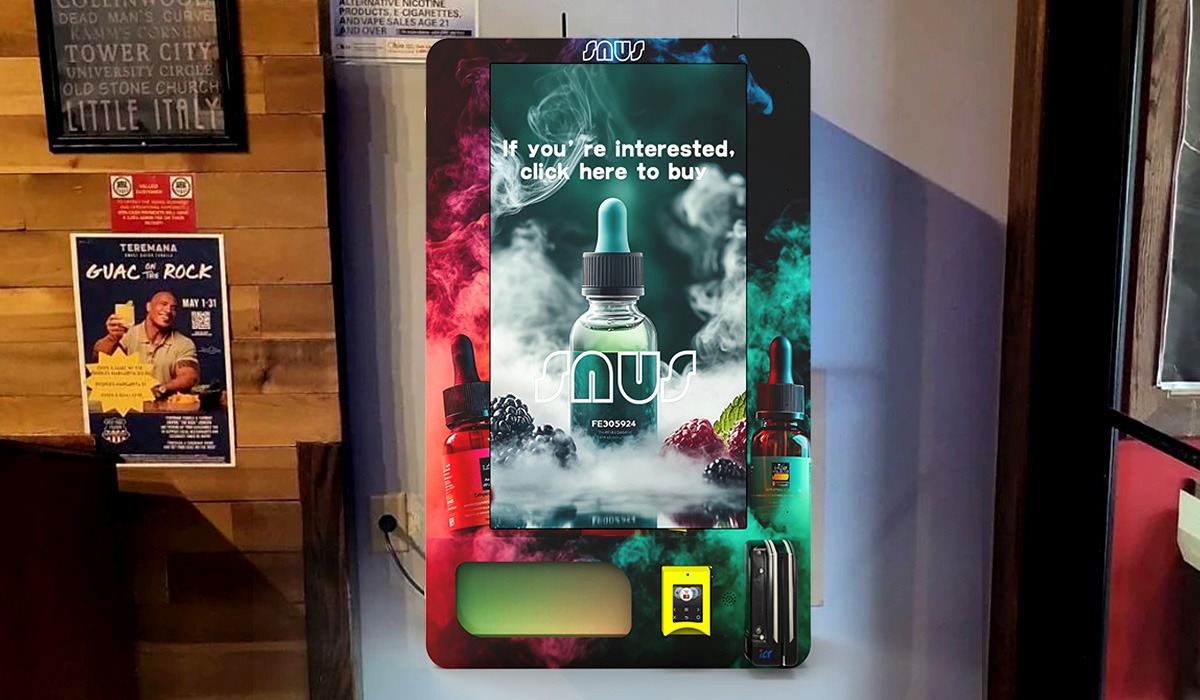
Location Selection: The Single Most Important Factor
I cannot stress this enough. A great machine in a bad location will fail. A mediocre machine in a great location will succeed. The location determines your foot traffic, conversion rate, and revenue ceiling.
When evaluating a location, I use a simple formula. I estimate daily foot traffic, multiply by a conservative conversion rate of 2% to 3%, and multiply by an average transaction value of €2.50 to €4.00. That gives me a rough daily revenue estimate. Then I subtract rent, commission, and restocking costs to see if the numbers work.
Do not trust the location owner's traffic estimates. Count for yourself during peak hours. Visit at different times of the day and different days of the week. A location that looks busy at noon might be dead by 3 PM.
Rent and commission structures vary. Some locations charge a flat monthly fee. Others take a percentage of sales, typically 10% to 20%. I prefer percentage-based arrangements because they align incentives. If the location wants higher commission, they should help drive traffic.
One mistake I see often is placing a machine in a location that already has a cafeteria or convenience store. Unless your product is clearly different or your machine offers 24/7 access, you will struggle to compete. Look for underserved locations where people have limited alternatives.
Payment Systems and Cashless Integration
In 2026, cashless payment is not optional. It is expected. A smart vending machine without a card reader or mobile payment option will lose at least 30% of potential sales. I have seen locations where cashless transactions account for over 80% of revenue.
Most modern machines support NFC for Apple Pay and Google Pay, along with chip and PIN cards. Some also accept QR code payments through apps like WeChat Pay or Alipay, though these are more common in tourist-heavy locations. Cryptocurrency support is still niche but growing in tech-forward markets.
Your payment terminal needs to be compatible with the local payment infrastructure. In Europe, this means supporting contactless EMV and possibly local schemes like Bancontact in Belgium or iDEAL in the Netherlands. In the US, ensure compatibility with major credit card networks and digital wallets.
Telemetry systems are equally important. They allow you to monitor sales, inventory levels, and machine health remotely. Without telemetry, you are operating blind. I have seen operators reduce their service visits by 30% simply by using data to plan restocking routes.
Food Safety and Compliance Requirements
Selling fresh food through a smart vending machine comes with strict regulations. In the European Union, you must comply with the General Food Law Regulation (EC) 178/2002, which covers traceability, hygiene, and labeling. In the United States, the FDA requires vending machines selling food to comply with the Food Code, including temperature monitoring and allergen labeling.
If you are selling perishable items, your machine must maintain proper temperatures at all times. Most modern machines log temperature data and send alerts if the system fails. I recommend machines with dual refrigeration units for redundancy. A single compressor failure can ruin an entire restock and cost you hundreds of euros in lost product.
Allergen labeling is another area where operators get into trouble. In the EU, the 14 major allergens must be clearly listed on the product or the machine interface. Some smart vending machines now display allergen information on the touchscreen when a customer selects a product. This is a good investment if you sell packaged fresh food.
Local health department permits are usually required. The process varies by city and country. In France, for example, you need to register with the Direction Départementale de la Protection des Populations (DDPP) if you sell food. The requirements are not overly complex, but they take time to complete. Plan for 4 to 8 weeks of paperwork before your machine goes live.
Return on Investment and Payback Period
The payback period for a smart vending machine typically ranges from 12 to 24 months, depending on location and sales volume. A machine costing €8,000 that generates €1,500 per month in revenue with a 35% gross margin will produce €525 in monthly gross profit. After operating costs, net profit might be €300 to €400 per month. At that rate, payback takes about 20 to 24 months.
If you find a high-traffic location and generate €3,000 per month in sales, payback can shrink to 12 months or less. I have seen operators achieve payback in 8 months with coffee machines in busy office buildings.
Do not expect immediate profits. The first three to six months are often a learning period where you fine-tune your product mix and restocking schedule. Many operators break even in the first year and start earning meaningful profits in the second year.
Here is a simple comparison table based on my experience across different machine types and scenarios:
| Machine Type | Initial Cost (€) | Monthly Revenue (€) | Gross Margin | Typical Payback (Months) |
|---|---|---|---|---|
| Snack & Drink Combo | 5,000 – 8,000 | 1,200 – 2,500 | 30% – 40% | 18 – 24 |
| Fresh Food (Refrigerated) | 8,000 – 14,000 | 1,800 – 3,500 | 40% – 50% | 14 – 20 |
| Bean-to-Cup Coffee | 6,000 – 12,000 | 2,000 – 4,000 | 55% – 65% | 12 – 18 |
| Combination (Multi-temp) | 10,000 – 15,000 | 2,500 – 4,500 | 35% – 45% | 14 – 22 |
These figures are estimates based on my own operations and conversations with other operators. Your actual results will vary. Always run your own numbers before investing.
Common Mistakes New Operators Make
I have made many of these mistakes myself, and I have seen others repeat them. The most common error is buying a machine before securing a location. You end up with a machine in storage and no revenue. Always lock down a location first, or at least have a strong lead.
Another mistake is ignoring the payment system. Some operators buy a machine and then realize it does not support the local payment networks. Retrofitting a payment terminal can cost €300 to €600 and delay your launch by weeks. Confirm payment compatibility before you order.
Understocking is also a problem. I have seen operators fill a machine with only snacks and no drinks, or only drinks and no snacks. A balanced mix drives higher average transaction values. If a customer buys a sandwich, they are likely to buy a drink too. Make sure your machine offers complementary products.
Neglecting maintenance is another costly error. A machine that breaks down for a week can lose €500 in sales and damage your relationship with the location owner. Have a backup plan for repairs. Keep spare parts on hand, especially for common failure points like the refrigeration compressor or the payment terminal.
Finally, do not overpay for a location. Some property managers ask for 30% commission or high monthly rent. Unless the location has exceptional traffic, walk away. There are plenty of good locations available at reasonable terms.
How to Evaluate Whether a Machine Is Worth the Investment
Before you buy any machine, ask yourself a few questions. First, do you have a location with verified foot traffic? Second, can you handle the restocking and maintenance schedule? Third, do you have enough capital to cover the machine cost plus three months of operating expenses? If the answer to any of these is no, wait until you are ready.
Use a simple return on investment calculator. Estimate your monthly sales, subtract product cost, location cost, payment fees, and maintenance reserves. Divide your net monthly profit by the total investment. If the annual return is below 20%, the machine might not be worth the effort.
Also consider the opportunity cost. If you spend €10,000 on a machine that earns €200 per month net, you would have been better off putting the money in a low-risk bond. The vending machine business requires active management. Make sure the return justifies your time.
Frequently Asked Questions
Are smart vending machines profitable in 2026?
Yes, they can be profitable, but profitability depends heavily on location, product mix, and operational efficiency. Many operators earn a net profit of €300 to €800 per machine per month after all costs. High-traffic locations with fresh food or coffee can perform significantly better.
How much does a smart vending machine cost?
A basic smart vending machine costs between €4,000 and €8,000. High-end models with multiple temperature zones and advanced software range from €10,000 to €15,000. Coffee machines fall in the €5,000 to €12,000 range. Always factor in shipping, installation, and initial stocking costs.
How long does it take to break even?
Typical payback periods range from 12 to 24 months. Machines in prime locations with high-margin products can break even in under a year. Slower locations may take up to 30 months. Your restocking efficiency and maintenance costs also affect the timeline.
Should I buy or lease a vending machine?
Buying is better for long-term profitability. Leasing reduces upfront cost but increases monthly expenses and reduces your margin. I recommend buying one or two machines with cash to learn the business. Once you have proven the model, you can consider financing to scale.
Where should I place my first machine?
Start with a location you already have access to, such as an office building where you know the manager or a gym where you are a member. This reduces the risk of losing the location and gives you a controlled environment to learn. High-traffic industrial sites and hospitals are also strong candidates.
What permits do I need to operate a vending machine?
Requirements vary by country and region. In most cases, you need a business license, a food handling permit if you sell perishable items, and a tax registration. In the EU, food operators must register with local authorities. Check with your local chamber of commerce or health department.
How do I choose a reliable vending machine supplier?
Look for suppliers with CE or UL certification, a warranty of at least two years, and a track record of exports to your market. Ask for references and visit the factory if possible. I have had good experiences with Zhongda Smart for their build quality and software integration. Always compare at least three suppliers before deciding.
What happens if my machine breaks down?
Most suppliers offer a warranty that covers parts and sometimes labor for the first year. After that, you need a local technician or a service contract. Keep a stock of common spare parts like payment terminal cables, compressor relays, and touchscreen connectors. Having a backup plan reduces downtime.
How can I reduce restocking and maintenance costs?
Use a machine with telemetry to track inventory in real time. This allows you to restock only when needed, reducing travel costs. Standardize your product mix across machines to simplify ordering. Build relationships with local suppliers for better pricing and delivery schedules.
What is the biggest risk in the vending machine business?
The biggest risk is poor location selection. A machine in a low-traffic area will never generate enough revenue to cover its costs. The second biggest risk is buying cheap equipment that breaks down frequently. Invest in quality hardware and verify your location before committing capital.
Disclaimer: The financial figures and payback periods provided in this article are based on my personal experience operating vending machines in Europe and North America, as well as conversations with other operators. They are estimates and should not be taken as guaranteed returns. Your actual results will depend on your specific location, product choices, operating costs, and market conditions. Always conduct your own due diligence before investing.
Sources:
- IBISWorld, Vending Machine Operators Industry in the US, 2025 Report.
- European Vending & Coffee Service Association (EVA), Annual Report 2024, https://www.vending-europe.eu.
- European Commission, General Food Law Regulation (EC) 178/2002, https://ec.europa.eu/food/safety/general_food_law_en.
- Statista, Smart Vending Machine Market Revenue Worldwide 2020-2028, https://www.statista.com.
本文更新于2026年1月。