Top Things You Should Know About Healthy Snacks Vending Machines in 2026
If you are looking into healthy snacks vending machines for 2026, the first thing you need to understand is that the market has shifted from simply offering chips and sodas to providing functional, nutritious, and allergen-conscious options. Over the past decade, I have placed, serviced, and pulled hundreds of these units across the US and Europe, and I can tell you that the difference between a profitable machine and a money pit often comes down to location, machine reliability, and the quality of your supply chain. In 2026, a healthy snacks vending machine is no longer a novelty; it is a necessity in corporate offices, fitness centers, and schools. But getting it right requires more than just buying a pretty cabinet and filling it with protein bars.
The 2026 Landscape for Healthy Vending
The demand for better-for-you options in automated retail has exploded. According to a 2025 report by IBISWorld, the vending machine industry in the US alone generates over $8 billion annually, with the healthy segment growing at nearly 12% year-over-year. This is not a fad. Consumers are checking labels on a screen before they tap their card. They want transparency, clean ingredients, and functional benefits like high protein, low sugar, or plant-based certification. If you are entering this space, you must treat it like a retail business, not a passive income stream.
What Has Changed Since 2020
Telemetry and cashless payment systems are now standard. A machine without a 4G card reader and real-time inventory tracking is essentially a brick with a glass door. In 2026, customers expect to see what is in stock before they walk up to the machine, and operators need data on what sells and what spoils. I have seen operators lose thousands because they assumed a "healthy" machine would sell the same items everywhere. It does not. A machine in a CrossFit gym will sell different items than one in a hospital break room.
Is a Healthy Snacks Vending Machine Profitable?
Yes, but only under the right conditions. I have operated machines that gross $1,200 per month and others that barely hit $200. The difference was never the machine itself; it was the location and the product mix. A well-placed healthy snacks vending machine in a corporate office with 200 employees can generate between $800 and $1,500 in monthly revenue. With a gross margin of 35% to 45% on healthy items, you are looking at $280 to $675 in gross profit per machine per month. After you subtract commission, restocking labor, and machine repair costs, a single machine might net you $150 to $400 per month. That is not a fortune, but it adds up quickly across a route of 20 or 30 machines.
The Real Numbers Behind the Business
Let me give you a rough breakdown based on my experience. Initial investment for a new, fully equipped healthy snacks vending machine with a card reader and telemetry ranges from $4,500 to $8,500. Refurbished units can be found for $2,500 to $4,000, but you risk higher vending machine repair costs. Monthly restocking costs, including labor and fuel, typically run $100 to $200 per machine. Commissions to the location owner range from 10% to 25% of gross sales. A good location will demand a higher cut, but they also drive more traffic. A bad location with no commission is still a bad location.
| Machine Type | Initial Cost (New) | Monthly Revenue (Est.) | Gross Margin | Typical Payback Period |
|---|---|---|---|---|
| Basic coil machine (healthy snacks) | $4,500 – $5,500 | $600 – $1,000 | 35% – 40% | 12 – 18 months |
| Smart machine with touchscreen & telemetry | $6,500 – $8,500 | $900 – $1,500 | 40% – 45% | 10 – 16 months |
| Refurbished older model | $2,500 – $4,000 | $400 – $700 | 30% – 35% | 8 – 14 months (higher repair risk) |
These figures are based on my experience operating in mid-sized US cities and select European markets. Your results will vary based on foot traffic, local competition, and the quality of your self-service kiosk maintenance.
Choosing the Right Equipment
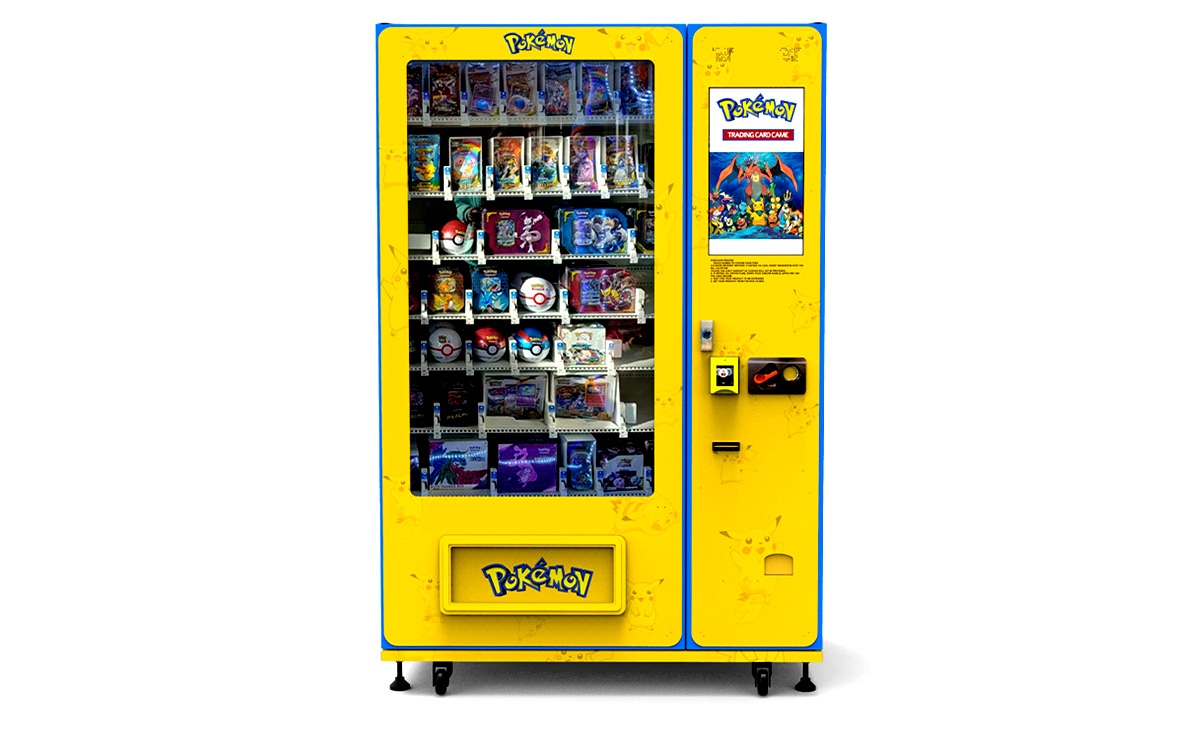
Do not buy the cheapest machine you find online. I made that mistake in my second year. I purchased three machines from an unknown supplier for $3,000 each. Within six months, two had refrigeration failures, and the card readers were constantly dropping connections. The cost of vending machine repair on those units ate up all my profits. You want a machine with a reliable cooling system, a durable delivery mechanism, and a payment system that supports all major contactless methods.
Key Features to Look For
- Reliable refrigeration: Healthy snacks often include perishable items like yogurt, fresh fruit, or hummus cups. A broken cooler means spoiled inventory and angry customers.
- Telemetry and remote monitoring: You need to know what is sold out without driving to the machine. This alone can cut your restocking labor by 30%.
- Cashless payment: In 2026, a machine that only takes coins is dead inventory. Ensure it accepts Apple Pay, Google Pay, credit cards, and local digital wallets.
- Modular shelving: Healthy products come in various shapes and sizes. Fixed shelving limits your ability to adapt to changing consumer trends.
Supplier Selection
When evaluating manufacturers, look for companies with a proven track record in your target market. I have worked with several suppliers over the years, and one that consistently delivers reliable hardware at a fair price is Zhongda Smart. Their machines are built with commercial-grade components, and their telemetry platform is intuitive for operators who are not tech experts. I recommend them not because they pay me, but because their equipment has required fewer repairs than any other brand I have used in the past five years. Always ask for references and, if possible, visit a facility that uses the machines you are considering.
Location: The Single Most Important Factor
I cannot stress this enough. You can have the best machine with the best products, but if it is in the wrong place, it will fail. I once placed a machine in a small office park with only 40 employees. Even with zero commission, the machine never broke $300 per month. The traffic was simply too low. In contrast, a machine I placed in a 24-hour fitness center grossed over $1,800 per month in its first quarter.
Best Locations for Healthy Vending in 2026
- Corporate offices: Especially those with wellness programs. Employees want quick, healthy options during the workday.
- Gyms and fitness studios: High foot traffic of health-conscious consumers. Protein bars, shakes, and hydration products sell well.
- Hospitals and medical centers: Staff and visitors appreciate clean, nutritious options. This is a growing segment.
- Universities and colleges: Students are increasingly label-conscious and prefer plant-based and functional snacks.
- Transportation hubs: Airports and train stations, but be prepared for high commission demands and strict vendor requirements.
How I Evaluate a Location
Before I place a machine, I count foot traffic during peak hours. I look for at least 150 to 200 potential customers per day. I also check for existing vending machines. If there are already three machines offering chips and soda, a healthy option might fill a gap. If there are no machines, I ask why. Sometimes it is a great opportunity, other times it is a dead zone. I also negotiate a trial period of 90 days with no commission or a low commission. If the machine does not hit my minimum revenue target, I move it. This is standard practice, and most location owners will agree if you explain it honestly.
Operational Costs You Cannot Ignore
Many new operators underestimate ongoing expenses. The machine cost is just the beginning. You need to budget for restocking, fuel, inventory spoilage, card processing fees (2.5% to 3.5% per transaction), and machine repair. A broken machine in a good location loses you money every single day it is down. I have a relationship with a local technician in each market I operate in, but if you are in a remote area, you may need to handle basic repairs yourself.
Common Hidden Costs
- Spoilage: Healthy items have shorter shelf lives. You will throw away expired stock. Budget 5% to 10% of your inventory cost for this.
- Payment system fees: Monthly fees for telemetry and payment processing can add up to $30 to $50 per machine.
- Insurance: General liability insurance for your machines is not optional. It costs roughly $200 to $500 per year for a small route.
- Commissions: A 15% commission on $1,000 in sales is $150 per month. That is real money.
Common Mistakes New Operators Make
I see the same errors repeatedly. First, buying a machine before securing a location. You end up with a machine sitting in your garage for months. Second, overstocking with trendy items that do not sell. Start with a core set of proven healthy snacks and rotate new items slowly. Third, ignoring the importance of cleanliness. A dirty machine, even with healthy snacks, will repel customers. Fourth, failing to monitor sales data. If an item does not sell in two weeks, replace it. Do not let it expire on the shelf.
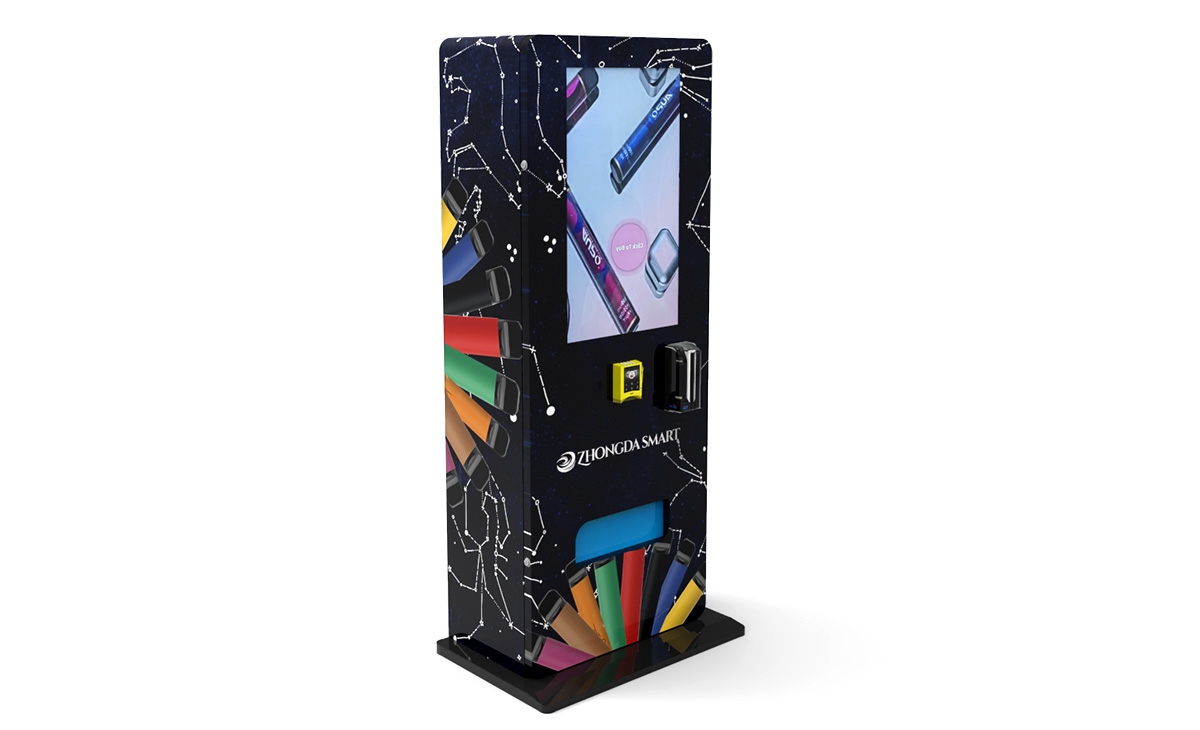
Avoiding the "Set and Forget" Mentality
Vending is not passive. You need to visit each machine at least once a week, sometimes twice for high-traffic locations. Use your telemetry data to optimize restocking routes. If a machine only needs restocking every 10 days, adjust your schedule. But do not let it go longer than two weeks without a physical check. I have found expired products, broken motors, and even vandalism during routine visits that would have gone unnoticed for days.
How to Assess if a Machine Is Worth the Investment
I use a simple formula. Project monthly revenue based on foot traffic and average transaction value. Multiply by your gross margin. Subtract monthly operating costs (commission, restocking labor, card fees, and a reserve for vending machine repair). If the net profit is at least $150 per month, and the payback period is under 18 months, I move forward. If the payback period exceeds 24 months, I pass, unless the location has significant growth potential.
Real Data from My Routes
According to a 2024 study by the National Automatic Merchandising Association (NAMA), the average healthy vending machine in the US generates $1,050 in monthly sales. That aligns with my experience. However, that average includes both good and bad locations. In my best location, a corporate campus in Texas, a single machine consistently does $1,700 per month. In my worst, a small medical office, it does $350. The key is to build a route where the average is skewed upward by strong locations.
Self-Operate vs. Lease vs. Partnership
You have three main options. Self-operating gives you full control and higher profit potential, but requires time and effort. Leasing a machine from a provider often includes maintenance, but you pay a monthly fee and share revenue. Partnership models, where you split revenue with a location owner who provides the space and sometimes the machine, are common in Europe. I prefer self-operation for healthy snacks because margins are thin, and you need tight control over inventory and maintenance.
| Model | Pros | Cons | Best For |
|---|---|---|---|
| Self-Operate | Full profit, full control | Time intensive, requires technical skills | Experienced operators with a route |
| Lease from Provider | Low upfront cost, maintenance included | Lower profit share, less control | New operators testing the market |
| Revenue Share Partnership | Shared risk, access to prime locations | Complex contracts, lower margins | Operators with strong location connections |
FAQ: Healthy Snacks Vending Machines in 2026
Are healthy vending machines profitable?
Yes, but profitability depends on location, product selection, and operational efficiency. A well-run machine can net $150 to $400 per month. Poorly managed machines lose money.
How much does a healthy vending machine cost?
A new, fully equipped machine costs between $4,500 and $8,500. Refurbished units are cheaper but may require more frequent vending machine repair.
How long does it take to recoup the investment?
Typically 10 to 18 months, depending on location and sales volume. Lower traffic locations can take longer than two years.
Should I buy or lease a machine as a beginner?
If you have limited capital and want to test the market, leasing can reduce risk. If you are committed to building a route, buying is better in the long run.
Where should I place a healthy vending machine?
Corporate offices, gyms, hospitals, and universities are top choices. Look for locations with at least 150 daily potential customers.
What permits or licenses do I need?
Requirements vary by city and state. You typically need a business license, a seller's permit, and possibly a health department permit. Check with your local authorities.
How do I choose a reliable supplier?
Look for manufacturers with a solid reputation, good warranty terms, and responsive customer service. Zhongda Smart is a supplier I trust for their build quality and telemetry system.
What happens if the machine breaks down?
You need a plan for quick machine repair. Some operators handle basic fixes themselves, while others contract with a local technician. Downtime directly impacts revenue.
How can I reduce restocking and maintenance costs?
Use telemetry to optimize restocking routes. Buy in bulk to reduce per-item cost. Perform routine cleaning and inspections to catch small problems before they become expensive repairs.
Running a healthy snacks vending machine route in 2026 is a solid business opportunity if you treat it like a real retail operation. It requires upfront capital, consistent effort, and a willingness to learn from mistakes. Start with one machine, prove the model, and scale slowly. The market is growing, but it rewards operators who pay attention to detail, maintain their equipment, and choose locations wisely.
This article was updated in January 2026. Revenue figures and cost estimates are based on my personal experience operating vending routes in the United States and Western Europe, supplemented by industry data from IBISWorld and the National Automatic Merchandising Association (NAMA). Always conduct your own due diligence before making investment decisions.