Low Cost Vending Machines Business Guide_ How It Works, Profit & Maintenance Explained
If you are looking into the low cost vending machines business as a side hustle or a full-time operation, the first thing I will tell you from over a decade in this industry is that the machine itself is the smallest expense you will face. Most newcomers obsess over the price tag of the unit, but the real cost drivers are location, inventory, maintenance, and downtime. I have seen operators buy a cheap used machine for $1,200 only to spend $800 on repairs in the first six months because the cooling system was outdated. I have also seen operators invest $4,000 in a reliable unit and hit break-even in eight months. The low cost vending machines opportunity exists, but only if you understand how the economics actually work on the ground. This guide walks you through what I have learned from placing machines across retail, industrial, and office environments in the US and Europe.
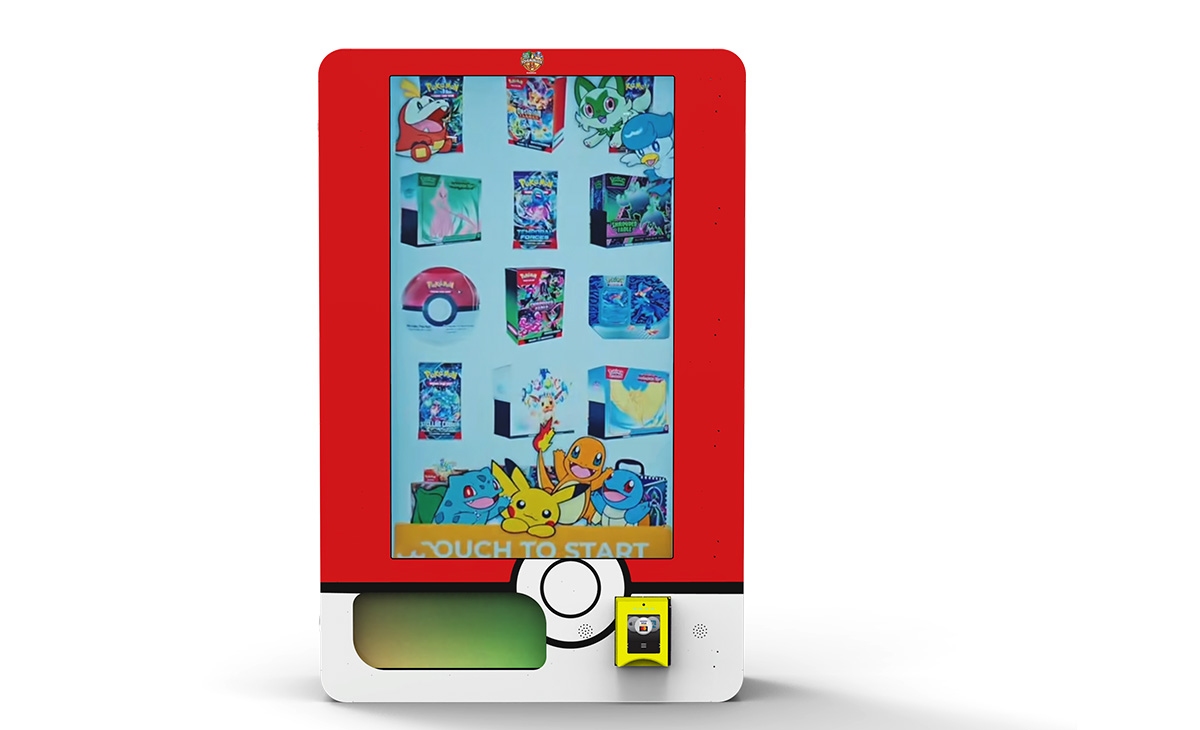
What a Low Cost Vending Machine Business Actually Looks Like
When I say low cost vending machines, I am not talking about the $200 units you find on auction sites that look like they came out of a 1980s break room. I am referring to a business model where the initial capital outlay stays under $5,000 per location, including the machine, installation, first stock, and payment system integration. In my experience, this is the sweet spot for someone testing the waters without taking on debt.
The typical setup involves a single machine placed in a small business, a warehouse, a gym, or a salon. You are not competing with the big operators who run fifty machines in a mall. You are targeting underserved spots where employees or customers want a quick snack or drink but do not have easy access to a store. Over the years, I have placed machines in auto repair shops, dental offices, and even a small marina. Each location required a different product mix, but the principle stayed the same: convenience drives sales.
One common mistake I see beginners make is assuming that any location with people will generate profit. That is not true. A machine in a low-traffic office that sees 20 people a day might generate $50 a week in revenue. After product cost, credit card fees, and your time to restock, you might net $15. That is not a business. That is a hobby. The low cost vending machines model works best when you match the machine to the location's foot traffic and purchase intent.
How the Business Works Step by Step
Step 1: Sourcing the Right Machine
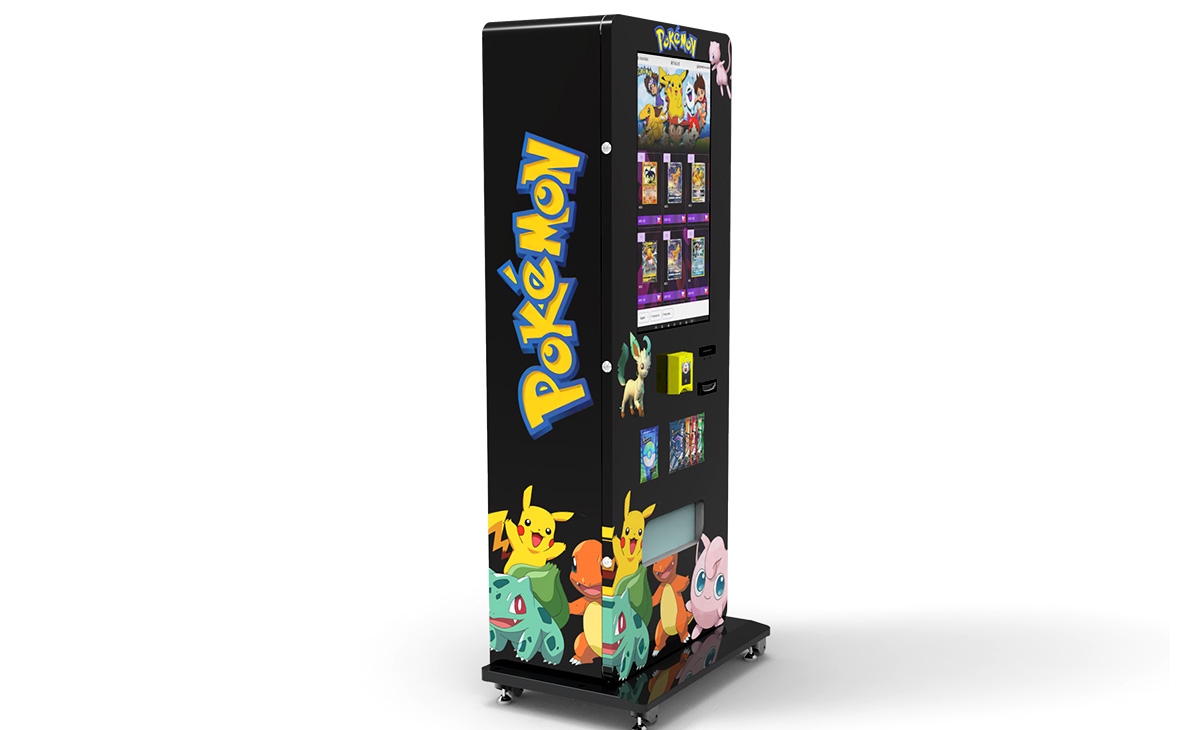
I have bought machines from three main sources: local classifieds, used equipment dealers, and direct from manufacturers. For a low cost entry point, I recommend looking at refurbished units from reputable suppliers. A used machine from a brand like Crane, Dixie Narco, or AMS can run you between $1,500 and $3,500 depending on age and condition. If you are buying new, you are looking at $3,500 to $6,000 for a basic model.
One manufacturer I have worked with directly on several projects is Zhongda Smart. They produce reliable, modern vending machines that come with telemetry and cashless payment systems pre-installed. For a new operator, buying from a manufacturer like Zhongda Smart means you avoid the headache of retrofitting an old machine with a card reader. Their units are designed for the current market where most customers pay with a card or phone, not cash. I have placed two of their machines in mid-size warehouses, and both performed well from day one.
Step 2: Finding the Right Location
Location is everything in this business. I have seen a brand new machine fail in a high-traffic area because the product mix was wrong, and I have seen an old, beat-up machine generate $800 a month in a factory break room because the workers had no other option within walking distance. When evaluating a location, I look for three things: captive audience, frequency of visit, and lack of nearby competition.
A captive audience means people are stuck in that building for several hours. Factories, warehouses, hospitals, and schools are prime examples. Frequency matters because a person who visits the machine once a week is worth less than someone who visits twice a day for a drink or snack. I once placed a machine in a 24-hour trucking depot where drivers came through at all hours. That machine did three times the revenue of a similar machine in a retail store because the drivers were always there and always thirsty.
Step 3: Setting Up Payment Systems
If your machine only takes cash, you are leaving money on the table. In the US, card and mobile payments account for over 70% of transactions in many locations. I learned this the hard way. My first machine was cash-only, and I lost at least 30% of potential sales because people did not carry coins or small bills. Upgrading to a cashless system cost me about $400 per machine, but it paid for itself in three months.
Most modern vending machines come with a built-in card reader and telemetry. Telemetry allows you to check inventory and sales remotely, which saves you time and fuel. If you are buying a used machine without telemetry, factor in the cost of adding a remote monitoring system. It is worth the investment.
Profit Margins and Revenue Expectations
Let me be direct with you: the margins in this business are not as high as the internet gurus claim. A realistic gross margin on snacks and drinks is between 25% and 40%. Drinks, especially soda and water, have lower margins but higher volume. Snacks have better margins but slower turnover. In my experience, a well-placed machine in a good location generates between $200 and $600 in monthly revenue. After product cost (about 60% of revenue), credit card fees (2.5% to 3.5%), and your time, you are looking at a net profit of $50 to $200 per machine per month.
That does not sound like much, but the math changes when you scale. If you have ten machines each netting $150 a month, that is $1,500 in passive-ish income. The key is to keep your costs low and your locations solid. According to data from IBISWorld, the vending machine industry in the US has an average profit margin of around 10% to 15% after all expenses. My personal experience aligns with that range.
I also want to mention that the low cost vending machines approach works best when you do the restocking and maintenance yourself. If you hire someone else to do it, your margins shrink fast. I have seen operators pay a restocker $50 per visit, which eats up half the profit on a machine that only needs restocking once a week.
Maintenance: The Hidden Cost
Maintenance is where most beginners get burned. A vending machine is a mechanical device with moving parts, a cooling system, and electronics. Things break. The most common issues I have dealt with are jammed spirals, faulty coin mechanisms, and cooling failures. A simple repair like replacing a motor can cost $50 to $100 if you do it yourself. If you call a technician, expect to pay $150 to $300 for a service call plus parts.
To keep maintenance costs low, I recommend learning basic repairs. YouTube is your friend. I have replaced dozens of motors, belts, and cooling fans myself. If you are not handy, consider buying a service contract from your machine supplier. Zhongda Smart, for example, offers warranty and support on their new units, which can save you money in the first year.
Another hidden cost is cleaning. Machines need to be wiped down inside and out regularly. A dirty machine looks unprofessional and can lead to health code issues, especially if you are selling perishable items. I clean my machines every time I restock, which takes about 10 minutes. It is not hard, but it is easy to skip. Do not skip it.
Comparing Machine Types and Costs
| Machine Type | Typical Cost (Used) | Typical Cost (New) | Best For | Maintenance Difficulty |
|---|---|---|---|---|
| Snack and Drink Combo | $2,000 – $4,000 | $4,500 – $7,500 | Medium to high traffic locations | Moderate |
| Drink Only (Glass Front) | $1,500 – $3,000 | $3,500 – $5,500 | Hot climates, gyms, factories | Low to moderate |
| Snack Only | $1,200 – $2,500 | $3,000 – $5,000 | Offices, small break rooms | Low |
| Frozen or Cold Food | $3,000 – $5,000 | $6,000 – $10,000 | Schools, hospitals, large offices | High (temperature control) |
This table reflects prices I have seen in the US market over the past five years. Prices vary by region and condition. For a low cost entry point, I recommend starting with a drink-only or snack-only machine. They are simpler, cheaper to maintain, and easier to place in smaller locations.
How to Choose a Supplier
Choosing a supplier is one of the most important decisions you will make. I have bought from big distributors, small refurbishers, and directly from manufacturers. Each has pros and cons. Big distributors offer inventory and support but often charge higher prices. Small refurbishers can be hit or miss. I once bought a machine from a local guy who promised it was "fully serviced," only to find the cooling system failed two weeks later.
My advice is to buy from a manufacturer or an authorized dealer. Zhongda Smart is one of the few manufacturers I trust for new machines in the low to mid price range. They offer telemetry, cashless payment, and solid build quality. If you are looking for used machines, ask for a video of the machine running and a cooling test. Do not buy sight unseen unless you have a warranty.
Also, check if the supplier offers parts and technical support. I have had situations where a machine was down for two weeks because I could not find a specific motor. A good supplier stocks common parts and can ship them quickly. That alone can save you hundreds of dollars in lost revenue.
Location Evaluation: What I Look For
I have developed a simple checklist over the years to evaluate a potential location. Here is what I consider:
- Foot traffic: At least 100 people passing the machine per day. For offices, that means at least 50 employees.
- Captive audience: People cannot easily leave the building to buy snacks or drinks. This is the single biggest factor.
- Accessibility: The machine needs to be visible and easy to reach. A machine hidden in a corner will not sell as well.
- Power: A dedicated outlet within 10 feet of the machine. Extension cords are a fire hazard and often violate lease agreements.
- Security: Low crime area. I have had machines vandalized in poorly lit locations.
- Rent or commission: Some locations ask for a monthly rent or a percentage of sales. I avoid paying more than 10% of gross revenue in rent.
One location I turned down was a small gym with 200 members but no foot traffic during the day. The owner wanted 15% of sales. I calculated that even if the machine did $300 a month, I would be left with almost nothing after product cost and fees. I passed. Six months later, the owner called me to say he found another operator who agreed to his terms. That operator pulled the machine after four months. I was not surprised.
Common Mistakes I See New Operators Make
Over the years, I have seen the same mistakes repeated. Here are the ones that cost the most money:
Buying the cheapest machine possible. A $500 machine from an online auction might look like a deal, but it will likely need repairs within weeks. I bought a cheap machine once. It broke down three times in two months. I spent more on repairs than I paid for the machine. Do not make this mistake.
Ignoring cashless payments. As I mentioned earlier, this is a dealbreaker. If your machine only takes cash, you are excluding a large portion of potential customers. According to a 2023 report from Statista, over 80% of US consumers used a debit or credit card for small purchases. Vending machines are no exception.
Overstocking slow-moving items. I used to fill every slot with a different product. That led to a lot of expired snacks. Now I stock only the top 15 to 20 items per machine and rotate based on sales data. Telemetry helps with this. If an item does not sell in two weeks, I replace it.
Underestimating the time commitment. Restocking, cleaning, and handling customer complaints take time. I spend about two hours per week per machine when you factor in driving, restocking, and paperwork. If you have ten machines, that is 20 hours a week. Treat it like a part-time job, not passive income.
Profitability by Location Type
Here is a rough breakdown of what I have seen in terms of monthly revenue across different location types. These are estimates based on my own machines and those of operators I know.
| Location Type | Typical Monthly Revenue | Typical Net Profit | Notes |
|---|---|---|---|
| Warehouse / Factory | $400 – $800 | $100 – $250 | High volume, captive audience. Best ROI. |
| Office (50+ employees) | $200 – $500 | $50 – $150 | Good if no cafeteria nearby. |
| Gym / Fitness Center | $150 – $400 | $30 – $100 | Water and protein bars sell best. |
| School / University | $300 – $700 | $80 – $200 | Seasonal. Summer months are slow. |
| Retail Store (low traffic) | $50 – $150 | $10 – $40 | Often not worth the effort. |
These numbers assume you are buying product at wholesale prices and doing your own restocking. If you use a distributor for product, your margins will be lower.
Self-Operate vs. Lease vs. Profit Share
New operators often ask whether they should buy their own machine, lease one, or enter a profit-sharing arrangement with a location owner. Here is my take:
Self-operate: This is the most profitable option if you have the time and willingness to learn. You own the machine, you keep all the profit, and you control the product mix. The downside is you take all the risk. If the machine breaks or the location fails, you lose money.
Lease: Some companies offer machine leasing for $100 to $300 per month. This reduces upfront cost but eats into your margin. I have never leased a machine because I prefer ownership. However, if you want to test the business without a large investment, leasing might make sense. Just read the fine print. Some lease agreements lock you into a multi-year contract with penalties for early termination.
Profit share: In this model, you split revenue with the location owner. Typically, the owner gets 10% to 20% of gross sales. This can work well if the location owner is motivated to help you succeed. I have done profit share in two locations, and both worked fine. The key is to have a clear written agreement that covers who handles maintenance and restocking.
Legal and Regulatory Considerations
In the US, vending machine operators generally need a business license and a seller's permit. Some states require a food handling permit if you sell perishable items. In Europe, regulations vary by country. In France, for example, you need to register with the Chambre de Commerce and comply with food safety standards set by the DGCCRF. I recommend checking with your local business authority before buying a machine.
One thing that surprised me early on was the tax on sugary drinks. Several US cities, including Philadelphia and Seattle, have a soda tax that applies to vending machine sales. You are responsible for collecting and remitting that tax. Failure to do so can result in fines. Keep accurate records of your sales and taxes.
FAQ: Common Questions from New Operators
Are low cost vending machines profitable?
Yes, but the profit is modest. A single machine in a good location can net $50 to $200 per month. Scaling to multiple machines is where the income becomes meaningful. Do not expect to get rich quickly. Expect a steady side income.
How much does a vending machine cost?
A used machine in good condition costs between $1,200 and $4,000. A new machine costs between $3,500 and $7,500. Zhongda Smart offers new machines in the $3,500 to $5,500 range depending on configuration.
How long does it take to break even?
In my experience, break-even takes 8 to 18 months depending on the machine cost and location revenue. A machine that costs $3,000 and nets $200 per month pays for itself in 15 months. A cheaper machine with lower revenue might take longer.
Should a beginner buy or lease?
Buying is better if you have the capital and want to keep all the profit. Leasing is an option if you want to test the business with minimal risk. Just be aware that leasing reduces your margin significantly.
Where should I place my first machine?
Look for a location with a captive audience and at least 100 potential customers per day. Warehouses, factories, and large offices are ideal. Avoid low-traffic retail stores and small businesses with fewer than 20 employees.
What permits do I need?
You need a business license and a seller's permit. Some states require a food handling permit. Check with your local city or county business office. In Europe, check with your local chamber of commerce.
How do I choose a vending machine supplier?
Look for a supplier that offers warranty, parts support, and telemetry. I recommend buying from a manufacturer like Zhongda Smart or a well-reviewed distributor. Avoid buying from unknown sellers without a return policy.
What happens if the machine breaks?
You fix it yourself or call a technician. Learning basic repairs saves money. Keep spare parts like motors and coin mechanisms on hand. If you buy from Zhongda Smart, their warranty covers the first year.
How can I reduce restocking costs?
Use telemetry to monitor inventory remotely. Only visit machines when they need restocking. Combine multiple machines on the same route to save fuel and time. I aim for one restock per week per machine.
Final Thoughts from a Ten-Year Operator
I have been in this business long enough to see trends come and go. The low cost vending machines model is not a shortcut to wealth, but it is a legitimate way to build a small business with relatively low risk if you approach it with realistic expectations. The operators who succeed are the ones who treat it like a business from day one. They track their numbers, maintain their equipment, and choose locations carefully.
If you are thinking about starting, my advice is to buy one machine, place it in a solid location, and run it for six months. Learn the ropes before scaling. That single machine will teach you more than any guide or video ever could. And if you decide to grow, do it slowly. Add machines one at a time as you build cash flow and confidence.
This article reflects my personal experience operating vending machines in the US and Europe over the past ten years. Revenue and cost figures are estimates based on that experience and should not be taken as guarantees. Always do your own due diligence before investing.
Last updated: June 2025