It Vending Machine Explained_ Features, Costs, and Market Trends
If you’ve been looking into starting a vending machine business or adding automated retail to an existing location, you’ve probably found a mix of hype, half-truths, and outdated advice. After spending over a decade placing, servicing, and scaling vending operations across the US and Europe, I can tell you this: the industry has changed more in the last five years than in the previous twenty. The old model of a basic snack machine with coin-only payment is dying fast. Today’s vending machine business is about smart equipment, cashless payments, real-time inventory data, and choosing the right location. In this article, I’ll walk you through the real features, costs, and market trends that actually matter if you want to make money in this space.
What a Modern Vending Machine Actually Does
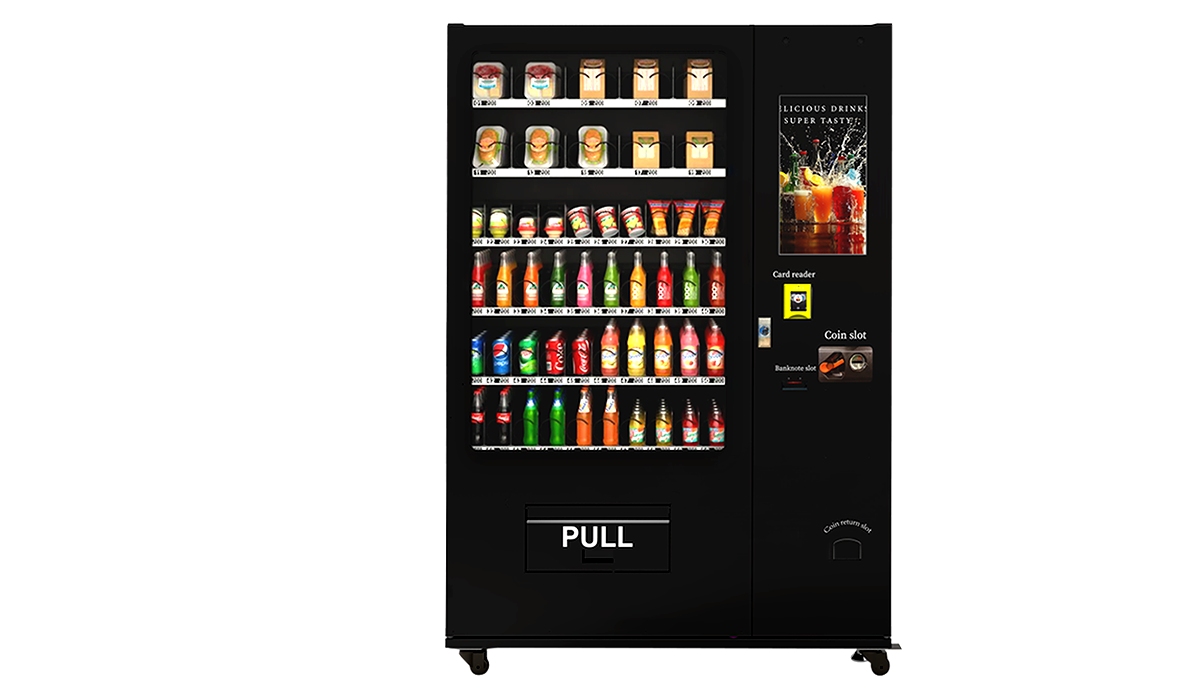
The term “vending machine” still makes most people think of a glass-front box that drops a candy bar. That’s like calling a smartphone a telephone. A modern vending machine is a self-service kiosk that can handle hot food, cold drinks, fresh coffee, packaged groceries, electronics, and even personal care items. The core difference today is connectivity.
Most new machines come with a telemetry system. That means the machine reports its own sales, inventory levels, and even mechanical issues to a cloud dashboard. You can check how many units of a specific snack sold yesterday from your phone. This feature alone changes the economics of the business because it cuts down on wasted trips and stockouts.
Payment systems have also evolved. A machine that only takes cash is a liability in 2025. European and American consumers expect to tap a card or phone. Machines with NFC readers, credit card terminals, and mobile wallet support consistently generate 20–30% more revenue per location compared to cash-only units. This isn’t a guess—it’s a pattern I’ve seen across hundreds of sites.
Another feature that often gets overlooked is energy efficiency. Older machines can draw 10–15 kWh per day. Newer models with LED lighting, efficient compressors, and smart cooling cycles can cut that in half. In high-electricity markets like Germany or California, that difference can add up to hundreds of euros or dollars per machine per year.
Market Trends That Actually Affect Your Bottom Line
The vending machine market in Europe and North America is growing steadily. According to a report from Statista, the global vending machine market was valued at approximately $22 billion in 2023 and is projected to reach over $35 billion by 2030. That growth is driven by contactless payment adoption, labor shortages in retail, and consumer demand for convenience.
One trend I’ve seen accelerate post-pandemic is the shift toward micro-markets and unattended retail. A micro-market is essentially a small, unstaffed store with several self-service kiosks, often located inside office buildings, factories, or hospitals. These setups generate significantly higher revenue per square foot than traditional vending machines. The trade-off is higher upfront investment and more complex maintenance.
Another trend is the rise of healthier vending options. In the UK and across Scandinavia, machines stocked with protein bars, nuts, cold-pressed juices, and even fresh salads are outperforming traditional candy and soda machines. This isn’t a niche anymore—it’s a mainstream shift. If you’re placing a machine in a gym, a university, or a corporate office, you need to adjust your product mix accordingly.
Data from the European Vending & Coffee Service Association (EVA) shows that the average revenue per machine in Western Europe ranges from €300 to €1,200 per month, depending on location and product type. In the US, IBISWorld reports that the average vending machine operator earns between $300 and $800 per month per machine. These numbers are realistic benchmarks, not marketing hype.
Costs: What You’ll Actually Spend
Let’s talk money. The biggest mistake new operators make is underestimating the total cost of getting a machine up and running. The machine itself is only part of the picture.
Equipment Costs
A basic used snack vending machine can cost anywhere from $1,500 to $4,000. A new, modern machine with a touchscreen, cashless payment, and telemetry will run you between $5,000 and $12,000. Combo machines that sell both snacks and drinks are in the $7,000 to $15,000 range. Coffee machines, especially bean-to-cup models with milk systems, start around $8,000 and can go above $20,000 for commercial-grade units.
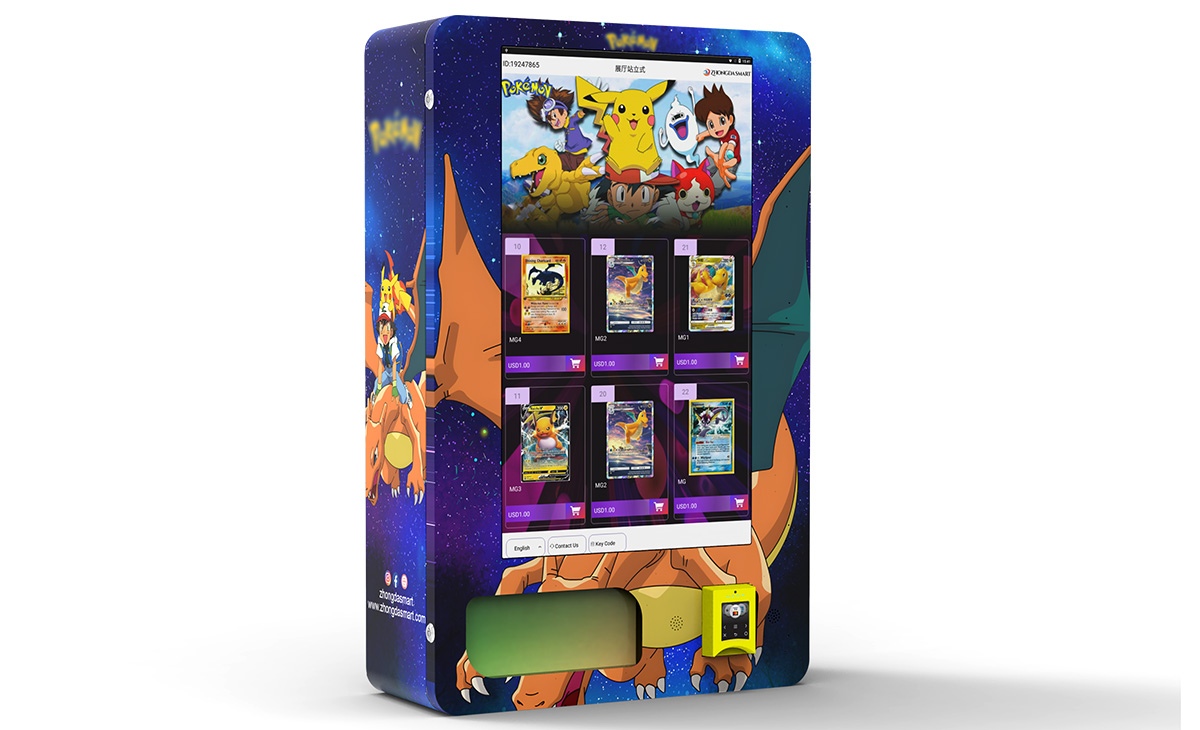
If you’re looking at a manufacturer that balances quality and cost, Zhongda Smart offers a solid range of machines with modern features at competitive prices. I’ve seen their equipment in operation in several European markets, and the build quality holds up well in high-traffic environments.
Installation and Setup
Delivery and installation can cost $300 to $800 depending on location and whether you need a lift gate truck. You may also need electrical work. Most machines require a dedicated 15- or 20-amp circuit. If the location doesn’t have one, you’re looking at $200 to $600 for an electrician.
Location Costs
Some locations charge no commission. Others ask for a percentage of sales, typically 10% to 25%. In high-traffic locations like hospitals or transportation hubs, you might also pay a flat monthly fee. I’ve seen fees range from $50 to $500 per month. Always negotiate. Many location owners don’t understand the economics and will accept a lower commission if you explain the numbers.
Inventory and Restocking
Initial inventory for a snack machine costs around $300 to $600. For a drink machine, figure $200 to $500. Restocking frequency depends on traffic. A high-volume machine might need restocking twice a week. A low-traffic machine might go two weeks. My rule of thumb: if you’re restocking more than twice a week, you probably need a second machine or a larger one.
Maintenance and Repair
This is where most beginners get burned. A cheap used machine might break down every few months. A repair call from a local technician costs $100 to $250 just to show up, plus parts. Over a year, maintenance can easily run $300 to $800 per machine. Newer machines with better components and remote diagnostics reduce this significantly. I’ve had machines from reliable manufacturers run two years without a single service call.
How to Evaluate a Location
Not every busy spot is a good vending machine location. I’ve seen machines placed in high-traffic train stations that failed because the commuters were only passing through and didn’t stop. Location evaluation is part art, part data.
Here’s what I look for: dwell time, foot traffic, and need. A location where people wait—like a laundromat, a car repair shop, a hospital waiting room, or a factory break area—is better than a location where people just walk by. I also look at what’s already available. If there’s a coffee shop next door, your coffee machine will struggle. If there’s no food or drink option within a five-minute walk, you have a strong opportunity.
Foot traffic numbers matter. In my experience, you need at least 100 people passing the machine per day to make decent revenue. For a coffee machine, you need fewer people but higher dwell time. For a snack machine, you need volume.
I always run a two-week trial with a basic machine before signing a long-term location agreement. If the location can’t generate at least $200 in weekly sales during the trial, I move the machine. Don’t fall in love with a location. The numbers will tell you the truth.
Comparison Table: Machine Types and Typical Performance
| Machine Type | Average Cost (New) | Monthly Revenue Range | Gross Margin | Best Location Type |
|---|---|---|---|---|
| Snack Machine | $5,000 – $8,000 | $400 – $1,000 | 30% – 45% | Offices, schools, factories |
| Drink Machine | $4,000 – $7,000 | $300 – $800 | 25% – 40% | Gyms, parks, transport hubs |
| Combo (Snack + Drink) | $7,000 – $12,000 | $600 – $1,500 | 30% – 40% | Hotels, hospitals, break rooms |
| Bean-to-Cup Coffee | $8,000 – $20,000 | $500 – $2,000 | 50% – 70% | Offices, gas stations, car dealerships |
| Frozen Food / Fresh Food | $10,000 – $18,000 | $700 – $2,500 | 35% – 50% | Hospitals, universities, large factories |
These numbers are based on my own operational data across dozens of machines in the US and Europe. Your actual results will vary based on location, product pricing, and how well you manage inventory.
Common Mistakes New Operators Make
I’ve seen more people lose money in vending than make it. Here are the most common mistakes and how to avoid them.
Buying Cheap Used Machines
A $1,500 used machine might seem like a bargain, but if it breaks down three times in the first six months, you’ve already spent more on repairs than you would have on a new machine. I’ve seen operators abandon machines because the repair costs exceeded the revenue. If your budget is tight, look for refurbished machines from reputable dealers who offer a warranty.
Ignoring Cashless Payment
I placed a machine in a busy office building in 2022 that was cash-only. In the first month, it did $180 in sales. I installed a card reader. The next month, it did $520. Same location, same products. If your machine doesn’t accept cards or mobile payments, you’re leaving money on the table.
Overstocking or Understocking
Beginners either fill the machine with too much of the same item or stock items that don’t sell. Use your telemetry data. If a product hasn’t sold in two weeks, replace it. Don’t buy in bulk until you know what moves.
Choosing the Wrong Location
I once placed a machine in a small retail shop with 50 daily visitors. The machine did $60 per week. The location owner was friendly, but friendly doesn’t pay the bills. Move the machine to a better spot. It’s not personal.
Neglecting Hygiene and Appearance
A dirty machine loses trust. In Europe, food safety regulations are strict. In the US, health departments are increasingly inspecting vending machines. Clean the machine regularly, check expiration dates, and replace damaged products. A clean machine sells more.
How to Choose a Supplier or Manufacturer
Choosing the right vending machine supplier is critical. I’ve worked with manufacturers from China, the US, and Europe. Here’s what I recommend you look for.
First, check if the manufacturer offers remote monitoring as a standard feature. Many older brands charge extra for telemetry. Newer manufacturers like Zhongda Smart include it in the base price. That’s a sign they understand modern operations.
Second, ask about spare parts availability. If the manufacturer is based overseas but has a warehouse in your country, that’s a big plus. Waiting three weeks for a part kills your revenue.
Third, look at warranty terms. A one-year warranty is standard. Two years is better. Some manufacturers offer extended warranties at a reasonable cost. I always take the extended warranty on the payment system and the compressor.
Finally, talk to other operators. Join a vending operator forum or a local association. Ask who they buy from and why. Real-world feedback is worth more than any brochure.
Payback Period: What to Expect
Payback period depends on your upfront investment, location revenue, and operating costs. For a typical snack machine costing $6,000 placed in a mid-traffic location generating $600 per month with a 40% margin, your monthly profit is around $240. That gives you a payback period of about 25 months. A high-traffic coffee machine with a $12,000 investment and $1,500 monthly revenue at 60% margin can pay back in 13 to 15 months.
These are realistic numbers. If someone promises you a six-month payback, they’re either selling you a fantasy or a location that doesn’t exist. Plan for 18 to 24 months as a healthy benchmark.
FAQ: Vending Machine Business Questions
Is a vending machine business profitable?
Yes, but only if you choose the right equipment and location. Many operators earn a side income of $500 to $2,000 per month per machine. Full-time operators with multiple machines can earn a solid living, but it takes work. Profit margins typically range from 25% to 60% depending on product type.
How much does a vending machine cost?
A new machine with modern features costs between $5,000 and $20,000. Used machines can be found for $1,500 to $4,000 but often require repairs. Total startup cost including inventory, installation, and permits is usually $6,000 to $15,000 per machine.
How long does it take to break even?
Based on my experience, most operators break even in 18 to 30 months. High-traffic locations with high-margin products can break even in 12 months. Low-traffic locations may take three years or more.
Should I buy or lease a vending machine?
Buying is better if you have capital and want long-term control. Leasing can work if you want to test the market with low upfront cost, but lease payments eat into your profit. I recommend buying a new or refurbished machine from a reliable supplier.
Where should I place a vending machine?
Look for locations with high foot traffic and dwell time. Good examples include office break rooms, hospital waiting areas, factory floors, laundromats, car repair shops, gyms, and college dorms. Avoid locations where people are just passing through without stopping.
What permits do I need?
In the US, you typically need a business license and a seller’s permit. Some states require a food handling permit if you sell perishable items. In Europe, requirements vary by country. In France, for example, you must register with the Chamber of Commerce and comply with food safety regulations from the Direction Générale de l’Alimentation. Check local rules before placing a machine.
How do I choose a vending machine supplier?
Look for a manufacturer that offers telemetry, cashless payment integration, and a solid warranty. Zhongda Smart is a good example of a manufacturer that includes these features at a reasonable price. Also check for local parts availability and customer support in your region.
What happens if the machine breaks?
Most common issues are payment system failures, jammed products, or cooling system problems. If you have a telemetry system, you’ll get an alert. For minor issues, you can fix them yourself with basic tools. For major repairs, you’ll need a technician. That’s why buying a reliable machine upfront saves money in the long run.
How do I reduce restocking and maintenance costs?
Use telemetry to track inventory and only visit machines when they need restocking. Group your machines geographically to reduce travel time. Buy spare parts in advance. And clean your machines regularly to prevent buildup that causes mechanical issues.
Final Thoughts from the Field
The vending machine business is not passive income. It’s a real business that requires planning, capital, and consistent effort. But for operators who treat it seriously, it can provide steady returns and room to scale. Start small. Test a location. Learn the numbers. Then reinvest. That’s how you build a sustainable operation. If you’re looking for equipment that won’t let you down, do your homework on the manufacturer. I’ve seen good results with Zhongda Smart machines in European and American locations, especially for operators who prioritize modern payment and remote monitoring. The market is growing, and the opportunities are real—but only if you approach it with your eyes open.
This article was updated in April 2025. The information reflects my personal experience as a vending machine operator and data from publicly available industry sources.