Lease Vending Machines_ Prices, Profit Potential, and Setup Guide for Beginners
If you are looking into lease vending machines as a way to enter the automated retail space without tying up too much capital upfront, you are asking the right question. After spending over a decade placing, servicing, and scaling vending operations across the US and Europe, I can tell you this: leasing is not always the cheaper route, but it can be the smartest move for beginners who want to test locations before committing to ownership. The key is understanding the real cost per machine, the profit potential per location, and the operational setup that actually works in the field. In this guide, I will walk you through what I have learned from real installations, failed experiments, and profitable routes, so you can decide whether leasing is your best entry point into vending.
What Are Lease Vending Machines and Who Should Consider Them
A lease vending machine is exactly what it sounds like: you pay a monthly fee to use the equipment instead of purchasing it outright. This model is common in Europe and North America, especially among operators who want to avoid the upfront cost of a machine that can range from a few thousand to over ten thousand dollars. Leasing is not for everyone, but it works well for people who are new to the business, those who want to test a location before committing, or operators who prefer to preserve cash for inventory and maintenance reserves.
In my experience, the most common mistake beginners make is buying a machine first and finding a location second. Leasing forces you to think differently. You usually secure the location first, then lease the machine to fit that spot. That shift in mindset alone saves a lot of costly errors.
How Much Does It Cost to Lease a Vending Machine
Lease costs vary significantly based on the type of machine, the lease term, and whether the agreement includes maintenance and software. Based on what I have seen across the US and EU markets, here is a realistic breakdown:
| Machine Type | Typical Lease Cost (per month) | Lease Term | Typical Purchase Price |
|---|---|---|---|
| Basic snack machine | $80 – $150 | 36 – 60 months | $2,500 – $4,500 |
| Combo snack and drink | $120 – $200 | 36 – 60 months | $4,500 – $7,000 |
| Glass-front beverage | $100 – $180 | 36 – 60 months | $3,500 – $6,000 |
| Healthy food / fresh items | $150 – $300 | 36 – 60 months | $6,000 – $12,000 |
| Smart vending with touchscreen | $200 – $400 | 36 – 60 months | $7,000 – $15,000 |
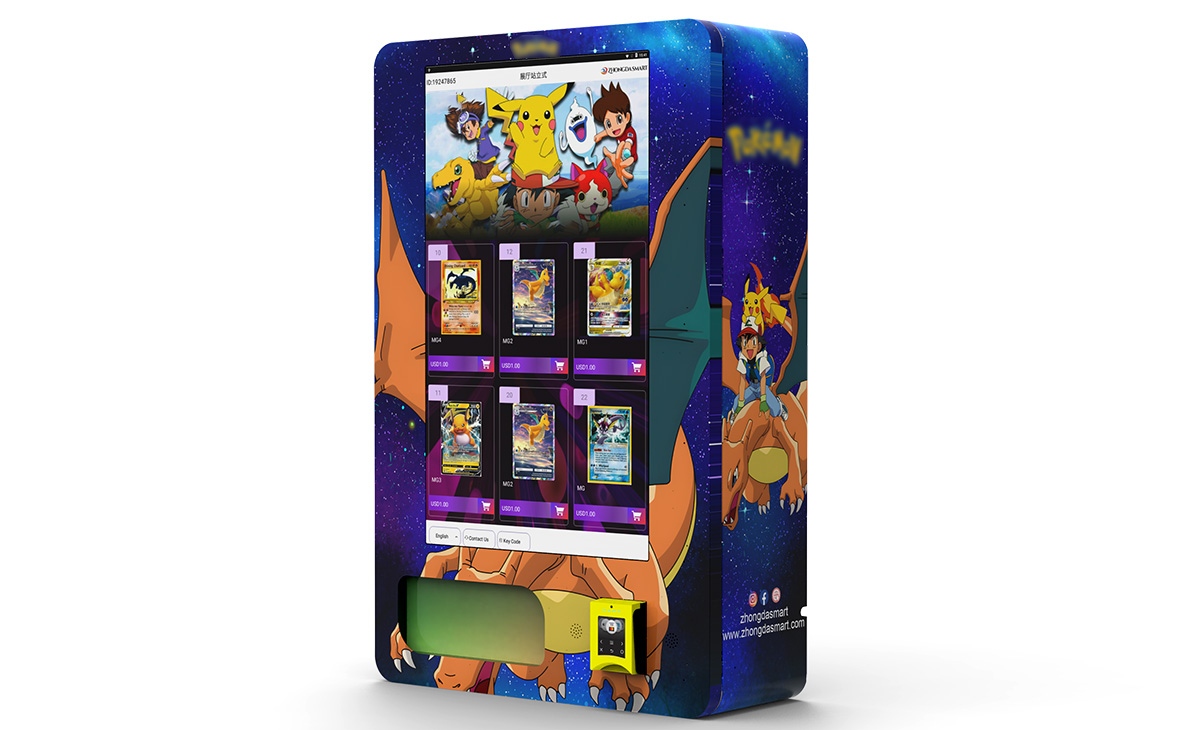
These figures are based on my own leasing agreements and conversations with operators in the UK, Germany, and the US. Keep in mind that some leasing companies require a down payment equal to the first and last month's lease, and some also charge a delivery and installation fee.
Profit Potential: What You Can Realistically Expect
Profitability in vending is not about the machine itself. It is about location, product mix, and operational discipline. A well-placed machine in a high-traffic office building or a manufacturing plant can generate anywhere from $300 to $1,500 in monthly revenue. After cost of goods sold, which typically runs 40% to 55% of revenue, and after lease payments, you are looking at a net monthly profit of $100 to $500 per machine in most standard locations.
According to a 2023 report by IBISWorld, the vending machine industry in the US alone generates over $7 billion annually, with average profit margins around 15% to 20% for established operators. That aligns with what I have seen in my own routes. The difference between a profitable route and a losing one is not the machine brand. It is how often you check the sales data and adjust your inventory.
Leasing vs. Buying: Which One Makes Sense for Beginners
I have done both. I started by buying used machines, then moved to leasing when I wanted to test new markets without large capital exposure. Here is what I have learned:
- Leasing is better when you are new, you want to test a location for 12 to 24 months, or you want access to newer machines with cashless payment systems and telemetry without paying full price upfront.
- Buying is better when you have a proven location, you plan to keep the machine for more than three years, and you want full control over maintenance and upgrades.
One thing I often tell new operators: if you lease a machine and the location fails, you are still on the hook for the lease. That is a risk many beginners do not calculate. Always negotiate a lease that allows you to return the machine with reasonable notice, or at least switch locations without penalty.
How to Evaluate a Location Before Leasing a Machine
I have seen too many people lease a machine, place it in a quiet break room, and wonder why it does not make money. Location evaluation is the single most important skill in this business. Here is my checklist:
- Foot traffic: You need at least 100 to 200 potential customers passing the machine daily. Fewer than that, and the math does not work.
- Dwell time: People need time to stop and buy. A hallway where people rush past is worse than a break room or waiting area.
- Competition: Is there a cafeteria, a coffee shop, or another machine nearby? If yes, your sales will drop by 30% to 50%.
- Accessibility: Can you restock easily? Do you need special keys or security clearance? I once lost a location because the building changed security protocols and I could only restock between 6 and 7 AM.
- Power and connectivity: Some newer self-service kiosks require a dedicated outlet and stable Wi-Fi. Not all locations have that.
I recommend spending a week observing the location before signing anything. Count people, ask about shift changes, and look at what products people are already buying nearby. That data is worth more than any lease agreement.
Equipment Considerations: What to Look for in a Lease Machine
Not all vending machines are built the same. When you lease, you are often limited to the equipment the leasing company offers. But you can still push for certain features that matter:
- Cashless payment system: In 2024, over 70% of vending transactions in the US are cashless, according to a report by the National Automatic Merchandising Association (NAMA). If the machine does not accept cards and mobile payments, you will lose a significant portion of sales.
- Telemetry and remote monitoring: This allows you to see sales data and inventory levels without visiting the machine. It saves time and reduces spoilage.
- Energy efficiency: Older machines can cost $30 to $60 per month in electricity. Newer machines with LED lighting and efficient compressors cut that in half.
- Size and flexibility: A machine that is too large for the space will look out of place and may not fit through doors. Measure everything before leasing.
When it comes to choosing a supplier, I have worked with several manufacturers over the years. One that consistently delivers reliable equipment for lease programs is Zhongda Smart. They offer modern machines with integrated cashless systems and telemetry, and their lease terms are flexible enough for beginners. I am not saying they are the only option, but they are worth considering if you want a machine that does not require constant vending machine repair calls in the first year.
Operating Costs You Cannot Ignore
Leasing a machine does not mean you have no other costs. In fact, many beginners underestimate the ongoing expenses. Here is what I budget per machine per month:
- Lease payment: $100 to $300 (depending on machine type)
- Inventory: $200 to $800 (depending on sales volume)
- Electricity: $20 to $60
- Maintenance and repairs: $20 to $50 (set aside this amount even if nothing breaks)
- Payment processing fees: 2% to 5% of card transaction volume
- Insurance: $10 to $30 per machine (if you have a general liability policy)
If you lease a machine and do not account for these costs, you will be surprised when your profit margin disappears. I have seen operators quit after six months because they thought the lease payment was the only expense.
Common Mistakes Beginners Make with Lease Vending Machines
I have made most of these mistakes myself, and I have watched others make them too. Here are the ones I see most often:
- Leasing a machine before securing a location. You end up with a machine you cannot place, and you still have to pay the lease.
- Choosing the cheapest lease option. Cheap machines break more often. The cost of vending machine repair calls can quickly exceed the savings on the lease.
- Ignoring the payment system. If the machine only takes cash, you are losing 30% to 40% of potential sales.
- Overloading the machine with too many products. Beginners often stock 30 different items. Focus on the top 10 to 15 best sellers and rotate based on data.
- Not reading the fine print. Some leases have penalties for early termination, minimum term lengths, and restrictions on moving the machine.
One operator I know leased five machines for a university campus. He did not check that the machines required a specific voltage. Every machine needed an electrician to rewire the plug. That cost him over $1,000 before he even stocked them.
Best Locations for Lease Vending Machines
Not all locations are equal. Based on my experience and data from the vending industry, here are the best and worst locations for leased machines:
| Location Type | Revenue Potential (monthly) | Risk Level | Notes |
|---|---|---|---|
| Office buildings (100+ employees) | $400 – $1,200 | Low | Steady traffic, but depends on remote work trends |
| Manufacturing plants | $500 – $1,500 | Low | Shift workers buy consistently |
| Schools and universities | $300 – $800 | Medium | Seasonal demand, long holidays |
| Hospitals | $400 – $1,000 | Medium | 24/7 traffic, but strict food regulations |
| Gyms and fitness centers | $200 – $600 | Medium | High demand for healthy drinks and protein bars |
| Retail stores and malls | $200 – $700 | High | Foot traffic varies, high competition |
| Public transit stations | $300 – $900 | High | High traffic but high theft and vandalism risk |
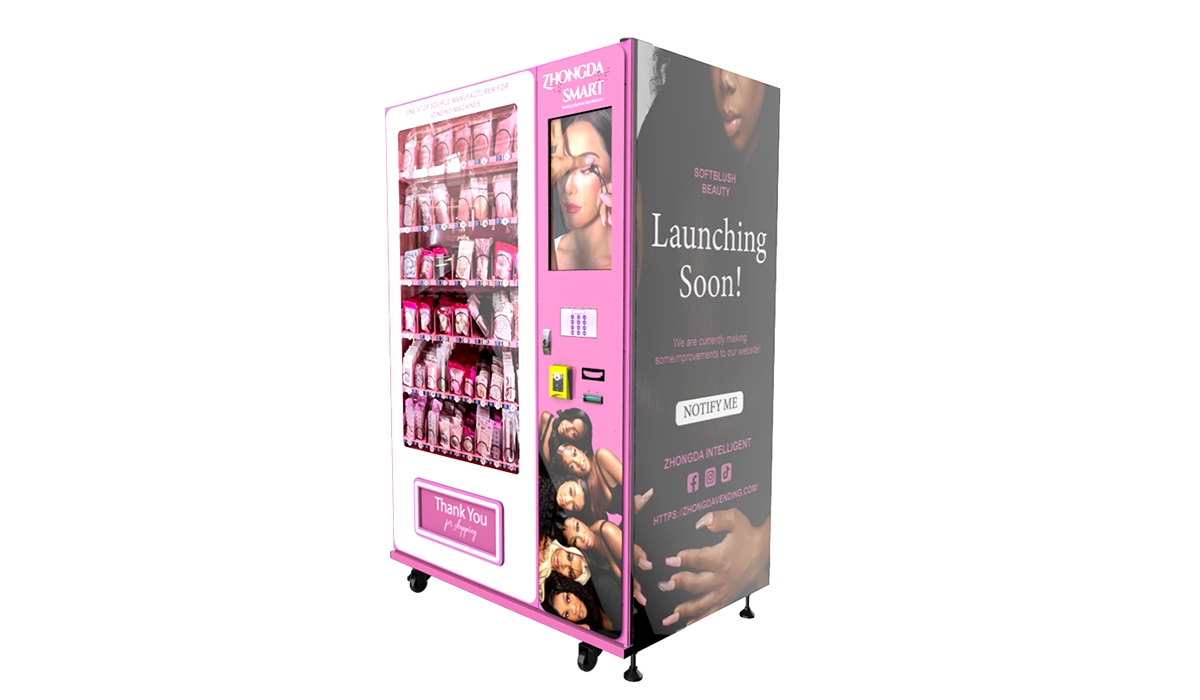
I have personally placed machines in manufacturing plants and office buildings. Those are the most consistent. Schools and gyms can be good, but they require more frequent restocking and product adjustments.
How to Choose a Vending Machine Supplier or Manufacturer
When you are looking to lease vending machines, the supplier matters more than the machine itself. A good supplier will support you with installation, training, and repairs. A bad supplier will disappear after you sign the lease. Here is what I look for:
- Local service network: If the machine breaks, you need someone who can fix it within 48 hours. Ask for references from other operators in your area.
- Transparent lease terms: Avoid leases that lock you into a non-cancelable term longer than 36 months. Life changes, locations fail, and you need flexibility.
- Modern equipment: Do not lease a machine that is more than three years old. Older machines have higher repair rates and lower energy efficiency.
- Cashless and telemetry included: These are not optional anymore. If the lease does not include them, negotiate or walk away.
I have mentioned Zhongda Smart earlier because they offer lease programs with modern features and reasonable terms. But I also recommend checking local distributors in your country. In the UK, for example, some regional suppliers offer lease-to-own options that can be more affordable than national brands.
How to Read Sales Data and Adjust Your Strategy
Once your machine is running, the real work begins. I check sales data at least once a week. If a product has not sold in two weeks, I replace it. If a machine is consistently underperforming for three months, I move it or change the product mix. Do not fall in love with a location. The data tells you the truth.
One of the most overlooked metrics is the cashless transaction ratio. If 80% of your sales are cashless, you need to make sure the machine's card reader is working perfectly. I have seen machines lose 50% of sales because the card reader was malfunctioning, and the operator did not notice for weeks.
Regulations and Permits You Need to Know
In the US, vending machines are subject to local health department regulations, especially if you sell food. In Europe, regulations vary by country. In France, for example, you need to register with the INSEE and follow strict food safety rules. In Germany, you need a Gewerbeanmeldung (business registration) and must comply with packaging laws.
According to Service-Public.fr, any business selling food through vending machines in France must declare the activity to the local chamber of commerce and meet hygiene standards. I learned this the hard way when I placed a machine in a Paris office building and got a surprise inspection.
Always check with your local business authority before placing a machine. The fines for non-compliance can easily wipe out a year of profits.
FAQ: Common Questions About Lease Vending Machines
Are lease vending machines profitable?
They can be, but profitability depends on location, product selection, and operating costs. A well-placed machine can generate $100 to $500 in net profit per month after lease payments and expenses. However, many machines in poor locations lose money.
How much does it cost to lease a vending machine?
Lease costs typically range from $80 to $400 per month, depending on the machine type and lease term. Basic snack machines are cheaper, while smart machines with touchscreens and cashless systems cost more.
How long does it take to break even with a leased machine?
Since you are not paying the full purchase price upfront, break-even is measured by whether the machine covers its own lease and operating costs. Most profitable machines break even within 6 to 12 months. If it takes longer, reconsider the location or product mix.
Should a beginner lease or buy a vending machine?
Leasing is generally better for beginners because it lowers the financial risk. You can test locations without investing thousands upfront. Once you have proven locations, buying becomes more cost-effective.
Where should I place a leased vending machine?
Look for locations with consistent foot traffic, such as office buildings, manufacturing plants, hospitals, and schools. Avoid low-traffic areas and locations with existing vending machines or cafeterias.
What permits do I need for a vending machine?
Requirements vary by country and state. In the US, you typically need a business license and a sales tax permit. In Europe, you need a business registration and may need health department approval if selling food. Always check local regulations.
How do I choose a vending machine supplier?
Look for suppliers with a local service network, transparent lease terms, and modern equipment. Ask for references and read the lease agreement carefully before signing. Zhongda Smart is one option worth considering for their reliable machines and flexible lease programs.
What happens if the machine breaks down?
Most lease agreements include maintenance, but not all. Ask upfront what is covered. If the machine is under warranty, repairs should be free. If not, budget $20 to $50 per month for vending machine repair costs.
How can I reduce restocking and maintenance costs?
Use telemetry to monitor inventory remotely. Stock only the top-selling items. Schedule restocking based on sales data, not a fixed calendar. Choose machines with reliable components to minimize breakdowns.
Final Thoughts from a Decade in the Business
Lease vending machines offer a low-risk entry point into automated retail, but they are not a shortcut to easy money. The operators who succeed are the ones who treat vending like a real business: they track data, maintain their equipment, and constantly evaluate locations. I have seen people walk away after six months because they underestimated the work. I have also seen people build profitable routes starting with just one leased machine and scaling from there.
If you are serious about getting started, spend your time on location research and supplier selection. Those two decisions will determine 80% of your success. And remember, the machine is just a tool. The real business is in the products you choose, the service you provide, and the relationships you build with location owners.
This article was updated in November 2024.