Best Tooling Vending Machines in 2026_ Ultimate Guide, Costs, and Buying Tips
After a decade of placing, breaking, fixing, and sometimes pulling machines out of bad locations, I can tell you one thing straight: the best tooling vending machines in 2026 are not the flashiest ones on a trade show floor. They are the ones that survive a janitor kicking them at 6 AM, process a credit card payment in under three seconds, and still turn a profit after rent and restocking. Whether you are a shop foreman looking to keep tools on-site or an operator trying to build a route, this guide covers the real costs, the hidden traps, and the buying tips that actually matter in today’s automated retail landscape.
What Exactly Are Tooling Vending Machines?
Let’s start with the basics because the term gets thrown around loosely. Tooling vending machines are specialized self-service kiosks designed to dispense industrial consumables: drill bits, cutting inserts, abrasives, gloves, safety glasses, fasteners, and even higher-value tooling like end mills or carbide tips. Unlike a snack machine, these units are built for rugged environments—factories, warehouses, maintenance shops, and assembly lines.
These machines are not just glorified lockers. They integrate with inventory management software, track who took what, and often require employee ID or badge access. In many ways, they function as a mini warehouse on the shop floor, reducing downtime caused by workers hunting for a specific tap or die.
From my experience, the biggest shift in the last three years has been the move toward cloud-connected units. If your machine cannot text you when a bin is low or when a motor jams, you are running blind. That is why the best tooling vending machines in 2026 are almost exclusively smart units with real-time data capability.
Who Actually Needs These Machines?
If you run a machine shop, an automotive repair chain, a construction company with a central tool crib, or a manufacturing facility with more than twenty employees, you have a problem that a vending machine can solve. The problem is leakage. Tools walk out the door. Employees grab the wrong size and never return it. Supervisors spend hours doing manual inventory counts.
I have seen a mid-sized fabrication shop lose over $15,000 per year just in unreturned drill bits and measuring tools. That is not a small number. A well-placed tooling vending machine cuts that loss by 80 to 90 percent in the first six months. It also frees up the tool crib attendant to do actual work instead of handing out screwdrivers all day.
Beyond industrial settings, these machines are popping up in university engineering labs, municipal maintenance depots, and even large hotel maintenance rooms. If people need tools to do their jobs, and someone is paying for those tools, a vending solution makes financial sense.
How Much Do These Machines Cost? A Realistic Breakdown
This is where most online guides get vague. They throw out a number like “$5,000 to $20,000” and call it a day. That range is technically true, but it hides the nuance that determines whether you make money or lose it.
Based on my own purchases and those of colleagues, here is a more honest cost breakdown:
| Machine Type | New Price Range (USD) | Used Price Range (USD) | Typical Lifespan |
|---|---|---|---|
| Basic coil-based tool dispenser | $3,500 – $6,000 | $1,500 – $3,000 | 5–7 years |
| Smart vending machine with touchscreen and cloud software | $7,000 – $14,000 | $4,000 – $8,000 | 7–10 years |
| Heavy-duty industrial kiosk with carousel or robotic arm | $15,000 – $30,000 | $8,000 – $15,000 | 10–12 years |
| Automated locker system for high-value tools | $12,000 – $25,000 | $6,000 – $12,000 | 8–10 years |
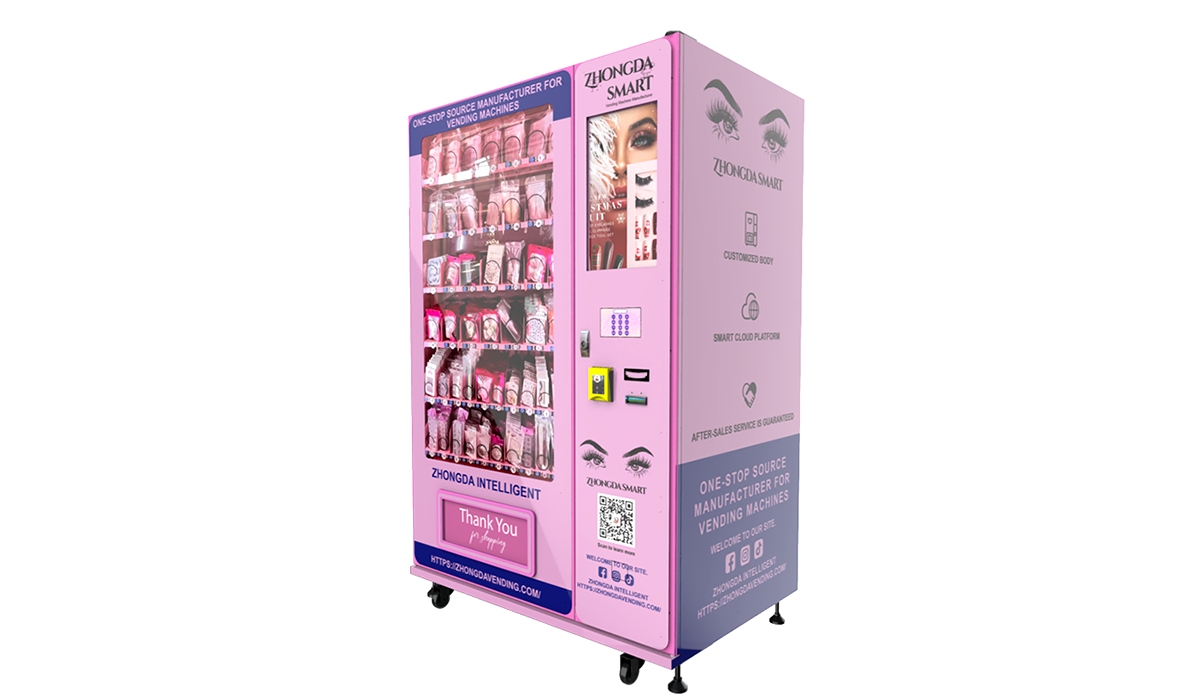
These figures are based on actual quotes I have received over the past two years from suppliers including Zhongda Smart, as well as other established manufacturers. Keep in mind that software subscription fees can add another $50 to $200 per month, depending on the platform. Some vendors bundle the software for the first year and then charge annually. Do not forget to factor that into your break-even calculation.
Operational Costs That Sneak Up on You
New operators often focus only on the machine price. That is a mistake. The real cost of running a tooling vending machine includes restocking labor, inventory carrying cost, credit card processing fees (typically 2.5% to 3.5% per transaction), machine repair, and sometimes location rent or commission.
Let me give you a real example. I placed a smart tool vending machine in a factory with 120 mechanics. The machine cost $11,000. Monthly software fee was $120. Restocking took about three hours per week at $25 per hour. Credit card fees averaged $85 per month. After six months, the machine was generating about $3,200 in monthly gross sales, with a 45% margin on the tools. That left about $1,440 in gross profit per month. After subtracting software, restocking labor, and card fees, net profit was around $950 per month. Break-even took about 11 months.
That is a good scenario. I have also seen machines in low-traffic locations that never broke even. The difference was not the machine—it was the location and the product mix.
Location: The Single Most Important Decision
You can buy the best tooling vending machines in 2026, but if you put them in a dead zone, they will sit there collecting dust. Location is everything. In the tooling vending world, the best locations are not malls or office break rooms. They are places where people work with their hands.
Here are the locations I have found most profitable:
- Manufacturing plants with 50+ employees: High turnover of consumables like gloves, cutting fluids, and abrasives.
- Automotive dealership service bays: Mechanics need fast access to sockets, wrenches, and specialty tools.
- Large construction job sites: Temporary but high-volume. Requires a rugged machine and a contract with the general contractor.
- Vocational schools and trade colleges: Students go through tools quickly. The school gets better inventory control.
- Municipal fleet maintenance yards: Government accounts pay slower but are reliable long-term.
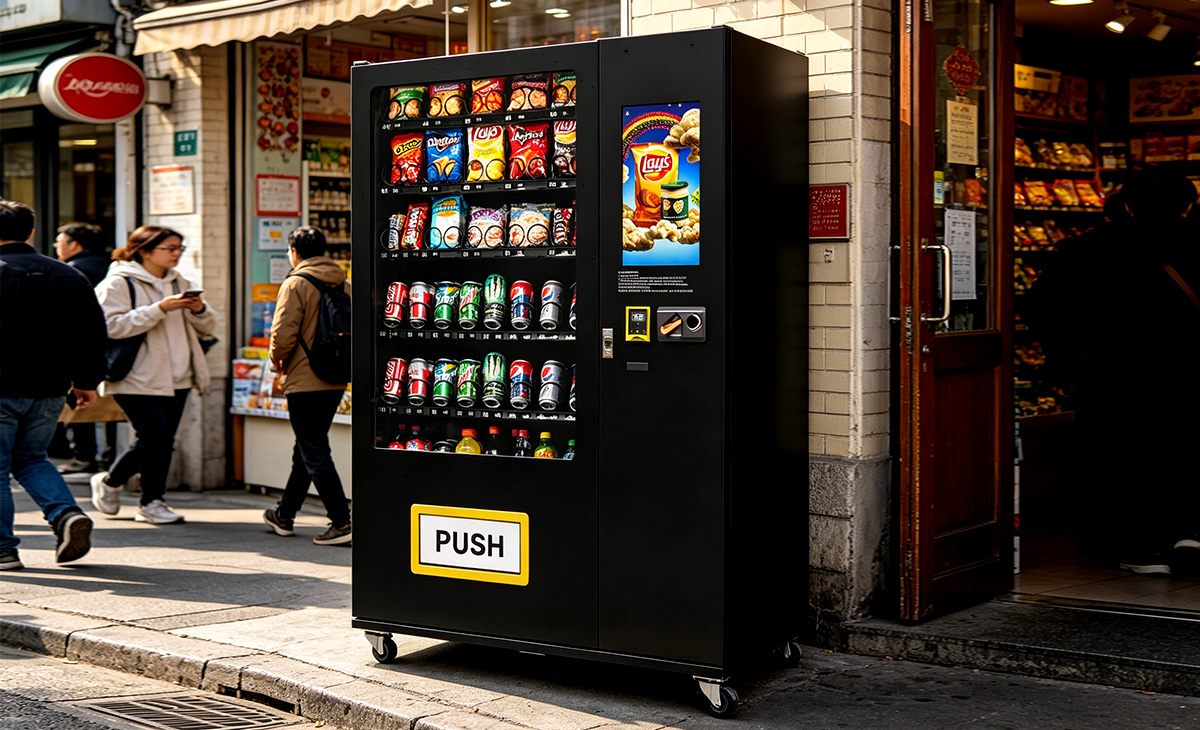
One mistake I made early on was placing a machine in a small repair shop with only six employees. The volume was too low to justify restocking trips. I ended up pulling the machine after eight months. The lesson: do not place a machine anywhere with fewer than 20 regular users unless the margin on the items is extremely high.
What to Look for in a Supplier
I have purchased machines from five different suppliers over the years. Some delivered exactly what they promised. Others sent units that broke down within three months and had terrible support. Here is what I now check before buying:
- Build quality: Is the cabinet made of 16-gauge steel or thinner? Thinner steel dents easily in industrial environments.
- Payment system flexibility: Does it support credit cards, Apple Pay, and badge scanning? If not, walk away.
- Software integration: Can you connect it to your existing inventory system? Does it support remote monitoring?
- Spare parts availability: Are replacement motors, sensors, and control boards easy to source? Some Chinese manufacturers are difficult to deal with for parts. Zhongda Smart, for example, has a dedicated after-sales team that stocks common spares in regional warehouses, which has saved me weeks of downtime.
- Warranty and support: At least one year on parts, ideally two. Check whether support is email-only or includes phone and remote diagnostics.
Do not buy a machine based solely on price. I have seen operators buy a $4,000 machine that needed $1,200 in repairs in the first year. That is not a bargain. A well-built machine from a reputable supplier costs more upfront but pays for itself in reliability.
Self-Operate vs. Lease vs. Revenue Share
There are three common business models for tooling vending machines. Each has pros and cons, and the right choice depends on your capital, risk tolerance, and time commitment.
| Model | Upfront Cost | Monthly Commitment | Profit Potential | Best For |
|---|---|---|---|---|
| Self-operate (buy machine, manage everything) | High ($5k–$30k) | Low (software + restocking) | High (you keep all margin) | Experienced operators with existing routes |
| Lease (pay monthly for machine) | Low ($0–$2k down) | Medium ($200–$600/month) | Medium (lease eats into margin) | New operators testing the market |
| Revenue share (location provides space, you split profit) | Low to none | Low (split 50/50 or 60/40) | Low to medium | Operators with strong locations but limited capital |
I prefer self-operate once you have at least three machines on a route. The margins are better, and you control the restocking schedule. Leasing is fine for a trial, but the monthly payments add up fast. Revenue share works well if the location is high-traffic but the owner demands a cut. Just make sure the split is fair and that you are not covering all the costs while giving away half the profit.
Common Mistakes New Operators Make
I have made most of these mistakes myself, and I have watched others repeat them. Save yourself the headache.
- Buying a machine before securing a location. This is the number one rookie error. You end up with a machine in your garage and no place to put it. Find the location first, then buy the machine that fits.
- Underestimating restocking labor. A machine that needs restocking twice a week eats into your margin fast, especially if you have to drive 30 miles each way. Plan your route density.
- Choosing the wrong product mix. High-volume, low-margin items like gloves and safety glasses are good for traffic, but you need higher-margin items like specialty cutting tools to make real profit. Balance the mix.
- Ignoring software and data. If you are not tracking which items sell and which sit on the shelf for months, you are guessing. Guessing costs money.
- Skipping the service contract. When a machine goes down, every day of downtime is lost revenue. A good service contract or a reliable vending machine repair partner is worth the cost.
How to Evaluate a Potential Location
Before you commit to a location, spend a day observing the workflow. Count how many people walk past the area where the machine would go. Talk to the plant manager about shift schedules. Ask about current tool procurement methods. If they already have a tool crib attendant, find out how many transactions happen per day.
I use a simple formula: if the location cannot support at least 150 transactions per month with an average ticket of $8 to $12, I walk away. That usually means a minimum of 25 regular users who need tools at least a few times per week. Below that threshold, the math does not work after rent, restocking, and card fees.
Also, check the power supply and network connectivity. Many industrial locations have poor Wi-Fi. If your machine relies on cloud connectivity, you may need to install a cellular modem. That adds $20 to $40 per month to your operating cost.
Maintenance and Repair: What You Need to Know
No machine is indestructible. Even the best tooling vending machines in 2026 will need occasional repairs. The most common issues I have encountered are jammed dispensing mechanisms, failed card readers, and software glitches after a firmware update.
For minor repairs, I recommend learning basic troubleshooting yourself. Replace a jammed motor, reset the control board, or swap out a card reader. For major issues like a failed compressor in a refrigerated unit or a broken touchscreen, you will need a technician. Build a relationship with a local vending machine repair company before you need them. Waiting three days for a repair technician costs you sales and annoys the location host.
One thing that has saved me countless hours is buying machines with modular components. If a motor fails, I can swap it in ten minutes instead of sending the whole unit back to the manufacturer. Zhongda Smart machines, for instance, use a modular design that makes field repairs straightforward. I have replaced a dispensing coil on one of their units in under 15 minutes with just a screwdriver.
Profitability: Real Numbers from Real Routes
Let me share some actual data from my own operation. I run a route of 12 tooling vending machines across five cities in the Midwest. Here is the average performance over the last 12 months:
- Average monthly revenue per machine: $2,800
- Average cost of goods sold: 52% of revenue
- Average monthly operating costs (software, restocking labor, card fees, rent): $720
- Average net profit per machine per month: $624
- Average break-even period: 14 months
These numbers are consistent with industry benchmarks. According to a 2025 report by IBISWorld, the vending machine operators industry in the US has an average profit margin of around 8.5%, though specialized tooling vending tends to run higher due to better margins on industrial consumables. Another data point from Statista shows that the global vending machine market is projected to grow at a CAGR of 6.2% through 2030, driven largely by automated retail in industrial settings.
Keep in mind that your results will vary. A machine in a busy factory with 200 workers will outperform one in a small workshop. The key is to track everything and adjust quickly when a location underperforms.
How to Choose the Right Machine for Your Situation
There is no single “best” machine for everyone. The right choice depends on your location, your product mix, and your budget. Here is a quick decision framework:
- Low budget, small location: A basic coil-based dispenser from a reliable supplier. Keep the product mix simple—gloves, safety glasses, and basic fasteners.
- Mid-budget, medium location: A smart vending machine with cloud software. You want remote monitoring and the ability to adjust pricing in real time.
- High budget, large industrial site: A heavy-duty kiosk with a carousel or robotic arm. These handle higher volumes and more SKUs, and they look professional in a corporate environment.
- High-value tools (drills, torque wrenches, measuring instruments): An automated locker system that requires badge authentication and logs every transaction. These machines are more expensive but drastically reduce theft.
I have had good experience with Zhongda Smart for mid-range smart machines. Their build quality is consistent, and their software platform is intuitive. That said, always get a demo unit if possible before committing to a bulk order.
The Role of Payment Systems and Security
In 2026, if your machine does not accept credit cards and contactless payments, you are losing sales. Cash-only machines are dead in most industrial settings. Workers do not carry cash. They have company credit cards or mobile wallets.
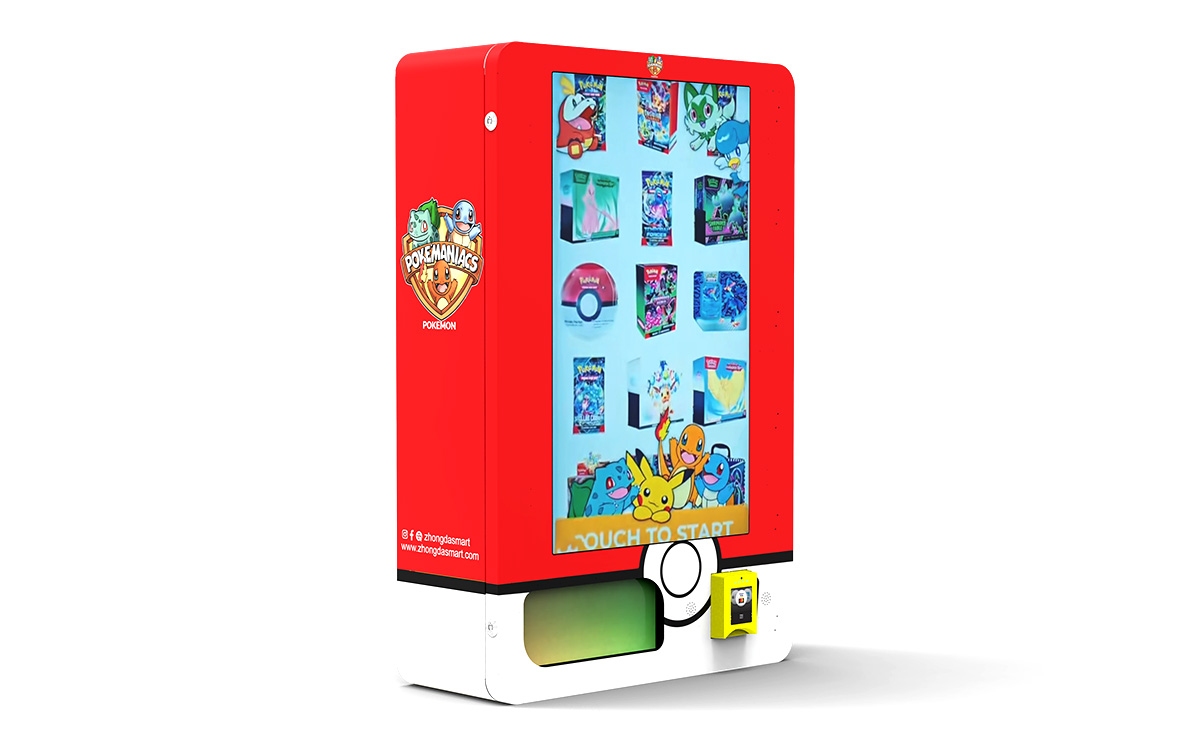
Make sure the payment terminal is EMV-compliant and supports NFC. Also, consider integrating with the location’s existing badge system. Many factories use RFID badges for access control. If your machine can read those badges, you eliminate the need for a separate login, which speeds up transactions and reduces friction.
Security is another consideration. Tooling vending machines often hold high-value inventory. Invest in a machine with a reinforced door, tamper-resistant locks, and an alarm system. I have heard stories of machines being pried open with crowbars. A few hundred dollars extra on a better lock can save you thousands in stolen inventory.
Regulatory and Compliance Issues
In the US, tooling vending machines are generally not subject to the same food safety regulations as snack or beverage machines. However, if you are dispensing any chemicals (cutting fluids, lubricants, solvents), you may need to comply with OSHA labeling requirements and provide Safety Data Sheets. Check with the location’s safety manager before stocking chemical products.
In Europe, regulations vary by country. For example, in France, any automated retail equipment must comply with the Code de la consommation regarding pricing transparency and consumer rights, even in B2B settings. Make sure your machine displays prices clearly and provides a receipt or digital record of each transaction.
Liability is another concern. If an employee uses a tool from your machine and gets injured, who is responsible? Usually, the employer bears the liability, but you should have a clear contract specifying that the location host assumes responsibility for proper tool use. Consult a lawyer familiar with vending machine law in your state or country.
Future Trends: What to Watch in 2026 and Beyond
The tooling vending industry is evolving fast. Here are three trends I am watching closely:
- AI-powered inventory forecasting: Some new machines use machine learning to predict which items will run out based on historical usage patterns. This reduces stockouts and overstocking.
- Integration with ERP systems: Large manufacturers want vending machines that talk directly to their enterprise resource planning software. This allows automatic reordering when inventory drops below a threshold.
- Mobile app control: Operators can now manage their entire route from a smartphone app, adjusting prices, checking inventory, and even running diagnostics remotely.
These features are not just gimmicks. They save time and money. If you are buying a new machine in 2026, prioritize one that supports at least basic remote management. You will thank yourself later.
Frequently Asked Questions
Are tooling vending machines profitable?
Yes, if placed correctly. A well-located machine with the right product mix can generate $600 to $1,200 in monthly net profit. However, profitability depends heavily on location, restocking efficiency, and margin on the items sold. Do not expect instant riches—treat it as a business that requires active management.
How much does a good tooling vending machine cost?
A new smart machine with cloud software typically costs between $7,000 and $14,000. Heavy-duty industrial units can go up to $30,000. Used machines are cheaper but may lack modern features like remote monitoring. Zhongda Smart offers reliable mid-range machines starting around $7,500.
How long does it take to break even?
In my experience, break-even ranges from 10 to 18 months for a well-placed machine. Factors that speed it up include high transaction volume, good margins, and low location costs. Slow locations can take over two years or never break even.
Should a beginner buy or lease?
Leasing is lower risk for a beginner. You pay a monthly fee instead of a large upfront cost. Once you have proven the location works, you can buy the machine or add more. Just read the lease terms carefully—some contracts lock you in for two or three years.
Where is the best place to put a tooling vending machine?
Manufacturing plants, automotive service centers, and large construction sites are the top locations. Look for places with at least 25 regular tool users and a culture of accountability. Avoid small shops with fewer than 10 employees—the volume will not justify the effort.
What permits or licenses do I need?
In most US states, you need a general business license and a sales tax permit. Some cities require a vending machine permit. In Europe, you may need to register as a business and comply with local commercial regulations. Check with your local chamber of commerce or a business attorney.
How do I choose a supplier?
Look for build quality, software capability, spare parts availability, and after-sales support. Read reviews from other operators. Ask for references. Do not base your decision solely on price—a cheap machine that breaks down constantly will cost you more in the long run.
What happens if the machine breaks down?
Most issues can be resolved with basic troubleshooting. Keep a stock of common spare parts like motors and card readers. For major repairs, call a professional vending machine repair service. Some suppliers offer remote diagnostics, which can solve software problems without a site visit.
How can I reduce restocking costs?
Plan your routes efficiently. Group machines that are close together. Use software that alerts you when inventory is low so you only visit when necessary. Consider hiring a part-time restocker if your route grows beyond five machines.
Do I need insurance for vending machines?
Yes. General liability insurance covers you if someone gets injured using the machine. Some location hosts require proof of insurance before allowing installation. It is inexpensive compared to the potential cost of a lawsuit.
Final Thoughts from the Field
I have seen tooling vending machines transform how shops manage their inventory. I have also seen them collect dust in the wrong location. The difference between success and failure is not luck—it is preparation. Know your numbers. Choose your location carefully. Invest in a reliable machine from a supplier that stands behind their product. And never stop learning from the data your machine generates.
If you are just starting out, start small. Place one machine, learn the workflow, and expand only when you are confident in the model. The best tooling vending machines in 2026 are tools themselves—use them wisely, and they will pay for themselves many times over.
Disclaimer: The information in this article is based on my personal experience operating vending machine routes in the United States over the past ten years. Financial figures are estimates and may vary based on location, product mix, and market conditions. Always conduct your own due diligence before making purchasing or investment decisions.
Sources:
IBISWorld – Vending Machine Operators Industry Report
Statista – Vending Machines Worldwide Market Outlook
OSHA – Hazard Communication Standard (for chemical products in vending)
本文更新于 2026 年 1 月。