Step-by-Step Guide to Starting a Bouncy Ball Vending Machine Business in 2026
If you are looking into starting a bouncy ball vending machine business in 2026, you are likely wondering whether this niche still has room for profit or if the market is already saturated. After spending over a decade operating vending routes across the US and parts of Europe, I can tell you this: the bouncy ball vending machine segment remains one of the most accessible entry points into automated retail, but only if you treat it like a real business rather than a passive income fantasy. The machines are small, the product is cheap, and the margins look great on paper. But the difference between a profitable route and a garage full of idle machines comes down to location discipline, machine quality, and how honestly you calculate your real costs. This step-by-step guide walks through everything I have learned the hard way, from choosing equipment to negotiating with location owners, so you can skip the expensive mistakes.
Why Bouncy Ball Machines Still Work in 2026
The bouncy ball vending machine business is not new. In fact, it has been around for decades. What keeps it alive is the combination of low unit cost, high perceived value for kids, and impulse buying behavior. A child sees a colorful machine filled with capsules, begs a parent for a quarter or a dollar, and within seconds a plastic ball drops. The transaction is fast, the product costs pennies, and the machine does not require refrigeration, electricity beyond a battery pack, or complex payment systems.
According to IBISWorld, the vending machine industry in the United States alone generates over $7 billion annually, with specialized machines like capsule vendors occupying a small but stable niche. The key is understanding that this is a volume game. You are not selling premium coffee or healthy snacks. You are selling a low-cost entertainment item, and your profit per transaction is small. Success depends on high foot traffic and minimal downtime.
Step 1: Understand the Real Economics Before You Buy Anything
Too many beginners buy a bouncy ball vending machine because they see a flashy online listing promising $500 per month per machine. That number is possible, but only in the right location. In my experience, a well-placed machine in a grocery store or family restaurant averages between $80 and $250 per month. A poorly placed machine might do $20. The difference is not the machine. It is the location.
Here is a rough breakdown based on my own routes and data shared by operators in the National Automatic Merchandising Association (NAMA) forums:
| Location Type | Monthly Revenue Range (USD) | Foot Traffic Requirement | Typical Commission |
|---|---|---|---|
| Grocery store entrance | $150 – $300 | High (500+ visitors/day) | 10% – 20% |
| Fast food restaurant | $100 – $250 | High (300+ visitors/day) | 15% – 25% |
| Laundromat | $60 – $150 | Medium (100+ visitors/day) | 10% – 15% |
| Retail store (dollar store, pharmacy) | $80 – $200 | Medium to High | 10% – 20% |
| Barber shop or salon | $40 – $100 | Low to Medium | 0% – 10% |
These numbers are based on my own route data and conversations with operators across the US. Your results will vary depending on local demographics, seasonality, and how well you maintain the machine. But this table gives you a realistic starting point.
Step 2: Choosing the Right Machine
Not all bouncy ball vending machines are built the same. I have owned cheap units that started jamming after three months and high-end units that ran for years with only minor issues. Here is what I look for when evaluating a machine:
Build Quality and Materials
The cheapest machines use thin plastic gears and low-grade metal coin mechanisms. They look fine on day one, but after a few thousand vends, the gears strip, the coin slot sticks, and you start getting complaints. Look for machines with metal coin mechanisms, reinforced gears, and a sturdy cabinet. A machine that costs $150 more upfront can save you $300 in vending machine repair costs over two years.
Payment Systems
In 2026, cash-only machines are becoming harder to justify. Many locations now expect card and digital payment options. Some bouncy ball machines now come with tap-to-pay or NFC readers. If you are placing machines in higher-end areas or locations frequented by younger parents, a cashless option can increase sales by 20% to 40%. However, cashless adds complexity and transaction fees. For low-cost items like bouncy balls, the fee can eat into your margin. I recommend starting with cash-only in simpler locations and upgrading to cashless only when the location justifies it.
Capacity and Dispensing Mechanism
Standard bouncy ball machines hold between 200 and 500 capsules. Larger capacity means less frequent refills, which lowers your labor cost. But larger machines are also heavier and harder to move. For most beginners, a machine holding around 300 balls is a good balance. The dispensing mechanism should be smooth and reliable. Test it with actual balls before buying. A jammed machine is a dead machine.
Supplier Selection
When I started, I bought from generic resellers on Alibaba and ended up with inconsistent quality. Over time, I learned to look for manufacturers with a track record in automated retail. One supplier I have worked with consistently is Zhongda Smart. They produce reliable capsule vending machines with solid coin mechanisms and offer customization options for branding. I am not saying they are the only option, but if you are sourcing internationally, they are worth evaluating. Always ask for samples, check warranty terms, and read reviews from other operators before committing to a bulk order.
Step 3: Finding and Securing Locations
This is the hardest part of the business. Anyone can buy a machine. Finding a spot that generates consistent revenue is the real skill.
What Makes a Good Location
You need foot traffic, dwell time, and the right demographic. A busy sidewalk with people rushing to work is not a good spot. A grocery store entrance where parents wait for their kids is excellent. Family restaurants, laundromats, and dollar stores are classic winners. Avoid locations where the average customer is an adult without children. Also avoid locations where the staff is hostile or indifferent. You need the staff to report issues like jams or low stock.
How to Approach Location Owners
Do not walk in and ask for permission to place a machine. That rarely works. Instead, present yourself as a professional operator. Bring a one-page proposal that explains how the machine works, who handles maintenance, and what commission you offer. Most locations will expect 10% to 20% of gross revenue. Some will ask for more. I never agree to more than 25% unless the location is exceptional. Also, get a written agreement, even if it is just a one-page letter. Verbal agreements lead to disputes when the machine breaks or the manager changes.
Commission vs. Rental
Most operators prefer a commission split because it aligns incentives. If the machine does poorly, the location gets nothing, and you are not stuck paying rent. Some locations prefer a flat monthly rental fee, which can be simpler for their accounting. I avoid flat rental unless the location is proven. Paying $50 per month in rent on a machine that only does $80 is painful.
Step 4: Sourcing Products and Managing Inventory
Bouncy balls are cheap, but quality varies. Cheap balls may deflate, crack, or fail to bounce. Parents notice, and kids complain. A bad product experience kills repeat business. I source from reputable toy distributors and always test a sample batch before ordering in bulk.
Your cost per ball should be between $0.05 and $0.15 depending on quality and volume. You sell them for $0.25 to $1.00 depending on the machine and location. The gross margin is high, but do not forget the commission, the cost of the capsule, and the machine depreciation.
Inventory management is simple compared to food vending. You refill when the machine is about 30% full. Keep a log of refill dates and sales. If a machine consistently sells less than 50 balls per month, consider moving it. If a machine sells out in two weeks, you might need to increase capacity or raise the price.
Step 5: Maintenance and Repair
Every vending machine breaks eventually. The question is how fast you can fix it. A broken machine that sits for two weeks loses revenue and irritates the location owner. If you cannot respond quickly, you will lose the spot.
Common issues include coin jams, ball jams, and broken gears. Carry a basic repair kit: spare coin mechanisms, a set of screwdrivers, pliers, and a few extra balls for testing. Learn to clear jams on site. If you are not mechanically inclined, find a local vending machine repair technician before you need one. Paying for a service call is cheaper than losing a location.
I have seen operators lose profitable locations because they ignored a jam for a week. The location owner got frustrated and called a competitor. Do not let that happen.
Step 6: Legal and Tax Considerations
In the US and Europe, vending machine operators must comply with local business licensing, sales tax collection, and sometimes health regulations if selling food. Bouncy balls are not food, so health regulations are minimal. But you still need a business license, and you must collect and remit sales tax in most jurisdictions.
In the European Union, rules vary by country. For example, in France, you may need to register as a micro-entrepreneur and charge TVA on sales. According to Service-Public.fr, any commercial activity involving automated vending requires a formal declaration. In the US, each state has different sales tax rules. Some states exempt low-cost items, others do not. Consult a local accountant or business advisor.
Insurance is another consideration. General liability insurance covers you if a child gets injured by the machine or if the machine damages the location. Premiums are low for this type of business, but do not skip it. One lawsuit can wipe out years of profit.
Step 7: Scaling Your Route
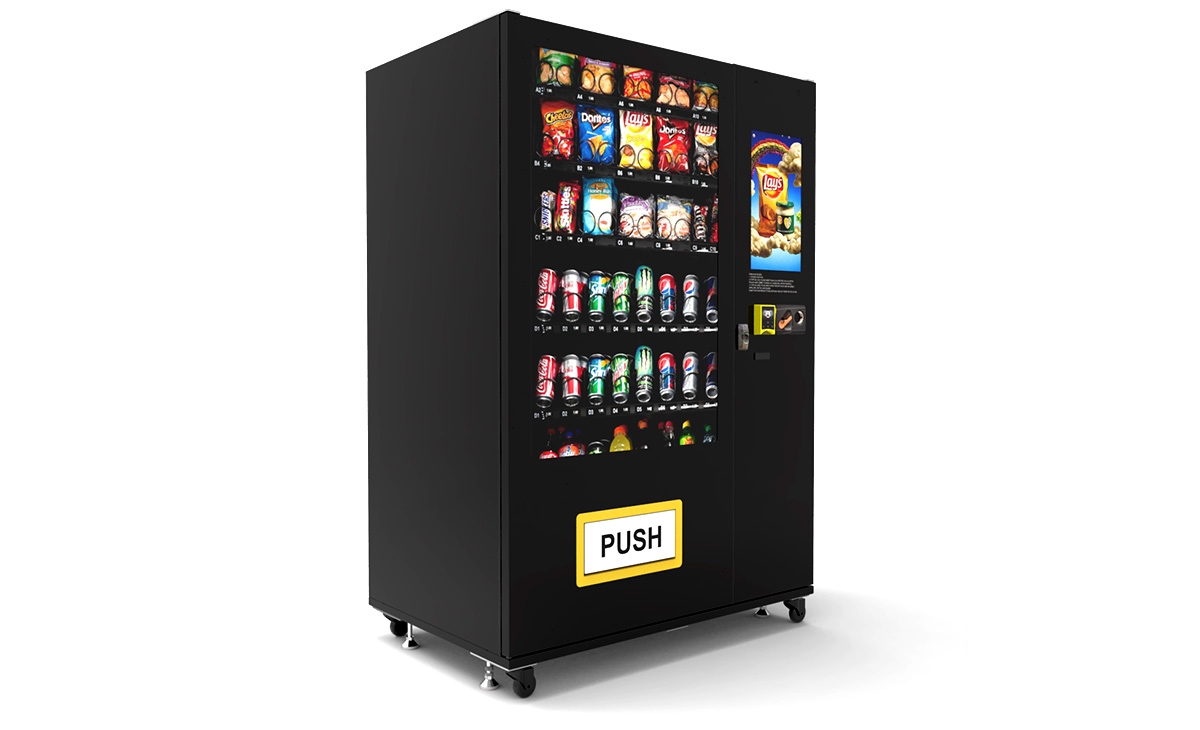
Once you have three to five machines running smoothly and generating consistent revenue, you can start scaling. The key to scaling is systemization. Use a spreadsheet or a simple app to track each machine's location, refill schedule, revenue, and repair history. Without data, you are guessing.
When you add more machines, consider hiring a part-time route driver. Your time is better spent securing new locations and negotiating deals than driving across town to refill a single machine. The margin on bouncy ball machines is thin enough that labor cost matters. If you pay someone $15 per hour to refill machines, you need each machine to generate enough revenue to cover that cost plus your profit.
Common Mistakes I Have Seen Beginners Make
- Buying cheap machines: The upfront savings disappear when repair costs pile up. Invest in quality equipment from the start.
- Ignoring location quality: A great machine in a bad location is a waste of money. Spend more time on location scouting than on machine shopping.
- Overpromising commissions: Offering 30% or 40% to win a location sounds good, but it destroys your profit. Stick to 10% to 20% unless the location is exceptional.
- Neglecting maintenance: A broken machine is worse than no machine. It damages your reputation with location owners and customers.
- Not tracking data: If you do not know which machines are profitable, you cannot make informed decisions about where to invest or cut.
FAQ: Bouncy Ball Vending Machine Business
How much money can a bouncy ball vending machine make?
Based on my experience and industry data from NAMA, a well-placed machine earns between $80 and $300 per month. After deducting product cost, commission, and maintenance, net profit is typically $40 to $200 per machine per month. Some machines do better, some do worse. It depends entirely on location.
How much does a bouncy ball vending machine cost?
A new machine from a reliable manufacturer like Zhongda Smart costs between $200 and $600 depending on features. Used machines can be found for $100 to $300, but inspect them carefully. Cheap machines from unknown sellers may cost less but often lead to higher vending machine repair expenses.
How long does it take to recoup the investment?
If you pay $400 for a machine and it nets $100 per month, your payback period is about four months. If the machine only nets $40 per month, payback takes ten months. In my experience, most machines pay for themselves within six to twelve months. After that, they generate pure profit until they need replacement or major repair.
Should I buy or lease a machine?
Buying is almost always better for this type of business. Leasing locks you into monthly payments and often includes restrictive terms. If you buy, you own the asset and can move it or sell it. Leasing makes sense only if you are testing the business with minimal upfront capital, but the long-term cost is higher.
Where should I place the machine?
Look for locations with high foot traffic of families with young children. Grocery stores, fast food restaurants, laundromats, and dollar stores are classic winners. Avoid locations where the average customer is an adult without children, such as offices or gyms.
What permits do I need?
You need a business license and must collect sales tax in most jurisdictions. In the US, check your state's department of revenue. In the EU, register as a business and comply with local tax laws. According to Service-Public.fr, any automated vending activity in France requires a formal declaration. Insurance is also recommended.
How do I choose a supplier?
Look for suppliers with a track record in automated retail. Ask for samples, check warranty terms, and read reviews from other operators. Zhongda Smart is one supplier I have worked with that offers reliable capsule machines. Compare multiple suppliers before deciding.
What if the machine breaks?
Learn basic repairs or have a local technician on call. Carry spare parts for common issues like coin jams and ball jams. Respond to breakdowns within 48 hours. A broken machine loses revenue and risks losing the location.
How can I reduce maintenance and refill costs?
Use machines with larger capacity to reduce refill frequency. Track refill schedules and group nearby machines on the same route. Invest in quality equipment to minimize breakdowns. If you have multiple machines, consider hiring a part-time route driver to keep labor costs predictable.
Is the bouncy ball vending machine business still profitable in 2026?
Yes, but it is not a get-rich-quick scheme. Profit margins are decent, but the business requires consistent effort in location management, maintenance, and inventory. Operators who treat it seriously and avoid common mistakes can build a steady, scalable income stream.
Final Thoughts
The bouncy ball vending machine business is not a shortcut to wealth, but it is a legitimate small business that can generate steady income if run properly. The barriers to entry are low, which also means competition is high. The operators who succeed are the ones who treat it like a real business: they invest in quality equipment, they hustle for good locations, they track their numbers, and they respond quickly when something breaks. If you are willing to put in the work, this niche can be a solid addition to your income stream. If you are looking for passive income with zero effort, look elsewhere.
Disclaimer: The revenue and cost figures in this article are based on my personal experience and publicly available industry data. They are not guarantees. Actual results depend on location, market conditions, and operational efficiency. Always conduct your own due diligence before investing.
本文更新于 2026 年 2 月。