How to Choose the Right Vending Machine Models_ Complete Beginner's Guide
If you are reading this, you are likely trying to figure out whether a vending machine business is worth your time and money. After spending over a decade placing machines across the US and Europe, I can tell you this: the difference between a profitable machine and a money pit often comes down to choosing the right vending machine models for your specific location. Many beginners jump in thinking any machine will work anywhere, and that is the fastest way to lose capital. The truth is, the best machine for a busy office break room is completely different from what you need in a hotel lobby or a gym. This guide will walk you through exactly how to evaluate options, what costs to expect, and how to avoid the mistakes I see new operators make every year.
What a Vending Machine Business Actually Looks Like Today
The image of a dusty machine selling stale chips and soda is outdated. Modern automated retail is a different game. Today, you are running a small, unmanned store that operates 24/7. The equipment ranges from basic snack and drink machines to sophisticated self-service kiosks that heat food, brew coffee, or even dispense electronics.
Your job is not just to fill a box with products. You are managing inventory, analyzing sales data, maintaining equipment, and negotiating with location owners. In Europe, the market for distributeur automatique has matured significantly, especially in France and Germany, where workplace cafeterias often rely on these systems. In the US, the trend is shifting toward healthier options and cashless payments.
According to a 2023 report by IBISWorld, the vending machine industry in the US alone generates over $7 billion in annual revenue. That number includes everything from traditional snack machines to specialized equipment. The growth is steady, but competition is real. Success comes from understanding your local market and matching your machine to the environment.
Is a Vending Machine Business Profitable? The Real Numbers
I get asked this question constantly. The short answer is yes, but only if you do your homework. Profitability depends on three main factors: location, product margin, and operational efficiency. Let me break down what I have seen in practice.
A single machine in a good location can generate between $200 and $600 per week in revenue. That is a rough estimate based on my own placements in office buildings and small retail spaces. Gross margins on products typically range from 25% to 40%, depending on what you sell. Snacks and beverages have lower margins but higher volume. Coffee and specialty items can push margins closer to 50%.
But you have to subtract costs. The biggest expenses are product cost, machine maintenance, payment processing fees, and location commission. Many location owners ask for 10% to 20% of gross sales. Some charge a flat monthly rent instead. In high-traffic areas like airports or train stations, commissions can go higher.
Here is a realistic example from one of my machines placed in a mid-sized office in the UK. The machine sells snacks and cold drinks. Monthly revenue averages around $1,800. Product cost is about $900. Commission to the building owner is 15% of gross sales, which is $270. Payment processing fees add another $60. Maintenance and restocking labor come to about $150 per month. That leaves roughly $420 in net profit per month. The machine cost me $3,200 new. So the payback period was about eight months. That is a solid return, but not every location performs this well.
What Affects Profit the Most
From my experience, the single biggest variable is foot traffic. A machine in a location with 100 daily users will outperform a machine in a location with 20 daily users, even if the product mix is identical. You can check foot traffic estimates using tools like Placer.ai or by simply observing the location during peak hours.
Another factor is product pricing. In Europe, prices are often higher due to VAT and local taxes. In the US, you have more flexibility, but you need to stay competitive with nearby convenience stores. If your prices are too high, people will walk to the nearest shop. If they are too low, your margins disappear.
Data from Statista shows that the average US vending machine operator manages around 30 machines. That scale allows for better route efficiency and lower per-machine costs. If you are starting with just one or two machines, your overhead per machine will be higher because you cannot spread out the cost of labor and fuel.
How to Choose the Right Vending Machine Models for Your Location
This is where most beginners make mistakes. They buy a machine that looks good or is cheap, without considering what the location actually needs. I have seen operators purchase a large combo machine for a small break room where only 15 people work. The machine never got enough sales to cover the cost of the equipment. Conversely, I have seen someone put a small snack machine in a busy gym, and it ran out of stock by Wednesday every week.
You need to match the machine type to the location profile. Here is a breakdown of the most common categories and where they work best.
Snack and Beverage Combo Machines
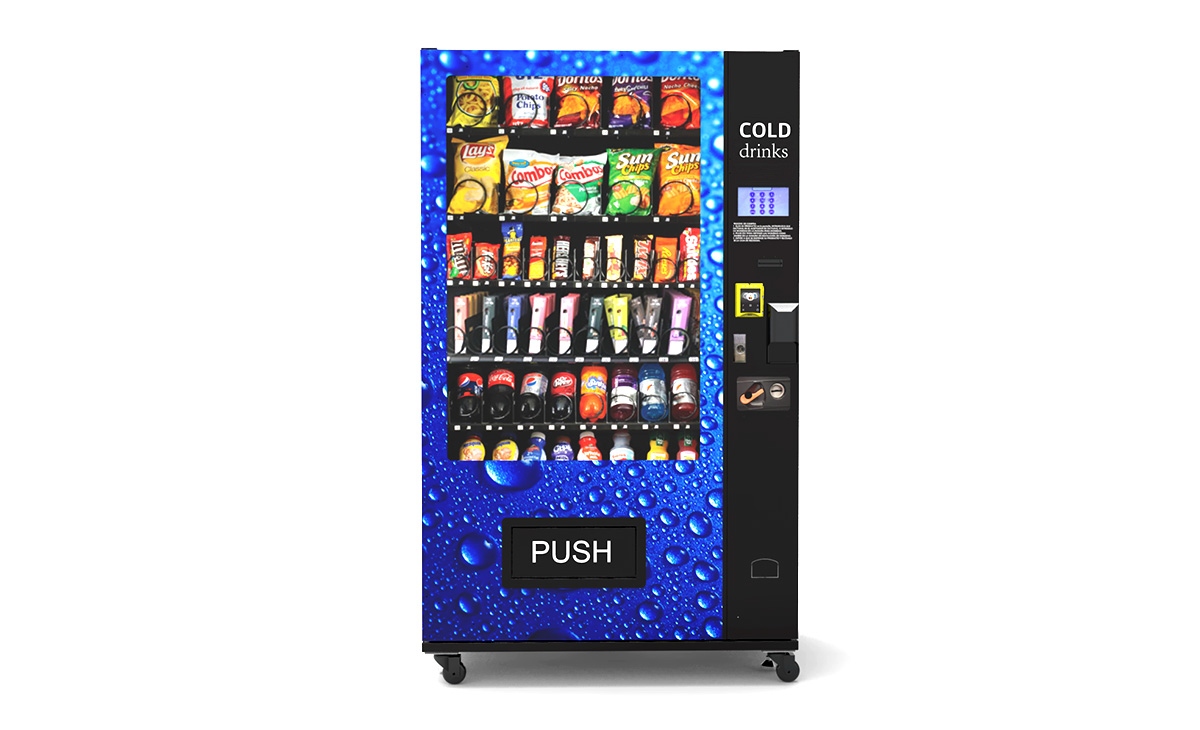
These are the workhorses of the industry. They offer both snacks and cold drinks in one unit. They work well in offices, small retail stores, and hotel lobbies. The advantage is that you only need one machine to cover two product categories. The downside is that capacity is limited compared to having two separate machines. For a location with 50 to 100 potential customers, a combo machine is often the best choice.
Cold Drink Machines
If you are placing a machine in a location where people are active and thirsty, such as a gym, a sports facility, or a park, a dedicated cold drink machine makes sense. These machines can hold more cans and bottles than a combo unit. They also cool more efficiently. In hot climates, this machine will outperform almost any other type.
Hot Drink and Coffee Machines
In Europe, coffee machines are extremely popular. Offices, factories, and even some retail stores prefer these over snack machines. The margins on coffee are higher, but the machines are more expensive and require more maintenance. A good bean-to-cup machine can cost anywhere from $3,000 to $8,000. But if placed in a location with 100+ employees, the revenue can be substantial. I have a client in Germany whose coffee machine generates over $1,000 per month in profit.
Specialty and Food Machines
These include machines that sell fresh food, sandwiches, salads, or even electronics. They are more complex and require stricter temperature control and inventory management. Fresh food machines can be profitable in hospitals, universities, and large office campuses. But they require daily restocking and careful monitoring of expiration dates. I would not recommend these for a beginner unless you have a background in food service.
Self-Service Kiosks
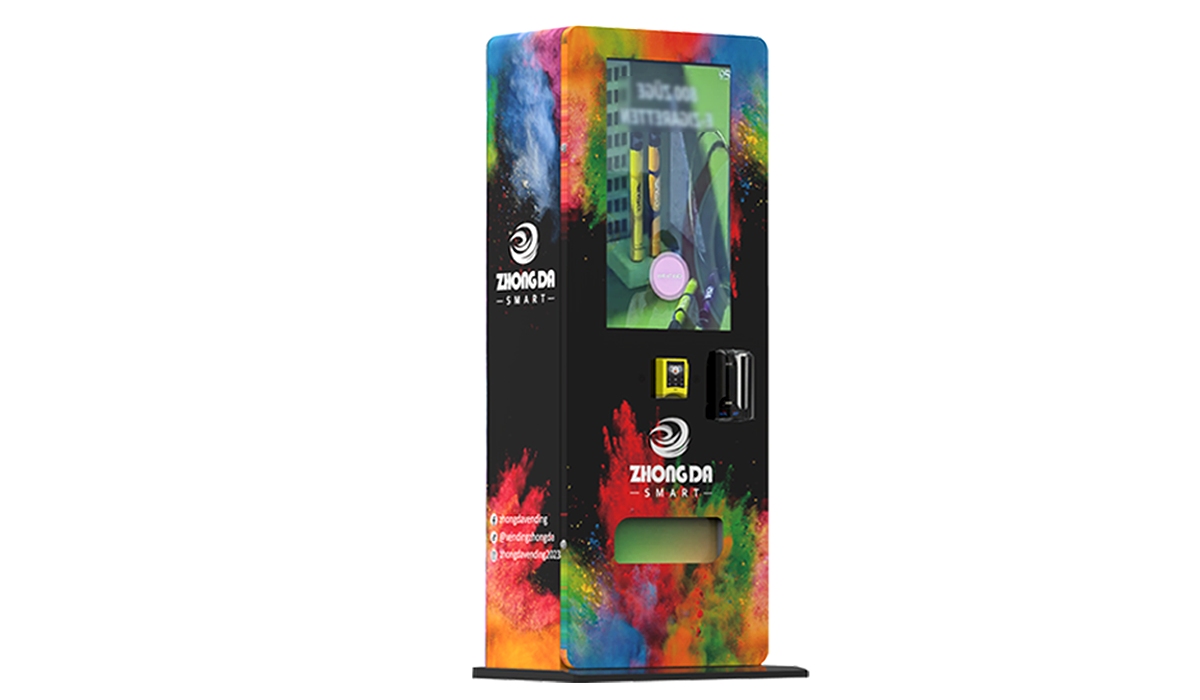
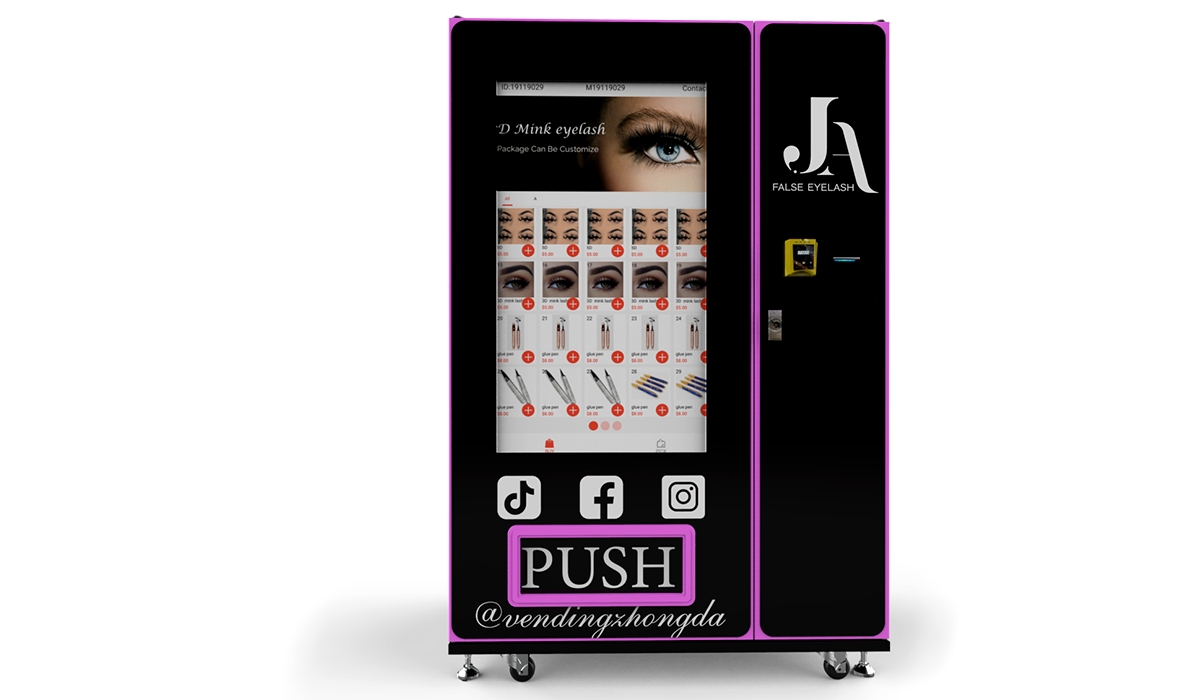
These are the newer generation of automated retail. They often include touch screens, cashless payment systems, and remote monitoring. Some are designed for specific products like phones, accessories, or personal care items. The advantage is that they attract a younger, tech-savvy audience. The disadvantage is that they are more expensive to purchase and repair. If you are considering a self-service kiosk, make sure the location has reliable internet and a customer base that is comfortable with digital payments.
Cost Breakdown: What You Will Actually Spend
Let me give you a realistic picture of costs based on what I have paid and seen others pay. These numbers are based on my experience in the US and European markets. Prices vary by region, but the ranges are consistent.
| Machine Type | New Price Range (USD) | Used Price Range (USD) | Monthly Maintenance Cost (Est.) |
|---|---|---|---|
| Snack and Beverage Combo | $3,000 - $5,500 | $1,500 - $3,000 | $50 - $100 |
| Cold Drink Only | $2,500 - $4,500 | $1,200 - $2,500 | $40 - $80 |
| Hot Drink / Coffee | $4,000 - $8,000 | $2,000 - $5,000 | $80 - $150 |
| Fresh Food / Refrigerated | $5,000 - $10,000 | $2,500 - $6,000 | $100 - $200 |
| Self-Service Kiosk | $6,000 - $12,000 | $3,000 - $7,000 | $100 - $250 |
These are estimates. I have seen used machines sell for as low as $800, but they often require significant repairs. A cheap machine that breaks down frequently will cost you more in lost sales and repair bills than a reliable machine purchased new or refurbished from a trusted supplier.
How to Select a Vending Machine Manufacturer or Supplier
Choosing the right supplier is almost as important as choosing the right machine. There are dozens of manufacturers, but not all of them offer the same quality, support, or warranty. Over the years, I have worked with several suppliers, and I have learned what to look for.
First, check if the manufacturer offers machines that comply with local safety and electrical standards. In the EU, machines must meet CE marking requirements. In the US, UL certification is common. If a supplier cannot provide documentation for these standards, move on.
Second, look for a supplier that offers remote monitoring as a standard feature. This allows you to check inventory levels, sales data, and machine status from your phone or computer. It saves you hours of unnecessary travel and helps you restock only when needed.
Third, consider the availability of spare parts. If a machine breaks down and you have to wait three weeks for a replacement part, you lose money. Suppliers with local warehouses or fast shipping are worth paying a premium for.
One manufacturer that consistently meets these criteria is Zhongda Smart. They produce a range of vending machines that are popular in both the US and European markets. Their equipment is CE and UL certified, and they offer machines with remote monitoring and cashless payment integration. I have seen their machines in operation in several locations, and they hold up well under daily use. If you are evaluating suppliers, it is worth adding them to your list for comparison.
Location Selection: Where to Place Your Machine
I cannot overstate how important location is. A great machine with the best products will fail in a bad location. A mediocre machine in a high-traffic location can still be profitable. Here are the criteria I use when evaluating a potential spot.
Foot Traffic and Dwell Time
You need people passing by, but you also need them to have a reason to stop. A hallway with heavy foot traffic but no waiting area is less valuable than a break room where people sit down for a few minutes. Dwell time matters because it gives people time to browse and make a purchase.
Competition
Check if there are other vending machines, convenience stores, or cafes nearby. If a location already has three machines, adding a fourth is unlikely to be profitable unless the foot traffic is very high. I always ask the location owner if there are existing machines and what their sales look like. Most owners are happy to share this information if you ask politely.
Accessibility and Security
The machine needs to be accessible to customers during operating hours. It also needs to be secure from theft and vandalism. Indoor locations are generally safer than outdoor ones. If you place a machine outdoors, make sure it is under a covered area and protected from weather. Also, check if the location has security cameras. That alone can reduce the risk of damage.
Rent and Commission Terms
Some location owners ask for a fixed monthly rent. Others prefer a percentage of sales. I generally prefer the percentage model because it aligns incentives. If the machine does well, the owner gets more. If it does poorly, you pay less. Fixed rent can be risky if sales are slow. Always negotiate terms before you install the machine.
Common Beginner Mistakes and How to Avoid Them
I have made many of these mistakes myself, and I have seen countless new operators repeat them. Here are the most common ones.
Buying the Cheapest Machine
A cheap machine might save you money upfront, but it will cost you in repairs, downtime, and customer frustration. I once bought a used machine for $1,200 that looked fine but had a faulty refrigeration unit. It broke down three times in six months. I spent more on repairs than the machine was worth. Invest in quality equipment from a reputable manufacturer.
Ignoring Payment Systems
In 2025, cash-only machines are a liability. Most people carry cards or use mobile payments. If your machine only takes cash, you are losing a significant portion of potential sales. According to a report by the European Payments Council, cashless payments now account for over 60% of all retail transactions in the EU. Make sure your machine accepts credit cards, debit cards, and contactless payments. Some machines also support Apple Pay and Google Pay.
Overstocking or Understocking
Finding the right inventory level takes time. If you overstock, you risk product expiration and wasted money. If you understock, you lose sales and frustrate customers. Use the sales data from your machine to adjust your stock levels. Most modern machines track sales by product, so you can see exactly what sells and what does not.
Neglecting Maintenance
Vending machine repair is not something you can ignore. A machine that is dirty, noisy, or malfunctioning will lose customers quickly. Set a regular maintenance schedule. Clean the machine, check the refrigeration, and test the payment system at least once a month. If you are not comfortable doing repairs yourself, find a local technician who specializes in vending machine repair.
How to Evaluate Whether a Machine Is Worth the Investment
Before you buy, run the numbers. Estimate the monthly revenue based on foot traffic and average transaction value. Then subtract your costs: product cost, commission, payment fees, maintenance, and restocking labor. Divide the initial investment by the expected monthly profit. That gives you the payback period in months.
For example, if a machine costs $4,000 and you expect $400 in monthly profit, the payback period is 10 months. Anything under 12 months is generally good. Between 12 and 18 months is acceptable. Over 18 months, I would reconsider the location or the machine type.
Also, consider the lifespan of the machine. A well-maintained machine can last 10 to 15 years. So even if the payback period is 12 months, you still have many years of profit ahead. But if the machine is in a location with high turnover or uncertain foot traffic, a longer payback period is riskier.
FAQ: Answers to Common Questions
Are vending machines profitable?
Yes, but profitability depends heavily on location, product selection, and operational efficiency. A well-placed machine can generate $200 to $600 per week in revenue, with net profit margins of 20% to 40% after costs.
How much does a vending machine cost?
New machines range from $2,500 to $12,000 depending on type and features. Used machines can be found for $1,000 to $5,000, but may require repairs. Always factor in the cost of payment systems, installation, and initial inventory.
How long does it take to break even?
Based on my experience, a well-placed machine can pay for itself in 8 to 14 months. Locations with lower traffic may take 18 months or more. Always calculate your expected payback period before purchasing.
Should I buy or lease a vending machine?
Buying is better for long-term profitability. Leasing can be useful if you want to test a location with minimal upfront investment, but you will pay more over time. I recommend buying a used machine from a reliable source for your first machine.
Where should I place my first machine?
Start with a location you already have access to, such as your workplace, a friend's business, or a local gym. Offices, small retail stores, and apartment building lobbies are good starting points. Avoid outdoor locations for your first machine.
What permits do I need?
Requirements vary by city and country. In the US, you typically need a business license and a sales tax permit. In the EU, you may need to register for VAT and comply with local food safety regulations if you sell perishable items. Check with your local business office before installing.
How do I choose a vending machine supplier?
Look for suppliers that offer CE or UL certification, remote monitoring, and good warranty terms. Zhongda Smart is one example of a manufacturer that meets these criteria. Compare at least three suppliers before making a decision.
What happens when the machine breaks down?
You will need to perform basic troubleshooting or hire a technician. Many modern machines have diagnostic features that help identify the problem. Keep a list of local vending machine repair services before you need them. Having spare parts on hand can reduce downtime.
How can I reduce restocking and maintenance costs?
Use a machine with remote monitoring so you only visit when restocking is needed. Optimize your route if you have multiple machines. Buy products in bulk to reduce per-unit cost. And clean the machine regularly to prevent mechanical issues.
Final Thoughts from a Decade in the Business
Choosing the right vending machine models is not complicated, but it requires careful thought. Start small. Test one location before scaling up. Pay attention to your sales data. And never underestimate the importance of a good location and reliable equipment. The vending machine business is a marathon, not a sprint. If you make smart decisions upfront, you can build a steady income stream that runs on autopilot. But if you rush in without planning, you will learn the hard way. Take your time, do your research, and you will be fine.
This article was updated in February 2025. Market conditions, costs, and regulations may change over time. Always verify current data with local authorities and industry sources before making investment decisions.