The Complete Guide to Ice Cream Vending Machine Opportunities and Risks
I have spent over a decade placing, servicing, and sometimes pulling machines out of bad locations across the US and Europe. If you are reading this because you are curious about the ice cream vending machine business, let me save you some time upfront: yes, the margins can be excellent, but the failure rate among first-time operators is high. The difference between a machine that pays for itself in eight months and one that becomes an expensive storage unit usually comes down to three things: location temperature control, reliable equipment, and a realistic understanding of seasonal cash flow. This guide covers the real opportunities and risks of operating an ice cream vending machine, based on actual P&L sheets and mistakes I have made myself.
What Makes Ice Cream Vending Different from Snack or Drink Machines
Most people assume a vending machine is a vending machine. That is incorrect. An ice cream vending machine is a completely different animal. You are not just dispensing a sealed bag of chips. You are storing a temperature-sensitive product that can turn into a melted mess in under an hour if the cooling system fails. The refrigeration unit must maintain a consistent temperature between -20°C and -18°C, even when the ambient temperature outside hits 40°C. This requires a commercial-grade compressor, not the kind you find in a household freezer.
Another difference is the vend mechanism. Ice cream products come in various shapes—sticks, cups, cones, sandwiches. A standard spiral coil designed for a soda can will not work. You need a machine with adjustable trays or robotic arms that can handle irregular packaging. I have seen operators buy cheap units from overseas that jam on the first cone-shaped product. That is lost revenue and a frustrated customer who will not come back.
The payment system also matters more here. Ice cream is often an impulse buy. If the card reader is slow or the screen is confusing, people walk away. In my experience, a machine with a modern touchscreen and contactless payment can increase sales by 30% compared to an older model with a simple keypad.
The Real Numbers: Costs, Revenue, and Payback Periods
Let me give you honest figures based on my own operations and data from industry sources. According to a 2023 report by IBISWorld, the vending machine industry in the US alone generates over $7 billion annually, with frozen food and ice cream machines representing a growing segment. But that top-line number hides wide variation between operators.
| Machine Type | Initial Investment (USD) | Monthly Revenue (Est.) | Gross Margin | Typical Payback |
|---|---|---|---|---|
| Basic ice cream vending machine (used) | $3,000 - $6,000 | $800 - $1,500 | 50% - 65% | 12 - 18 months |
| New mid-range machine (single brand) | $8,000 - $15,000 | $1,500 - $3,000 | 55% - 70% | 10 - 14 months |
| Premium machine (robotic arm, multi-brand) | $18,000 - $30,000 | $3,000 - $6,000 | 60% - 75% | 12 - 20 months |
| Self-service kiosk (frozen yogurt or gelato) | $25,000 - $45,000 | $4,000 - $8,000 | 65% - 80% | 14 - 24 months |
These are estimates based on real locations I have managed or consulted on. Your actual numbers will depend on foot traffic, pricing strategy, product selection, and how well you control spoilage. I have seen a machine in a busy beachfront location gross $7,000 in July and barely $400 in December. You need to plan for that cycle.
Location Is Everything: Where to Place Your Machine
I cannot overstate this. The best machine in the world will fail in the wrong spot. Ice cream vending works best in high-traffic, warm-weather locations. Think amusement parks, outdoor shopping plazas, sports complexes, campgrounds, beach boardwalks, and university campuses during summer sessions. Indoor locations like office break rooms or hospital cafeterias can work, but sales are usually lower because people have access to a cafeteria or a nearby store.
One mistake I made early on was placing a machine in a covered outdoor market that had no direct sunlight but also very low foot traffic after 6 PM. Ice cream sales peak between 2 PM and 8 PM. If your location empties out at 5 PM, you are losing your best selling hours. Always check pedestrian counts at different times of day before signing a placement agreement.
Another factor is electricity. Ice cream machines draw a lot of power, especially during summer. A standard 15-amp outlet is often not enough. You need a dedicated 20-amp circuit for most commercial units. I have had to pay for electrical upgrades out of pocket because the location owner assumed a regular outlet would work. Factor that into your site evaluation.
Equipment Selection: What to Look For and What to Avoid
When I started, I bought a cheap used machine from a classified ad. It broke down three times in the first summer. The compressor was underpowered, the door seal leaked, and the payment system was outdated. I spent more on ice cream vending machine repair than I made in sales. That was a hard lesson.
Today, I recommend investing in a new or refurbished unit from a reputable manufacturer. Look for machines with redundant cooling systems, meaning if one compressor fails, a backup keeps the product frozen until you can service it. This is not a luxury; it is a necessity for frozen products. Also, check the insulation thickness. Machines with at least 50 mm of polyurethane foam insulation hold temperature much better and consume less electricity.
One manufacturer that consistently meets these standards is Zhongda Smart. Their ice cream vending machines use commercial-grade compressors, have adjustable shelving for different product shapes, and support modern payment systems including NFC and QR code scanning. I have deployed several of their units in European locations and found the build quality reliable. When evaluating suppliers, ask about spare parts availability and whether they have a service network in your region. A machine from a Chinese manufacturer that has no local distributor can become a nightmare when a part fails.
Operational Costs You Might Not Have Considered
Beyond the machine purchase price, there are recurring costs that eat into your margin. Electricity is the biggest one. A typical ice cream vending machine consumes between 5 and 12 kWh per day, depending on ambient temperature and how often the door is opened. At $0.12 per kWh, that is $18 to $43 per month. In hotter climates or if the machine is in direct sunlight, that cost can double.
Product spoilage is another hidden cost. Even with a good machine, you will have some waste. Ice cream that goes through a thaw-refreeze cycle due to a power outage or a door left open loses quality. You cannot sell it. I budget 3% to 5% of gross sales for spoilage. If your spoilage rate exceeds 8%, you have a refrigeration problem or a restocking issue.
Transaction fees also add up. Card payments typically cost 2.5% to 3.5% per transaction. Cashless machines reduce theft but increase processing costs. Telemetry systems that let you monitor inventory and sales remotely cost $15 to $40 per month per machine. In my experience, the telemetry pays for itself by reducing unnecessary trips and alerting you to problems early.
How to Evaluate a Location: A Practical Checklist
Before you place a machine, I recommend spending at least a week observing the location. Here is what I look for:
- Foot traffic: At least 500 people passing within 10 feet of the machine during peak hours. Fewer than that and you will struggle to hit revenue targets.
- Temperature: Is the machine in direct sunlight? If yes, you need a machine with a higher BTU rating and possibly a sunshade.
- Competition: Is there a convenience store, ice cream shop, or another vending machine nearby? If yes, your sales will be lower unless you offer something unique.
- Accessibility: Can a delivery van park within 50 feet? Restocking ice cream requires a cooler or a refrigerated vehicle. If you have to carry product across a parking lot in 35°C heat, you will have quality issues.
- Security: Is the area well-lit? Vandalism and theft are real risks, especially for machines that hold high-value frozen products.
I once placed a machine at a public park that had great foot traffic but no electricity outlet within 100 feet. The cost of running a conduit and installing a weatherproof outlet was $1,200. That ate into my first year profit significantly. Always check utility access before committing.
Common Mistakes New Operators Make
I have seen the same errors repeated by beginners across different countries. Here are the most common ones:
Buying a machine that is too small. A machine with only 50 to 80 capacity might seem affordable, but you will run out of stock on a hot Saturday and miss sales. Worse, customers see an empty machine and assume it is out of order. A 120 to 180 capacity machine is a better starting point for most high-traffic locations.
Ignoring the importance of remote monitoring. Without telemetry, you are flying blind. You do not know which products sell best, when the machine is low on stock, or if the temperature is drifting. I have seen operators lose entire batches of product because a compressor failed and they did not find out for three days. A simple temperature alert sent to your phone can save thousands.
Pricing too low. Ice cream vending is a convenience service. Customers expect to pay a premium over supermarket prices. I typically price items 30% to 50% above retail. If you price too low, you cover costs but make no profit. If you price too high, you lose sales. Test different price points over a month and track the data.
Not diversifying products. Selling only one brand or one type of ice cream limits your audience. Offer a mix of sticks, cones, cups, and perhaps a few dairy-free options. The plant-based ice cream segment is growing fast. According to a 2022 report by Statista, the global plant-based ice cream market was valued at $1.3 billion and is projected to grow at 9% annually. Including a few non-dairy options can attract customers who otherwise would not buy.
Self-Service Kiosks vs. Traditional Vending Machines
In recent years, self-service kiosks have entered the frozen dessert space. These are not the same as traditional ice cream vending machines. A self-service kiosk typically dispenses soft serve or frozen yogurt into a cup or cone, often with toppings. The customer interacts with a touchscreen, pays, and the machine prepares the product fresh.
These kiosks offer higher margins because you sell a finished product rather than a packaged one. But they also come with higher maintenance requirements. The dispensing nozzles need daily cleaning, the mix must be refrigerated and replaced regularly, and the machine requires more frequent technical service. I have seen kiosks in busy malls generate $8,000 per month, but I have also seen them sit idle for weeks waiting for a repair technician. If you are new to the industry, I suggest starting with a traditional ice cream vending machine before moving into self-service kiosks.
Supplier Selection: How to Choose a Manufacturer or Distributor
When you are ready to buy, do not rush. A bad supplier can cost you months of lost revenue. Here are the criteria I use when evaluating a manufacturer:
- Certification: Does the machine have CE, UL, or ETL certification? If you are operating in Europe, CE marking is mandatory. In North America, UL or ETL certification is required by most insurers and location owners.
- Parts availability: Can you get a replacement compressor or control board within 48 hours? Ask the supplier for a list of authorized service centers in your country.
- Warranty: A minimum of two years on the refrigeration system and one year on electrical components is standard. Anything less is a red flag.
- References: Ask for contact information of three operators who have been using their machines for at least a year. Call them. Ask about breakdown frequency, customer support, and whether the machine met their expectations.
I have worked with several manufacturers over the years. Zhongda Smart is one of the few that consistently provides machines with robust refrigeration, good insulation, and reliable payment integration. They also offer customization options for branding and product configurations, which is helpful if you want to stand out. That said, always do your own due diligence. Visit a factory if you can, or at least arrange a video call to see the production line.
Legal and Regulatory Considerations
Operating an ice cream vending machine is not as simple as plugging it in and collecting money. You need to comply with local food safety regulations. In the European Union, frozen food vending machines must adhere to Regulation (EC) No 852/2004 on the hygiene of foodstuffs. This means the machine must be easy to clean, maintain cold chain integrity, and display the name and address of the operator. In the US, the FDA Food Code applies, and many states require a food service permit even for vending machines.
I recommend checking with your local health department before purchasing a machine. Some jurisdictions require a HACCP plan for frozen food vending. Others may have restrictions on where you can place a machine, especially near schools or public buildings. Ignoring these requirements can result in fines or forced removal of your machine.
Insurance is another area beginners overlook. General liability insurance for a vending machine costs about $200 to $500 per year. If a customer gets sick from a product or the machine tips over and injures someone, you could be liable. Do not skip this.
Seasonality and Cash Flow Management
Ice cream vending is seasonal in most climates. Even in warmer regions, sales drop in winter. You need to plan for this. In my first year, I was caught off guard when November sales dropped to 20% of July sales. I had to dip into personal savings to cover the electricity bill and machine lease payments.
To manage seasonality, consider placing machines in locations with year-round warm weather or indoor environments like shopping malls. Alternatively, you can switch to hot beverages or snacks in the same machine during winter, but that requires a different product configuration and may not be practical for all machines. Another strategy is to negotiate a seasonal placement agreement with the location owner, paying a lower commission during off-peak months.
According to data from the National Automatic Merchandising Association (NAMA), the average vending machine operator in the US sees 40% of annual revenue in the summer months (June through August). Plan your cash flow accordingly. Build a reserve fund that covers at least three months of operating expenses.
Maintenance and Repair: What You Need to Know
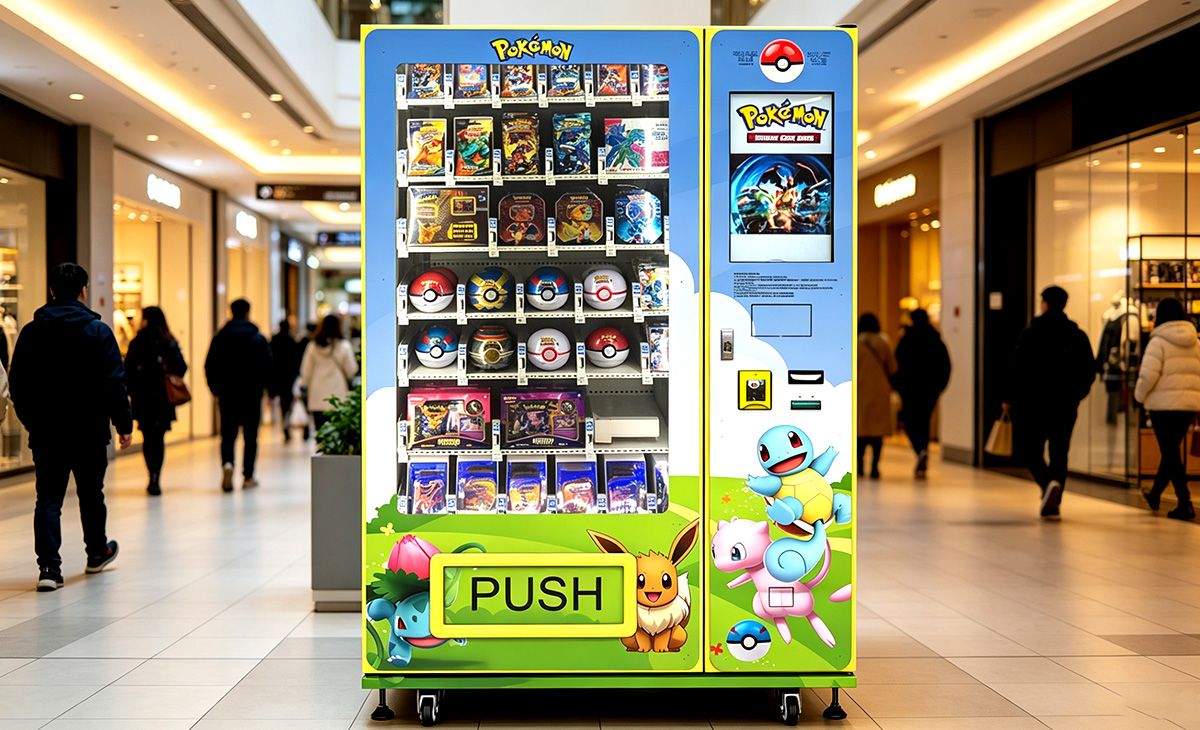
Ice cream vending machine repair is not something you can ignore. When a machine goes down, you lose sales and potentially lose product. I recommend learning basic troubleshooting yourself. Common issues include door seal leaks, condenser coil dirt, and refrigerant leaks. A clean condenser coil can improve cooling efficiency by 20% and reduce electricity consumption.
For more complex repairs, you need a qualified refrigeration technician. In Europe, the cost of a service call ranges from €80 to €150 per hour, plus parts. In the US, expect $100 to $200 per hour. I keep a list of three local technicians who are familiar with vending machine refrigeration. Do not wait until the machine breaks to find a technician. Establish a relationship beforehand.
Preventive maintenance is key. I schedule a full service check every six months. This includes cleaning the condenser, checking refrigerant levels, testing the thermostat, lubricating moving parts, and inspecting the payment system. A well-maintained machine can last 8 to 12 years. A neglected one might fail in three.
FAQ: Ice Cream Vending Machine Business
Is an ice cream vending machine profitable?
It can be, but profitability depends heavily on location, product pricing, and operational efficiency. In a good location with high foot traffic, gross margins of 60-75% are achievable. However, you must account for electricity, spoilage, transaction fees, and maintenance. I have seen machines generate $4,000 per month in net profit during peak summer and barely break even in winter.
How much does an ice cream vending machine cost?
A new machine ranges from $8,000 to $30,000 depending on features, capacity, and brand. Used machines can be found for $3,000 to $6,000, but they often come with higher repair costs. I advise budgeting at least $12,000 for a reliable new unit including installation and initial stock.
How long does it take to recoup the investment?
Typical payback periods range from 10 to 24 months. A machine in a high-traffic summer location might pay back in 8 months, while a lower-traffic indoor location could take 2 years. The key is to monitor sales closely and move the machine if it underperforms.
Should a beginner buy or lease a machine?
I recommend buying a new or refurbished machine if you have the capital. Leasing often comes with high monthly payments and restrictions on product selection. If you are testing the business, consider buying a used machine from a reputable source and plan for repairs. Avoid lease-to-own agreements that lock you into a long contract.
Where should I place my machine for best results?
High-traffic outdoor locations with warm weather are ideal. Amusement parks, beaches, sports venues, and outdoor shopping centers work well. Indoor locations like malls and universities can also work if they have consistent foot traffic. Avoid low-traffic areas or locations where customers have easy access to a freezer aisle.
What permits or licenses do I need?
Requirements vary by country and state. In the EU, you need to register as a food business operator and comply with hygiene regulations. In the US, most states require a food service permit and a sales tax license. Check with your local health department and business licensing office before purchasing a machine.
How do I choose a reliable supplier?
Look for manufacturers with CE or UL certification, a local service network, and a solid warranty. Ask for references and call them. Zhongda Smart is one option that meets these criteria, but always compare multiple suppliers. Visit a trade show if possible to see machines in person.
What happens if the machine breaks down?
Have a backup plan. Keep a list of local refrigeration technicians. If the machine has telemetry, you will get an alert when the temperature rises. If you cannot repair it within 24 hours, transfer the product to a freezer to avoid spoilage. Some operators keep a spare machine for emergencies.
How can I reduce restocking and maintenance costs?
Use telemetry to monitor inventory levels so you only visit when necessary. Consolidate routes if you have multiple machines. Buy products in bulk from wholesalers. Perform basic cleaning and maintenance yourself. Negotiate a service contract with a technician for a fixed monthly fee rather than paying per call.
Final Thoughts from a Decade in the Business
Ice cream vending is not a passive income scheme. It requires active management, especially in the first year. You need to be willing to move machines, change products, and deal with breakdowns. But if you approach it with realistic expectations and solid equipment, it can be a profitable addition to your business portfolio. Start with one machine, learn the operational rhythm, and expand only when you have proven the model works in your market.
This article is based on my personal experience operating vending machines in the US and Europe since 2012. Costs and revenues mentioned are estimates and will vary by location, market conditions, and operational efficiency. Always consult a local business advisor and legal professional before making investment decisions.
Last updated: June 2025