How to Choose the Right Play Vending Machine_ Complete Beginner's Guide
If you are reading this, you have probably seen a play vending machine in a shopping mall or a family entertainment center and wondered whether it makes sense as a business. After more than a decade operating automated retail equipment across Europe and North America, I can tell you that choosing the right play vending machine is not just about picking a colorful box that grabs attention. It is about understanding foot traffic, maintenance cycles, payment systems, and how quickly you can recoup your capital. In this complete beginner's guide, I will walk you through what actually matters when you invest in a self-service kiosk for toys, prizes, or redemption items, and what separates a profitable location from a money pit.
What Is a Play Vending Machine and Where Does It Belong?
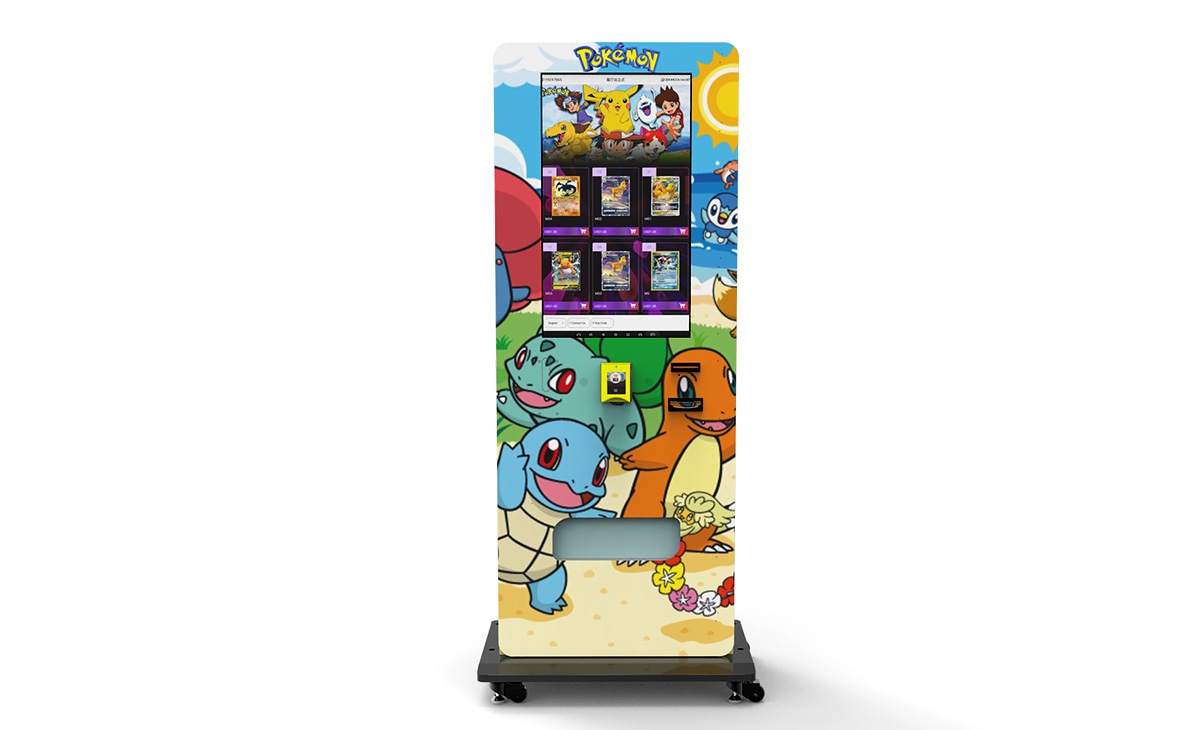
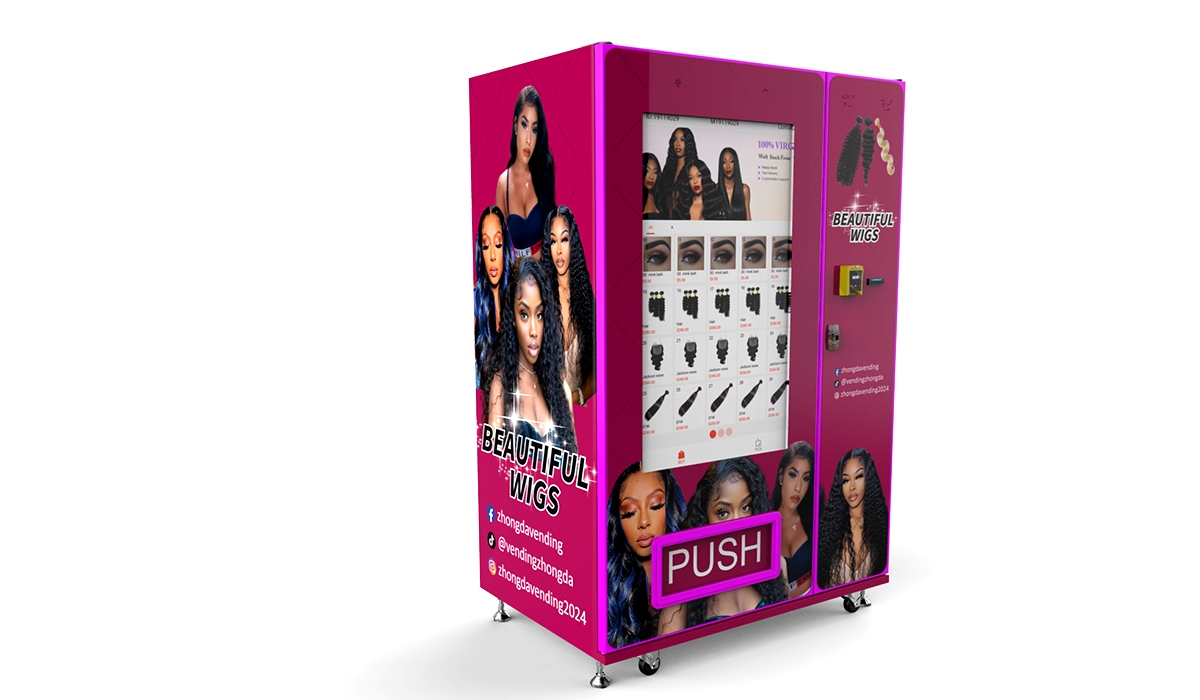
A play vending machine is essentially a self-service kiosk that dispenses toys, plush items, capsules, or small prizes, often with a mechanical or digital game element. Unlike a standard snack vending machine, these units rely on impulse purchases and entertainment value. You will find them in family-oriented locations such as shopping centers, arcades, bowling alleys, restaurant waiting areas, and even grocery store entrances.
From my experience, the best performing machines sit where parents are already spending time with children. A machine in a busy supermarket lobby can generate between $400 and $1,200 per month, depending on the season and local demographics. The key is visibility and dwell time. If people walk past quickly without stopping, the machine will underperform regardless of how attractive it looks.
One common mistake I see beginners make is placing these machines in adult-only environments like bars or office break rooms. The target audience for a play vending machine is children and families, so the location must match that demographic. A self-service kiosk filled with plush toys will not sell well in a warehouse break room, no matter how low the rent is.
Is a Play Vending Machine Business Profitable?
Profitability depends on three things: location, product cost, and machine reliability. Based on my own operations across the UK and the US, a well-placed play vending machine can bring in $600 to $1,500 per month in gross revenue. The cost of goods sold for toys and capsules typically runs between 25% and 35% of the selling price. That leaves a gross margin of 65% to 75% before expenses like rent, electricity, and vending machine repair.
However, I have also seen machines sit in mediocre locations and earn less than $150 per month. The difference is not luck. It is a systematic evaluation of foot traffic, competition, and local spending habits. According to a 2022 report by IBISWorld, the automated retail industry in the US grew by 3.8% annually over the previous five years, but the variance between high-performing and low-performing machines is enormous (source: IBISWorld Vending Machine Operators Report).
Operators who track their sales data and rotate products based on performance tend to see 30% higher revenue than those who set and forget. A play vending machine is not a passive income machine if you ignore it. It requires regular attention to keep the product mix fresh and the equipment functioning.
How Much Does a Play Vending Machine Cost?
The initial investment for a new play vending machine ranges from $2,500 to $8,000 for a single unit. Used machines can be found for $800 to $2,500, but you need to be careful about wear and tear. I have purchased used machines that looked fine on the outside but had faulty coin mechanisms or worn-out motors, and the cost of vending machine repair quickly ate into the savings.
Here is a rough breakdown of what you should budget for a new machine:
| Machine Type | Price Range (New) | Typical Monthly Revenue | Estimated ROI Period |
|---|---|---|---|
| Basic capsule vending machine | $2,500 – $4,000 | $400 – $700 | 6 – 12 months |
| Plush claw machine | $3,500 – $6,000 | $600 – $1,200 | 8 – 14 months |
| Digital prize kiosk with screen | $5,000 – $8,000 | $800 – $1,500 | 10 – 16 months |
These numbers are based on my own experience and should be treated as estimates. Actual returns depend on your location, product pricing, and how often you service the machine. A machine in a high-traffic mall during the holiday season can pay for itself in four months, while the same machine in a quiet suburban store might take eighteen months.
Key Factors to Consider Before Buying
Foot Traffic Quality Over Quantity
Not all foot traffic is equal. A location with 500 people per hour but no children or young adults will not move product. I once placed a machine in a busy commuter train station and watched it collect dust for three months. The audience was adults rushing to work, not families looking for entertainment. A location with 200 people per hour but a high proportion of families with young children will outperform the high-traffic adult location every time.
Before signing any placement agreement, spend a few hours observing the location at different times of day. Look for strollers, children holding parents' hands, and people waiting. Waiting time is critical. A restaurant with a 15-minute wait for a table is a goldmine for a play vending machine because parents need to occupy their kids.
Payment Systems and Cashless Integration
In 2025, a machine that only accepts coins is a liability. Most adults do not carry cash, especially in Europe and North America. A self-service kiosk must support credit cards, mobile payments, and ideally tap-to-pay. I have seen machines double their revenue simply by adding a card reader. The upfront cost for a cashless payment system is around $300 to $600, but the increase in sales usually recovers that cost within two to three months.
Make sure the payment system is compatible with local networks. In France, for example, many machines use a distributeur automatique setup that supports CB cards and contactless. In the US, you need NFC support for Apple Pay and Google Pay. A machine that cannot accept digital payments will lose at least 40% of potential sales, based on data from the National Automatic Merchandising Association (source: NAMA Cashless Payment Trends).
Machine Durability and Serviceability
The cheapest machine is rarely the best value. I have bought low-cost units from unknown manufacturers and regretted every one. The plastic components cracked within months, the coin jams were frequent, and finding replacement parts was a nightmare. A well-built machine with a steel frame, reliable motors, and easily accessible components will save you hundreds of dollars in vending machine repair costs over its lifetime.
When evaluating suppliers, ask about spare parts availability and whether they have a service network in your country. Some manufacturers offer remote diagnostics, which can reduce downtime significantly. One supplier I have worked with consistently is Zhongda Smart, because they provide modular components that are easy to replace without specialized tools. Their machines also come with a standard cashless interface, which saves the hassle of retrofitting later.
Operating Costs You Should Plan For
Many beginners underestimate ongoing costs. Here is what you should budget for each machine per month:
- Product restocking: $150 – $400, depending on sales volume and product cost.
- Location commission or rent: 10% – 30% of gross revenue, or a flat monthly fee of $50 – $200.
- Electricity: $10 – $30 per month.
- Vending machine repair and maintenance: $20 – $50 per month averaged over the year.
- Payment processing fees: 2% – 4% of card transactions.
If your gross revenue is $800 per month, your net profit after all expenses will likely be between $300 and $500. That is a healthy margin if your machine cost $4,000, but it also means you need to run the machine for at least eight to twelve months before you see pure profit. Operators who scale to five or ten machines see better economics because restocking and maintenance costs per machine drop.
Where Should You Place a Play Vending Machine?
Based on my experience and conversations with other operators, the best locations in order of profitability are:
- Family entertainment centers and arcades. These locations already have a captive audience. Machines here can earn $1,000+ per month.
- Restaurants with waiting areas. Especially fast-casual and family-style restaurants. Parents appreciate the distraction.
- Shopping mall corridors near children's stores or play areas. High foot traffic and the right demographic.
- Grocery store entrances. Parents shopping with kids are a prime audience. Machines here average $500 – $900 per month.
- Bowling alleys, trampoline parks, and indoor play centers. These locations have high dwell time and repeat visits.
Locations that consistently underperform include car dealerships, auto repair shops, gyms, and office buildings. I have seen operators try these locations and remove the machines within six months. The audience simply does not match the product.
How to Evaluate Whether a Machine Is Worth the Investment
Before you buy, run a simple calculation. Estimate the monthly foot traffic of the location, multiply by the percentage of that traffic that falls in your target demographic, then apply a conservative conversion rate of 1% to 3%. For example, if a location has 5,000 visitors per month and 40% are families with children, that is 2,000 potential buyers. At a 2% conversion rate, that is 40 transactions per month. If each transaction averages $3, you get $120 in revenue. That is not enough to cover costs unless your machine is very cheap.
In reality, high-performing machines see conversion rates of 5% to 8% in good locations. But never assume you will hit the top range. Plan for the middle and be pleasantly surprised if you do better. I always recommend starting with one machine in a strong location, proving the economics, and then scaling. Operators who buy five machines at once without testing the market often end up selling three of them at a loss.
Common Mistakes Beginners Make
I have made most of these mistakes myself, so I can tell you about them from experience.
Buying a machine without checking local regulations. Some cities require a permit for automated retail equipment. In France, you may need to register the machine as a distributeur automatique with the local chamber of commerce. In some US states, you need a sales tax permit. Failing to check this can result in fines or removal of the machine.
Ignoring product quality. Cheap toys that break immediately will kill repeat business. Parents will tell their friends to avoid the machine. Spend a little more on products that feel substantial. A $1.50 toy that lasts is better than a $0.80 toy that falls apart.
Skipping the cashless upgrade. As I mentioned earlier, a coin-only machine in 2025 is a relic. You will lose sales to the machine next door that takes cards.
Not tracking data. If you do not know which products sell best, you are guessing. Use a simple spreadsheet or invest in a telemetry system that reports sales remotely. Data-driven operators replace underperforming products faster and see higher revenue.
Choosing the cheapest supplier. I once bought a machine from a no-name manufacturer on Alibaba. It arrived with a cracked coin mech and no support. I spent $400 on vending machine repair within the first three months. A reputable supplier like Zhongda Smart may cost a bit more upfront, but the machine will run reliably for years.
How to Choose a Supplier or Manufacturer
When you are looking for a play vending machine supplier, do not just compare prices. Compare support, warranty, and spare parts availability. A supplier that offers a one-year warranty on the main board and motor is preferable to one that offers only 90 days. Ask for references from other operators in your region. A supplier that has a presence in Europe or North America is easier to deal with than one based entirely overseas.
I have worked with several manufacturers over the years, and the ones that stand out are those that understand the operational side of the business. Zhongda Smart, for example, designs machines with modular components that make field repairs straightforward. Their machines also support multiple payment systems out of the box, which saves you the trouble of sourcing a separate card reader. That said, always verify that the machine meets local electrical and safety standards for your country. CE certification is required in the EU, and UL or ETL certification is needed in the US.
Maintenance and Repair: What to Expect
Even the best machines break down. The most common issues are coin jams, motor failures, and payment system glitches. If you are not handy with tools, you will need a local technician who understands vending machine repair. Some operators learn basic repairs themselves, which saves money and reduces downtime.
I recommend keeping a small inventory of spare parts: a spare motor, a coin mech, a power supply, and a few sensors. These parts cost around $100 to $200 in total and can save you weeks of waiting for a replacement. If your machine is in a high-traffic location, every day of downtime is lost revenue.
Preventive maintenance is also important. Clean the machine regularly, check the payment system, and lubricate moving parts every three months. A machine that is well maintained will last five to seven years, while a neglected machine may fail within two.
FAQ About Play Vending Machines
Are play vending machines profitable?
Yes, if placed correctly. A well-located machine can generate $400 to $1,500 per month in gross revenue, with net profit of $300 to $500 after expenses. However, profitability varies significantly based on location, product selection, and maintenance costs.
How much does a play vending machine cost?
A new machine costs between $2,500 and $8,000. Used machines can be found for $800 to $2,500, but may require repairs. The total investment including initial product stock and payment system installation is typically $3,000 to $9,000 per machine.
How long does it take to recoup the investment?
Most operators see a return on investment within 6 to 16 months, depending on location and sales volume. High-traffic family locations can pay off in under 8 months, while lower-traffic spots may take 18 months or longer.
Should a beginner buy or lease a machine?
Buying is generally better if you have a good location and plan to operate long-term. Leasing can be useful for testing a location with minimal upfront cost, but the monthly fees reduce your profit margin. I recommend buying one machine first to learn the business.
Where is the best place to put a play vending machine?
Family entertainment centers, restaurant waiting areas, shopping malls near children's stores, and grocery store entrances are the most profitable locations. Avoid locations with low family traffic such as offices, gyms, and auto repair shops.
What permits or licenses do I need?
Requirements vary by city and country. In the US, you may need a business license and a sales tax permit. In the EU, you need to register as a business and ensure the machine has CE certification. Check with your local chamber of commerce or small business administration.
How do I choose a supplier?
Look for suppliers with a proven track record, good warranty terms, and local support. Ask for references and verify that the machine meets your country's electrical and safety standards. Zhongda Smart is a reliable option with modular designs and global support, but always compare multiple suppliers before deciding.
What happens when the machine breaks down?
You can either repair it yourself or hire a local technician. Keep spare parts on hand to minimize downtime. Machines with remote diagnostics can alert you to problems before they become serious, reducing repair costs.
How can I reduce restocking and maintenance costs?
Use sales data to stock only the best-selling products. Plan restocking routes efficiently if you have multiple machines. Perform regular preventive maintenance to avoid major breakdowns. Investing in a machine with reliable components also reduces long-term costs.
Final Thoughts on Choosing the Right Play Vending Machine
Starting a play vending machine business is not a get-rich-quick scheme, but it can be a solid source of passive income if you approach it with realistic expectations and a willingness to learn. The most successful operators I know started small, tested locations carefully, and reinvested profits into better equipment and more strategic placements.
Focus on finding locations where families already gather, invest in a reliable machine with cashless payment capability, and track your sales data religiously. Avoid the temptation to buy the cheapest equipment or place machines in locations that seem convenient but lack the right audience. Every dollar you save on machine quality will likely be spent on vending machine repair later.
Remember that the machine itself is only half the business. The other half is understanding your customers, maintaining relationships with location owners, and adapting your product mix to what sells. If you do those things well, a play vending machine can be a profitable and enjoyable business that grows over time.
Disclaimer: The revenue and cost figures in this article are based on my personal experience as an operator and publicly available industry data. They are estimates and should not be taken as guaranteed returns. Actual results depend on many factors including location, local economy, product selection, and operational efficiency. Always conduct your own due diligence before investing.
本文更新于2025年4月。