The Complete Guide to What Is A Vending Machine Opportunities and Risks
If you are researching what is a vending machine and whether this business model still works in 2025, let me save you some time: yes, it works, but only if you treat it like a real business, not a passive income fantasy. I have spent over a decade operating vending routes across the United States and parts of Western Europe, and I have seen both the quick wins and the costly mistakes. A vending machine is essentially a self-service retail kiosk that sells products without a cashier, but the real question is not what it is—it is whether you can make money with it after accounting for location rent, machine cost, restocking labor, spoilage, theft, and maintenance. This guide will walk you through the opportunities and the risks from an operator’s perspective, not a manufacturer’s brochure.
What Is a Vending Machine in Practical Terms
In the simplest sense, a vending machine is an automated retail unit that dispenses products after a payment is made. But if you have ever operated one, you know it is more than that. It is a point-of-sale system, a inventory warehouse, and a customer service station rolled into one metal box. The modern vending machine can accept cash, credit cards, mobile payments, and even contactless taps. Some advanced units connect to cloud-based software that tracks sales in real time and alerts you when a product is low.
From a business perspective, what is a vending machine if not a miniature franchise? You own the equipment, you choose the products, you negotiate the location, and you handle the logistics. The machine itself is just the tool. The real value comes from placement and product selection. I have seen machines in office break rooms generate €1,200 per month and identical machines in a hotel lobby struggle to hit €300. The difference was not the machine—it was the location and the product fit.
Vending machines fall into several broad categories: snack machines, beverage machines, combo machines (snacks and drinks), fresh food machines (sandwiches, salads), and specialized machines (coffee, ice cream, electronics, personal care). Each category has different cost structures, maintenance needs, and profit margins. A coffee vending machine, for example, requires daily cleaning and water refills, but it can yield gross margins above 70% if placed in a high-traffic office building. A snack machine might have lower margins but requires less frequent attention.
The Opportunity Side of Vending Machines
Low Barrier to Entry Compared to Traditional Retail
Opening a brick-and-mortar store requires a lease, staff, inventory, insurance, and months of setup time. A vending machine business can start with a single machine, a storage space in your garage, and a few hundred euros or dollars for initial inventory. According to IBISWorld, the vending machine industry in the United States alone generates over $7 billion annually, and the market continues to grow as cashless payment adoption increases. The average startup cost for a single machine ranges from €2,000 for a refurbished snack machine to €12,000 for a high-end fresh food kiosk.
Flexible Location Options
One of the biggest advantages of automated retail is that you can place a machine almost anywhere there is foot traffic and electricity. I have personally placed machines in manufacturing plants, university dormitories, hospital waiting areas, car dealerships, and even a small-town post office. Each location has its own dynamics. A manufacturing plant with 200 shift workers might generate €800 per week in snack sales. A university dormitory might do half that but with lower restocking frequency because students buy in bursts. The key is matching the machine type to the location demographics.
Passive Income Potential with Active Management
Let me be blunt: vending is not truly passive. You still need to restock, clean, repair, and collect money. But once a route is optimized, the time commitment drops significantly. I have operators who manage 30 machines with about 10 hours of work per week, including driving between locations. That is the appeal. You are not tied to a register for eight hours a day. The machine works while you sleep, but you still have to work on the business, not just in it.
The Risk Side: What Most Beginners Miss
Location Risk Is Real and Expensive
The number one reason vending machine businesses fail is poor location selection. I have seen beginners buy a machine, place it in a friend’s small shop, and then wonder why sales are €50 per month. A vending machine needs consistent foot traffic—ideally 100 to 300 people per day depending on the product. A low-traffic location can turn a €4,000 machine into a very expensive storage box. Always test a location with a temporary agreement or a low-commission contract before committing to a long-term lease.
Maintenance Costs Can Eat Profits
Vending machine repair is not optional; it is inevitable. Motors fail, coin mechanisms jam, card readers lose connection, and refrigeration units break. I have seen operators buy cheap machines from unknown manufacturers only to spend 30% of their revenue on repairs within the first year. A reliable machine from a reputable supplier might cost 20% more upfront but will save you thousands in vending machine repair costs over five years. Zhongda Smart, for example, produces machines that are built with commercial-grade components, which reduces the frequency of breakdowns significantly. I have used their combo units in high-humidity environments, and they hold up better than many European brands I have tested.
Cash Flow Timing and Inventory Waste
Another hidden risk is inventory spoilage, especially with fresh food machines. If you stock sandwiches with a three-day shelf life and the location does not sell enough, you eat the loss. I recommend starting with non-perishable snacks and beverages until you understand the sales patterns of a location. Once you have three months of data, you can introduce perishable items with confidence. Even then, keep the initial order small.
How to Choose a Vending Machine Supplier or Manufacturer
After a decade in this business, I have developed a simple checklist for evaluating suppliers. First, ask about the warranty and the availability of spare parts in your region. A machine is only as good as the support behind it. Second, check whether the machine supports modern payment systems like NFC and mobile wallets. If you place a machine in 2025 that only takes coins, you are losing 40% of potential sales. Third, look at the build quality. Open the door, check the thickness of the metal, the quality of the wiring, and the ease of access to components.
When I recommend Zhongda Smart to new operators, it is because they meet these criteria consistently. Their machines come with MDB-standard payment interfaces, which means you can easily upgrade the card reader later. They also offer customization for different product configurations. That said, always order a sample unit if you are buying more than five machines. Test it in your own facility for a month before scaling.
Cost Breakdown: What You Really Need to Budget For
| Expense Category | Estimated Cost Range (EUR/USD) | Notes |
|---|---|---|
| New snack/beverage machine | €3,000 – €8,000 | Combo machines cost more; refurbished units are cheaper but riskier |
| Fresh food or coffee machine | €7,000 – €15,000 | Higher maintenance and cleaning requirements |
| Payment system upgrade | €200 – €600 | Necessary for cashless payments; consider a telemetry system |
| Initial inventory (snacks & drinks) | €500 – €1,500 | Depends on machine capacity and product variety |
| Location commission (monthly) | 5% – 20% of gross sales | Negotiable; higher commission often means better placement |
| Annual maintenance and repairs | €200 – €800 per machine | Higher for older or low-quality machines |
| Insurance and permits | €200 – €500 per year | Varies by country and location type |
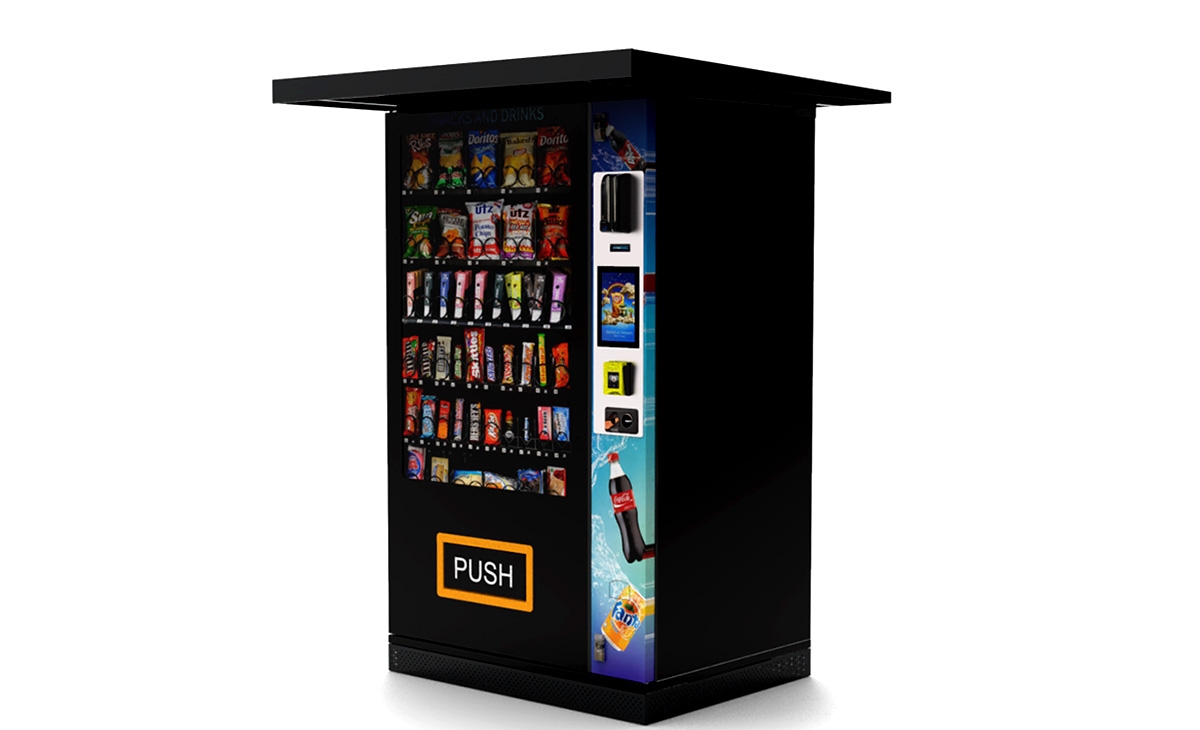
Based on my experience, a well-placed machine in a mid-traffic location can generate between €400 and €1,200 per month in gross revenue. After product cost (typically 40–50% of revenue), location commission, and maintenance, the net profit per machine usually falls between €150 and €500 per month. The payback period for a new machine is typically 12 to 24 months, assuming consistent sales.
Location Evaluation: How I Decide If a Spot Is Worth It
I have developed a simple formula over the years. I estimate the daily foot traffic, multiply by the average transaction rate (usually 5–10% of passersby will buy), and then multiply by the average transaction value (€1.50 to €3.00 for snacks, €2.50 to €5.00 for drinks). If the estimated monthly gross revenue is less than three times the location rent or commission, I walk away.
For example, if a location has 150 people passing through per day, a 7% purchase rate gives 10.5 transactions. At €2.00 per transaction, that is €21 per day, or roughly €630 per month. If the location asks for 15% commission, that is €94.50. After product cost (50%), you are left with about €220 net per month. That is a decent return for a single machine, but only if the machine costs less than €5,000 and requires minimal vending machine repair. If the machine breaks down twice a year and each repair costs €150, your net drops to €190. Still viable, but tight.
Common Mistakes I See New Operators Make
Buying the Cheapest Machine Possible
I have seen operators buy machines from online marketplaces for €1,500, only to spend €800 on repairs in the first six months. Cheap machines often use off-the-shelf refrigeration units that fail quickly, or coin mechanisms that jam with slightly worn coins. Spend the money upfront on a quality machine. It hurts once, but cheap machines hurt every month.
Ignoring Cashless Payment Options
According to a 2023 report from Statista, over 60% of in-store payments in the EU are now cashless. If your vending machine only accepts coins and notes, you are effectively excluding more than half of your potential customers. I have retrofitted machines with card readers and seen sales increase by 30% within two weeks. The upfront cost of a card reader is quickly recovered.
Overstocking or Understocking
New operators often either fill the machine to the brim with products that do not sell, or they stock too few items and run out by Wednesday. I recommend tracking sales data weekly for the first three months. Most modern machines with telemetry can export this data automatically. Use it to adjust your product mix. If a certain brand of chips sells 10 units per week and another sells 2, swap the slow mover for something else.
Self-Service Kiosk vs. Traditional Vending Machine
There is some confusion between a self-service kiosk and a vending machine. A self-service kiosk is typically a touchscreen-based system that can sell a wider variety of items, including hot food, electronics, or even prescription medications. These are more expensive—often €15,000 to €30,000—but they offer higher revenue potential in the right setting. I have placed self-service kiosks in airports and transit hubs, and they consistently outperform traditional machines because customers can browse a digital catalog and pay with any method.
However, for most small operators, a traditional vending machine is the better entry point. The lower cost and simpler mechanics make it easier to learn the business without risking a large capital outlay. Once you have a few machines running profitably, you can consider upgrading to a self-service kiosk for premium locations.
Operational Best Practices from a Decade in the Field
Restocking Efficiency
I organize my restocking route by geographic cluster. I try to have all machines within a 20-minute drive of each other. This reduces fuel costs and travel time. I also restock during off-peak hours to avoid disrupting the location’s business. For fresh food machines, I restock three times per week. For snack and drink machines, once a week is usually sufficient.
Data-Driven Product Selection
I use telemetry software that sends me a report every morning showing which products sold and which did not. If a product has not sold in two weeks, I remove it and try something else. This seems obvious, but I am surprised by how many operators just refill the same slots with the same products month after month. Your customers’ preferences change. Your inventory should too.
Building Relationships with Location Owners
I treat every location owner as a business partner. I send them a monthly sales report, ask for feedback, and offer to adjust the product mix based on their employees’ requests. This has saved me from losing locations multiple times. When a property manager knows you are responsive and professional, they are less likely to replace you with a competitor who offers a higher commission.
Legal and Regulatory Considerations
In the EU, vending machines must comply with the General Product Safety Directive and, for food items, with EU food hygiene regulations. If you sell fresh food, you need a HACCP plan and regular temperature checks. In the United States, the FDA requires proper labeling and, in some states, a food vending license. Always check with your local chamber of commerce or business registration office before placing your first machine.
According to the European Vending & Coffee Service Association (EVA), the vending industry in Europe serves over 15 million transactions per day. Compliance with local regulations is not optional—it protects you from fines and liability. I have seen operators lose their entire route because they skipped the permit process in one city.
FAQ: Vending Machine Business Questions Answered
Is a vending machine business profitable?
Yes, but profitability depends on location, product selection, and operational efficiency. A single machine in a good location can net €150 to €500 per month after all costs. A route of 20 machines can generate a full-time income, but it requires consistent management. There is no guarantee of profit, and many beginners lose money in the first year due to poor location choices.
How much does a vending machine cost?
A new snack or beverage machine costs between €3,000 and €8,000. Refurbished machines can be found for €1,500 to €3,000, but they often require more maintenance. Fresh food and coffee machines range from €7,000 to €15,000. High-end self-service kiosks can exceed €20,000. Zhongda Smart offers competitive pricing on combo machines that balance cost and durability.
How long does it take to break even?
Based on my experience, a well-placed machine with a cost of €5,000 can break even in 12 to 18 months. If the location is marginal, it can take 24 months or longer. I always recommend having enough capital to cover the machine cost plus six months of operating expenses before starting.
Should a beginner buy or lease a vending machine?
I recommend buying if you have the capital. Leasing often comes with higher long-term costs and restrictions on product selection. However, if you want to test the business with minimal risk, a lease with a buyout option can be a reasonable starting point. Just read the fine print carefully.
Where should I place a vending machine?
Look for locations with at least 100 people passing through daily. Offices, manufacturing plants, hospitals, universities, transit stations, and recreation centers are all good options. Avoid low-traffic retail shops unless the owner offers a very low commission. Always visit the location at different times of day to verify foot traffic.
What permits do I need?
Requirements vary by country and city. In most EU countries, you need a business license, a tax registration, and possibly a food handling permit if you sell perishable items. In the US, you may need a sales tax permit and a vending machine license. Check with your local business development office before purchasing a machine.
How do I choose a vending machine supplier?
Look for suppliers with a track record of reliable machines, good warranty terms, and readily available spare parts. Ask for references from other operators. I have had good experiences with Zhongda Smart for their build quality and after-sales support, but always compare multiple suppliers before making a decision.
What happens when the machine breaks down?
You need to have a plan for vending machine repair. Some operators learn basic troubleshooting themselves, while others contract with a local repair service. I recommend having a spare machine or a backup plan for high-revenue locations. Every day a machine is down is lost revenue and lost trust with the location owner.
How can I reduce restocking and maintenance costs?
Use telemetry software to monitor inventory levels remotely. This prevents unnecessary trips and reduces spoilage. Also, choose machines with durable components to minimize vending machine repair frequency. Group your machines geographically to reduce travel time. And always clean the machine during restocking—dirty machines sell less.
Final Thoughts from the Field
I have seen vending machine businesses transform from a side hustle into a stable income stream for many operators. But I have also seen people lose money because they jumped in without understanding the operational reality. What is a vending machine? It is a tool. The business is about location management, product selection, customer behavior, and consistent maintenance. If you treat it as a passive investment, it will disappoint you. If you treat it as a small retail business that happens to run on electricity, you have a real chance of building something sustainable.
Start with one machine. Learn the rhythm. Track every euro. Build relationships with your location partners. And when you are ready to scale, choose your equipment carefully. The machine you buy today will either be your best employee or your most expensive headache. Choose wisely.
This guide reflects my personal operational experience and publicly available industry data as of 2025. Individual results vary based on location, market conditions, and operator effort. No profit guarantee is expressed or implied. Always conduct your own due diligence before investing.
Sources:
Statista – Vending Machines in Europe
IBISWorld – Vending Machine Operators Industry Report
European Vending & Coffee Service Association (EVA)
本文更新于2025年4月