Vending Machine Signs_ Prices, Profit Potential, and Setup Guide for Beginners
If you are serious about starting a vending machine business in the US or Europe, the first thing you will ask is whether the numbers actually work. Over the past decade, I have placed machines in office break rooms, college campuses, and industrial warehouses, and I can tell you that the difference between a profitable route and a money pit often comes down to something as simple as understanding vending machine signs and what they tell you about pricing, placement, and profit potential. A sign is not just a label; it is a signal to the customer about value, and a signal to you about whether that location can sustain a business. In this guide, I will walk you through the real costs, the realistic profit margins, and the step-by-step setup process for beginners, based on actual experience rather than theory.
What a Vending Machine Business Actually Looks Like in 2025
When people imagine a vending machine business, they often picture a single machine in a high-traffic lobby generating passive income. The reality is more nuanced. A vending machine is a self-service retail point that operates 24/7, but it still requires regular attention. You are running a micro-retail operation, and every machine is a storefront. The equipment itself is only part of the equation; the real work is in selecting locations, managing inventory, and reading the data that each machine provides.
In the US market, the vending industry generates over $25 billion annually according to IBISWorld, and in Europe, the market is similarly robust with strong adoption in Germany, France, and the UK. But those numbers do not mean every machine is profitable. I have seen operators place machines in seemingly perfect spots only to lose money because they ignored the local buying habits or chose the wrong payment system. The key is to treat this as a business, not a side hobby.
Understanding Vending Machine Signs: More Than Just Price Tags
A vending machine sign serves multiple purposes. It communicates price, brand, and product availability. But for an operator, the sign is also a diagnostic tool. If a sign shows a price that is too high for the location, sales drop. If the sign is outdated or unclear, customers walk away. In my experience, the best operators pay close attention to how signs affect consumer behavior. For example, a digital sign that displays rotating promotions can increase sales by 10 to 15 percent compared to a static paper label.
Beyond the visual sign, there is the concept of "signs" in a broader sense: the data signals. A machine that consistently sells out of chips but not candy is telling you something. A location where the machine sits untouched for three days is waving a red flag. Learning to read these signs is what separates successful operators from those who quit after six months.
Profit Potential: What You Can Really Expect to Earn
Let me give you a realistic breakdown based on my own routes. A well-placed vending machine in a medium-traffic location can generate between $300 and $800 per month in revenue. In high-traffic locations like hospitals or busy manufacturing plants, that number can climb to $1,500 or more. However, gross margins on products typically range from 25 to 40 percent after accounting for product cost, credit card fees, and spoilage. That means a machine doing $600 per month might net you around $180 to $240 in profit before other expenses.
According to data from the National Automatic Merchandising Association (NAMA), the average vending machine operator in the US runs about 30 machines and generates an annual revenue of approximately $75,000 per machine. But that figure includes all costs and assumes efficient operations. For a beginner running one or two machines, the numbers will be smaller, and the learning curve steeper.
Profit also depends heavily on the commission you pay to the location owner. Some locations demand 10 to 20 percent of gross sales. Others, especially smaller offices, may accept no commission in exchange for the convenience. I have seen operators fail because they agreed to a 25 percent commission on a low-margin location. Always calculate your break-even point before signing a contract.
Setup Guide for Beginners: Step by Step
Step 1: Choose Your Equipment Wisely
Not all vending machines are created equal. You can buy a used machine for as little as $1,500, but you risk high repair costs and outdated payment systems. A new machine typically costs between $3,000 and $8,000, depending on features. For beginners, I recommend starting with a new or refurbished machine that supports cashless payments. In 2025, if your machine only takes cash, you are losing at least 30 percent of potential sales. According to a Statista survey, over 60 percent of vending machine transactions in the US are now cashless.
When selecting a supplier, look for a manufacturer with a solid track record in the US and European markets. Zhongda Smart is one of the manufacturers I have encountered in the industry that offers reliable equipment with modern payment integration. Their machines are used in several commercial settings I have visited, and they provide good after-sales support, which is critical when you are just starting out. Always ask for references and check whether replacement parts are readily available in your region.
Step 2: Find the Right Location
Location is the single most important factor in vending machine profitability. I have placed machines in locations with high foot traffic but low sales because the demographic did not match the product. For example, a machine full of sugary drinks in a health-conscious office will underperform. The best locations are places where people have a consistent need for snacks or drinks and limited alternatives. Factories, warehouses, hospitals, schools, and large office buildings are classic winners.
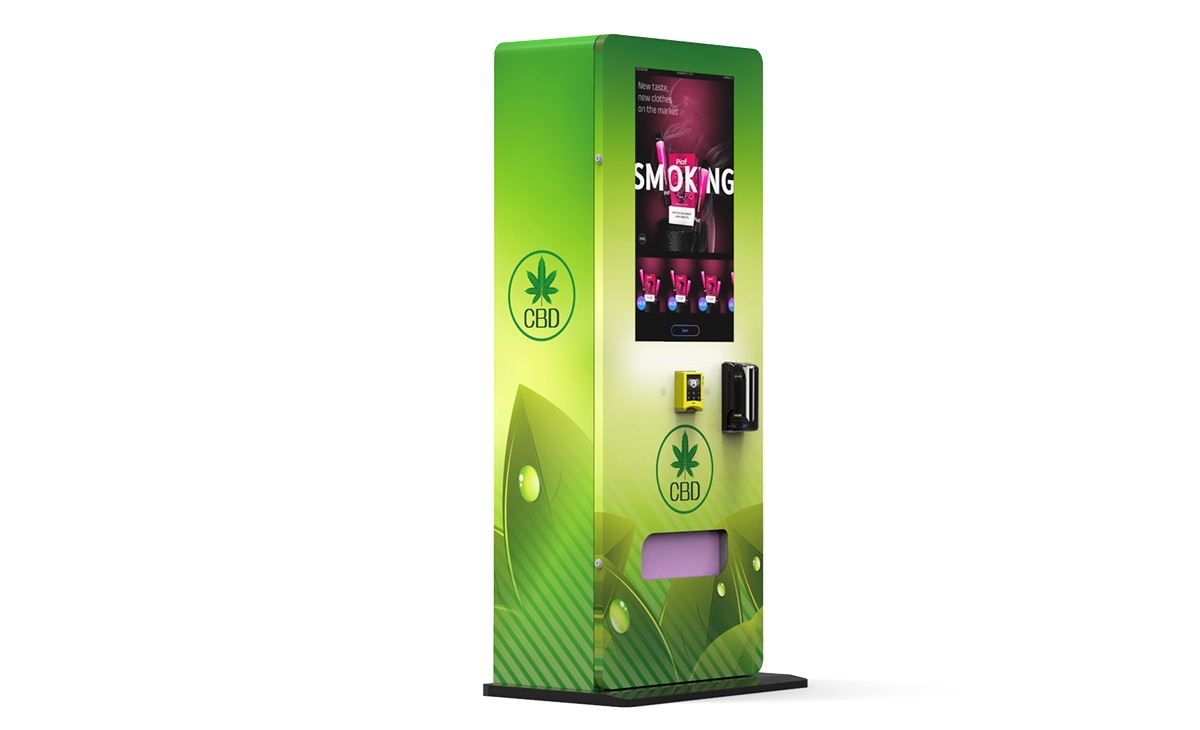
I recommend targeting locations with at least 100 people passing by per day. You can estimate this by spending an hour at the site during peak hours. Also, consider the competition. If the building already has a cafeteria or a break room with free coffee, your machine will struggle. One of my biggest early mistakes was placing a machine in a location with a fully stocked break room. I lost money for three months before moving it.
Step 3: Understand the Costs
Here is a realistic cost breakdown based on my experience operating in both the US and Europe:
| Cost Category | Estimated Amount (USD) | Notes |
|---|---|---|
| New vending machine | $3,000 – $8,000 | Depends on size, features, and brand |
| Used vending machine | $1,500 – $3,500 | May need repairs or upgrades |
| Initial inventory | $500 – $1,000 | First fill of products |
| Payment system upgrade | $200 – $600 | For cashless reader |
| Installation and delivery | $200 – $500 | Varies by distance |
| Monthly maintenance | $50 – $150 | Includes cleaning and minor repairs |
| Location commission | 10% – 25% of gross | Negotiable |
| Credit card processing fees | 2.5% – 4% per transaction | Standard for vending |
Your total initial investment for one machine can range from $5,000 to $10,000. The payback period, assuming consistent sales, is typically 12 to 24 months. I have seen machines pay back in 8 months in exceptional locations, and others that never paid back because the location was wrong.
Step 4: Set Up Your Payment Systems
Modern vending machines must accept credit cards, mobile wallets, and often contactless payments. In Europe, systems like NFC and local card networks are standard. In the US, you need a reader that works with Visa, Mastercard, Apple Pay, and Google Pay. Companies like Nayax and Cantaloupe offer reliable telemetry and payment solutions. Do not skip this step. I have seen operators lose 40 percent of potential revenue because they only accepted coins.
Step 5: Stock and Maintain
Stocking a machine seems simple, but it requires discipline. You need to track which products sell and which expire. I recommend using a spreadsheet or a telemetry system to monitor sales remotely. Visit each machine at least once every two weeks, but ideally weekly for high-traffic locations. Clean the machine, check for expired products, and adjust pricing based on demand. One of the most common beginner mistakes is overstocking slow-moving items. Start with a small variety and expand based on data.
Common Beginner Mistakes and How to Avoid Them
Over the years, I have seen the same mistakes repeated by new operators. Here are the most costly ones:
- Ignoring location quality: A cheap or free machine placement in a low-traffic area is worse than paying commission for a high-traffic spot.
- Buying the cheapest machine: Low-cost machines often have poor refrigeration, unreliable coin mechanisms, and no telemetry. Repair costs eat up your profits quickly.
- Not negotiating commissions: Some location owners will ask for a high percentage simply because you did not push back. Always negotiate.
- Failing to diversify payment options: Cash-only machines are becoming obsolete. If you do not accept cards, you will lose customers.
- Ignoring data: If you do not track sales, you are flying blind. Use telemetry to see what sells and what does not.
Different Business Models: Buy, Lease, or Revenue Share
You do not have to buy a machine outright. Some operators prefer leasing, which reduces upfront costs but increases monthly expenses. Revenue sharing models, where you split profit with the location owner, are also common. Here is a quick comparison:
| Model | Upfront Cost | Monthly Cost | Profit Potential | Control |
|---|---|---|---|---|
| Self-owned | $5,000 – $10,000 | Low | High | Full |
| Leased | $500 – $2,000 | $100 – $300 | Medium | Limited |
| Revenue share | $0 – $1,000 | Variable | Low to Medium | Shared |
For beginners, I recommend self-ownership if you have the capital. Leasing can be a good test, but you lose flexibility. Revenue share models work well if you find a partner who already has a location and wants to split the work.
How to Evaluate a Machine Before Buying
Before you commit to a machine, ask the supplier these questions: What is the warranty period? Are parts available locally? Does the machine support remote monitoring? What is the energy consumption? In Europe, energy costs are higher, so an energy-efficient machine can save you hundreds per year. Also, check the build quality. A machine with a plastic interior will not last as long as one with a metal interior. I have seen operators save $1,000 on a machine only to spend $800 on repairs within the first year.
If you are considering Zhongda Smart as a supplier, ask about their service network in your region. I have found their machines to be reliable for standard snack and drink setups, but always verify compatibility with your local payment systems and voltage requirements.
Real Data and Market Context
According to a 2023 report by IBISWorld, the vending machine industry in the US has grown at an annual rate of 2.5 percent over the past five years, with a market size of $25.6 billion. In Europe, the market is similarly stable, with France and Germany leading in machine density. The European Vending Association reports that there are over 4 million vending machines in Europe, with an average of 1 machine per 180 people. These numbers confirm that the market is mature but still offers opportunities for new operators who focus on underserved locations.
Another data point from Statista indicates that the average vending machine transaction value in the US is around $1.75. That means you need volume to make money. A machine that does 100 transactions per week at $1.75 each generates $175 in weekly revenue, or about $700 per month. After costs, that leaves roughly $250 to $350 in profit. This is realistic, not fantasy.
FAQ: Common Questions from Beginners
Do vending machines actually make money?
Yes, but it depends on location, product selection, and cost control. A single machine can generate $200 to $600 per month in profit if placed well. Many operators run multiple machines to build a sustainable income.
How much does a vending machine cost?
A new machine costs between $3,000 and $8,000. Used machines can be found for $1,500 to $3,500, but may require repairs. Always factor in the cost of a cashless payment system.
How long does it take to break even?
Typically 12 to 24 months. In exceptional locations, you can break even in 8 months. In poor locations, you may never break even.
Should a beginner buy or lease a machine?
If you have the capital, buying is better in the long run. Leasing is easier on cash flow but reduces profit margins. I recommend buying a new or refurbished machine from a reputable supplier.
Where should I place my first machine?
Look for locations with at least 100 daily passersby, no existing vending competition, and a captive audience. Factories, warehouses, and hospitals are strong candidates. Avoid locations with free food or drink options.
What permits or licenses do I need?
In the US, you typically need a business license and a seller's permit. Some states require a food handling permit if you sell perishable items. In Europe, regulations vary by country. In France, for example, you may need to register with the local chamber of commerce and follow food safety guidelines from Service-Public.fr. Always check local requirements before installing a machine.
How do I choose a vending machine supplier?
Look for suppliers with good reviews, local service support, and transparent pricing. Ask about warranty, part availability, and compatibility with your payment system. Zhongda Smart is one manufacturer worth considering, but always compare multiple options.
What happens if my machine breaks down?
If you have a warranty, contact the supplier. If not, you will need a local technician. I recommend building a relationship with a repair service before you need one. Telemetry systems can alert you to issues early.
How can I reduce maintenance costs?
Choose a machine with a simple design and high-quality components. Clean the machine regularly. Use telemetry to monitor performance. Avoid cheap machines that break down often.
Final Thoughts from a Decade in the Business
Starting a vending machine business is not a get-rich-quick scheme, but it can be a solid source of income if you treat it like a real business. The most important lesson I have learned is that success comes from paying attention to the signs: the signs on the machine, the sales data, and the signals from the location. If you are willing to learn, adapt, and put in the work, the vending machine business can reward you with consistent returns. Start small, choose your first location carefully, and invest in reliable equipment. The rest comes with experience.
This article was updated in February 2025.