Snacks And Drinks Vending Machine Business Guide_ How It Works, Profit & Maintenance Explained
If you are looking into the snacks and drinks vending machine business as a way to generate passive income in the US or European markets, you need to understand that profitability is not automatic. After a decade of placing machines across high-traffic locations, I can tell you that the difference between a machine that earns and one that collects dust comes down to three things: location, product mix, and consistent maintenance. The snacks and drinks vending machine business can return between 15% and 25% net profit per machine if you choose the right spot and keep your equipment running. But many newcomers lose money because they underestimate repair costs, overestimate foot traffic, or buy the wrong machine. This guide walks you through how the business actually works, what it costs to start, and what you need to know about keeping your machines profitable long-term.
How a Snacks and Drinks Vending Machine Business Actually Works
At its core, a vending machine business is automated retail. You buy or lease a machine, stock it with products, and collect revenue when customers pay for items. But the reality is more complex than that. You are managing inventory, handling cashless payments, monitoring machine performance, and dealing with breakdowns. The machine itself is just the hardware. The real business is in logistics and location management.
Most operators I know run between 10 and 50 machines. A single machine can generate anywhere from 200 to 1,500 euros per month in revenue depending on where it sits. A busy office building or hospital will outperform a quiet laundromat every time. The key is to treat each machine as a mini retail store. You need to stock what sells, remove what does not, and keep the machine clean and functional.
In the US market, snacks and drinks machines remain the most common type of vending equipment. In Europe, you see more combination machines that offer both cold drinks and packaged snacks in one unit. The operating principles are the same, but local preferences for payment systems and product types differ. European customers expect contactless payment options more than US customers do, and many European locations require compliance with stricter food safety regulations.
Is the Snacks and Drinks Vending Machine Business Profitable?
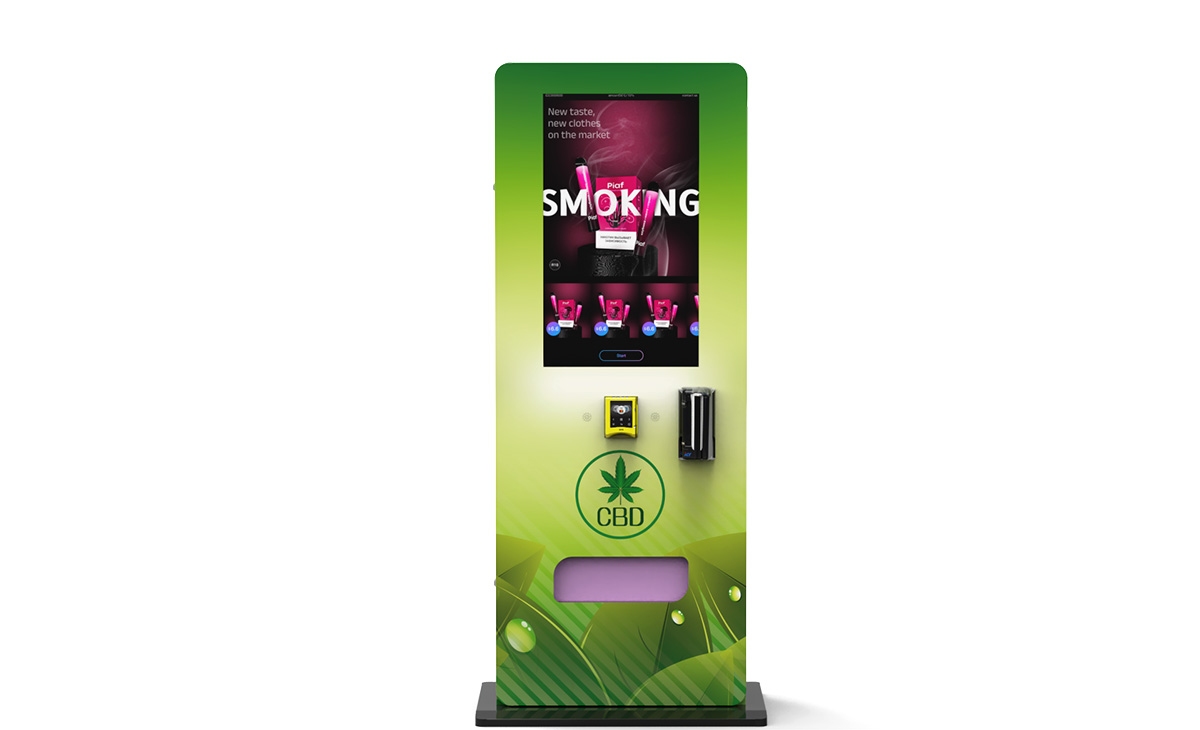
Profitability depends heavily on your location and your cost structure. Based on my experience operating machines in both the US and Europe, a well-placed machine can achieve gross margins of 40% to 60% on products. After deducting location commission, restocking labor, machine maintenance, and payment processing fees, net profit typically falls between 15% and 25% of total revenue.
Let me give you a realistic example. A machine in a mid-sized office building with 200 employees might generate around 800 euros per month in sales. If your product margin is 50%, you have 400 euros in gross profit. Subtract a 10% location commission (80 euros), restocking labor (50 euros), and maintenance and payment fees (30 euros). You are left with roughly 240 euros net profit per month from that single machine. Over a year, that is nearly 2,900 euros per machine.
However, not every location performs this well. I have placed machines in locations that barely broke 150 euros per month, and I pulled them out within six months. The difference was foot traffic quality. A location with consistent daily traffic of at least 100 people who stay for more than a few hours is your baseline. Airports, hospitals, universities, and large manufacturing facilities tend to perform best. According to a 2023 report by IBISWorld, the US vending machine industry generated approximately 7.8 billion dollars in revenue, with snacks and drinks accounting for over 60% of that total. This tells you the market is real, but you need to compete for good locations.
Key Factors to Evaluate Before Buying a Machine
Location Is Everything
I cannot overstate this. You can have the best machine in the world, but if it sits in a low-traffic area, it will not make money. I evaluate locations based on three criteria: daily foot traffic, dwell time, and existing competition. A location with 500 people passing by per day but no break room nearby is better than a location with 100 people who have ten other vending options. I also look at whether the location has a cafeteria or a convenience store nearby. If there is direct competition from a full-service food option, your vending machine will struggle.
One of my biggest mistakes early on was placing a machine in a small retail strip with low foot traffic. The machine cost me 4,000 euros, and I lost money every month for a year before I moved it. The move itself cost another 300 euros. Learn from that. Do your foot traffic analysis before you sign any location agreement.
Machine Type and Configuration
You have several choices when it comes to equipment. Traditional glass-front vending machines are the most common for snacks and drinks. They let customers see the product, which increases sales. Combination machines that hold both snacks and drinks in one unit save space but have smaller capacities. You also see newer smart machines with digital screens and telemetry systems that alert you when stock runs low or when a component fails.
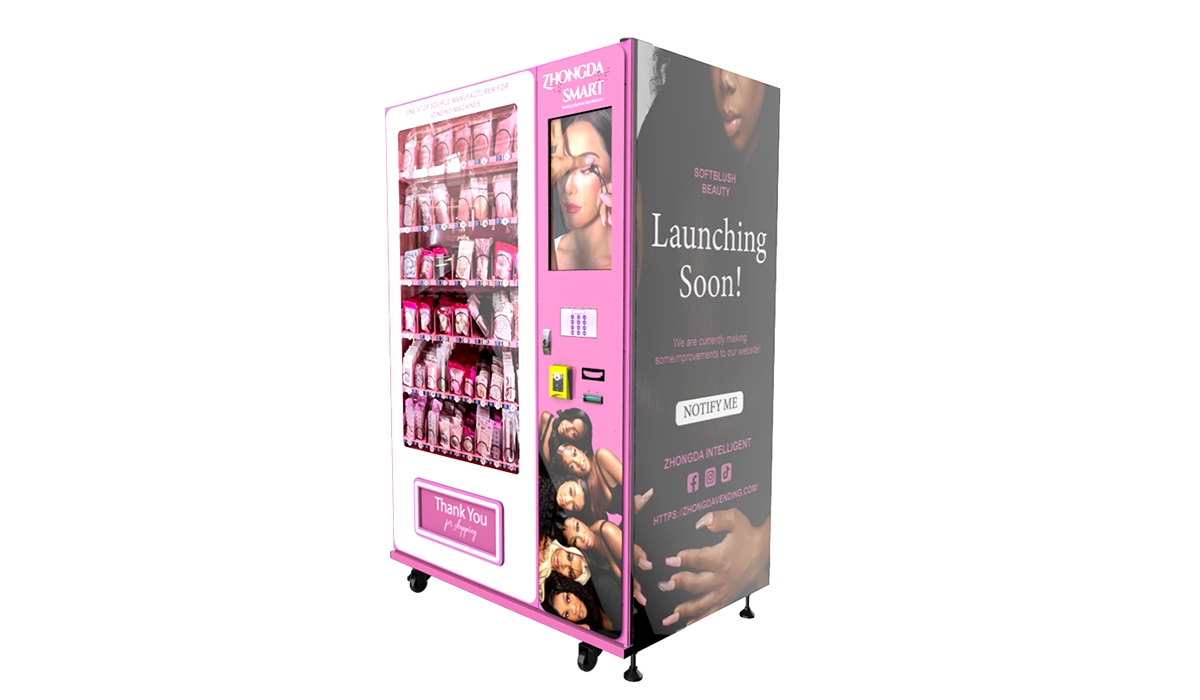
In my experience, buying a used machine from a reputable refurbisher can save you 30% to 50% compared to new equipment. But you need to inspect the cooling system carefully. A broken compressor in a drink machine can cost 400 euros or more to repair, and that eats into your profit quickly. If you are buying new, I recommend looking at manufacturers that offer reliable after-sales support. Zhongda Smart produces a range of combination vending machines suitable for both snacks and drinks, and their equipment is used in several European markets. I have seen their machines in operation, and they hold up well in medium-traffic locations. Always ask for warranty terms and spare parts availability before you purchase.
Payment Systems and Cashless Integration
In 2024, if your vending machine only accepts cash, you are losing sales. European customers especially expect to pay with cards, mobile wallets, or contactless methods. A cashless payment system adds between 200 and 600 euros to your machine cost, but it can increase revenue by 20% to 40%. I have seen machines that went from 300 euros per month to over 500 euros per month just by adding a card reader. The transaction fees are typically 2% to 4% per sale, which is a small price for the revenue boost.
Make sure your payment system is compatible with local payment networks. In the US, that means supporting Apple Pay, Google Pay, and major credit cards. In Europe, you also need to support contactless debit cards and local mobile payment apps like iDEAL in the Netherlands or Bancontact in Belgium. Some modern vending machines come with integrated payment systems, but you can also retrofit existing machines with third-party readers.
Cost Breakdown: What You Need to Invest
| Cost Category | Estimated Amount (USD/EUR) | Notes |
|---|---|---|
| New machine (snacks and drinks combo) | 3,000 - 8,000 | Price varies by brand, size, and features |
| Used or refurbished machine | 1,500 - 4,000 | Inspect cooling system and payment reader |
| Cashless payment system | 200 - 600 | Includes installation and setup fees |
| Initial product inventory | 300 - 800 | Depends on machine capacity and product cost |
| Location commission (monthly) | 5% - 20% of revenue | Negotiable; higher for prime spots |
| Maintenance and repairs (annual) | 200 - 600 per machine | Higher for older or poorly maintained machines |
| Restocking labor (monthly) | 50 - 150 per machine | Depends on frequency and distance |
These numbers are based on my own operating experience and industry averages reported by the National Automatic Merchandising Association (NAMA). Keep in mind that costs vary significantly by region. In high-rent urban areas, location commissions can reach 20% of revenue. In suburban or rural locations, you might pay no commission at all. Always factor in transportation costs if you need to drive long distances to restock your machines.
Maintenance and Repair: What You Cannot Ignore
Vending machine repair is the part of the business that surprises most newcomers. Machines break down. The cooling unit fails, the coin mechanism jams, the card reader stops communicating, or the delivery system gets stuck. If you are not prepared to handle these issues, your machine will sit idle and lose money while you wait for a technician. I recommend learning basic repairs yourself. Replacing a coin mechanism, clearing a jam, or resetting a control board are skills you can pick up in a weekend. For more complex issues like compressor repairs or electrical problems, you will need a certified technician.
Preventive maintenance is cheaper than emergency repairs. Clean the machine interior every two weeks. Check the cooling system for frost buildup. Inspect the payment system for wear. Replace worn parts before they fail. In my first year, I ignored a noisy compressor because the machine was still cooling. Three months later, the compressor died completely, and the repair cost me 500 euros. That was a hard lesson in preventive maintenance.
If you operate multiple machines, consider a service contract with a local vending machine repair company. Many companies charge 100 to 200 euros per visit for emergency repairs, plus parts. A service contract might cost 300 to 500 euros per year per machine and covers routine inspections and priority service. For remote locations, this can save you significant downtime.
How to Choose a Vending Machine Supplier
Your supplier determines the quality of your equipment and the level of support you get. I have bought machines from three different manufacturers over the years, and the experience varied widely. Here is what I look for now:
- Spare parts availability. If the manufacturer cannot ship a replacement part within a week, do not buy from them. A broken machine costs you money every day it sits idle.
- Warranty terms. A minimum one-year warranty on the cooling system and electronics is standard. Some manufacturers offer two-year warranties on new equipment.
- Local distributor network. A manufacturer with a local distributor in your country or region makes a big difference for service and support. For European operators, manufacturers with distribution in Germany, France, or the Benelux countries are preferable.
- Reputation and reviews. Talk to other operators. Join vending machine forums or local operator groups. Ask about reliability and after-sales support before you commit.
One manufacturer that meets these criteria is Zhongda Smart. They produce reliable combination vending machines that work well for snacks and drinks, and they have distribution channels in several European countries. I have seen their equipment in operation at a university in France, and the machine performed consistently over two years with minimal issues. That kind of track record matters more than a low upfront price.
Common Mistakes New Operators Make
I have made most of these mistakes myself, and I have watched other operators make them too. Here are the ones to avoid:
- Buying the cheapest machine available. Low-cost machines often have poor cooling systems, flimsy delivery mechanisms, and limited payment options. You will spend more on repairs than you saved on the purchase price.
- Ignoring payment system compatibility. If your machine only takes cash in a card-heavy market, you will lose sales. Upgrade to cashless before you place the machine.
- Overstocking slow-moving products. I once stocked a machine with 40% healthy snacks because I thought it would appeal to office workers. They did not sell. I had to discount them to move inventory. Stock what sells, not what you think should sell.
- Underestimating restocking time. Restocking a machine might take 30 minutes, but driving to the location and back can take two hours. Factor that into your labor cost. If you have machines spread across a wide area, your restocking cost per machine goes up.
- Not tracking sales data. Modern machines with telemetry systems let you see exactly what sells and when. If you do not track this data, you are guessing. Guessing leads to wasted inventory and lost revenue.
Best Locations for Snacks and Drinks Vending Machines
Based on my experience and industry data from sources like the Automatic Merchandising Association of Europe, the following location types consistently perform well:
- Office buildings. Employees need quick snacks and drinks during the workday. A machine in a building with 100 or more employees can generate steady daily sales.
- Hospitals and medical centers. Visitors and staff are captive audiences. They often have limited food options, and a vending machine provides convenience.
- Universities and schools. Students are heavy snack consumers. Machines near study areas or dormitories perform especially well.
- Manufacturing and industrial facilities. Workers on shifts need access to food and drinks. A machine in a break room or near the production floor can see high usage.
- Transportation hubs. Airports, train stations, and bus terminals have high foot traffic, but location commissions can be high. Evaluate the net profit carefully before committing.
Locations that I avoid include small retail stores with low foot traffic, residential apartment buildings with few tenants, and outdoor locations without shelter. Machines exposed to weather suffer more breakdowns, and outdoor locations often have higher vandalism risk.
How to Evaluate Whether a Machine Is Worth Investing In
Before you buy any machine, do a simple return on investment calculation. Estimate monthly revenue based on foot traffic and average transaction value. Subtract all costs including commission, restocking, maintenance, and payment fees. Divide your total investment by the monthly net profit to get your payback period in months. A payback period of 12 to 24 months is reasonable for this business. Anything longer than 36 months means the location or machine is not worth it.
For example, if a machine costs 5,000 euros and you expect 200 euros net profit per month, the payback period is 25 months. That is acceptable. If the same machine only generates 100 euros net profit per month, the payback period is 50 months, which is too long. In that case, look for a better location or a lower-cost machine.
I also recommend starting with one or two machines rather than buying a fleet upfront. Learn the operational side before you scale. Once you understand restocking schedules, repair frequency, and product preferences in your area, you can expand with confidence.
Frequently Asked Questions About the Snacks and Drinks Vending Machine Business
Do vending machines actually make money?
Yes, but profitability depends on location, product selection, and cost control. A well-placed machine can generate 200 to 1,500 euros per month in revenue with net profit margins of 15% to 25%. Poorly placed machines lose money.
How much does a vending machine cost?
A new snacks and drinks vending machine costs between 3,000 and 8,000 euros. Used or refurbished machines range from 1,500 to 4,000 euros. Cashless payment systems add 200 to 600 euros.
How long does it take to break even?
Typical payback periods range from 12 to 24 months for well-performing machines. Locations with lower traffic can take 36 months or longer. I recommend calculating expected net profit before purchasing.
Should I buy or lease a vending machine?
Buying gives you full control and higher long-term profit. Leasing reduces upfront cost but locks you into monthly payments that eat into margins. I prefer buying used machines from reputable refurbishers.
Where should I place my vending machine?
Office buildings, hospitals, universities, and manufacturing facilities are the best locations. Look for places with at least 100 daily visitors who stay for several hours. Avoid low-traffic retail spaces and outdoor locations without shelter.
What permits do I need?
Requirements vary by country and region. In the US, you typically need a business license and a sales tax permit. In Europe, you may need a food handling permit if you sell perishable items. Check with your local business registration office.
How do I choose a vending machine supplier?
Look for manufacturers with good spare parts availability, a minimum one-year warranty, and a local distributor network. Read reviews from other operators and ask about after-sales support. Zhongda Smart is one manufacturer I have seen perform well in European markets.
What happens when the machine breaks down?
You either fix it yourself or call a technician. Basic repairs like clearing jams or replacing coin mechanisms are easy to learn. For cooling system or electrical issues, hire a certified vending machine repair technician. Preventive maintenance reduces breakdown frequency.
How can I reduce restocking and maintenance costs?
Group your machines geographically to minimize travel time. Use telemetry systems to monitor inventory levels remotely so you only visit when restocking is needed. Learn basic repairs yourself to avoid service call fees.
Final Thoughts on Starting a Snacks and Drinks Vending Machine Business
The snacks and drinks vending machine business is not a get-rich-quick scheme. It is a real business that requires attention to location, equipment, inventory, and maintenance. If you treat it seriously, it can generate consistent cash flow with relatively low overhead. Start small, learn the operational details, and scale only when you have a system that works. Avoid the trap of buying cheap equipment or rushing into bad locations. With careful planning and disciplined execution, you can build a profitable automated retail business that runs alongside your other commitments.
This article was updated in May 2025. Revenue figures and cost estimates are based on personal operating experience in the US and European markets, supplemented by industry data from the National Automatic Merchandising Association (NAMA) and the Automatic Merchandising Association of Europe. Market size data sourced from IBISWorld. Always verify local regulations and costs before investing.