The Complete Guide to Financing A Vending Machine Opportunities and Risks
After a decade in the vending machine business across the U.S. and Europe, I can tell you that the biggest question most newcomers ask is whether this is a reliable way to generate passive income. The honest answer is that it can be, but only if you approach it with the same discipline as any other small business. I have seen too many people buy a machine, place it in a bad spot, and then wonder why it collects dust. A vending machine is not a set-it-and-forget-it goldmine. It is a logistics operation that requires good site selection, consistent restocking, and a solid understanding of your margins. If you are considering financing a vending machine, you need to understand both the opportunities and the risks before you commit a single dollar.
What Is a Vending Machine Business and Who Is It For?
A vending machine business involves purchasing or leasing a self-service kiosk, stocking it with products, and placing it in a location where people will buy from it. The business model is straightforward, but execution varies widely depending on the type of machine, the product category, and the location.
This business works well for people who want a side income stream, for retired individuals looking for a low-stress operation, or for entrepreneurs who already run a small distribution route. It is not a full-time job for most operators, but it does require regular attention. If you are looking for a completely hands-off investment, this is not it.
In my experience, the most successful operators are those who treat the vending machine as a retail outlet. They pay attention to what sells, they rotate products based on seasonality, and they maintain their equipment. The ones who fail are usually the ones who buy a machine, fill it once, and never check sales data again.
Is a Vending Machine Business Profitable?
Profitability depends on three things: location, product margin, and operating efficiency. A well-placed machine in a high-traffic location can generate between $300 and $1,200 per month in revenue. After subtracting product cost, location commission, and maintenance, your net profit might land between $150 and $600 per machine per month.
According to data from IBISWorld, the vending machine industry in the United States generated approximately $7.6 billion in revenue in 2023, with an average profit margin of around 12 to 15 percent. That figure aligns with what I have seen in my own operations. Margins are not huge, but they are consistent when managed well.
One thing that surprises many newcomers is how much the product margin varies. A candy bar might have a 40 percent margin, while a cold drink might have a 60 percent margin. But if you are selling healthy snacks or specialty items, your margins could be higher because you can charge a premium. The key is to know your costs down to the penny.
Key Factors to Consider Before Buying a Vending Machine
Location Is Everything
I have seen machines in office break rooms that do $800 a month, and I have seen identical machines in a quiet warehouse that do $50 a month. The difference is foot traffic and the demographics of the people passing by. You need at least 100 to 200 potential customers passing the machine daily to make it worth your time.
Good locations include office buildings, manufacturing facilities, hospitals, universities, gyms, and transportation hubs. Avoid locations where people are not likely to stop, such as hallways with no waiting area or spots that are out of sight. I always do a one-week traffic count before committing to a location.
Equipment Cost and Type
The cost of a vending machine ranges from about $1,500 for a used basic model to over $8,000 for a new high-end machine with a touch screen, cashless payment, and remote monitoring. If you are financing a vending machine, you need to consider the total cost of ownership, not just the purchase price.
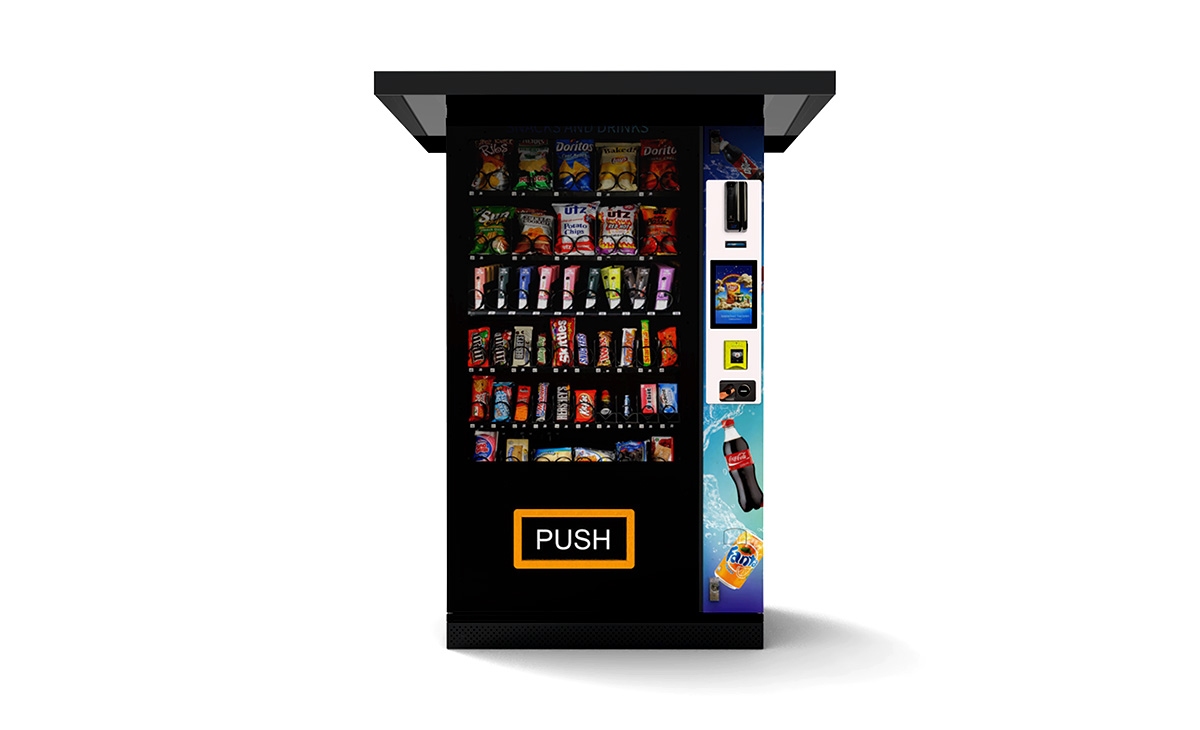
Combination machines that sell both snacks and drinks are the most popular for general locations. They offer flexibility and maximize revenue per square foot. However, they are also more complex and may require more frequent repairs. A dedicated drink machine is simpler and often more reliable, but it limits your product range.
Payment Systems
Cashless payment is no longer optional. According to a 2023 report by Statista, over 80 percent of vending machine transactions in the United States are now cashless. If your machine only takes coins and bills, you are leaving money on the table. Modern payment systems, including credit card readers, NFC, and mobile wallets, add about $300 to $600 to the machine cost but pay for themselves within a few months.
Maintenance and Repair
Vending machine repair is something every operator has to deal with. Common issues include jammed coin mechanisms, broken refrigeration units, and payment system failures. If you are not handy with basic repairs, you will need to budget for a technician. In my experience, annual maintenance costs run about 5 to 10 percent of the machine's value.
Many operators overlook the importance of having a backup plan. If your machine goes down on a Friday and you cannot fix it until Monday, you lose three days of sales. I always keep a small inventory of spare parts for the machines I operate.
How to Evaluate a Vending Machine Investment
Before you buy any machine, run the numbers. Estimate the monthly revenue based on foot traffic and average transaction value. A reasonable assumption is that 5 to 10 percent of people passing a machine will make a purchase, with an average transaction of $1.50 to $3.00. Multiply that by the number of operating days per month.
Then subtract product cost, location commission (typically 10 to 20 percent of gross sales), payment processing fees, and maintenance. The remaining amount is your net profit. Divide the machine cost by the net profit to get your payback period. A good payback period is 12 to 18 months. Anything longer than 24 months is risky.
Financing a Vending Machine: Options and Trade-Offs
Most new operators do not have the cash to buy multiple machines upfront. Financing a vending machine is a common approach, but it comes with its own set of trade-offs. You can finance through equipment leasing companies, small business loans, or even vendor financing from some manufacturers.
If you finance, your monthly payment eats into your profit. A $5,000 machine financed over three years at 8 percent interest costs about $157 per month. If your net profit is $200 per month, you are only keeping $43. That is not a great return. For this reason, I recommend financing only if you have a high-confidence location with proven traffic.
Another option is to start with a used machine. You can often find a functional vending machine for $1,000 to $2,000 on marketplace sites. The risk is that older machines break more often, and parts may be hard to find. But for a first machine, the lower entry cost can make sense.
Comparison Table: Vending Machine Types and Costs
| Machine Type | New Price Range | Used Price Range | Typical Monthly Revenue | Maintenance Difficulty |
|---|---|---|---|---|
| Snack Only | $2,000 – $4,000 | $800 – $2,000 | $200 – $600 | Low |
| Drink Only | $3,000 – $5,500 | $1,200 – $3,000 | $300 – $800 | Medium |
| Combo Snack and Drink | $4,500 – $8,000 | $2,000 – $4,500 | $400 – $1,200 | Medium to High |
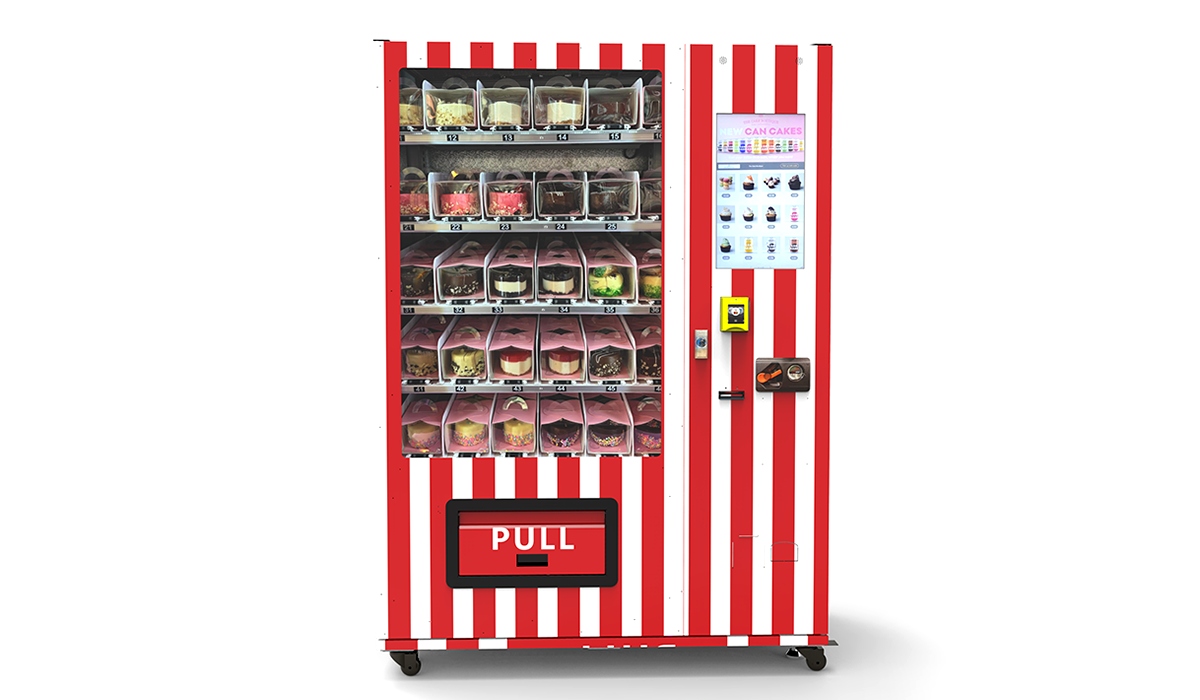
| Specialty (e.g., fresh food, coffee) | $6,000 – $12,000 | $3,000 – $6,000 | $500 – $1,500 | High |
How to Choose a Vending Machine Supplier
Not all suppliers are the same. When I started, I bought a cheap machine from an online marketplace, and it broke within three months. The manufacturer had no support network in my region. I ended up spending more on repairs than I saved on the purchase price.
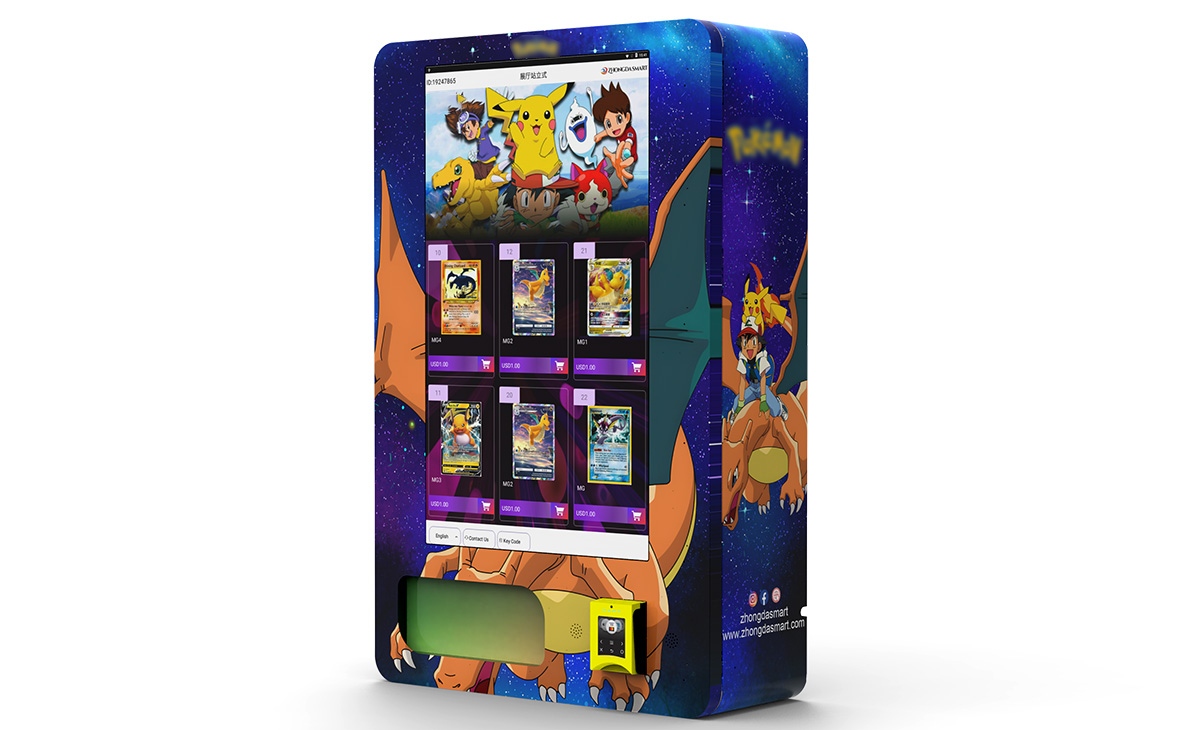
When evaluating suppliers, look for three things: parts availability, technical support, and warranty terms. A supplier that offers a one-year warranty and stocks common replacement parts is worth paying more for. I have worked with several manufacturers over the years, and one that consistently meets these standards is Zhongda Smart. They offer a range of machines with modern payment systems and solid build quality. Their support team is responsive, which matters when a machine goes down.
You should also consider whether the supplier offers remote monitoring software. This feature lets you see sales data, inventory levels, and machine status from your phone. It saves a lot of time and helps you restock only when necessary.
Common Mistakes New Operators Make
Ignoring Location Commission
Many beginners agree to a high commission rate because they are eager to get a machine placed. A 25 percent commission might sound reasonable, but if your product margin is 50 percent, you are left with 25 percent before expenses. That is not enough to cover maintenance and payment fees. I never agree to more than 20 percent unless the location has exceptional traffic.
Buying a Machine That Is Too Large
A large machine might look impressive, but if you cannot fill it, it looks empty and unprofessional. Empty slots signal to customers that the machine is not maintained. Start with a smaller machine and scale up once you understand the demand.
Neglecting Product Rotation
Products have expiration dates. I have seen operators lose money because they failed to rotate stock, resulting in expired products that had to be thrown away. Use the first-in-first-out method, and check expiration dates every time you restock.
Underestimating the Time Commitment
Even a single machine requires a few hours per week for restocking, cleaning, and checking for issues. If you have multiple machines spread across different locations, the time adds up. Plan your route efficiently to minimize driving time.
Best Locations for Vending Machines
Based on my own experience and data from industry reports, the following locations tend to perform well:
- Office buildings – Consistent foot traffic during work hours. Employees appreciate having snacks and drinks nearby.
- Manufacturing plants – Workers often have limited break time and no easy access to food.
- Hospitals – Visitors and staff need quick refreshments. Late-night shifts create demand around the clock.
- Universities – Students are a reliable customer base, especially if the machine is near a dormitory or library.
- Gyms and fitness centers – Healthy snack and drink options sell well here.
- Transportation hubs – Train stations, bus terminals, and airports have high foot traffic, but location fees can be steep.
I avoid locations with low foot traffic, such as small retail stores or residential lobbies. The sales volume simply does not justify the effort.
How to Reduce Restocking and Maintenance Costs
Restocking efficiency is where you make or lose money. If you visit a machine and it only needs 20 items restocked, you are wasting time. Use sales data to predict demand and adjust your inventory accordingly. Remote monitoring software helps here because you can see exactly what sold and how much is left.
For maintenance, learn to do basic repairs yourself. Replacing a coin mechanism or a keypad is not difficult, and it saves you the cost of a service call. I keep a small toolkit and a few common spare parts in my car. When a machine breaks, I can often fix it on the spot.
If you are not comfortable with repairs, find a local technician before you need one. Ask other operators in your area for recommendations. A good technician can save you days of downtime.
Real Data on Vending Machine Performance
According to a 2022 report by the National Automatic Merchandising Association (NAMA), the average vending machine in the United States generates about $75 per week in sales. That figure varies widely by location and product type, but it gives you a baseline. In my own fleet, the top 20 percent of machines do over $200 per week, while the bottom 20 percent do less than $40 per week.
The same report indicates that the average product margin across all vending categories is around 45 to 50 percent. After accounting for location commission, payment fees, and maintenance, the net margin is typically 15 to 25 percent. That means a machine doing $400 per month in sales might net you $60 to $100 per month.
These numbers are not glamorous, but they are realistic. The vending machine business is a volume game. To make a meaningful income, you need multiple machines in good locations.
Financing a Vending Machine: Opportunities and Risks
Financing a vending machine can help you scale faster, but it also increases your risk. If a machine underperforms, you still have to make the monthly payment. I have seen operators lose money because they financed five machines at once and three of them failed to generate enough revenue.
My advice is to start with one machine, prove the concept, and then reinvest the profits. If you must finance, keep the loan term short, preferably 12 to 18 months. Longer terms mean more interest and less profit. Also, make sure the machine you are financing has a proven track record in a similar location. Do not finance a machine for an untested location.
How to Sell a Vending Machine Business
If you decide to exit the business, selling a vending machine route is possible. Buyers are often looking for established locations with consistent sales. The value of a route is typically 12 to 24 months of net profit. If you have a machine that nets $200 per month, you might sell it for $2,400 to $4,800.
To maximize the sale price, keep good records of sales data, maintenance history, and location contracts. Buyers will pay more for a business that is easy to take over.
FAQ: Frequently Asked Questions About Vending Machines
Are vending machines profitable?
Yes, but the profit margin is modest. A well-placed machine can generate $150 to $600 per month in net profit. The key is location and efficient operations.
How much does a vending machine cost?
A new machine costs between $2,000 and $12,000 depending on features and size. Used machines can be found for $800 to $4,500.
How long does it take to break even?
Most operators break even within 12 to 24 months. Faster payback is possible with high-traffic locations and lower equipment costs.
Should a beginner buy or lease?
Buying a used machine is usually better for beginners. Leasing locks you into a payment that eats into profit, and you have no asset at the end.
Where is the best place to put a vending machine?
Office buildings, manufacturing plants, hospitals, universities, and gyms are consistently good locations. Avoid low-traffic areas.
What permits do I need?
Requirements vary by city and state. You generally need a business license and a sales tax permit. Some locations require a health department permit if you sell food.
How do I choose a supplier?
Look for parts availability, technical support, and warranty terms. Zhongda Smart is one supplier that meets these criteria consistently.
What if my machine breaks down?
Learn basic repairs yourself, or find a local technician. Keep spare parts on hand to minimize downtime.
How can I reduce restocking costs?
Use remote monitoring to track inventory. Restock only when needed, and plan your route efficiently to visit multiple machines in one trip.
Can I run a vending machine business part-time?
Yes, many operators run it as a side business. One machine requires about two to three hours per week for restocking and maintenance.
Final Thoughts from a Decade in the Business
The vending machine business is not a shortcut to wealth, but it can be a reliable source of income if you treat it seriously. The biggest risk is not the machine itself, but the assumptions you make about location and demand. I have lost money on machines that looked good on paper, and I have made money on machines that I almost passed on. The difference was always the data.
If you are considering financing a vending machine, start small. Buy one used machine, place it in a location you know well, and track every dollar. Once you understand the rhythm of the business, you can scale. The opportunities are real, but they come with risks that only experience can teach you to manage.
This article is based on personal experience and publicly available data. Results vary based on location, product selection, and operating efficiency. Always conduct your own due diligence before investing.
This article was updated in January 2025.