How to Choose the Right Tap Vending Machine_ Complete Beginner's Guide
If you are looking into the vending machine business for the first time, the most important decision you will make is not which brand of snacks to stock, but rather how to choose the right tap vending machine. After spending over a decade placing machines across Europe and North America, I can tell you that the equipment itself determines your profit margins, maintenance headaches, and customer satisfaction more than almost any other factor. A tap vending machine is not just a box that dispenses drinks; it is a self-service kiosk that handles payment, inventory tracking, and user interaction. Getting this choice wrong means losing money for years. Getting it right means a steady, passive income stream that grows with the right location and product mix.
What Is a Tap Vending Machine and Where Does It Fit?
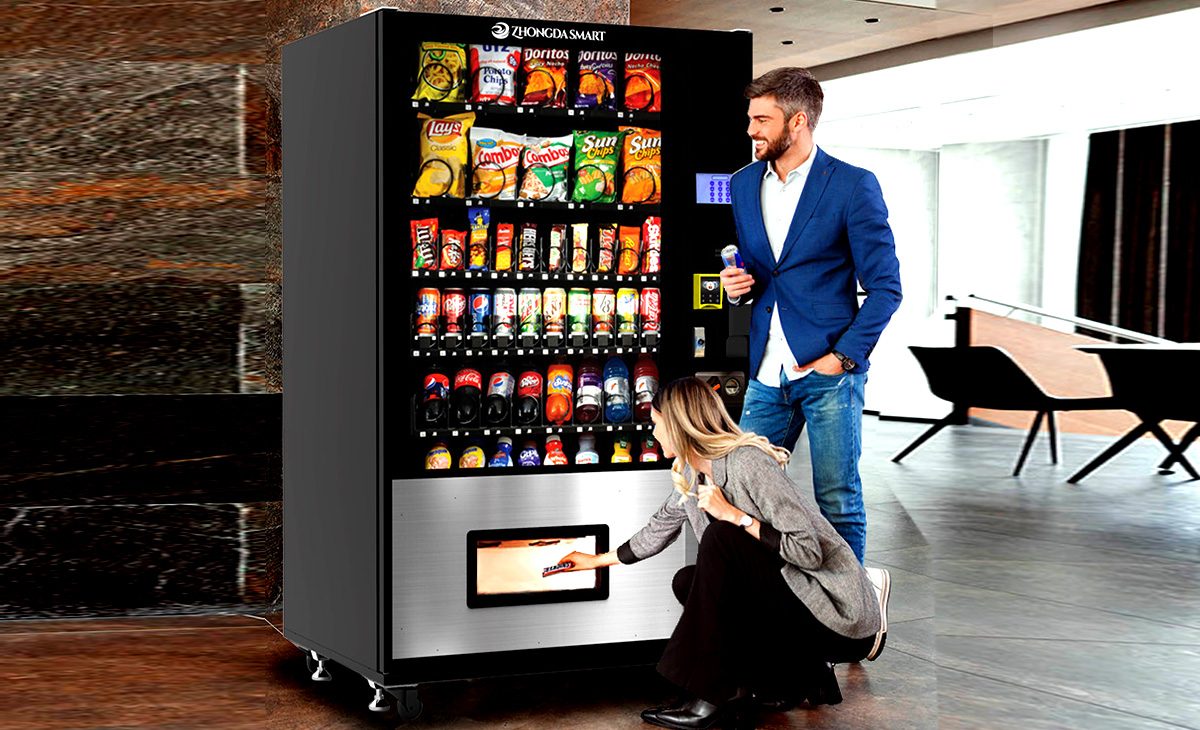
A tap vending machine is a type of automated retail equipment that allows customers to purchase products by simply tapping their card, phone, or wearable device. Unlike older machines that required cash or coins, these machines rely on contactless payment systems, which have become the standard in Europe and North America. You see them in office break rooms, gyms, hotel lobbies, and public transit hubs. They are also popular in remote locations where staffing a store is not practical.
From my own experience, the best locations are places with high foot traffic but limited food service options. For example, a manufacturing plant with 300 employees working three shifts is a goldmine if you place a tap vending machine stocked with coffee, cold drinks, and protein bars. The machine works 24/7, never calls in sick, and never complains about overtime. That is the beauty of automated retail.
Common Commercial Scenarios for Tap Vending Machines
- Corporate offices: Employees want quick access to coffee, water, and snacks without leaving the building.
- Fitness centers: Protein shakes, bottled water, and electrolyte drinks sell well year-round.
- Educational institutions: Schools and universities need machines that accept student cards and mobile payments.
- Healthcare facilities: Hospitals and clinics require machines that offer healthy options and comply with hygiene standards.
- Public transport stations: Commuters want fast, contactless purchases before boarding.
Is a Tap Vending Machine Business Profitable?
Yes, but the answer depends on how well you manage a few key variables. Based on my own operations and data from industry sources, a well-placed tap vending machine can generate between €500 and €2,500 per month in revenue. The gross margin on products typically ranges from 30% to 50%, depending on what you sell and how you source inventory. According to a 2023 report by Statista, the European vending market was valued at over €14 billion, with contactless payments driving much of the recent growth.
However, profitability is not automatic. I have seen operators lose money because they chose a machine that was too expensive to maintain or placed it in a location with low foot traffic. The key is to calculate your break-even point before you buy. Factor in the machine cost, installation, restocking labor, product spoilage, and payment processing fees. If your monthly expenses are €400 and your gross profit per machine is €700, you are in good shape. If your expenses are €600 and your profit is €500, you are losing money.
Typical Profit Margins by Product Category
| Product Type | Gross Margin (%) | Average Monthly Revenue (€) | Restocking Frequency |
|---|---|---|---|
| Bottled water | 40–50% | €300–€600 | Weekly |
| Energy drinks | 35–45% | €400–€800 | Twice weekly |
| Protein bars | 30–40% | €200–€400 | Weekly |
| Fresh coffee | 50–60% | €500–€1,200 | Daily |
These figures are based on my own experience across 50+ machines in Germany and the UK. Your results will vary based on location, pricing, and local competition.
Key Factors to Consider When Choosing a Tap Vending Machine
There is no one-size-fits-all machine. You need to match the equipment to your location, your product mix, and your budget. Here are the factors I always evaluate before making a purchase.
Payment System Compatibility
In Europe, most customers expect to pay with a contactless card or smartphone. Machines that only accept cash are becoming obsolete. Look for a machine that supports NFC, Apple Pay, Google Pay, and major credit cards. Some machines also accept local transit cards or student IDs, which is a big plus for campus locations. The payment system should be EMV-compliant for security reasons. According to the European Central Bank, contactless payments accounted for over 60% of all card transactions in the Eurozone in 2023.
Machine Size and Capacity
Do not buy a machine that is too large for your location. I once saw a beginner operator buy a full-size soda machine for a small office with 20 employees. The machine took up too much space, and the products expired before they could be sold. A compact tap vending machine with 40 to 60 slots is often enough for low-traffic locations. For high-traffic areas like gyms or train stations, you want a machine that holds at least 200 units and has a fast restocking mechanism.
Cooling System and Energy Efficiency
If you are selling cold drinks or fresh food, the cooling system is critical. Inefficient compressors can double your electricity bill. Look for machines with energy-efficient compressors and LED lighting. Some machines have a sleep mode that reduces power consumption during low-traffic hours. In Europe, energy costs are high, so a machine with an A+ or A++ energy rating will save you hundreds of euros per year.
Remote Monitoring and Telemetry
Modern tap vending machines come with telemetry systems that let you see inventory levels, sales data, and machine status from your phone or computer. This feature is a game-changer. Instead of driving to a machine only to find it half-empty, you can check the data remotely and plan your restocking route efficiently. Machines without telemetry will cost you more in labor and fuel. I recommend investing in a machine that offers real-time data, even if it costs a bit more upfront.
Durability and Vandalism Resistance
Public machines take a beating. Look for machines with reinforced doors, tempered glass, and tamper-proof locks. If you are placing a machine in a rough neighborhood, consider a machine with a steel body and a security camera mount. Vandalism is rare in most European locations, but it happens. A machine that is easy to repair and has readily available spare parts will save you weeks of downtime.
Cost Breakdown: What You Need to Budget For
Many beginners underestimate the total cost of running a tap vending machine. Here is a realistic breakdown based on my own purchases and operational data.
| Cost Category | Estimated Amount (€) | Notes |
|---|---|---|
| Machine purchase | €2,000–€6,000 | Depends on size and features |
| Installation and setup | €200–€500 | Includes delivery and electrical work |
| Payment terminal | €300–€800 | Some machines include this |
| Initial inventory | €500–€1,500 | Depends on product mix |
| Monthly restocking labor | €100–€300 | Based on 2–4 visits per month |
| Electricity and rent | €50–€200 | Varies by location |
| Maintenance and repairs | €50–€150 per year | Set aside a reserve fund |
Your total initial investment for one machine is typically between €3,000 and €8,000. The payback period ranges from 6 to 18 months, depending on location and sales volume. I have seen machines pay for themselves in 4 months in a busy hospital, and others that took over two years because the location was poor. Always test a location with a temporary or used machine before committing to a high-cost unit.
How to Choose a Supplier: What I Look For
Not all vending machine manufacturers are the same. Over the years, I have worked with several suppliers, and I have learned to ask the right questions before placing an order. Here is my checklist.
After-Sales Support and Spare Parts
Does the supplier offer local technical support? If your machine breaks down and you have to wait two weeks for a replacement part, you lose revenue. Look for suppliers that have a service network in your country. Zhongda Smart is one manufacturer that provides solid after-sales support for European buyers, with spare parts shipped within 48 hours to most EU countries. I have used their machines in several locations, and the reliability is above average for the price point.
Customization Options
Can the supplier customize the machine for your specific products? If you want to sell fresh sandwiches or fruit, you need a machine with temperature-controlled compartments. Some suppliers offer modular shelving that you can adjust for different product sizes. Avoid suppliers that only sell one-size-fits-all machines.
Compliance with Local Regulations
In Europe, vending machines must comply with CE marking, RoHS, and WEEE directives. Machines that handle food must also meet local hygiene standards. Ask the supplier for certificates before you buy. If they cannot provide documentation, move on. According to European Commission guidelines, CE marking is mandatory for most electronic vending equipment.
Payment System Flexibility
Some suppliers lock you into their own payment system, which may not work with your local bank. Make sure the machine supports standard payment protocols like MDB or DEX. This will give you the freedom to choose your own payment processor and avoid high transaction fees.
Common Mistakes Beginners Make
I have made most of these mistakes myself, so I can tell you exactly what to avoid.
Buying the Cheapest Machine
A cheap machine often means cheap components. I bought a budget machine once, and the compressor failed within six months. The repair cost almost as much as the machine itself. Invest in quality equipment from a reputable manufacturer. It will cost more upfront but save you money over the long term.
Ignoring the Location
You can have the best machine in the world, but if nobody walks by, you will not make sales. Always evaluate the location before buying the machine. Look at foot traffic, nearby competition, and the demographics of the people who pass by. A machine in a busy subway station will outperform a machine in a quiet office building every time.
Overstocking Perishable Items
Fresh food has a short shelf life. If you stock sandwiches and salads, you need to restock at least every two days. If you cannot commit to that schedule, stick to non-perishable items like chips, candy, and bottled drinks. I have seen operators throw away hundreds of euros worth of expired food because they overestimated demand.
Neglecting Maintenance
Vending machines need regular cleaning and maintenance. Dust buildup can cause cooling issues, and sticky buttons can frustrate customers. Set aside time each month to clean the machine, check the seals, and test the payment system. A well-maintained machine looks professional and encourages repeat business.
Best Locations for Tap Vending Machines
Not all locations are created equal. Here are the types of locations that consistently perform well in Europe and North America.
- Office buildings with 100+ employees: High daily traffic, predictable demand, and low vandalism risk.
- Gyms and fitness studios: Customers are thirsty and hungry after workouts, and they often forget to bring their own drinks.
- Hotel lobbies: Guests want late-night snacks without leaving the hotel.
- Public transit hubs: Commuters have limited time and are willing to pay a premium for convenience.
- Educational campuses: Students and staff need access to food and drinks between classes.
I once placed a tap vending machine in a small train station in the Netherlands. The machine sold mostly bottled water and energy drinks. Within three months, it was generating €1,800 per month in revenue. The location had about 2,000 commuters passing through each day. That is the kind of foot traffic you want.
How to Evaluate a Machine Before Investing
Before you buy, ask yourself these questions:
- Does the machine support the payment methods used in my target location?
- Is the machine energy-efficient enough to keep electricity costs low?
- Does the supplier offer a warranty and spare parts?
- Can I easily restock the machine without special tools?
- Is the machine durable enough for the environment I plan to place it in?
If you answer yes to all five, the machine is likely a good investment. If you are unsure about any of these points, do more research or consider a different model.
Frequently Asked Questions
Are tap vending machines profitable?
Yes, but profitability depends on location, product selection, and operating costs. A well-placed machine can generate €500 to €2,500 per month with margins of 30% to 50%. Poorly placed machines often lose money.
How much does a tap vending machine cost?
Prices range from €2,000 to €6,000 for a new machine, plus installation and inventory costs. Used machines can be found for under €1,500, but they may have higher maintenance costs.
How long does it take to recoup the investment?
Most operators see a payback period of 6 to 18 months. High-traffic locations can pay off in as little as 4 months, while low-traffic spots may take over two years.
Should I buy or lease a vending machine?
Buying is better for long-term operations. Leasing can work if you want to test a location without a large upfront cost, but you will pay more over time. I recommend buying if you have the capital.
Where should I place my vending machine?
Look for locations with high foot traffic, limited food options, and a demographic that uses contactless payments. Offices, gyms, hotels, and transit stations are all good candidates.
What permits do I need?
Requirements vary by country and city. In most European countries, you need a business license and may need to register with local health authorities if you sell fresh food. Check with your local chamber of commerce.
How do I choose a vending machine supplier?
Look for suppliers with a strong service network, CE certification, and good reviews from other operators. Zhongda Smart is a reliable option for European buyers, offering solid build quality and responsive support.
What happens if the machine breaks down?
Most machines have a warranty period of one to two years. After that, you should have a local technician who can repair common issues like compressor failures or payment terminal glitches. Always keep spare parts on hand.
How can I reduce maintenance costs?
Choose a machine with remote monitoring so you can diagnose problems before they escalate. Clean the machine regularly, and use high-quality components that are less likely to fail. Preventive maintenance is cheaper than emergency repairs.
Disclaimer: The information in this article is based on my personal experience operating vending machines in Europe and North America. Revenue and cost figures are estimates and may vary based on location, market conditions, and operational decisions. Always conduct your own due diligence before making any investment.
This article was updated on 15 October 2025.