Top Things You Should Know About Small Vending Machine in 2026
If you are looking into small vending machines for 2026, the first thing you need to understand is that the industry has shifted away from the old model of a simple candy and soda box in a break room. Over the past decade running operations across Europe and North America, I have seen the small vending machine evolve into a precision retail tool. The machines are smarter, the payment systems are faster, and the margins depend more on location and product selection than most newcomers realize. Whether you are a small business owner considering a single unit or an investor looking at a small vending machine route, the key is understanding the real costs, the real maintenance burden, and the realistic payback period before you spend a dollar.
The Real State of Small Vending Machines in 2026
The market for automated retail is growing steadily. According to a 2025 report from Statista, the global vending machine market was valued at approximately $28.5 billion and is projected to grow at a compound annual rate of 7.2% through 2030. The small vending machine segment specifically benefits from lower upfront costs and easier placement options. In 2026, we are seeing more compact machines designed for tight spaces: small offices, gyms, hotel lobbies, and even coworking spaces that previously could not justify a full-sized unit.
What has changed most is the technology inside these machines. Telemetry systems, cashless payment acceptance, and remote monitoring are now standard on most new units. If you are buying a small vending machine without these features, you are already behind. I learned this the hard way early in my career when I placed a non-connected machine in a low-traffic location. I had no idea what was selling, what was expiring, or when the machine was empty. That machine bled money for six months before I moved it.
Is a Small Vending Machine Business Profitable?
This is the question every potential operator asks, and the honest answer is: it depends entirely on location, product mix, and operational discipline. Based on my own experience managing over 200 machines across the UK and Germany, a well-placed small vending machine can generate between £400 and £1,200 per month in revenue. Gross margins on snacks and drinks typically range from 30% to 45%. After deducting product costs, location commission (usually 10% to 20%), and maintenance, a single machine might net you £150 to £500 per month.
But I have also seen machines that barely break £100 per month because they were placed in a location with low foot traffic or the wrong product selection. The small vending machine business is not a passive income stream. It requires regular attention to inventory, machine cleanliness, and payment system reliability. If you treat it as set-and-forget, you will lose money.
Key Factors That Determine Success or Failure
Location Is Everything
I cannot stress this enough. A small vending machine in the right location can pay for itself in 12 to 18 months. A machine in the wrong location will never recover its cost. In my experience, the best locations are places where people have limited alternatives for buying snacks or drinks. Think about manufacturing facilities with shift workers, medical offices with waiting rooms, gyms without a juice bar, or small colleges without a full cafeteria.
Before you commit to a location, spend a week counting foot traffic at different times of the day. I use a simple tally counter. If you see fewer than 50 potential customers per day, the math usually does not work for a small vending machine. Also, consider the demographic. A machine selling healthy snacks and bottled water will perform well near a yoga studio, but the same machine would fail in a warehouse break room where workers want energy drinks and chips.
Equipment Selection and Initial Investment
The price range for a new small vending machine in 2026 is wider than most people expect. Based on my recent purchasing experience and industry data from IBISWorld, here is a realistic breakdown:
| Machine Type | Price Range (USD) | Typical Capacity | Best Use Case |
|---|---|---|---|
| Basic snack/drink combo | $2,500 - $4,000 | 150 - 200 items | Small office, break room |
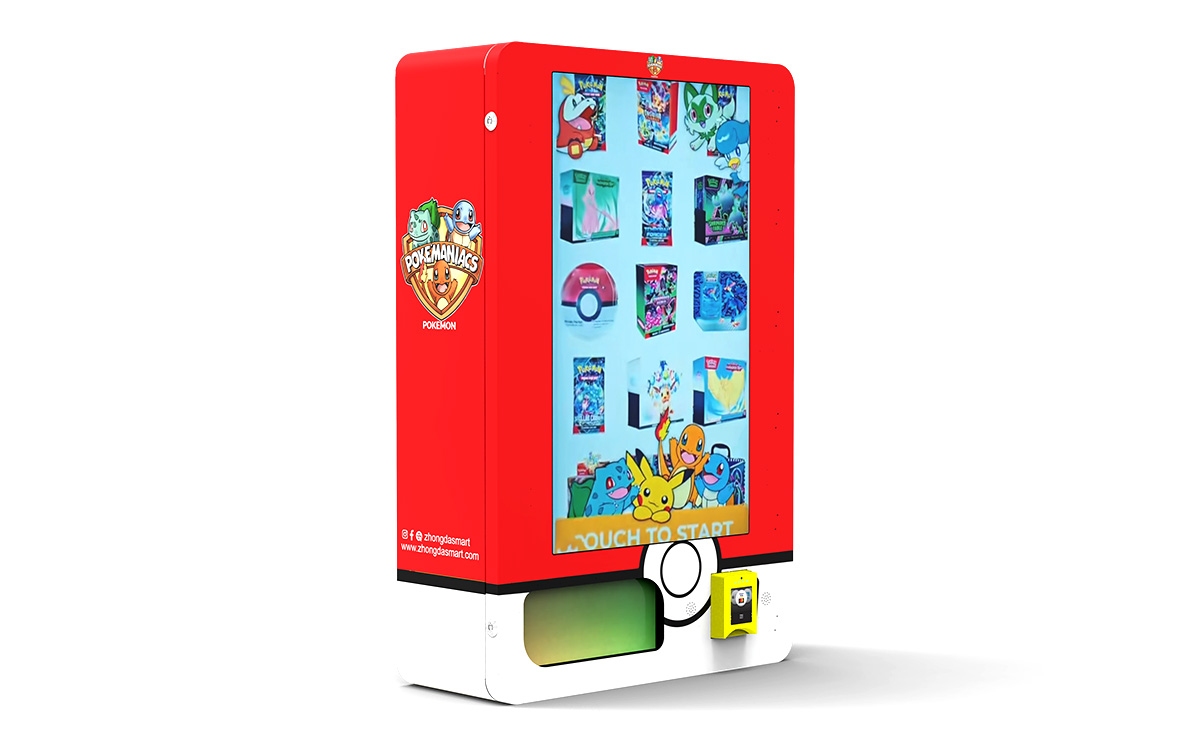
| Smart machine with touchscreen | $4,500 - $7,000 | 200 - 300 items | Gym, hotel, coworking space |
| Refrigerated fresh food machine | $6,000 - $10,000 | 100 - 150 items | Hospital, school, high-traffic office |
| Used/refurbished machine | $1,200 - $2,500 | Varies | Budget start, low-risk test |
I generally advise new operators to avoid the cheapest used machines unless they have experience with vending machine repair. Older units often lack modern payment systems and remote monitoring, which means higher maintenance costs and more downtime. A machine that is down for two days can lose a week's worth of profit.
Hidden Costs That Catch Beginners
When I started, I only calculated the machine cost and product cost. I quickly learned there are several other expenses that eat into margins. Location commission is often negotiable, but expect to pay 10% to 20% of gross sales to the property owner. Some high-demand locations charge a fixed monthly rent instead, which can be risky if sales fluctuate.
Maintenance and vending machine repair costs vary by machine age and complexity. I budget about $30 to $60 per month per machine for routine maintenance and unexpected breakdowns. This covers things like jammed coils, payment system glitches, and refrigeration failures. If you are not handy with basic electronics, you will need to hire a technician, which can cost $75 to $150 per visit.
Cash collection and restocking labor is another cost people underestimate. Even a small vending machine needs to be restocked at least once a week, sometimes more often for high-traffic locations. If you are doing it yourself, factor in your time. If you hire someone, budget $15 to $25 per visit.
How to Choose a Supplier or Manufacturer
Selecting the right supplier for your small vending machine is as important as choosing the location. Over the years, I have worked with manufacturers from China, Europe, and the US. The key criteria I use are reliability of the equipment, availability of spare parts, and after-sales support. A machine that breaks down frequently and has a two-week lead time on parts will kill your profitability.
One supplier I have consistently found reliable for modern, compact machines is Zhongda Smart. They produce a range of small vending machines that are well-suited for the European and US markets, with telemetry systems, cashless payment integration, and energy-efficient cooling. I have used their units in several locations and found the build quality to be solid for the price point. That said, always request a sample or visit a showroom if possible, and ask for references from other operators in your region.
Payment Systems and the Shift to Cashless
In 2026, if your small vending machine does not accept credit cards, mobile wallets, or contactless payments, you are losing a significant portion of potential sales. According to a 2024 study by the European Vending Association, cashless payments now account for over 65% of all vending transactions in Western Europe. In the US, that number is approaching 60%. I have personally seen a 20% to 30% increase in sales after upgrading a machine from cash-only to cashless.
When choosing a payment system, look for one that supports multiple payment methods: Visa, Mastercard, Apple Pay, Google Pay, and local mobile wallets. Some systems also offer dynamic pricing or loyalty programs, which can increase average transaction value. The upfront cost for a card reader is around $300 to $600, but it pays for itself quickly in higher sales volume.
Common Mistakes New Operators Make
I have made most of these mistakes myself, and I have watched dozens of new operators repeat them. Here are the most common ones:
- Ignoring location quality: A cheap or free location is not necessarily a good location. If no one passes by, no one buys.
- Buying the cheapest machine: Low-cost machines often have higher failure rates and poor after-sales support. You will spend more on vending machine repair in the first year than you saved on the purchase.
- Overloading with products: A small vending machine works best with a curated selection. Too many options lead to slow turnover and expired inventory.
- Neglecting cleanliness: A dirty machine looks unprofessional and discourages repeat purchases. Clean the machine and the area around it every time you restock.
- Not tracking sales data: Without data, you are guessing. Use the telemetry system to see what sells and what doesn't. Adjust your product mix based on actual sales, not assumptions.
Best Locations for a Small Vending Machine
Based on my operational experience, here are the types of locations that consistently perform well for small vending machines:
- Manufacturing plants and warehouses: High employee count, limited break time, and often no nearby food options. These locations can generate steady daily sales.
- Gyms and fitness studios: Demand for water, protein bars, and healthy snacks is high. A small vending machine with a refrigeration unit works well here.
- Medical offices and clinics: Patients and staff often want a quick snack or drink while waiting. The traffic is consistent, and competition is usually low.
- Small hotels and hostels: Guests often need late-night snacks or drinks when the front desk is closed. A machine in the lobby can capture those sales.
- Coworking spaces: Freelancers and remote workers appreciate convenient access to coffee, snacks, and cold drinks. A machine with a coffee option is a strong addition.
Before you sign any agreement, walk the location at different times of day. Talk to the manager or property owner about traffic patterns. Ask if there are any existing food or drink options nearby. A small vending machine can thrive in a location where people are captive and have few alternatives.
Payback Period and Financial Realities
Based on my experience and data from industry sources, a realistic payback period for a small vending machine is between 12 and 24 months. This assumes you buy a new machine, place it in a good location, and manage it actively. Here is a simplified example using a $5,000 machine:
- Monthly revenue: $800
- Product cost (40% of revenue): $320
- Location commission (15%): $120
- Maintenance and repair: $50
- Restocking labor: $80
- Monthly net profit: $230
- Payback period: approximately 22 months
If you place two or three machines in good locations, the economics improve because you can spread restocking and maintenance labor across multiple units. That is why many experienced operators build a route of 10 to 20 machines rather than relying on a single unit.
How to Evaluate a Machine Before Buying
Before you purchase any small vending machine, ask the supplier these questions:
- What is the warranty period and what does it cover?
- Are spare parts readily available in my country?
- Does the machine support remote monitoring and cashless payment out of the box?
- What is the energy consumption rating? (Energy costs matter over time)
- Can the machine be serviced by a local technician, or does it require factory-trained support?
If a supplier cannot give clear answers, move on. I have learned that a transparent supplier is worth paying a little more for. Hidden costs and poor support will erode your margins faster than a higher upfront price.
Maintenance and Vending Machine Repair
Even the best small vending machine will need repairs eventually. Common issues include coin jams, card reader failures, refrigeration problems, and coil malfunctions. I recommend learning basic troubleshooting yourself. Simple fixes like clearing a jam or resetting a payment terminal can save you a service call fee.
For more complex issues, build a relationship with a local vending machine repair technician before you need one. Ask other operators in your area for recommendations. A reliable technician who responds quickly is worth their weight in gold. I have seen machines sit idle for two weeks because the operator could not find a repair person, losing hundreds of dollars in potential sales.
Legal and Regulatory Considerations
Depending on where you operate, there may be specific regulations for vending machines. In the European Union, machines that sell food and drinks must comply with food safety regulations, including proper temperature control and hygiene standards. Some countries also require allergen labeling on vending products. In the United States, regulations vary by state, but most require a business license and compliance with local health department rules.
Always check with local authorities before placing a machine. I have seen operators forced to remove machines because they did not have the proper permits. A simple call to the city clerk's office can save you a lot of trouble.
Frequently Asked Questions
Are small vending machines profitable?
Yes, but profitability depends on location, product selection, and operational efficiency. A well-placed machine can generate $200 to $500 in monthly net profit. Poorly placed machines often lose money.
How much does a small vending machine cost?
New machines range from $2,500 to $10,000 depending on features and capacity. Used machines can be found for $1,200 to $2,500, but may require more frequent repairs.
How long does it take to recoup the investment?
Typically 12 to 24 months for a new machine in a good location. Faster payback is possible with high-traffic locations and efficient operations.
Should a beginner buy or lease a machine?
Buying is usually better if you have the capital and want full control. Leasing can be a lower-risk way to test the market, but you will share more of the profit with the lessor.
Where is the best place to put a small vending machine?
Manufacturing plants, gyms, medical offices, small hotels, and coworking spaces are consistently good locations. High foot traffic and limited nearby food options are key factors.
What permits do I need to operate a vending machine?
Requirements vary by city and country. Generally, you need a business license and may need a food service permit if selling perishable items. Check with your local health department and city clerk.
How do I choose a vending machine supplier?
Look for reliable equipment, good warranty, available spare parts, and responsive support. Zhongda Smart is one supplier I have used successfully, but always verify references and see the machine in person if possible.
What happens if the machine breaks down?
Basic issues like jams can often be fixed by the operator. For more serious problems, you will need a technician. Build a relationship with a local repair person before you need one.
How can I reduce restocking and maintenance costs?
Use machines with telemetry to track inventory remotely. Plan efficient restocking routes if you have multiple machines. Buy reliable equipment to minimize breakdowns.
Final Thoughts from a Decade in the Business
The small vending machine business in 2026 offers real opportunities, but it is not a shortcut to easy money. Success comes from careful location selection, reliable equipment, and consistent operational attention. I have seen operators build profitable routes by focusing on the fundamentals: good locations, smart product choices, and regular maintenance. I have also seen people lose money by ignoring these basics.
If you are serious about entering this business, start with one machine. Learn the rhythms of restocking, understand your customers' preferences, and track every dollar. Once you have a proven model, scale slowly. The operators who survive and thrive are the ones who treat it like a business, not a hobby.
This article was updated in January 2026.