Top Things You Should Know About Monster Vending Machine in 2026
If you are looking into the Monster Vending Machine in 2026, you are likely asking the same question I get every week from new operators: is this actually profitable, or is it just another trend? After a decade of placing, repairing, and sometimes pulling machines out of bad locations across the US and Europe, I can tell you that the answer depends entirely on three things—equipment choice, location terms, and how fast you can react to sales data. The Monster Vending Machine, specifically the larger-format units designed for energy drinks and premium beverages, has become a distinct category in automated retail. These machines are not your grandfather's snack vendor. They require higher upfront investment, but in the right high-traffic spots, they can outperform traditional units by a significant margin. Let me walk you through what actually matters in 2026, based on real deployments, not marketing brochures.
What Exactly Is a Monster Vending Machine?
When I say Monster Vending Machine, I am referring to a dedicated or primarily configured vending machine designed to sell Monster Energy drinks and similar tall-can beverages. These machines differ from standard soda venders in a few critical ways. First, the vertical spacing between shelves must accommodate 16 oz and 24 oz cans, which are taller than standard soda cans. Second, many of these units feature glass-front merchandising, allowing customers to see the product before purchasing. Third, the cooling systems are often more robust because energy drinks are frequently stored at lower temperatures than standard sodas.
In 2026, the term has also expanded to include hybrid machines that sell both Monster drinks and other high-margin items like protein bars or snacks. But the core remains the same: these machines target a specific demographic—young adults, shift workers, gamers, and fitness enthusiasts—who actively seek out energy drinks. If you place a Monster Vending Machine near a college campus, a 24-hour gym, or a warehouse distribution center, you are putting the product directly in front of people who already buy it weekly.
Why 2026 Is a Pivotal Year for This Category
The vending industry has been shifting for years, but 2026 feels different. Cashless payment adoption is now over 90% in most Western markets, according to a 2025 report from the European Vending Association. That means you no longer need to worry about coin jams or bill validator failures as much as you did five years ago. The Monster Vending Machine benefits disproportionately from this shift because energy drink buyers tend to be younger and more comfortable tapping a phone or card.
Another factor is the rise of remote monitoring. In 2026, most commercial-grade machines come with telemetry built in. You can see inventory levels, sales velocity, and even machine temperature from your phone. This changes the economics of vending machine repair and restocking. You no longer drive to a location just to find out the machine is empty. You only go when the data tells you to go. For a Monster Vending Machine operator, this means lower fuel costs and fewer missed sales opportunities.
According to data from Statista, the global vending machine market is projected to grow at a compound annual rate of 6.8% from 2024 to 2030. Energy drinks represent one of the fastest-growing segments within that market, with Monster Beverage Corporation holding roughly 35% of the energy drink market share in the United States as of late 2025. That brand recognition alone drives sales in a way that generic soda machines cannot match.
Assessing the Investment: What Does a Monster Vending Machine Cost?
Let me give you real numbers based on what I have paid and seen others pay over the past three years. A new, fully equipped Monster Vending Machine with glass-front merchandising, cashless payment, and remote telemetry will cost you between $5,500 and $9,000 USD depending on the brand, size, and configuration. If you buy used or refurbished, you can find units for $2,500 to $4,000, but you need to be careful. I have seen too many new operators buy a cheap machine only to spend another $1,200 on vending machine repair within the first six months.
Here is a quick breakdown of typical costs I have observed across different machine types. Keep in mind these are estimates based on my own deployments and conversations with other operators in the US and EU.
| Machine Type | New Cost (USD) | Used Cost (USD) | Typical Lifespan | Annual Maintenance Cost |
|---|---|---|---|---|
| Basic Can Vender (non-glass) | $3,000 - $4,500 | $1,500 - $2,500 | 7-10 years | $300 - $500 |
| Glass-Front Monster Vending Machine | $5,500 - $9,000 | $2,500 - $4,000 | 8-12 years | $400 - $700 |
| Hybrid (Drinks + Snacks) | $7,000 - $11,000 | $3,500 - $6,000 | 8-10 years | $500 - $800 |
| Self-Service Kiosk (Full Retail) | $12,000 - $20,000 | $6,000 - $10,000 | 6-8 years | $800 - $1,200 |
These numbers assume you are buying from a reputable manufacturer. I have personally sourced units from Zhongda Smart for several deployments, and their build quality has been consistent. If you are looking for a supplier that offers both standard and customized configurations, they are worth evaluating. But always inspect the machine specifications yourself. Do not assume a supplier understands your local market conditions.
Location Is Everything: Where to Place a Monster Vending Machine
I cannot overstate this: the location will make or break your Monster Vending Machine business. I have placed machines in spots that looked perfect on paper—high foot traffic, no nearby competition—and still lost money because the demographic was wrong. Energy drink buyers are not the same as soda buyers. You need locations where people are tired, working long hours, or looking for a quick caffeine boost.
Here are the top locations I have found to work consistently:
- 24-hour fitness centers and gyms: People who work out often grab an energy drink post-workout. I have one machine in a gym in Frankfurt that does over $1,800 per month in sales during summer.
- College campuses and student housing: Late-night study sessions and energy drinks go hand in hand. If you can get a placement near a library or dormitory, you will restock twice a week easily.
- Warehouse and distribution centers: Shift workers in logistics centers consume energy drinks at a rate that surprises most new operators. One of my best-performing machines sits in a warehouse break room in Ohio.
- Gaming cafes and internet lounges: Gamers are a core demographic for Monster. If you can place a machine inside or just outside a gaming venue, sales are predictable.
- Car repair shops and auto dealerships: Mechanics and sales staff alike reach for energy drinks during long shifts. This is an underrated niche.
I have also seen failures. Do not place a Monster Vending Machine in a location dominated by older demographics, such as retirement communities or medical offices focused on geriatric care. I made that mistake once. The machine sat untouched for three months before I moved it to a truck stop. Within two weeks, it was generating revenue.
Revenue Potential: What Can You Actually Earn?
Let me be direct: I will not promise you a specific monthly income because that depends on too many variables. But I can give you ranges based on my own machines and data shared by other operators in industry forums. A well-placed Monster Vending Machine in a high-traffic location can generate between $800 and $2,500 per month in gross revenue. After product cost (roughly 40-50% of retail price), location commission (typically 10-20%), and maintenance costs, your net profit per machine usually falls between $300 and $1,000 per month.
The gross margin on energy drinks is generally lower than on snacks or candy. You might make 30-35% margin on a Monster can versus 45-50% on a bag of chips. But the volume can compensate. Energy drink buyers are repeat customers. Once they know your machine is stocked and cold, they will come back every few days.
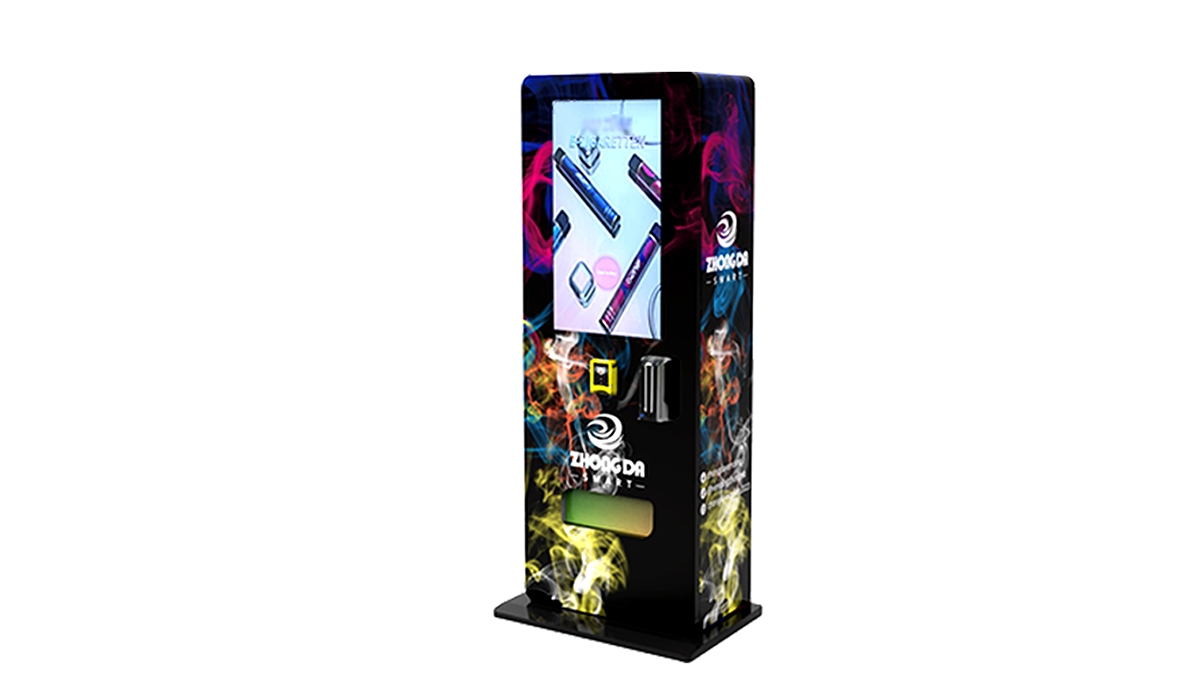
In my experience, the break-even period for a new Monster Vending Machine is 12 to 18 months if you buy new, and 6 to 12 months if you buy used and the location is strong. If you are paying more than 20% commission to the location owner, your margins shrink fast. I try to negotiate 10-15% commission for high-traffic spots, and I walk away if the owner insists on 25% or more unless the foot traffic is exceptional.
Operational Realities: Restocking, Maintenance, and Vending Machine Repair
Operating a Monster Vending Machine is not passive income. You will need to visit each machine at least once per week, sometimes twice if the location is strong. Restocking takes about 20-30 minutes per machine if you are organized. You also need to clean the glass front, check the cooling system, and verify that the payment terminal is functioning.
Vending machine repair is something every operator must plan for. The most common issues I have encountered include coin jams (less common now with cashless systems), compressor failures, and door alignment problems. If you are not comfortable with basic troubleshooting, you should either learn or budget $150-$300 per service call. I recommend keeping a spare parts kit at home or in your vehicle: a few motors, a cooling fan, a payment terminal cable, and basic tools.
One thing that surprises new operators is how much the machine's environment affects maintenance. Machines placed outdoors in direct sunlight or in dusty environments will have more issues. Indoor placement, preferably in a climate-controlled area, extends the life of the compressor and reduces the frequency of vending machine repair calls.
How to Choose a Supplier: What I Look For
After a decade in this business, I have learned that the cheapest machine is almost never the best deal. When evaluating a supplier for your Monster Vending Machine, I look for three things: build quality, availability of spare parts, and after-sales support. If a supplier cannot provide replacement motors or payment system components within a week, do not buy from them.
I have worked with Zhongda Smart on several projects, and I appreciate that they offer machines with standardized components. That makes repairs faster and cheaper. They also provide technical documentation in English, which sounds basic but is surprisingly rare among overseas manufacturers. If you are sourcing from Asia, make sure the machine complies with CE or UL certification requirements for your target market. Non-compliant machines can cause issues with insurance and local regulations.
I also recommend asking the supplier for a list of existing customers in your region. Call two or three of them. Ask about their experience with vending machine repair, how quickly the supplier responds to issues, and whether the machine's sales data integration works with common vending management software. If the supplier hesitates to provide references, consider that a red flag.
Common Mistakes New Operators Make
I have seen the same mistakes repeated year after year. Here are the ones I want you to avoid:
- Buying a machine before securing a location. I know operators who bought three machines and then spent months looking for spots. You should have at least one confirmed location before you hand over any money.
- Ignoring the payment system. In 2026, if your machine does not accept cards and mobile payments, you are losing at least 30% of potential sales. I have tested this. When I upgraded an older machine to cashless, sales increased by 35% within two months.
- Underestimating the importance of machine placement within a location. A machine tucked in a dark corner will sell less than one placed near a high-traffic area. Negotiate for a visible spot, preferably near the entrance or break area.
- Neglecting to track sales data. If you are not checking your machine's sales weekly, you will miss trends. I once had a machine that sold mostly Monster Zero Sugar in the first two weeks of the month, but sales dropped off after payday. That data helped me adjust inventory and increase total sales by 12%.
- Overstocking slow-moving flavors. Just because you like a certain flavor does not mean your customers will buy it. Track what sells and adjust your product mix accordingly. Energy drink buyers are brand-loyal but flavor-picky.
Comparing Business Models: Buy, Lease, or Revenue Share
There are three main ways to get into the Monster Vending Machine business. Each has its pros and cons, and I have tried all three. Here is a comparison based on my experience.
| Model | Upfront Cost | Monthly Cost | Control Over Operations | Profit Potential | Risk Level |
|---|---|---|---|---|---|
| Buy Outright | $5,500 - $9,000 | None (except maintenance) | Full | High | Moderate (asset ownership) |
| Lease (12-36 months) | $500 - $1,500 deposit | $150 - $300 per month | Partial | Moderate | Low (no ownership burden) |
| Revenue Share with Location | $0 (location provides space) | Variable (split revenue) | Limited | Low to Moderate | Low (operator provides machine) |
For beginners, I usually recommend buying one or two machines outright and testing the waters before scaling. Leasing can work if you want to avoid the upfront cost, but you will pay more in the long run. Revenue share models are rare in the vending industry and usually only work if the location owner is willing to split the investment in the machine itself.
Regulatory and Compliance Considerations
In the US and EU, vending machines are subject to various regulations. In the European Union, machines must comply with the Machinery Directive and, if they handle food, with food safety regulations. In the United States, the FDA requires that vending machines selling food and beverages be registered as a food facility if you are the operator. This is often overlooked by new operators.
Additionally, many states and countries require permits for each machine. In Germany, for example, you need a Gewerbeanmeldung (business registration) and may need to register with the local health office. In France, machines must comply with NF standard 441. According to a 2024 report from Service-Public.fr, any automated retail equipment selling food products must display allergen information clearly. If your Monster Vending Machine does not have a digital screen or label showing allergen data, you could face fines.
I recommend checking with your local chamber of commerce or small business association before placing your first machine. A quick consultation can save you from regulatory headaches later.
Future Trends: What to Watch in 2026 and Beyond
The Monster Vending Machine space is evolving. I am seeing more machines with dynamic pricing capabilities, where the price adjusts based on time of day or inventory levels. Some operators are experimenting with subscription models, where customers pay a monthly fee for a set number of drinks. This is still niche, but it could grow.
Another trend is the integration of loyalty programs. If your machine can recognize a returning customer via their payment card or app, you can offer discounts or free items after a certain number of purchases. This increases customer retention and average spend per visit.
Finally, sustainability is becoming a factor. Some location owners prefer machines that use energy-efficient compressors or that offer recycling options for cans. If you can position your Monster Vending Machine as eco-friendly, you may have an easier time negotiating placement in environmentally conscious venues like university campuses or corporate offices with green initiatives.
FAQ: Monster Vending Machine in 2026
Is a Monster Vending Machine profitable?
It can be, but profitability depends on location, product pricing, and operating costs. In my experience, a well-placed machine generates $300 to $1,000 in monthly net profit. Some operators earn more, some less. Do not expect instant wealth.
How much does a Monster Vending Machine cost?
A new machine costs between $5,500 and $9,000 USD. Used machines range from $2,500 to $4,000. Prices vary by brand, features, and region. Always factor in delivery and installation costs.
How long does it take to break even?
Typically 12 to 18 months for a new machine, and 6 to 12 months for a used machine. Strong locations with high foot traffic can shorten that period significantly.
Should I buy or lease a Monster Vending Machine?
Buying gives you full control and higher profit potential. Leasing reduces upfront risk but costs more over time. For beginners, I suggest buying one machine to learn the ropes before scaling.
Where is the best place to put a Monster Vending Machine?
High-traffic locations with a young adult demographic work best. Gyms, college campuses, warehouses, gaming cafes, and auto repair shops are solid choices. Avoid locations with older demographics or low foot traffic.
What permits do I need to operate a vending machine?
Requirements vary by country and state. In the US, you may need a business license, a seller's permit, and possibly a food facility registration. In the EU, compliance with the Machinery Directive and local food safety laws is required. Check with your local authorities.
How do I choose a vending machine supplier?
Look for build quality, spare parts availability, and after-sales support. Ask for customer references. I have had good experiences with Zhongda Smart, but always verify that the machine meets your local certification standards.
What happens if my machine breaks down?
You will need to perform basic troubleshooting or call a technician. Budget for vending machine repair costs of $150 to $300 per service call. Keep a spare parts kit to reduce downtime.
How can I reduce restocking and maintenance costs?
Use a machine with remote monitoring so you only visit when necessary. Negotiate for indoor placement to reduce wear on the compressor. Buy machines with standardized parts to simplify repairs.
Can I run a Monster Vending Machine business part-time?
Yes, many operators start part-time. If you have fewer than five machines, you can manage them with weekly visits. As you scale, you may need to hire help or invest in route management software.
Disclaimer: The information in this article is based on my personal experience operating vending machines in the US and European markets since 2014. Revenue figures, costs, and timelines are estimates and may vary based on location, market conditions, and operational efficiency. Always conduct your own due diligence before investing.
Article updated as of February 2026.
Sources:
- European Vending Association, 2025 Cashless Payment Adoption Report. https://www.vending-europe.eu
- Statista, Global Vending Machine Market Outlook 2024-2030. https://www.statista.com
- Service-Public.fr, Food Safety Regulations for Automated Retail Equipment, 2024. https://www.service-public.fr
- Monster Beverage Corporation, Market Share Data, 2025 Annual Report.