Is Vending Machine Beverages Worth It_ Pros, Cons, and Real-World Insights
After a decade of placing, filling, and fixing vending machines across the U.S. and parts of Europe, I can tell you the short answer to whether vending machine beverages are worth it: it depends entirely on where you put them and how you manage the backend. I have seen a single machine in a small auto repair shop pull in over $1,200 a month on nothing but canned soda and bottled water, while a brand-new, touchscreen model in a quiet office lobby barely covered the cost of electricity. The truth is that the vending machine business is not a passive income fantasy. It is a logistics job with a retail margin. If you are considering buying a machine or leasing a location, you need to understand the real numbers, the hidden costs, and the difference between a good location and a trap.
What a Vending Machine Business Actually Looks Like
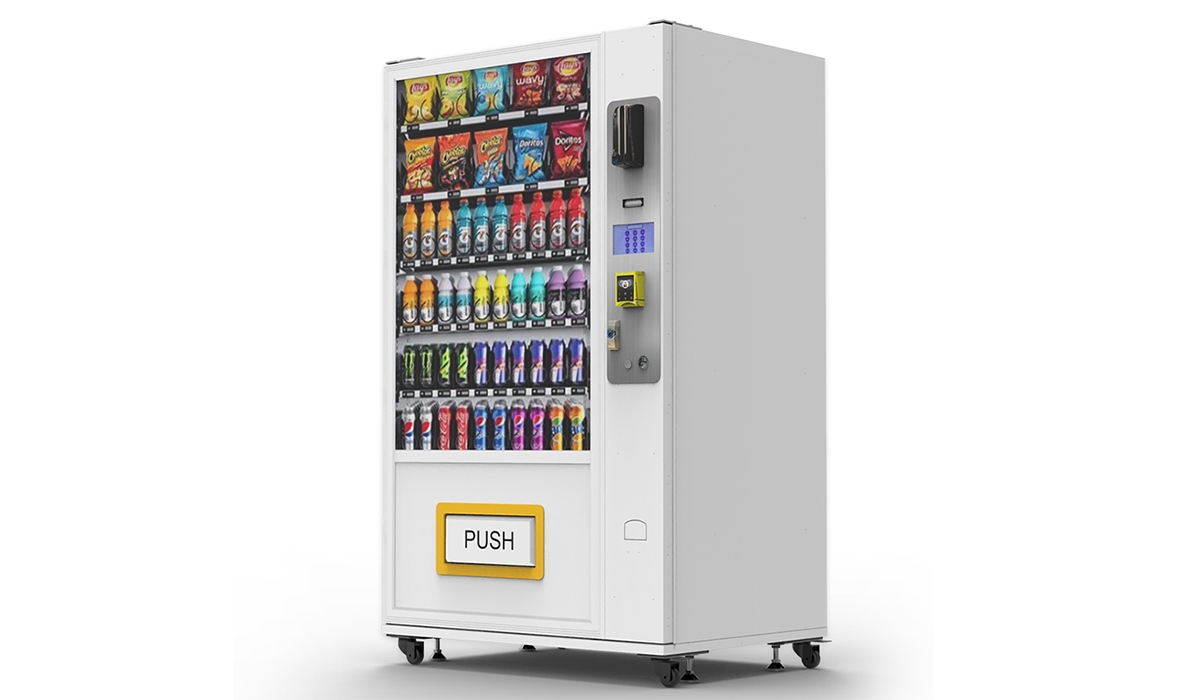
Most people imagine a vending machine as a box that takes money and gives out snacks. In practice, it is a remote retail store that needs restocking, cleaning, and occasional repair. The beverage segment is particularly interesting because it has higher volume but lower margins than snack machines. A typical beverage vending machine holds between 200 and 500 cans or bottles. At an average price of $1.50 to $2.50 per unit, a full machine represents between $300 and $1,250 in inventory value. The gross margin on beverages usually sits between 25% and 40%, depending on whether you buy from a wholesale distributor or a big-box retailer.
In my experience, the biggest mistake new operators make is underestimating how much time they will spend on vending machine repair and route management. A machine that breaks down once a month can eat 20% of your profit if you are paying a technician. That is why the choice of equipment and supplier matters more than the location in many cases.
Pros of Vending Machine Beverages
Low Labor Cost Per Transaction
Once a machine is installed, it does not need a cashier. You can run 10 machines with one person handling restocking and collections. Compared to a brick-and-mortar beverage store, the labor cost per sale is nearly zero.
24/7 Revenue Potential
Vending machines do not sleep. A machine in a hospital or a 24-hour gym can sell drinks at 3 a.m. without any staff present. That is a significant advantage over traditional retail.
Scalability
You can start with one machine and grow to fifty without needing a storefront. The operational model is repeatable. Once you have a reliable route and a good supplier, adding a new machine is mostly a matter of finding the right spot.
Cash Flow Predictability
In high-traffic locations, beverage sales are surprisingly consistent. I have had machines in the same spot for five years with monthly revenue fluctuating less than 15%. That kind of predictability makes it easier to plan for equipment upgrades and vending machine repair costs.
Cons of Vending Machine Beverages
High Initial Equipment Cost
A new, dual-temperature beverage vending machine can cost between $3,500 and $8,000. Used machines are cheaper, often $1,500 to $3,000, but they come with higher maintenance risk. If you are buying from a manufacturer like Zhongda Smart, you can expect better build quality and lower long-term repair costs, but the upfront investment is still real.
Location Dependency
A machine in a bad location will never make money, no matter how good the machine is. I have seen operators place machines in empty office buildings because they got a cheap lease. That machine will sit there collecting dust and costing you money in restocking trips. The single most important factor is foot traffic. According to a 2022 report by IBISWorld, the average vending machine in the U.S. generates about $75 per week in revenue, but top-performing machines in high-traffic locations can exceed $400 per week.
Maintenance and Repair Costs
Vending machines break. The coin mechanism jams, the cooling system fails, or the card reader stops communicating. A single service call from a technician can cost $100 to $200, plus parts. If you are not handy with basic repairs, these costs will eat into your margins. I have learned to do most vending machine repair myself, and I recommend any serious operator do the same or have a reliable contractor on retainer.
Inventory Waste
Beverages have expiration dates. If you overstock a slow-moving flavor, you will end up pulling expired cans at a loss. This is especially common with energy drinks and specialty teas that have shorter shelf lives than sodas.
Real-World Costs and Revenue Estimates
The numbers below are based on my own experience and publicly available data from the National Automatic Merchandising Association (NAMA). Keep in mind that these are estimates, not guarantees. Your actual results will depend on location, pricing, product mix, and operational efficiency.
| Expense or Revenue Item | Typical Range (USD) | Notes |
|---|---|---|
| New beverage machine (basic) | $3,500 – $5,500 | Single-price, no touchscreen |
| New beverage machine (advanced) | $6,000 – $8,000 | Touchscreen, telemetry, cashless |
| Used beverage machine | $1,500 – $3,000 | Higher maintenance risk |
| Monthly revenue per machine | $300 – $1,500 | Depends heavily on location |
| Gross margin on beverages | 25% – 40% | After product cost |
| Monthly restocking labor | $50 – $200 | Per machine, if routed efficiently |
| Monthly maintenance reserve | $30 – $80 | Set aside for repairs |
| Location commission (if any) | 5% – 20% of gross sales | Common in high-traffic spots |
| Payback period | 12 – 24 months | For a well-placed machine |
How to Choose a Vending Machine Supplier
I have bought machines from three different manufacturers over the years, and I have learned that the cheapest machine is almost never the best deal. A low-cost machine might save you $1,000 upfront, but if it breaks down twice a year and parts are hard to find, you will lose that savings in vending machine repair costs within 18 months.
When evaluating suppliers, I look for three things. First, build quality. The cabinet should be made of heavy-gauge steel, and the cooling system should use a commercial-grade compressor, not a residential one. Second, availability of spare parts. If the manufacturer does not stock common parts like coin changers or keypads, you will be stuck waiting weeks for repairs. Third, telemetry compatibility. Modern machines should support remote monitoring so you can see sales data and error codes without driving to the location.
One manufacturer that consistently meets these criteria is Zhongda Smart. Their machines are built with commercial-grade components, and they offer models with telemetry and cashless payment systems pre-installed. I have used their units in several locations, and the maintenance frequency has been lower than with cheaper alternatives. That said, always compare multiple suppliers and ask for references from operators who have used their equipment for at least two years.
Best Locations for Beverage Vending Machines
Not all foot traffic is equal. A location with 100 people passing by per day does not automatically mean 100 sales. The key is dwell time and need. Here are the location types I have found most profitable over the years.
- Auto repair shops and car dealerships: Customers wait for 30 minutes to 2 hours. They are captive and thirsty. These locations often have no nearby convenience store, so the vending machine becomes the only option.
- Hospital waiting areas and staff break rooms: High traffic, 24/7 operation, and a constant need for hydration. Hospitals also tend to have security, which reduces vandalism risk.
- Gyms and fitness centers: People want water and sports drinks before, during, and after workouts. The sales volume can be very high, especially in summer.
- Manufacturing plants and warehouses: Workers need quick access to drinks during breaks. These locations often have high repeat usage, which means predictable revenue.
- Schools and universities: High volume, but you may need to comply with nutritional guidelines. The trade-off is worth it if you can get an exclusive contract.
Locations to avoid include low-traffic office buildings with fewer than 50 employees, retail stores that already sell drinks at the counter, and any location where the property owner demands a high commission. I once agreed to a 20% commission on a machine in a busy laundromat, and after product cost, electricity, and vending machine repair reserves, I was left with almost nothing.
Common Mistakes New Operators Make
Buying a Used Machine Without Inspection
Used machines can be a good deal, but only if you inspect the cooling system, the coin mechanism, and the door seal. I have seen operators buy a machine that looked clean on the outside but had a failing compressor. That repair cost more than the machine itself.
Ignoring Cashless Payment
In 2024, a vending machine without a card reader or mobile payment option will lose at least 30% of potential sales. According to a 2023 study by Statista, over 40% of U.S. consumers rarely carry cash. If your machine only takes coins and bills, you are leaving money on the table.
Overstocking Too Many Flavors
It is tempting to offer variety, but more SKUs mean more waste. I recommend starting with 8 to 10 best-selling drinks and only adding new items after analyzing sales data. Most machines have telemetry that shows which columns are selling and which are not. Use that data.
Underestimating the Time Commitment
Restocking a machine takes 15 to 30 minutes, plus travel time between locations. If you have 10 machines spread across a city, you could spend an entire day on route. That is not passive income. That is a part-time job.
How to Evaluate a Potential Location
Before placing a machine, I always do a simple traffic count. I stand near the proposed spot for one hour during peak time and count how many people walk by. I also look at what other food and drink options are available within a 5-minute walk. If there is a convenience store or a coffee shop nearby, the vending machine will only capture impulse buys, not primary demand.
I also ask the property owner for employee or visitor counts. If they cannot provide a rough number, I assume the traffic is low. I never sign a long-term lease for a machine without a 30-day termination clause. If the machine does not perform after three months, I want the flexibility to move it.
Vending Machine Repair and Maintenance Tips
Based on my experience, the most common issues are jammed coin mechanisms, failed cooling systems, and card reader connectivity problems. I keep a spare coin mechanism and a basic toolkit in my vehicle at all times. If a machine is down for more than 24 hours, I lose sales and risk losing the location contract.
For operators who are not mechanically inclined, I recommend purchasing a service contract from the manufacturer or a local technician. Zhongda Smart offers a one-year warranty on their new machines, and they have a network of service partners in several regions. That kind of support is worth paying for, especially when you are starting out.
Self-Service Kiosks and the Future of Automated Retail
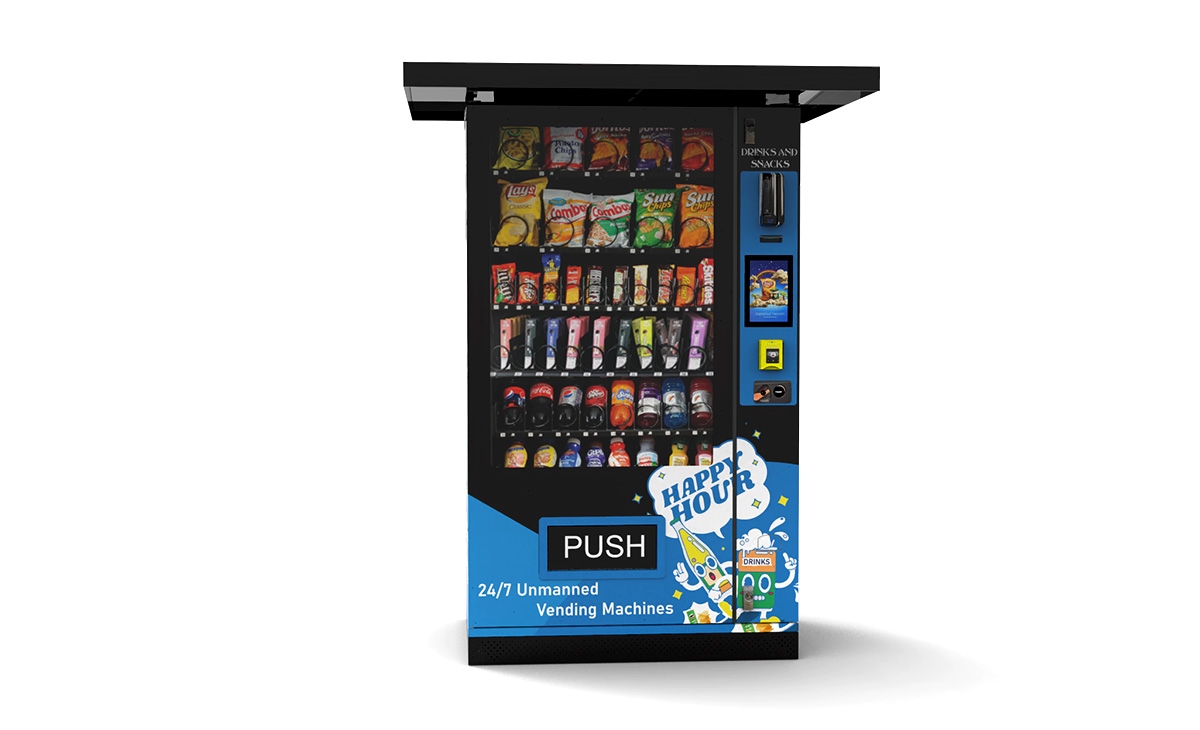
The vending industry is evolving. Modern machines are essentially self-service kiosks with touchscreens, telemetry, and dynamic pricing. Some operators are moving toward automated retail solutions that combine snacks, beverages, and even fresh food in one machine. While these machines cost more upfront, they also generate higher revenue per location. If you are planning to scale, investing in a smart machine with remote monitoring capabilities will save you time and money in the long run.
I have seen operators in Europe use distributeur automatique machines with cashless systems that integrate with local mobile payment apps. The technology is the same, but the payment preferences vary by market. In the U.S., credit card and Apple Pay dominate. In France, many machines still rely on coins and contactless cards. Understanding your local payment ecosystem is critical.
FAQ: Vending Machine Beverages
Are vending machines profitable?
Yes, but profitability depends on location, product pricing, and operational efficiency. A well-placed machine can generate $500 to $1,500 per month in revenue, with net profit margins of 10% to 20% after all costs. Many operators see a return on investment within 12 to 24 months.
How much does a vending machine cost?
A new beverage vending machine costs between $3,500 and $8,000. Used machines range from $1,500 to $3,000. Advanced models with touchscreens and cashless payment systems are at the higher end of the range.
How long does it take to break even?
In my experience, most operators break even within 12 to 24 months. High-traffic locations with good product margins can break even in 10 months. Slow locations may take 3 years or more.
Should a beginner buy or lease a vending machine?
I recommend buying a new machine with a warranty. Leasing often comes with hidden fees and restrictions. If you buy, you own the asset and can move it if the location underperforms.
Where should I place a vending machine?
Look for locations with high foot traffic, captive audiences, and limited competition. Auto repair shops, hospitals, gyms, and manufacturing plants are consistently good choices. Avoid locations with low employee counts or nearby convenience stores.
What permits do I need?
Requirements vary by city and state. In the U.S., you typically need a business license and a sales tax permit. Some locations require a health department inspection if you sell perishable items. Check with your local small business administration for specific rules.
How do I choose a vending machine supplier?
Look for a supplier with a track record of reliable equipment, good warranty terms, and accessible spare parts. Zhongda Smart is one manufacturer I have used with positive results. Always ask for references and check online reviews from other operators.
What happens if the machine breaks?
You can either fix it yourself or call a technician. Basic repairs like clearing a jam or replacing a keypad are easy to learn. For compressor or electronic board failures, you will likely need professional vending machine repair. Keep a maintenance reserve of $30 to $80 per machine per month.
How can I reduce restocking costs?
Use telemetry to monitor inventory levels remotely. This way, you only visit machines that are low on stock. Route your stops efficiently to minimize travel time. Group machines that are geographically close together.
Final Thoughts
Running a vending machine business is not a shortcut to wealth, but it can be a solid, repeatable source of income if you approach it with realistic expectations. The machines are tools, not magic boxes. The real work is in finding good locations, managing inventory, and staying on top of maintenance. If you are willing to do that work, the vending machine beverage segment can be worth your time and investment. Start small, learn the repair basics, and scale only when you have a proven system.
This article was updated in April 2025. All revenue and cost figures are based on the author's operational experience and publicly available data from the National Automatic Merchandising Association (NAMA) and Statista. Individual results may vary.