How to Choose the Right Bevmax Vending Machine_ Complete Beginner's Guide
If you are reading this, you are likely considering whether a Bevmax vending machine is the right investment for your business or location. After spending over a decade in the automated retail space across the US and Europe, I can tell you that the decision is rarely about the machine itself—it is about matching the equipment to the specific sales environment. The right vending machine can generate steady passive income, but the wrong one will drain your time and capital. This guide is built on real operational experience, not theory. I will walk you through how to choose the right Bevmax vending machine, covering everything from upfront costs and placement strategy to maintenance realities and supplier selection. By the end, you should have a clear framework for making a sound purchasing decision.
Understanding the Bevmax Vending Machine Landscape
The term "Bevmax" often gets thrown around generically, but it specifically refers to a category of automated retail equipment designed for bottled and canned beverages. These machines are not one-size-fits-all. Some are designed for high-traffic public spaces, while others are built for low-volume employee break rooms. The key is understanding the hardware differences and how they impact your daily operations.
In my early years, I made the mistake of purchasing a high-capacity, glass-front machine for a small office location. The machine was overkill. It took up valuable floor space, and the refrigeration unit struggled to maintain temperature because the location was small and poorly insulated. I learned quickly that a smaller, more energy-efficient model would have served that site better and saved me money on electricity and repairs.
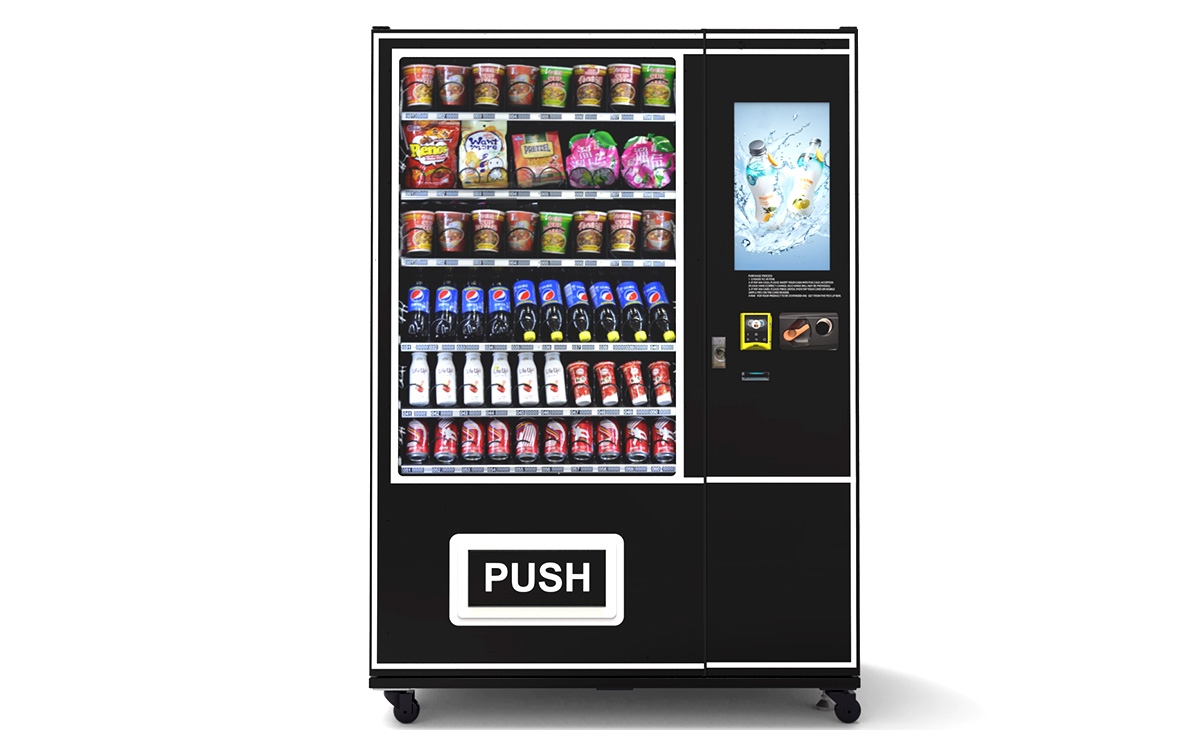
When evaluating a Bevmax vending machine, you are essentially looking at a refrigerated self-service kiosk. The core components are the refrigeration system, the payment interface, the inventory columns, and the control board. Each of these components has a direct impact on your long-term costs and revenue potential.
Key Components to Evaluate
Refrigeration System: This is the heart of any beverage machine. A poorly designed cooling system will lead to warm products, customer complaints, and high energy bills. Look for machines with sealed, energy-efficient compressors. I prefer units that use R290 refrigerant, as it is more environmentally friendly and often runs cooler. In Europe, machines must comply with F-Gas regulations, so check the label. A machine that runs 24/7 in a hot warehouse will need a more robust system than one in an air-conditioned lobby.
Payment Systems: In 2024, cash-only is a death sentence for most locations. A modern Bevmax vending machine must support credit cards, NFC (Apple Pay, Google Pay), and ideally mobile app payments. I have seen locations where adding a card reader increased sales by over 40%. The payment system should also support cashless vending for high-value items. Ensure the machine you choose has a field-upgradeable payment terminal. You do not want to replace the entire door just to add a newer card reader.
Inventory Columns and Delivery Mechanism: Some machines use a helical coil system, while others use a belt or shuttle system. Coil systems are reliable for standard cans and bottles but can jam with irregularly shaped containers. Belt systems are gentler on products but more expensive to repair. For a beginner, a standard coil system with adjustable spacing is often the most practical choice. It is easier to troubleshoot and parts are widely available.
Control Board and Telemetry: Modern machines come with a control board that tracks sales, inventory levels, and error codes. Some offer remote telemetry, which allows you to check stock levels from your phone. This feature is not a luxury; it is a necessity if you plan to run more than a few machines. Without telemetry, you will drive to a location only to find the machine is full, wasting fuel and time. I recommend paying extra for a machine with built-in DEX or MDB telemetry capabilities.
Cost Analysis: What You Are Really Paying For
One of the most common questions I get is, "How much does a Bevmax vending machine cost?" The answer is not simple because the price varies significantly based on configuration, age, and supplier. Based on my experience purchasing and sourcing equipment for operators across the US and EU, here is a realistic breakdown.
| Machine Type / Configuration | Estimated Cost (USD) | Estimated Cost (EUR) | Typical Use Case |
|---|---|---|---|
| Used, basic model (cash only, no telemetry) | $1,500 - $3,000 | €1,400 - €2,800 | Low-traffic break rooms, backup unit |
| New, standard model (card reader, basic telemetry) | $4,500 - $7,000 | €4,200 - €6,500 | Mid-size offices, small retail |
| New, premium model (large screen, advanced telemetry, multi-pricing) | $8,000 - $12,000 | €7,500 - €11,000 | High-traffic public areas, university campuses |
| Refurbished from reputable supplier (like Zhongda Smart) | $3,000 - $5,500 | €2,800 - €5,100 | Best value for beginners, balanced risk |
These prices are based on my own purchasing records and conversations with suppliers over the last three years. They do not include shipping, installation, or first inventory. A common mistake new operators make is only budgeting for the machine. You should budget an additional 20-30% for installation, signage, and initial stock.
Hidden Costs That Eat Into Margins
The machine price is just the beginning. Here are costs that caught me off guard when I started.
Location Commission: If you place a machine on private property (a factory, a gym, a school), the property owner will often ask for a commission. This is typically 10-25% of gross sales. In some high-demand locations, it can be higher. Always negotiate this upfront and get it in writing. I have seen operators lose money because they agreed to a 30% commission without calculating their product margin.
Electricity: A refrigerated vending machine runs 24/7. Depending on local electricity rates, this can cost $30 to $80 per month per machine. In Europe, where energy costs are higher, this is a significant factor. I have had to pull machines from locations where the electricity cost ate up 15% of revenue.
Maintenance and Repair: This is the most underestimated cost. A vending machine repair call can cost $100 to $300 just for a technician to show up, plus parts. Common issues include jammed products, faulty coin mechanisms, and refrigeration failures. I recommend setting aside $50 per machine per month for a maintenance fund. If you run 10 machines, that is $500 a month set aside for repairs.
Inventory Shrinkage: Products expire, cans get dented, and sometimes people find ways to tamper with the machine. Expect a 1-3% loss rate on inventory. This is normal and should be factored into your pricing.
Location Analysis: The Single Most Important Decision
I have seen a brand new Bevmax vending machine fail because it was placed in a location with 50 people passing by daily. I have seen a 10-year-old beat-up machine generate $2,000 a month because it was in a busy warehouse with 500 employees. The machine is just a tool. The location is the business.
When evaluating a location, I use a simple traffic and conversion model. You need to estimate the number of potential customers passing the machine each day, then estimate what percentage will actually buy something. For a beverage machine in a workplace, a 10-15% conversion rate is reasonable. In a public transit hub, it might be lower (5-8%) but the volume is higher.
Here is a rough calculation I use for a workplace location:
- Foot traffic: 200 employees per shift
- Conversion rate: 12%
- Average transaction: $1.75 (one drink)
- Daily revenue: 200 x 0.12 x $1.75 = $42
- Monthly revenue (22 working days): $924
If your margin is 40% after product cost and commission, you are looking at about $370 per month gross profit. After electricity and maintenance, you might net $250. That machine would pay for itself in about 18-24 months. That is a decent return, but not a home run.
Best Locations for a Beverage Machine
Based on my experience and data from industry reports, here are the top-performing location types for a beverage vending machine.
- Manufacturing and Warehouse Facilities: These are gold mines. Employees are often on their feet, working hard, and need hydration. They are also a captive audience with limited options. I have machines in factories that do $1,500+ per month.
- Gyms and Fitness Centers: High demand for water and sports drinks. The key is to stock cold products. A machine that is not cold will fail here.
- Schools and Universities: High volume, but margins can be lower due to competitive pricing. You also need to be aware of local regulations regarding sugar taxes or healthy vending options. In the UK, the Soft Drinks Industry Levy has impacted product selection.
- Hospital Waiting Rooms and Staff Areas: Consistent traffic, but often lower conversion rates because people are not always carrying cash or cards. Cashless payment is essential here.
- Retail and Shopping Centers: High foot traffic, but also high competition. You need a machine that looks modern and is well-lit. A machine with a glass front and digital screen can attract attention.
Locations to Avoid
I have learned these the hard way.
- Low-traffic offices with fewer than 30 employees: The volume is simply too low to justify the machine and maintenance.
- Locations with free alternatives: If the break room has a free water cooler and a coffee machine, your beverage machine will struggle. You need a location where people are willing to pay for convenience and cold drinks.
- Outdoor locations with extreme temperatures: Unless you have a machine specifically rated for outdoor use (with a heavy-duty refrigeration system and weatherproofing), the machine will fail. I had a machine in a covered outdoor parking lot in Texas. The compressor died within 18 months because it could not keep up with the heat.
Selecting a Supplier: What to Look For
You can buy a Bevmax vending machine from a manufacturer directly, a distributor, or a reseller of used equipment. Each has pros and cons. Based on my experience, the most important factor is after-sales support. A machine will break. When it does, you need to be able to get parts and technical support quickly.
When I started, I bought a used machine from a local reseller. It was cheap, but when the compressor failed, the reseller did not have the part and could not tell me the model number. I spent weeks searching forums for a replacement. That experience taught me to prioritize suppliers who offer documentation and spare parts availability.
For beginners, I recommend looking at suppliers who offer refurbished or new machines with a warranty. One supplier I have worked with on several projects is Zhongda Smart. They provide a range of automated retail solutions, including beverage machines, and they are known for offering good documentation and spare parts support. They also offer machines with modern payment systems pre-installed, which saves you the headache of retrofitting. I am not saying you must buy from them, but if you are comparing suppliers, put them on your list and ask about their warranty terms and spare parts availability.
Here are the criteria I use to evaluate a vending machine supplier:
- Warranty: A minimum of 1 year on the refrigeration system and control board.
- Parts Availability: Can you order a new compressor, a control board, or a coin mechanism directly from them? Do they have a parts catalog?
- Technical Support: Do they have a phone number or email that responds within 24 hours? I have had to wait weeks for a reply from some Chinese manufacturers.
- Payment System Integration: Do they offer machines with Nayax, Cantaloupe, or USI payment systems? These are the industry standards in the US and Europe.
- Customization: Can they add your branding or configure the machine for specific product sizes?
Operational Realities: Maintenance, Restocking, and Data
Owning a Bevmax vending machine is not passive income. It is active income that requires consistent work. I spend about 2-3 hours per machine per month on restocking and maintenance. This includes driving to the location, cleaning the machine, checking for expired products, and running a sales report.
Restocking frequency depends on the location. A high-volume machine might need to be restocked twice a week. A low-volume office machine might only need restocking every two weeks. I use a simple rule: restock when the machine is about 40% empty. If you wait until it is completely empty, you lose sales and frustrate customers.
One of the most valuable tools I have is sales data. Modern machines with telemetry allow you to see exactly which products sell and at what time of day. I have used this data to remove slow-moving products and replace them with higher-margin items. For example, I noticed that a machine in a warehouse sold more Gatorade in the afternoon than in the morning. I adjusted the inventory to have more Gatorade stocked in the afternoon, and sales increased by 8%.
According to a report by the National Automatic Merchandising Association (NAMA), the average vending machine in the US generates about $75 to $100 per week in revenue. This is a general figure. I have machines that do $200 per week and machines that do $30 per week. The variance is huge. Do not rely on averages to make your decision. Base your projections on the specific location you are targeting.
According to data from Statista, the global vending machine market was valued at approximately $15.6 billion in 2023, with beverage machines accounting for a significant portion. This growth is driven by increasing demand for convenience and contactless payment options.
Common Beginner Mistakes and How to Avoid Them
I have made most of these mistakes myself, and I have seen countless other operators repeat them.
Mistake 1: Buying a machine before securing a location. This is the number one mistake. You buy a machine, then you scramble to find a place to put it. You end up accepting a bad location because you need to start generating revenue. Always secure the location first, then buy the machine.
Mistake 2: Ignoring the payment system. I already mentioned this, but it bears repeating. A machine without a card reader will miss out on a significant portion of sales. In a study I read from the Vending Times, locations that added cashless payment saw an average sales increase of 15-30%. Do not skimp on this.
Mistake 3: Overstocking slow-moving products. You might think that stocking 20 different flavors of soda is a good idea. In reality, 80% of your sales will come from 20% of your products. Focus on the top sellers: Coke, Diet Coke, water, and a few sports drinks. Do not fill a machine with niche products that will expire.
Mistake 4: Not having a service plan. When the machine breaks down, do you have a technician you can call? If not, you will lose revenue for days or weeks. I have a contract with a local vending machine repair company for emergency calls. It costs me a retainer fee, but it is worth it to avoid losing a location.
Mistake 5: Underestimating the importance of cleanliness. A dirty machine looks unprofessional and can deter customers. I clean the exterior of my machines every time I restock. I also check for spills inside the machine. A sticky machine attracts insects and can damage the electronics.
Evaluating the Investment: Is It Worth It?
The short answer is yes, but only if you approach it with realistic expectations. A single Bevmax vending machine is unlikely to make you rich. However, it can be a solid side business that generates a few hundred dollars per month per machine. The real money comes from scaling to multiple machines.
Here is a simple framework for evaluating a potential investment:
- Initial Investment: $4,000 to $8,000 for a new or good used machine.
- Monthly Revenue Potential: $300 to $1,500 per machine, depending on location.
- Gross Margin: 30-50% after product cost, commission, and electricity.
- Monthly Net Profit: $100 to $600 per machine.
- Payback Period: 12 to 24 months is typical. Anything under 12 months is excellent. Anything over 36 months is risky.
I have machines that paid for themselves in 8 months because the location was exceptional. I also have machines that took 30 months to break even because the location was marginal. The key is to be honest about the location potential before you commit.
FAQ: Common Questions from Beginners
How much does a Bevmax vending machine cost?
As discussed, a new machine typically costs between $4,500 and $12,000, depending on features. Used or refurbished machines can be found for $1,500 to $5,000. The price varies based on the condition, age, and included payment systems.
Are vending machines profitable?
Yes, but profitability depends heavily on location, product pricing, and operational efficiency. A single machine in a good location can generate $300 to $1,500 in monthly revenue. After costs, net profit is typically $100 to $600 per machine per month.
How long does it take to recoup the initial investment?
Based on my experience, a realistic payback period is 12 to 24 months. High-traffic locations can yield faster returns. Low-traffic locations may take longer. Always calculate your specific numbers before purchasing.
Should I buy new or used?
For a beginner, I recommend a refurbished machine from a reputable supplier like Zhongda Smart or a local distributor. You get a warranty and a machine that has been tested, but at a lower cost than new. Avoid buying a used machine from an auction or a private seller unless you are comfortable with vending machine repair.
What are the best locations for a beverage vending machine?
Manufacturing facilities, warehouses, gyms, schools, and hospitals are typically the best. Look for locations with high foot traffic, a captive audience, and limited competition. Avoid locations with free drink alternatives.
Do I need a business license or permit?
Yes, in most jurisdictions. In the US, you will need a business license and possibly a sales tax permit. In the EU, you need to register your business and comply with local food safety regulations. Check with your local chamber of commerce or equivalent authority.
How do I choose a vending machine supplier?
Look for a supplier that offers a warranty, has spare parts available, and provides technical support. Ask for references from other operators. A supplier that is responsive to your questions before the sale is likely to be responsive after the sale.
What happens if the machine breaks down?
You need a plan. If you are handy, you can troubleshoot common issues like jammed products or faulty coin mechanisms. For major repairs (compressor, control board), you will need a technician. I recommend having a contract with a local repair service or ensuring your supplier offers repair services.
How can I reduce maintenance and restocking costs?
Use a machine with telemetry to monitor inventory levels remotely. This reduces unnecessary trips. Also, standardize your product mix to simplify restocking. Finally, negotiate a lower commission with the location owner if you are handling all the maintenance yourself.
Disclaimer: The information provided in this article is based on my personal experience operating vending machines in the US and European markets over the past ten years. Revenue figures, costs, and payback periods are estimates and can vary significantly based on location, product pricing, local regulations, and operational efficiency. I am not a financial advisor. Always conduct your own due diligence before making an investment.
Sources:
- National Automatic Merchandising Association (NAMA) - Industry data on vending machine sales averages.
- Statista - Global vending machine market size and trends (2023). Statista Vending Machine Market
- Vending Times - Reports on cashless payment adoption and sales impact.
- EU F-Gas Regulation - Compliance information for refrigeration systems.
This article was last updated in October 2024.