Vending Machine Refrigerator_ Prices, Profit Potential, and Setup Guide for Beginners
If you are looking into starting a vending machine business, the first real question is not which machine looks the coolest—it is whether the numbers make sense. After over a decade running vending routes across the U.S. and parts of Europe, I can tell you that the difference between a profitable machine and a money pit usually comes down to three things: the location, the equipment, and how realistically you calculate your costs. A vending machine refrigerator is one of the most reliable assets you can place, especially if you are selling chilled drinks, fresh food, or dairy products. But the price tag on the machine itself is only the beginning. This guide walks you through what you actually need to know before buying your first unit, what kind of profit you can expect, and where most beginners get stuck.
What a Vending Machine Refrigerator Actually Does
A vending machine refrigerator is simply a refrigerated self-service kiosk designed to keep products cold while dispensing them automatically. Unlike a standard snack machine that works at room temperature, this type of unit requires a sealed cooling system, proper insulation, and energy-efficient compressors. These machines are built to maintain a consistent temperature between 34°F and 41°F, which is critical for food safety in both the U.S. and European markets.
In my experience, beginners often underestimate how much the refrigeration system affects the overall cost. A cheap machine with a poorly rated compressor will break down within a year, and the repair cost can easily eat up six months of profit. If you are serious about automated retail, spending a bit more upfront on a reliable cooling unit is one of the smartest decisions you can make.
How Much Does a Vending Machine Refrigerator Cost?
Prices vary widely depending on size, brand, cooling technology, and payment system integration. Based on what I have seen in the U.S. and European markets, here is a realistic breakdown:
| Machine Type | Price Range (USD) | Typical Capacity | Best For |
|---|---|---|---|
| Basic glass-front cooler (drinks only) | $2,500 – $4,500 | 200–400 cans | High-traffic drink locations |
| Combination snack & refrigerated | $4,500 – $8,000 | 150 snacks + 100 drinks | Offices, break rooms |
| Full-size refrigerated food machine | $6,000 – $12,000 | 200–300 fresh items | Schools, hospitals, gyms |
| High-end touchscreen with telemetry | $10,000 – $18,000 | Varies | Premium locations, high volume |
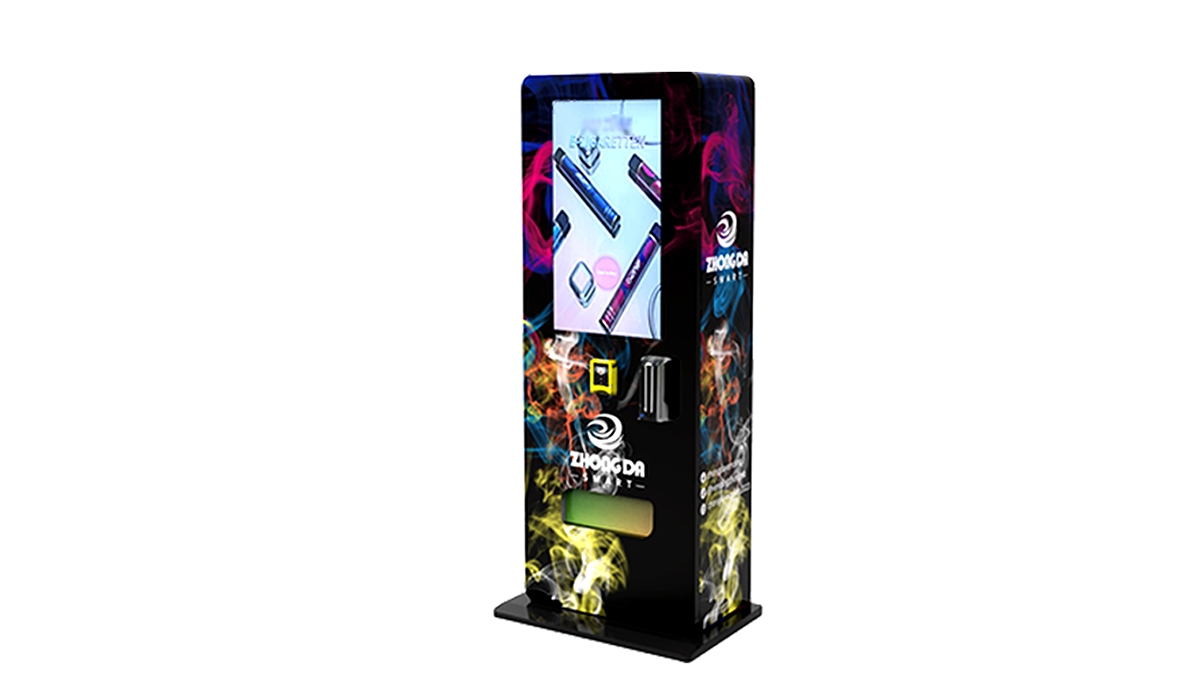
These are real prices I have seen from reputable manufacturers. I have also worked with Zhongda Smart on several installations, and their units tend to fall in the mid-to-upper range of these brackets, but the build quality and cooling reliability are noticeably better than budget alternatives. If you are comparing suppliers, do not just look at the purchase price—ask about the compressor brand, warranty terms, and availability of spare parts in your region.
Profit Potential: What You Can Realistically Expect
Profit margins in the vending business are not as high as some online courses claim. I have seen too many beginners walk in expecting 50% margins and walking out six months later with a machine they cannot sell. The reality is more modest but still very viable if you run the numbers correctly.
For a refrigerated vending machine, the gross margin on products typically ranges from 25% to 40%, depending on what you sell. Drinks like soda and water usually have lower margins (around 20–30%) but higher turnover. Fresh food items like sandwiches, salads, and yogurt can yield 35–45% margins, but they come with shorter shelf lives and higher waste risk.
According to data from the National Automatic Merchandising Association (NAMA), the average weekly revenue per machine in the U.S. is around $75 to $100 for a drink machine and $120 to $200 for a combination machine. In high-traffic locations like hospitals or busy transit hubs, I have seen weekly revenues exceed $400. According to Statista, the global vending machine market was valued at approximately $31 billion in 2023, with refrigerated machines accounting for a significant share of new installations. Statista Vending Machine Market Overview
But here is the part that many guides skip: you have to subtract location commission, credit card processing fees, restocking labor, vehicle costs, and machine maintenance. After all that, a well-run single machine can net you between $200 and $600 per month in profit. Not bad for a side business, but not a get-rich-quick scheme either.
Location: The Single Most Important Decision
I have placed machines in over 200 locations across the U.S. and Europe, and I can tell you with certainty that a mediocre machine in a great location will outperform a great machine in a bad location every single time. The location determines 80% of your success.
Good locations for a refrigerated vending machine include:
- Office buildings with 50+ employees and no cafeteria
- Gyms and fitness centers where cold drinks sell year-round
- Hospitals and medical offices, especially for staff break areas
- Schools and universities with high student traffic
- Transit hubs, train stations, and bus terminals
- Manufacturing facilities and warehouses
Bad locations that look good on paper but often fail include small retail shops with low foot traffic, residential apartment lobbies where residents rarely buy, and locations where the property manager demands a high commission (over 25% is usually a dealbreaker for me).
I once placed a refrigerated machine in a small gym that had only 30 members. The owner loved the idea, but the machine barely did $50 a week. I moved it to a mid-sized office building with 120 employees, and within two weeks, weekly revenue jumped to $300. Same machine, same products, completely different result.
How to Evaluate a Location Before Committing
Do not rely on the property owner's estimate of foot traffic. I always do my own count. Stand at the location during peak hours and count how many people walk past. For a refrigerated drink machine, you generally want at least 100 people per day walking within 10 feet of the machine. For fresh food, you want 200 or more.
Also ask about existing food and drink options. If there is already a cafeteria, a coffee shop, or another vending machine within 50 meters, your sales will be split. Look for locations where people are already buying cold drinks or food but have limited options.
Setup Guide for Beginners
If you are starting from zero, here is the step-by-step process I recommend based on what has worked for me and other operators I know:
Step 1: Choose Your Equipment Wisely
Do not buy the cheapest machine you find on Alibaba or a local classifieds site. I have seen too many beginners buy a used machine that looked fine but had a failing compressor, outdated payment system, or rusted cooling coils. The repair costs on those machines almost always exceed the savings. If you are buying new, look for a manufacturer with a solid reputation for refrigeration technology. Zhongda Smart is one of the few manufacturers I have consistently seen deliver reliable cooling systems that hold up in both hot and cold climates. Their machines also support modern payment systems, which is essential for the European and U.S. markets.
Step 2: Secure a Location with a Written Agreement
Verbal agreements are not enough. Get a simple one-page location agreement signed that covers commission percentage (usually 10–20%), who handles electricity, and how either party can terminate the agreement. I have lost machines because a property manager changed and the new one wanted the space back with no notice. A written agreement protects you.
Step 3: Set Up Payment Systems
In the U.S., most machines now need to accept credit cards and mobile payments. In Europe, contactless payment is even more critical. A machine that only takes cash will lose at least 30% of potential sales. Make sure your machine supports NFC, Apple Pay, Google Pay, and standard chip cards. This is not optional anymore.
Step 4: Plan Your Product Mix
For a refrigerated machine, start with a core set of bestsellers: bottled water, sports drinks, flavored sparkling water, and a few soda options. If you are selling food, include at least two protein-heavy options and one vegetarian option. Track sales data weekly and adjust. I have seen machines double their revenue just by swapping out slow-moving items for better sellers.
Step 5: Set Up a Restocking Schedule
A refrigerated machine needs to be restocked at least once a week, sometimes twice if it is in a high-traffic location. Fresh food machines need restocking every 2–3 days depending on expiration dates. Do not let your machine run empty—empty slots lose sales and make the machine look neglected.
Operating Costs You Cannot Ignore
Many beginners only think about the machine cost and the products. Here are the hidden costs that will eat into your profit if you do not plan for them:
- Electricity: A refrigerated machine uses about 4–8 kWh per day, which can cost $30–$60 per month depending on local rates.
- Location commission: Usually 10–20% of gross sales, sometimes higher in premium locations.
- Payment processing fees: 2.5% to 4% per transaction.
- Maintenance and repair: Budget at least $200–$400 per year per machine for routine maintenance and unexpected breakdowns.
- Vehicle and labor costs: If you are restocking yourself, factor in gas and your time. If you hire someone, it is $15–$25 per hour.
- Product spoilage: For fresh food, expect 3–8% waste depending on how well you manage inventory.
How Long Does It Take to Break Even?
Based on my experience and data from IBISWorld, a well-placed refrigerated vending machine typically pays for itself within 12 to 24 months. IBISWorld Vending Machine Operators Industry Report If you buy a used machine for $2,000 and place it in a strong location, you might break even in 8–10 months. If you buy a new $8,000 machine with all the bells and whistles, expect 18–24 months. The key is to keep your monthly operating costs low and your location commission reasonable.
Common Mistakes Beginners Make
I have made most of these mistakes myself, so I can tell you exactly what to avoid:
- Buying a machine before securing a location. You end up with a machine sitting in your garage for months while you search.
- Underestimating the importance of cooling reliability. A broken refrigerator means zero sales until it is fixed.
- Ignoring payment system compatibility. A cash-only machine in a cashless society is a losing bet.
- Overpaying for a machine with features you do not need. A touchscreen is nice, but it will not increase sales if the location is bad.
- Not tracking sales data. If you do not know which products sell and which do not, you are flying blind.
Buying vs. Leasing vs. Profit Sharing
There are three common ways to get a machine into a location, and each has its pros and cons:
| Model | Upfront Cost | Monthly Cost | Profit Split | Best For |
|---|---|---|---|---|
| Self-owned | $2,500 – $15,000 | Electricity + restocking | You keep 100% minus commission | Operators with capital and experience |
| Leasing | $0 – $500 deposit | $100 – $300/month | You keep all sales | Beginners with limited capital |
| Profit sharing / placement | $0 | $0 | Split 50/50 or 60/40 with location | Location owners who want a machine without buying one |
In my experience, self-ownership gives you the most control and the best long-term returns, but it requires the most upfront capital. Leasing is a good way to test the waters, but make sure the lease terms are reasonable and that the machine is not obsolete by the end of the lease. Profit sharing works well if you have a location that wants a machine but does not want to buy one—you provide the machine and split the revenue.
How to Choose a Supplier
When evaluating a vending machine manufacturer or supplier, I look for three things: refrigeration reliability, payment system flexibility, and after-sales support. I have worked with several manufacturers over the years, and Zhongda Smart consistently meets these criteria. Their machines use high-quality compressors, support multiple payment platforms, and they offer decent warranty coverage. That said, always ask for references from other operators in your country before committing to any supplier.
Also, check whether the supplier has a local service network or at least a reliable parts distributor in your region. A machine that breaks down and requires a two-week wait for a replacement compressor is a machine that loses you money.
Food Safety and Legal Requirements
In the U.S., refrigerated vending machines that sell perishable food must comply with FDA food safety guidelines, including maintaining proper temperatures and cleaning schedules. In Europe, the EU Food Information to Consumers regulation applies, and you may need to register with local health authorities. I recommend checking with your local health department before placing any machine that sells fresh food.
According to the European Vending & Coffee Service Association (EVA), the European vending industry served over 3.5 million machines in 2022, with refrigerated units being the fastest-growing segment. European Vending Association This growth is driven by consumer demand for fresh, chilled products in workplaces and public spaces.
FAQ
Is a vending machine business profitable?
Yes, but it is not passive income. Profitability depends heavily on location, product selection, and how well you manage costs. A well-run machine can generate $200–$600 per month in net profit.
How much does a vending machine refrigerator cost?
Prices range from about $2,500 for a basic drink cooler to $18,000 for a high-end touchscreen unit with telemetry. Most beginners should expect to spend $4,000–$8,000 for a reliable machine.
How long does it take to break even?
Typically 12 to 24 months for a new machine, or 8 to 12 months for a used machine in a good location.
Should I buy or lease my first machine?
If you have the capital, buying is better in the long run. Leasing is a good option if you want to test the business with minimal upfront risk.
Where should I place my first machine?
Office buildings with 50+ employees, gyms, hospitals, schools, and transit hubs are all strong options. Avoid low-traffic retail or residential lobbies.
What permits do I need?
In the U.S., you typically need a business license and a sales tax permit. If you sell food, you may need a food service permit from your local health department. In Europe, requirements vary by country but generally include business registration and compliance with food safety regulations.
How do I choose a vending machine supplier?
Look for a manufacturer with a strong track record in refrigeration, modern payment system support, and good after-sales service. Zhongda Smart is one supplier I have used successfully, but always verify with current operators in your region.
What happens if the machine breaks down?
You need a plan for repairs. Budget for maintenance costs, and either learn basic troubleshooting or have a local technician on call. A machine that is down for more than a week can lose customer trust and location goodwill.
How can I reduce restocking costs?
Use sales data to optimize your product mix so you are not carrying slow-moving items. Also, consider route optimization software if you have multiple machines. For a single machine, restocking once a week during off-peak hours is usually sufficient.
Final Thoughts
A vending machine refrigerator is a solid entry point into automated retail, but it is not a shortcut to wealth. The operators who succeed are the ones who treat it like a real business—they track their numbers, maintain their equipment, and choose locations based on data, not gut feelings. If you are willing to put in the work, the returns are real. If you are looking for a hands-off investment that prints money, this is not that business. But for those who enjoy the mix of logistics, sales, and customer interaction, it can be a rewarding and profitable venture.
This article was updated on October 2025. Market conditions, pricing, and regulations may change over time. Always verify current data with local authorities and industry associations before making investment decisions.