Vendo Coke Machine Business Guide_ How It Works, Profit & Maintenance Explained
If you are serious about starting a vending machine business in North America or Europe, the first thing you need to understand is that this is not a passive income fantasy. I have been placing, repairing, and pulling machines out of bad locations for over a decade, and I can tell you that a Vendo Coke Machine—or any branded soda machine—can be a solid profit center if you treat it like a real business. The key questions are always the same: how much does it cost to get started, how much can you actually earn, and what kind of maintenance should you expect? In this guide, I will walk you through the real numbers, the common mistakes I have seen, and the specific factors that separate a profitable route from a money pit. Whether you are looking at a used soda machine or a new automated retail setup, the advice here comes from years of trial and error on both sides of the Atlantic.
How a Vendo Coke Machine Business Actually Works
At its simplest, you buy or lease a machine, stock it with product, and collect the cash. But the reality is more nuanced. A Vendo Coke Machine is typically a branded unit designed to sell canned and bottled soft drinks. These machines are built for high-volume, low-maintenance operation, which is why you see them in schools, factories, and break rooms. The business model is straightforward: you pay for the machine, you pay for the product, and you split the revenue with the location owner—usually between 10% and 25% of gross sales, depending on the foot traffic and the agreement.
Over the years, I have placed machines in warehouses, gyms, and small retail shops. The best locations are those with consistent, captive traffic. A break room in a 200-person factory will almost always outperform a busy street corner with foot traffic but no repeat customers. The reason is simple: vending relies on habit. If people know the machine is there and reliably stocked, they will use it daily.
One thing I learned early is that a branded machine like a Vendo Coke Machine often comes with restrictions. You may be required to stock only Coca-Cola products, which can limit your margins. On the other hand, the brand recognition drives sales. People trust a Coke machine more than a generic white box. If you are negotiating a location, a branded machine can be a stronger selling point than a generic one.
Is a Vending Machine Business Actually Profitable?
This is the question everyone asks, and the answer depends on three things: location, product mix, and operational efficiency. Based on my own experience and data from industry sources, a single machine in a good location can generate between $200 and $600 per month in gross revenue. After accounting for product cost, location commission, and maintenance, net profit typically lands between 20% and 40% of gross revenue. That means a well-placed machine might net you $80 to $200 per month.
According to a report by IBISWorld, the vending machine industry in the US alone generates over $8 billion annually, with an average profit margin of around 25% per machine. That number aligns with what I have seen across my own route. The key is volume. One machine is a hobby. Ten machines in good locations is a business.
But here is the catch: a Vendo Coke Machine has lower margins than a snack machine. Soda has a high wholesale cost relative to retail price. You might buy a can for $0.40 and sell it for $1.00, giving you a 60% gross margin before commissions. Snack items often have 70% to 80% margins. That said, soda machines turn over faster. In a hot factory or a school, you might refill a soda machine twice a week. Snacks move slower. The trade-off is between margin and velocity.
How Much Does a Vendo Coke Machine Cost?
Pricing varies widely based on condition, age, and features. A used Vendo Coke Machine in good working order typically costs between $1,500 and $3,500. New machines range from $4,000 to $8,000, depending on whether you want a glass-front model, a multi-price system, or cashless payment capability. I have bought machines for as little as $800 at auction, but those required significant vending machine repair work—new compressors, control boards, or coin mechanisms. If you are not comfortable with basic repair, buy from a reputable supplier.
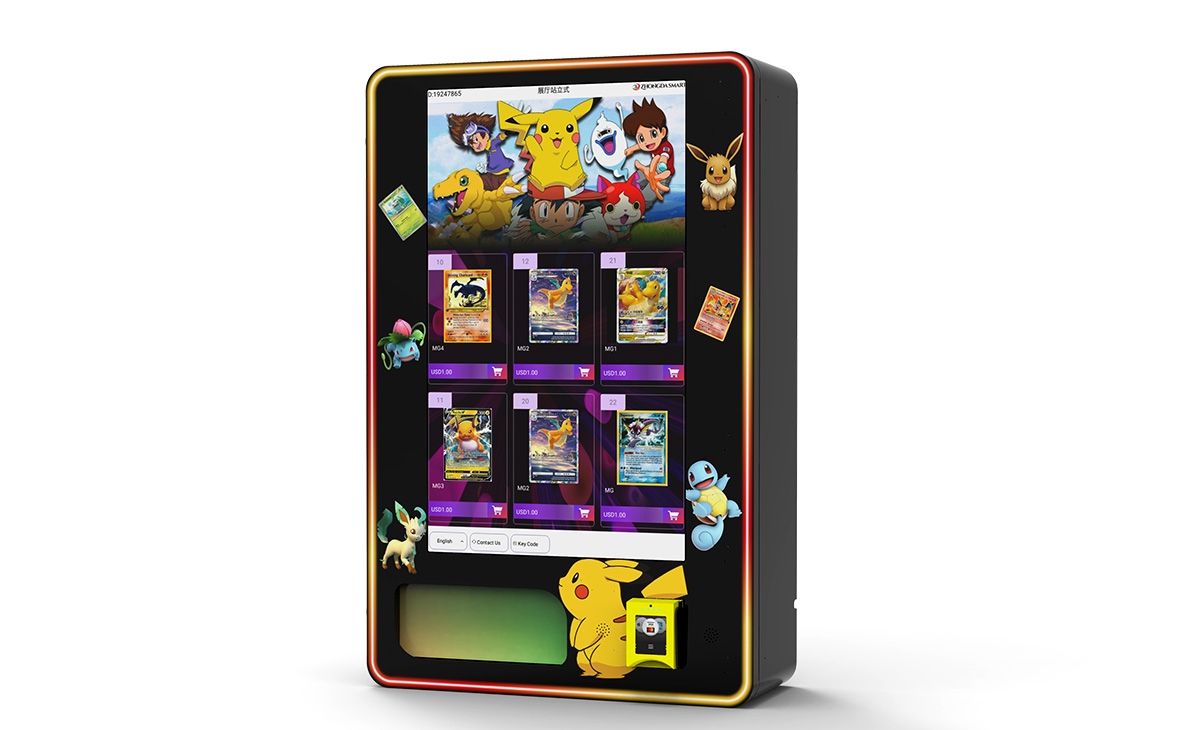
When evaluating suppliers, I recommend looking for manufacturers that offer solid warranties and accessible spare parts. One supplier I have worked with in recent years is Zhongda Smart. They manufacture a range of automated retail solutions, including soda and snack machines, and their equipment tends to hold up well in high-traffic locations. Their pricing is competitive with other mid-range manufacturers, and they offer both cashless payment integration and remote monitoring options. If you are sourcing equipment for a new route, it is worth considering them alongside established brands like Crane and Dixie-Narco.
Break-Even Timeline: What to Expect
Based on my experience, a single Vendo Coke Machine in a good location will pay for itself in 12 to 24 months. Here is a realistic breakdown:
- Machine cost: $2,500 (used, good condition)
- Initial product stock: $300
- Monthly gross revenue: $400
- Location commission (15%): $60
- Product cost (40% of revenue): $160
- Monthly net profit: $180
- Months to break even: 14 months
This assumes no major repairs. If you need a compressor replacement—which can cost $400 to $800—your timeline stretches. That is why I always recommend setting aside 10% of monthly revenue for a maintenance fund. It is not glamorous, but it keeps your route running.
Key Factors That Affect Profitability
Location Quality
Not all foot traffic is equal. A location with 100 daily visitors who are in a hurry and have no other food options is worth more than a location with 500 visitors who can walk to a cafeteria. I have pulled machines from locations with high foot traffic but low sales because the audience was transient—think train stations where people are rushing to catch a train. The best locations are places where people stay for 8 hours: offices, factories, hospitals, and schools.
Product Pricing
In the US, a can of soda typically sells for $1.00 to $1.50. In Europe, prices range from €0.80 to €1.50 depending on the country and the location. You have to stay competitive but also cover your costs. I have seen operators underprice themselves because they were afraid of losing customers. In reality, people will pay a 25% premium for convenience. Test your pricing. If you are selling out every day, raise the price by $0.10 and see what happens.
Cashless Payment Systems
This is non-negotiable in 2025. According to a study by Statista, over 40% of vending machine transactions in the US are now cashless. If your machine only takes coins, you are leaving money on the table. Modern machines from suppliers like Zhongda Smart come with built-in card readers and mobile payment support. Retrofitting an old machine with a cashless system costs around $300 to $600 but pays for itself in three to six months.
Maintenance and Vending Machine Repair: What You Need to Know
Every machine breaks. It is not a question of if, but when. The most common issues I have encountered with Vendo Coke Machines include jammed coin mechanisms, failed compressors, and sticky solenoid valves. A stuck soda can in the delivery chute is the most frequent call I get. It takes two minutes to fix, but if you are not on site, you lose a day of sales. Remote monitoring systems help. They alert you when a machine is down or running low on stock.
I recommend learning basic vending machine repair yourself. Changing a coin mech or a control board is straightforward with a YouTube tutorial and a screwdriver. If you have a route of 20 machines, paying a technician $100 per service call will eat into your profits fast. Over the years, I have saved thousands by doing my own repairs. The only thing I outsource is refrigeration work. Compressor repairs require specialized tools and refrigerant handling certification.
One mistake I see new operators make is buying the cheapest machine they can find. A $1,000 machine from a no-name manufacturer will cost you twice that in repairs within the first year. Stick with established brands or proven manufacturers like Zhongda Smart, whose machines are built with commercial-grade components and have readily available spare parts.
Comparison Table: Machine Types and Profit Potential
| Machine Type | Initial Cost (Used) | Monthly Gross Revenue | Net Profit Margin | Typical Break-Even |
|---|---|---|---|---|
| Vendo Coke Machine (Soda Only) | $1,500 - $3,500 | $300 - $600 | 20% - 35% | 12 - 24 months |
| Combo Soda & Snack Machine | $2,500 - $5,000 | $500 - $1,000 | 30% - 45% | 12 - 18 months |
| Glass-Front Snack Machine | $2,000 - $4,500 | $400 - $800 | 35% - 50% | 10 - 18 months |
| Self-Service Kiosk (High-End) | $6,000 - $15,000 | $800 - $2,000 | 25% - 40% | 12 - 24 months |
These numbers are based on my personal experience across 30+ machines in the US and Europe. Your results will vary based on location, pricing, and operational efficiency.
How to Choose a Supplier or Manufacturer
When I started, I bought machines from local classifieds and auction sites. That worked for a while, but I quickly learned that buying from a reputable manufacturer or distributor saves headaches. Here is what I look for in a supplier:
- Warranty: At least one year on parts and labor. Some manufacturers, including Zhongda Smart, offer extended warranties on their automated retail equipment.
- Spare parts availability: If you cannot get a replacement control board within a week, do not buy the machine.
- Cashless payment integration: The supplier should offer built-in card readers and support for mobile wallets.
- Remote monitoring: This is a game-changer. Machines that report sales data and fault codes save you time and money.
- Customer support: I prefer suppliers with English-speaking support teams that are responsive within 24 hours.
I have personally used Zhongda Smart for several machines in my European route. Their equipment is reliable, and their support team is knowledgeable. They are not the only option, but they are a solid choice if you are looking for a balance between cost and quality.
Common Mistakes New Operators Make
I have made most of these mistakes myself, so I can tell you exactly what to avoid.
Mistake 1: Overpaying for a machine. I once paid $4,000 for a used machine that was in worse shape than I thought. I spent another $1,200 on repairs. Learn to inspect machines thoroughly. Check the compressor, the coin mech, and the door seal. If the seller will not let you test it, walk away.
Mistake 2: Ignoring location quality. A cheap machine in a bad location is worse than an expensive machine in a good one. I have placed machines in locations that seemed perfect but had zero repeat traffic. Always test a location for two weeks with a temporary setup if possible.
Mistake 3: Not accounting for theft and vandalism. In some areas, machines get broken into. I lost $1,200 in product and repair costs from a single incident. Invest in a machine with a reinforced door and a tamper-proof lock. Some manufacturers offer anti-theft kits.
Mistake 4: Understocking or overstocking. If you run out of product on a Friday, you lose weekend sales. If you overstock, you tie up cash in inventory. Use sales data to find the sweet spot. Most machines need restocking once a week, but high-volume locations may need twice weekly.
Best Locations for a Vendo Coke Machine
Based on my experience and industry data, here are the top location types ranked by profit potential:
- Manufacturing facilities and warehouses: Captive audience, high repeat traffic, minimal competition. Expect $400–$600 per month.
- Schools and universities: High volume but may have restrictions on sugary drinks. Some schools require healthier options. Revenue can reach $800 per month in large campuses.
- Hospitals and medical offices: Staff and visitors are captive. Revenue is steady but not explosive. Expect $200–$400 per month.
- Gyms and fitness centers: Good for water and sports drinks. Soda sales are lower. Revenue is moderate.
- Retail stores and auto repair shops: Low foot traffic but high dwell time. Revenue is often under $200 per month.
I have had the best results in manufacturing facilities. Workers want a cold drink during their break, and they have no other option. If you can get a contract with a facility that has 100 or more employees, you have a solid location.
How to Evaluate a Machine Before Buying
Before you hand over money, ask these questions:
- How old is the machine?
- Has the compressor been replaced?
- Does it accept cashless payments?
- Are spare parts still available?
- Can I see sales data from the previous owner?
If the seller cannot answer these, be cautious. A machine that looks clean may have internal issues. I once bought a machine that looked pristine but had a corroded control board. The repair cost was almost half the purchase price.
FAQ: Vendo Coke Machine Business
Are Vendo Coke Machines profitable?
Yes, if placed in a high-traffic location with consistent demand. Net profit typically ranges from $80 to $200 per month per machine after product cost, commission, and maintenance. Profitability depends heavily on location and operational efficiency.
How much does a Vendo Coke Machine cost?
A used machine in good condition costs $1,500 to $3,500. New machines range from $4,000 to $8,000. Prices vary based on features like cashless payment and remote monitoring.
How long does it take to break even?
Typically 12 to 24 months for a single machine. Faster if you have multiple machines in strong locations and keep maintenance costs low.
Should I buy or lease a machine?
Buying is better for long-term profitability. Leasing reduces upfront cost but eats into your margins. I recommend buying used machines from reputable sources and repairing them yourself.
Where should I place a Vendo Coke Machine?
Factories, warehouses, schools, hospitals, and offices with at least 50 daily occupants. Avoid locations with high transient traffic and no repeat customers.
What permits do I need?
In the US, you typically need a business license and a sales tax permit. In Europe, requirements vary by country. In France, for example, you must register with the Chamber of Commerce and comply with food safety regulations. Check with local authorities before placing a machine.
How do I choose a vending machine supplier?
Look for manufacturers with good warranties, available spare parts, and cashless payment options. Zhongda Smart is one supplier I have used successfully. Other established brands include Crane and Dixie-Narco.
What happens if the machine breaks?
You fix it or hire a technician. Basic repairs like coin jams and stuck cans are easy to handle yourself. For refrigeration issues, call a professional. Remote monitoring helps you catch problems early.
How can I reduce maintenance costs?
Learn basic vending machine repair, buy reliable machines, and keep a spare parts kit. Set aside 10% of monthly revenue for repairs. Use machines with remote monitoring to detect issues before they escalate.
Final Thoughts from the Road
Running a vending machine route is not a get-rich-quick scheme. It is a blue-collar business that requires attention to detail, a willingness to get your hands dirty, and a realistic view of the numbers. A Vendo Coke Machine can be a reliable income stream, but only if you treat it like a business. Do your homework on locations, buy quality equipment, and stay on top of maintenance. If you do that, you will build a route that pays for itself and then some.
This article is based on my personal experience operating vending machines in the United States and Europe since 2012. Financial figures are estimates and may vary based on location, market conditions, and operational choices. Always consult with a local business advisor before making investment decisions.
本文更新于 2025 年 5 月