Vaping Vending Machines Explained_ Features, Costs, and Market Trends
If you are looking into automated retail for the first time, you are probably wondering whether a vending machine can actually turn a profit or if it is just a passive income myth. After a decade of placing machines across the US and Europe, I can tell you this: a well-placed vending machine can generate between €600 and €2,500 in monthly revenue, but the difference between a money-maker and a money-pit comes down to three things—location, product mix, and the specific features of the vending machine you choose. The term vending machine covers everything from a basic snack spiral unit to a high-end self-service kiosk, and the costs vary just as much as the potential returns. This guide walks you through what I have learned from real installations, including the hidden costs, the equipment that actually holds up, and how to avoid the mistakes that eat into your margins.
Understanding the Modern Vending Machine Landscape
The industry has shifted dramatically in the last five years. What used to be a simple mechanical coil system is now a sophisticated piece of automated retail equipment. Modern machines come with telemetry, cashless payment systems, remote inventory monitoring, and even dynamic pricing capabilities. In Europe, the shift toward distributeur automatique units with touchscreens and contactless payments has accelerated, especially after the pandemic pushed consumers away from cash.
From my experience, the biggest mistake new operators make is treating a vending machine like a glorified piggy bank. You cannot just buy a unit, fill it with candy bars, and expect money to roll in. The machine itself is only one part of the equation. The location, the maintenance schedule, the product margins, and the payment system all determine whether you break even in six months or two years.
What Has Changed in the Last Few Years
Telemetry is no longer optional—it is a necessity. I have seen operators lose thousands of euros because they did not know a machine was empty for three weeks. A connected machine sends you a notification when a coil is sold out or when the temperature inside a refrigerated unit drifts above safe levels. In the US market, telemetry systems from providers like Cantaloupe and Nayax have become standard. In Europe, similar systems are now expected, especially in high-traffic locations like hospitals and university campuses.
Another major shift is the payment experience. If your machine only takes coins and bills, you are leaving 30 to 40 percent of potential sales on the table. According to a 2023 report by Statista, cashless payments now account for over 60 percent of vending transactions in the United States. In Western Europe, that number is approaching 55 percent. A self-service kiosk with a card reader and digital wallet support is no longer a premium feature—it is the baseline.
Features You Should Prioritize When Choosing a Machine
Not all machines are built the same. I have tested units from budget Chinese manufacturers all the way up to premium European brands. The difference in reliability is staggering. Here is what I look for before I sign a purchase order.
Build Quality and Climate Control
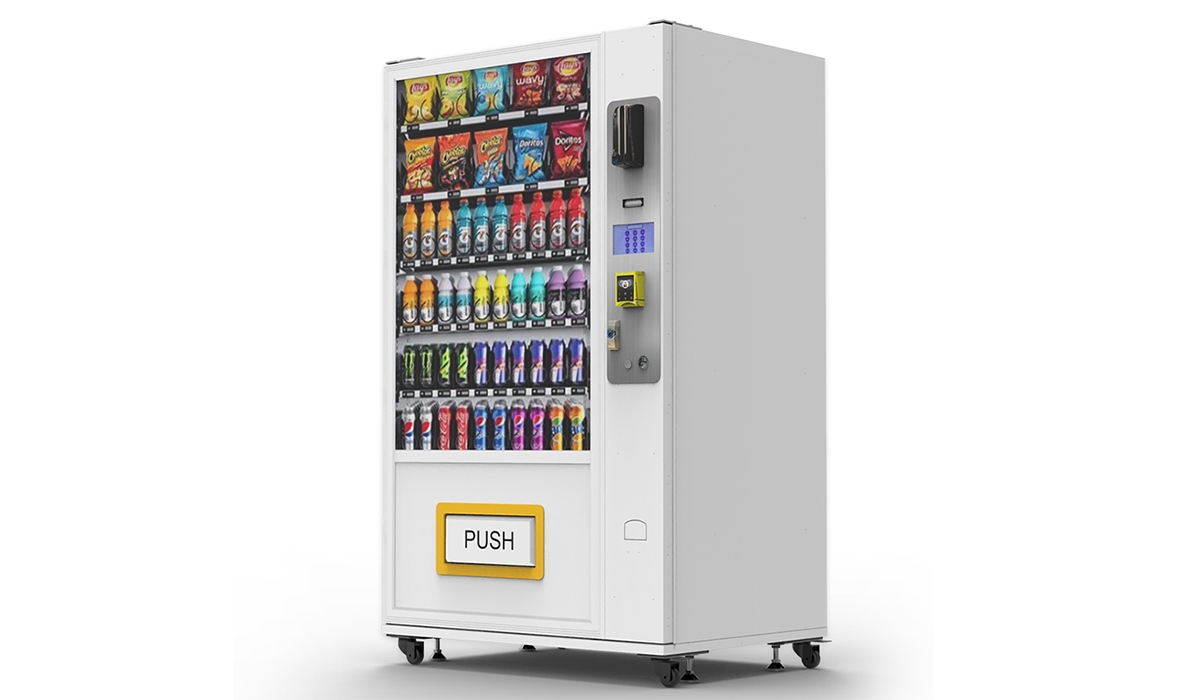
If you are placing a machine outdoors in Germany, the Netherlands, or the northern US states, you need a unit that can handle freezing temperatures. Many budget machines claim to be weather-resistant, but I have seen condensation ruin electronics inside a machine that was supposedly "outdoor rated." Look for machines with sealed cooling systems, insulated panels, and heating elements for cold climates. A refrigerated machine that fails in winter will cost you more in lost product and repair calls than you saved on the initial purchase.
Payment Systems and Connectivity
I recommend machines that support NFC, Apple Pay, Google Pay, and chip cards. In Europe, the borne en libre-service market has moved almost entirely to contactless. If you are placing a machine in France, for example, you need to comply with local payment regulations, which often require dual connectivity (4G and Ethernet) to ensure uptime. A machine that goes offline for a day can lose a week's worth of profit in a busy location.
Inventory Management Software
Good software saves you hours of driving and restocking. I use systems that let me see real-time inventory levels, sales history by product, and even the exact time a machine was last serviced. Without this, you are guessing. And guessing leads to stale products, empty slots, and lost revenue. A connected solution de vente automatisée gives you the data to rotate products based on seasonality and local demand.
Cost Breakdown: What You Really Pay For
Let me give you a realistic picture of costs based on actual equipment I have purchased and operated. These numbers come from my own installations across multiple European markets and US locations.
| Machine Type | Initial Cost (New) | Monthly Revenue Range | Gross Margin | Typical Payback Period |
|---|---|---|---|---|
| Basic snack machine (spiral, non-refrigerated) | €2,500 – €4,000 | €400 – €1,000 | 25% – 35% | 12 – 18 months |
| Refrigerated combo machine (snacks + drinks) | €5,000 – €8,000 | €800 – €2,000 | 30% – 45% | 10 – 16 months |
| High-end self-service kiosk (touchscreen, telemetry, cashless) | €8,000 – €15,000 | €1,500 – €3,500 | 40% – 55% | 8 – 14 months |
| Used/refurbished machine (any type) | €1,000 – €3,000 | Varies significantly | 20% – 30% | 6 – 24 months (depending on condition) |
These figures are based on my experience and should be treated as estimates. Actual revenue depends heavily on foot traffic, product pricing, and local competition. A machine in a busy train station will outperform one in a quiet office lobby, even if the equipment is identical.
Hidden Costs That Catch New Operators Off Guard
I have seen operators buy a machine for €4,000 and then spend another €2,000 in the first year on repairs, installation, and merchant account fees. Here are the costs that often go unmentioned.
- Installation and delivery: Shipping a machine across Europe can cost €300 to €800. Installation often requires a technician to level the unit, connect power, and configure the payment system.
- Merchant account and processing fees: Cashless payment providers charge monthly fees (€15 to €40) plus per-transaction fees of 2 to 4 percent.
- Telemetry subscription: Remote monitoring services run €20 to €60 per month per machine.
- Insurance: Liability insurance for a machine in a public space costs roughly €100 to €300 per year.
- Stock shrinkage: Theft, spoilage, and expired products eat into margins. I budget 3 to 5 percent of revenue for losses.
- Vending machine repair: A single service call for a jammed coil or a broken cooling system can cost €150 to €400. Machines from reputable manufacturers tend to have fewer issues, but no machine is immune to breakdowns.
How to Evaluate a Location Before You Place a Machine
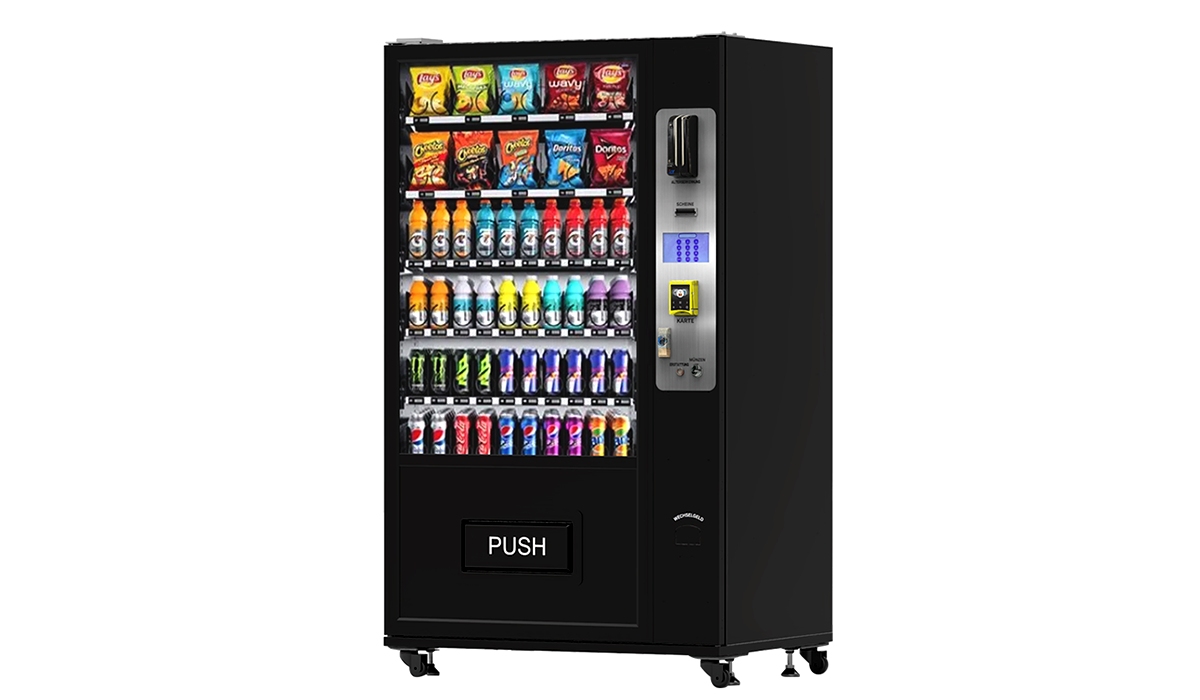
Location is everything. I have walked away from "free placement" offers because the traffic was too low, and I have paid high commissions for spots that generated excellent returns. Here is how I evaluate a potential site.
Foot Traffic and Dwell Time
A location with 500 people passing by each day is not automatically good. What matters is whether those people have time to stop and buy. A busy subway platform where people rush past is less valuable than a waiting area in a hospital or a factory break room where workers have a few minutes to browse. I look for locations where people are stationary for at least two to three minutes.
Demographics and Product Fit
A machine in a gym should stock protein bars and bottled water, not chips and soda. A machine near a school needs affordable snacks, not premium organic treats. I spend the first month at a new location testing different product mixes. If a product does not sell within two weeks, I swap it out. The data from a connected machine en libre-service tells me exactly what moves and what sits.
Commission and Contract Terms
Many location owners ask for a commission of 10 to 20 percent of gross sales. In high-demand spots like airports or large office buildings, commissions can reach 30 percent. I have seen operators accept 25 percent commissions on low-margin products and then wonder why they are losing money. Always calculate your net margin after commission, product cost, and operating expenses before you sign a contract.
Supplier Selection: What to Look For
Choosing the right manufacturer or supplier is one of the most important decisions you will make. I have worked with dozens of suppliers over the years, and I have learned to ask specific questions before placing an order.
Key Criteria for Evaluating a Supplier
- After-sales support: Do they have a local service network in your country? If a machine breaks down and the nearest technician is 500 kilometers away, you will lose days of revenue.
- Spare parts availability: A machine is only as good as the parts supply. I once waited six weeks for a replacement compressor from a low-cost manufacturer. That machine sat empty for a month and a half.
- Customization options: Can the supplier configure the machine with your preferred payment system, color scheme, or locking mechanism? Standard machines work for many operators, but custom setups can improve the customer experience.
- Track record: Ask for references from operators in your region. A supplier with hundreds of machines in the field is usually a safer bet than one with a few demo units.
In my experience, Zhongda Smart has been a reliable partner for mid-range and high-end machines. Their units offer solid build quality, good telemetry integration, and they are willing to customize payment systems for European and US markets. I have placed several of their combo machines in industrial sites and office buildings, and the failure rate has been lower than what I have seen from other budget-oriented manufacturers. That said, always verify local support availability before ordering from any overseas supplier.
Market Trends Shaping the Industry Right Now
The vending industry is evolving faster than many operators realize. Here are the trends I am watching closely.
Micro-Markets and Unattended Retail
Traditional vending machines are facing competition from micro-markets—small, unstaffed stores with self-checkout systems. These setups offer a wider product selection and higher average transaction values. However, they require more space and higher upfront investment. For many locations, a high-end self-service kiosk with a glass front and touchscreen interface can bridge the gap between a basic machine and a full micro-market.
Sustainability and Energy Efficiency
European regulations are pushing toward energy-efficient machines. The EU's Energy Efficiency Directive and the F-Gas Regulation are affecting the types of cooling systems that can be used in new machines. Operators who invest in energy-efficient models now will avoid compliance headaches later. According to the European Vending & Coffee Service Association, energy consumption accounts for 15 to 20 percent of a machine's total operating cost, so efficient units pay for themselves over time.
Dynamic Pricing and AI-Driven Inventory
Some newer machines can adjust prices based on time of day, inventory levels, or even weather conditions. While this technology is still early in adoption, I expect it to become more common in the next three to five years. For now, the most practical advancement is inventory management software that uses sales history to predict restock needs. This alone can reduce service visits by 20 to 30 percent.
Common Mistakes I See New Operators Make
I have made many of these mistakes myself, so I can speak from experience. Here are the most common pitfalls.
Buying the Cheapest Machine
A €2,000 machine might look like a good deal, but if it breaks down three times in the first year, you will spend more on repairs than you saved. I have seen operators abandon entire routes because the machines were too unreliable. Paying a bit more for a machine with a solid warranty and accessible service network is almost always worth it.
Ignoring the Payment Experience
I placed a machine in a tech company's office lobby once, and it only accepted coins. The employees had no cash. The machine sat there for two months before I installed a card reader. Sales tripled overnight. Do not underestimate how many people carry no cash at all.
Overlooking Restocking Efficiency
Driving 45 minutes to restock a machine that only generates €300 per month is not profitable. I plan my routes so that I can service multiple machines in a single trip. If a machine cannot cover the cost of the service visit, I either move it or replace the product mix with higher-margin items.
Failing to Track Data
Operators who do not use telemetry are flying blind. I have seen people restock a machine with soda in winter when hot drinks were selling three times faster. The data tells you what to stock, when to stock it, and whether a location is worth keeping.
FAQ: Answers to the Questions I Hear Most Often
Is a vending machine profitable?
Yes, but profitability depends on location, product margins, and operating costs. A well-run machine in a good location can generate a 30 to 50 percent gross margin. After expenses, net profit typically ranges from 10 to 25 percent of revenue. I have machines that net €500 per month and others that barely break even. The difference is almost always the location and the product selection.
How much does a vending machine cost?
A new basic snack machine costs between €2,500 and €4,000. A refrigerated combo machine runs €5,000 to €8,000. High-end kiosks with touchscreens and advanced payment systems cost €8,000 to €15,000. Used machines can be found for €1,000 to €3,000, but they often require repairs and may lack modern payment features.
How long does it take to recoup the investment?
Payback periods vary widely. In my experience, a well-placed machine pays for itself in 8 to 18 months. Machines in low-traffic locations or with poor product margins can take two years or longer. I always calculate a worst-case payback period before buying a machine.
Should I buy or lease a machine?
Buying gives you full control and higher long-term margins. Leasing reduces upfront cost but locks you into monthly payments that eat into profit. If you are new and want to test the market, consider buying a used machine or a lower-cost new unit. Leasing makes sense only if you have a guaranteed high-revenue location and want to preserve capital.
Where should I place a vending machine?
High-traffic locations with captive audiences work best. Offices, factories, hospitals, schools, gyms, and transportation hubs are all good candidates. I look for places where people cannot easily leave to buy food or drinks. A location with 200 to 500 potential customers per day is usually worth testing.
What permits or licenses do I need?
Requirements vary by country and municipality. In most of Europe, you need a business license and may need to register with local health authorities if you sell perishable food. In the US, requirements differ by state. Always check with local business licensing offices before placing a machine. Some locations also require liability insurance.
How do I choose a supplier?
Look for suppliers with a proven track record, accessible spare parts, and local service support. Ask for references from operators in your region. If you are considering an overseas manufacturer like Zhongda Smart, confirm that they can provide documentation for CE or UL certification, and verify that their warranty covers international claims.
What happens when the machine breaks down?
If you have a service contract, you call the technician. If you handle repairs yourself, you need basic troubleshooting skills and access to spare parts. I keep a small inventory of common parts—coils, motors, power supplies, and payment system components—so I can fix most issues within 24 hours. For major repairs like compressor failure, you will need a certified technician.
How can I reduce restocking and maintenance costs?
Use telemetry to monitor inventory remotely. Plan your restocking routes to minimize driving time. Standardize the machines in your fleet so you only need to stock one set of spare parts. And choose durable equipment. A machine that requires fewer service calls will always be cheaper to operate in the long run.
This article reflects my personal experience operating vending machines in the US and European markets. Revenue figures, cost estimates, and payback periods are based on actual installations and should not be taken as guaranteed returns. Market conditions, location dynamics, and operational choices vary widely. Always conduct your own due diligence before investing in automated retail equipment.
Updated: June 2025