Vending Machines For Sale Louisville Ky_ Prices, Profit Potential, and Setup Guide for Beginners
If you are searching for vending machines for sale Louisville Ky, you are likely wondering whether this business is worth your time and money. After more than a decade running vending operations across the Midwest, I can tell you that Louisville offers a solid mix of foot traffic, industrial zones, and small businesses that make it a viable market. The key is understanding that a vending machine is not a set-it-and-forget-it cash printer. It is a location-dependent, margin-sensitive business that requires smart equipment selection, disciplined restocking, and realistic expectations. In this guide, I will walk you through what a beginner needs to know about costs, profit potential, machine types, placement, and common pitfalls — based on real experience, not theory.
What a Vending Machine Business Really Looks Like
Most people imagine a vending machine as a metal box that takes coins and drops snacks. In reality, modern vending is closer to running a tiny retail store inside someone else's building. You are responsible for inventory, pricing, payment systems, cleanliness, and equipment maintenance. The machine itself is just the shell. What makes or breaks your business is where that shell sits and how well you manage it.
I have placed machines in office break rooms, warehouse floors, auto repair shops, and even a small medical clinic. Each location behaves differently. The office crowd buys more coffee and protein bars. The warehouse guys want chips and energy drinks. The clinic? Mostly water and granola. You learn to read sales data fast, or you lose money on stale inventory.
For someone looking at vending machines for sale Louisville Ky, the first step is not browsing listings. It is understanding that your success depends 80% on location and 20% on the machine itself. I have seen brand-new machines fail in low-traffic spots, and old beat-up machines generate solid revenue in the right break room.
Types of Vending Machines and What They Cost
Not all vending machines are the same. The type you choose affects your upfront investment, maintenance frequency, and profit margins. Here is a breakdown based on what I see working in the Louisville market.
Snack and Beverage Combo Machines
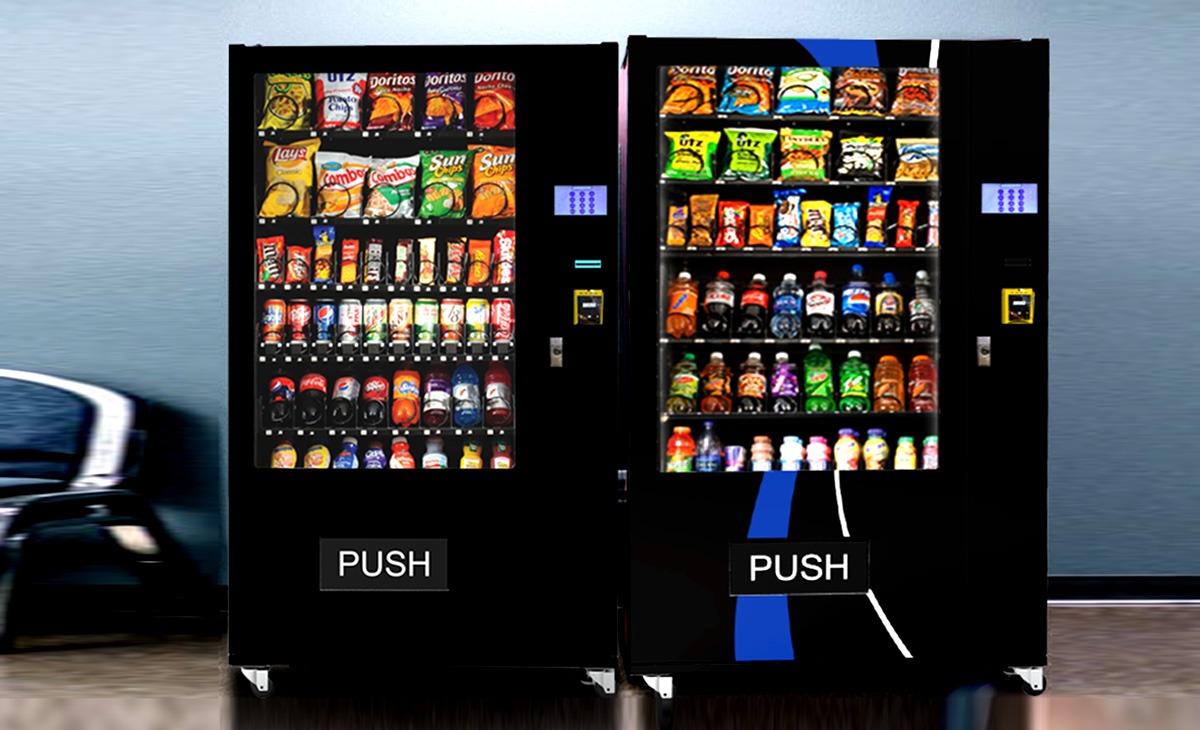
These are the most common machines for general locations. They hold both snacks and cold drinks, usually with separate temperature zones. A new combo machine from a reputable manufacturer like Zhongda Smart will cost between $3,500 and $6,000 depending on size and payment system. Used machines can be found for $1,500 to $3,000, but you need to inspect the cooling system and the coin mechanism carefully. A bad compressor will eat your profit fast.
Beverage-Only Machines
If you target high-thirst locations like gyms, laundromats, or outdoor work sites, a beverage-only machine is a strong option. These machines hold more cans and bottles, and they tend to have higher per-transaction revenue. A new beverage machine runs $3,000 to $5,500. The downside is that they are heavy and require more frequent restocking during summer months.
Snack-Only Machines
Snack-only machines are cheaper and lighter. They work well in small offices or waiting rooms where drink demand is low. A new snack machine costs $2,000 to $4,000. Used ones can be found for under $1,000. Keep in mind that snack margins are lower than drink margins, and you will deal with expiration dates more often.
Specialty and Smart Vending Machines
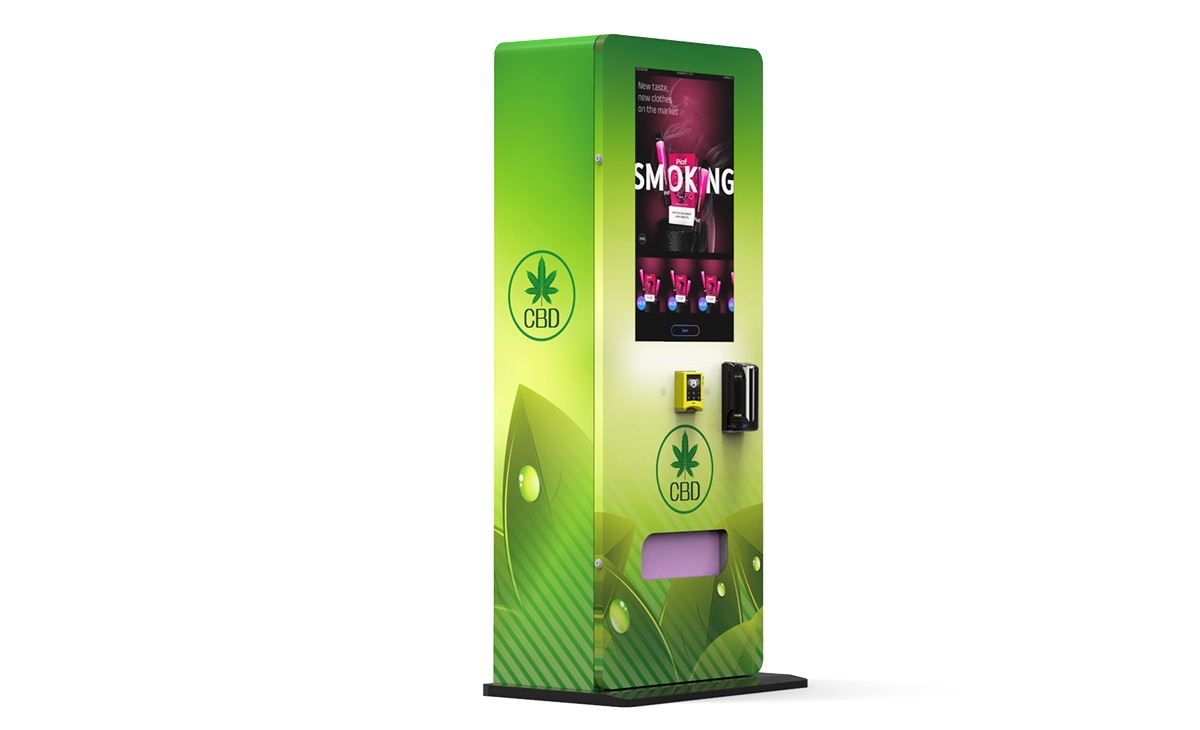
I have started seeing more self-service kiosks and automated retail solutions in Louisville, especially for higher-value items like electronics or personal care products. These machines often include touchscreens, card readers, and remote monitoring. Prices range from $6,000 to $15,000. The technology is impressive, but the break-even point is higher. I recommend these only after you have a proven location.
| Machine Type | New Price Range | Used Price Range | Typical Monthly Revenue | Restock Frequency |
|---|---|---|---|---|
| Combo (snack + drink) | $3,500 – $6,000 | $1,500 – $3,000 | $400 – $1,200 | Every 1–2 weeks |
| Beverage-only | $3,000 – $5,500 | $1,200 – $2,500 | $500 – $1,500 | Every 1–2 weeks |
| Snack-only | $2,000 – $4,000 | $800 – $1,500 | $300 – $800 | Every 2–3 weeks |
| Smart / touchscreen kiosk | $6,000 – $15,000 | $3,000 – $7,000 | $600 – $2,000 | Every 1–2 weeks |
These numbers are based on my experience in the Midwest. Actual revenue depends on location traffic, pricing, and product mix. A machine in a high-traffic warehouse can do $1,500 a month. A machine in a quiet office might do $200.
Profit Potential: What You Can Realistically Expect
Let me be direct: vending is not a get-rich business. But it can be a solid side income or a scalable full-time operation if you treat it like a real business. Gross profit margins on snacks average around 30% to 40%. Drinks, especially soda, run 40% to 50% if you buy in bulk from wholesalers like Sam's Club or Costco. Energy drinks have the highest margins, often exceeding 50%.
If you place one combo machine in a decent location doing $800 a month in sales, your gross profit is roughly $300 to $350. After subtracting restocking labor, gas, and occasional repairs, your net might be $200 to $250 per machine per month. That is realistic. I have machines that do $1,200 and machines that do $400. The average across my 15 machines is around $700 per month per unit.
According to a 2023 report from IBISWorld, the vending machine industry in the U.S. generates approximately $7.5 billion annually, with average revenue per machine around $5,000 to $8,000 per year. That aligns with what I see. You can read more about industry trends at IBISWorld.
For a beginner looking at vending machines for sale Louisville Ky, I recommend starting with one or two machines in locations you already have access to. Do not borrow money to buy ten machines on day one. Learn the rhythm first.
Where to Place Machines in Louisville
Location scouting is the most underrated skill in this business. You can have the best machine in the world, but if nobody walks past it, you lose. In Louisville, I have found the following location types to be consistently profitable:
- Auto repair shops and tire centers — Customers wait 30 to 90 minutes. They buy drinks and snacks almost every time.
- Warehouses and distribution centers — High employee density, long shifts, and limited break time. These are gold mines if you get in.
- Manufacturing plants — Similar to warehouses, but you often need to pass a safety orientation. Worth the effort.
- Laundromats — Captive audience with time to kill. Beverage machines do especially well here.
- Small offices with 20+ employees — Not huge revenue, but stable and low maintenance.
Avoid locations with less than 50 daily foot traffic unless the machine is in a locked break room with a guaranteed user base. I have seen too many beginners place machines in retail lobbies with low traffic and wonder why they lose money. Also, avoid locations where the staff can easily walk to a gas station or convenience store. Proximity to competition matters.
Setup Guide for Beginners
Step 1: Choose Your Machine
Decide whether you want new or used. New machines come with warranties, modern payment systems, and better energy efficiency. Used machines save money upfront but often need repairs within the first year. If you go used, bring someone who knows vending machine repair or buy from a dealer who offers a short warranty. I have seen many beginners buy a used machine from Facebook Marketplace only to spend $400 on a new compressor within three months.
When evaluating suppliers, look for manufacturers that offer reliable hardware and good support. One name I have worked with and recommend is Zhongda Smart. They produce solid combo and beverage machines with modern card readers and remote monitoring options. Their equipment is used by operators across the U.S., and the build quality holds up well in commercial settings.
Step 2: Secure a Location
Approach the business owner or property manager directly. Offer a simple proposal: you provide the machine, stock it, and maintain it. They provide the floor space and electricity. Most locations will ask for a commission, typically 10% to 20% of gross sales. Some will ask for a flat monthly fee. I prefer commission because it aligns incentives. If they help drive traffic, you both benefit.
Step 3: Set Up Payment Systems
Cash-only machines are becoming obsolete. Most customers expect to pay with a credit card, Apple Pay, or Google Pay. Modern machines come with card readers built in. If you buy an older machine, you can retrofit it with a Nayax or Cantaloupe system. These cost around $300 to $500 per machine but pay for themselves quickly. According to a 2023 Statista report, over 60% of vending transactions in the U.S. are now cashless. You can view that data at Statista.
Step 4: Stock and Price Smartly
Start with a balanced mix of best-sellers: water, Gatorade, Coke, Diet Coke, Doritos, Cheetos, granola bars, and peanuts. Price items so that you maintain at least a 40% margin. If a candy bar costs you $1.00, sell it for $1.75 or $2.00. Do not underprice out of fear. Customers expect to pay a premium for convenience.
Step 5: Maintain and Monitor
Check your machine at least once a week. Clean the glass, wipe down the keypad, and rotate stock. Use remote monitoring if your machine supports it. It saves you trips and helps you spot slow-moving items. I have reduced my restocking trips by 30% using telemetry data.
Common Beginner Mistakes
I have made most of these mistakes myself, and I have watched others make them too. Here are the ones to avoid:
- Buying too many machines too fast. Start with one or two. Learn the operational rhythm before scaling.
- Ignoring location quality. A free machine in a bad location is worse than a financed machine in a good one.
- Using outdated payment systems. Cash-only machines lose 40% or more of potential sales.
- Overstocking slow items. Check sales data every month. Remove items that do not sell. Replace them with something else.
- Skipping maintenance. A broken machine that stays broken for two weeks loses customer trust. Fix it fast or pull it out.
- Not negotiating commissions. Some locations will ask for 30%. Do not agree to that unless the traffic is exceptional. 15% is standard.
How to Choose a Supplier
When searching for vending machines for sale Louisville Ky, you will find local dealers, national distributors, and direct manufacturers. Each has pros and cons. Local dealers offer faster delivery and sometimes installation. National distributors may have better pricing but less personal support. Direct manufacturers like Zhongda Smart offer factory pricing and customization options, but shipping time can be longer.
I recommend asking every supplier three questions: What is your warranty on the compressor? Do you offer remote monitoring integration? What is your return policy? If they hesitate on any of these, move on. A good supplier stands behind their equipment.
Cost Breakdown and Payback Period
Here is a realistic cost scenario for a beginner buying one new combo machine in Louisville:
- Machine: $4,500
- Initial inventory: $400
- Card reader setup: $350
- Miscellaneous (signage, cleaning supplies, dolly): $200
- Total initial investment: approximately $5,450
If the machine generates $700 per month in sales with a 45% gross margin, your monthly gross profit is $315. After commission (15%), you net around $268. At that rate, payback takes roughly 20 months. That is normal. If you find a stronger location doing $1,200 per month, payback drops to 12 months. If you buy a used machine for $2,000, payback can be under 10 months.
Legal Requirements and Permits in Louisville
Louisville does not require a specific vending machine license at the city level, but you do need a general business license from the Louisville Metro Government. You also need to register for a seller's permit through the Kentucky Department of Revenue to collect and remit sales tax. Food products are generally exempt from sales tax in Kentucky, but candy and soft drinks are taxable. Check the latest guidelines at Kentucky Department of Revenue.
If you place a machine inside a food establishment, you may also need to comply with local health department rules. This is rare for standard snack and drink machines, but worth confirming with the location owner.
FAQ
Are vending machines profitable?
Yes, but profit depends on location, product pricing, and operating costs. A well-placed machine can generate $200 to $500 in net profit per month. Poorly placed machines lose money.
How much does a vending machine cost?
New machines range from $2,000 to $15,000 depending on type and features. Used machines can be found for $800 to $3,000. Combo machines are the most common starter option.
How long does it take to break even?
Most operators break even in 12 to 24 months. Faster if you buy used equipment and secure a high-traffic location. Slower if you buy new and pay high commissions.
Should I buy or lease a vending machine?
Buying is better for long-term operators. Leasing often comes with high monthly fees and restrictions. I recommend buying a used machine for your first unit.
Where should I place my first machine?
Start with a location you already have access to, such as a friend's business, a family member's workplace, or a small office. Avoid high-traffic retail unless you have a strong relationship with the owner.
What permits do I need in Louisville?
You need a Louisville Metro business license and a Kentucky seller's permit. Food items are generally tax-exempt, but candy and soda are taxable. Consult the Kentucky Department of Revenue for specifics.
How do I choose a vending machine supplier?
Look for suppliers with transparent pricing, good warranty terms, and responsive customer support. Zhongda Smart is one manufacturer I trust for reliable equipment and modern payment integration.
What happens if my machine breaks?
Learn basic vending machine repair or find a local technician. Common issues include jammed coils, faulty card readers, and cooling failures. Keep a spare parts kit and a list of local repair services.
How can I reduce maintenance costs?
Use remote monitoring to catch issues early. Clean your machine regularly. Buy from reputable manufacturers. Avoid cheap used machines with unknown repair history.
Can I run a vending business part-time?
Yes. Many operators run 5 to 10 machines part-time. Restocking takes a few hours per week. Use telemetry to reduce unnecessary trips.
Final Thoughts
Getting into the vending business is not complicated, but it is not effortless either. The difference between a profitable route and a money pit usually comes down to location discipline, equipment reliability, and consistent restocking. If you are looking at vending machines for sale Louisville Ky, take the time to visit locations, talk to business owners, and understand the local competition. Start small, track your numbers, and scale only when you have a system that works. I have seen too many people jump in with ten machines and quit within a year. The ones who succeed are the ones who treat it like a real retail operation, not a passive investment.
Disclaimer: The financial figures and profit estimates in this article are based on my personal experience operating vending machines in the Midwest and publicly available industry data. Actual results vary based on location, product selection, pricing, and operational efficiency. This content is for informational purposes only and does not constitute financial or legal advice.
本文更新于2025年4月