Is Vending Machine Outside Worth It_ Pros, Cons, and Real-World Insights
After a decade in the vending machine business across the U.S. and Europe, I can tell you the most common question I get isn't about which machine to buy. It's whether placing a vending machine outside is actually worth the investment. The short answer is yes—but only if you understand the trade-offs. Outdoor vending machines face weather, vandalism, and higher maintenance, yet they also capture foot traffic that indoor units never see. I've seen machines in parking lots outperform lobby units by three to one, and I've also seen units rot from rain exposure within eighteen months. The difference comes down to site selection, machine preparation, and realistic expectations. In this article, I will share real-world insights from my own operations, covering costs, risks, and the key factors that determine whether an outdoor vending machine will be a profitable asset or a costly mistake.
The Basics of Outdoor Vending Machines
An outdoor vending machine is exactly what it sounds like—a self-service kiosk placed outside of a traditional building, exposed to the elements. These machines are commonly found in parking lots, gas stations, parks, stadium exteriors, and along busy pedestrian walkways. Unlike indoor units, they must be built to withstand rain, snow, direct sunlight, and temperature swings.
The concept of automated retail has grown significantly over the past decade. According to a report by IBISWorld, the vending machine industry in the U.S. alone generates over $7 billion annually, with outdoor placements accounting for a growing share. This shift is driven by changing consumer habits—people want quick, contactless access to snacks and drinks without entering a store.
From my experience, outdoor machines work best in locations where foot traffic is consistent but indoor space is either unavailable or too expensive. A gas station convenience store might not have room for a cooler, but a vending machine outside can serve the same purpose at a fraction of the cost.
Pros of Outdoor Vending Machines
Higher Foot Traffic Potential
Outdoor locations often see more people passing by than indoor spots. A machine placed near a bus stop or outside a gym can capture impulse buyers who wouldn't enter a building. I've placed machines outside 24-hour laundromats that generate steady sales from people waiting for their laundry to finish.
Lower Rent or Commission Fees
Indoor locations usually require rent payments or revenue sharing with the property owner. Outdoor placements often involve simpler agreements. I've negotiated deals where the property owner gets a flat monthly fee of $50 to $100, with no commission. This keeps more profit in your pocket.
Extended Operating Hours
An outdoor machine runs 24/7 without needing building access. This is especially valuable in areas where nearby stores close early. I've seen machines outside industrial parks generate significant sales during night shifts when no other food options are available.
Lower Initial Barrier to Entry
You don't need to lease retail space or hire staff. A single outdoor vending machine can be your first step into automated retail with a relatively modest investment. Many operators start with one machine and scale from there.
Cons of Outdoor Vending Machines
Weather Damage and Wear
This is the biggest downside. Rain can seep into seals, sun can fade displays, and freezing temperatures can cause drink machines to malfunction. I've lost machines to corrosion that started in the coin mechanism. A standard indoor machine placed outside without weatherproofing will likely fail within two years.
Vandalism and Theft
Outdoor machines are more vulnerable to break-ins, graffiti, and general mischief. In my early years, I had a machine in a public park that was pried open twice in one summer. Repair costs ate into profits for months. Cameras and better lighting help, but they add expense.
Higher Maintenance Frequency
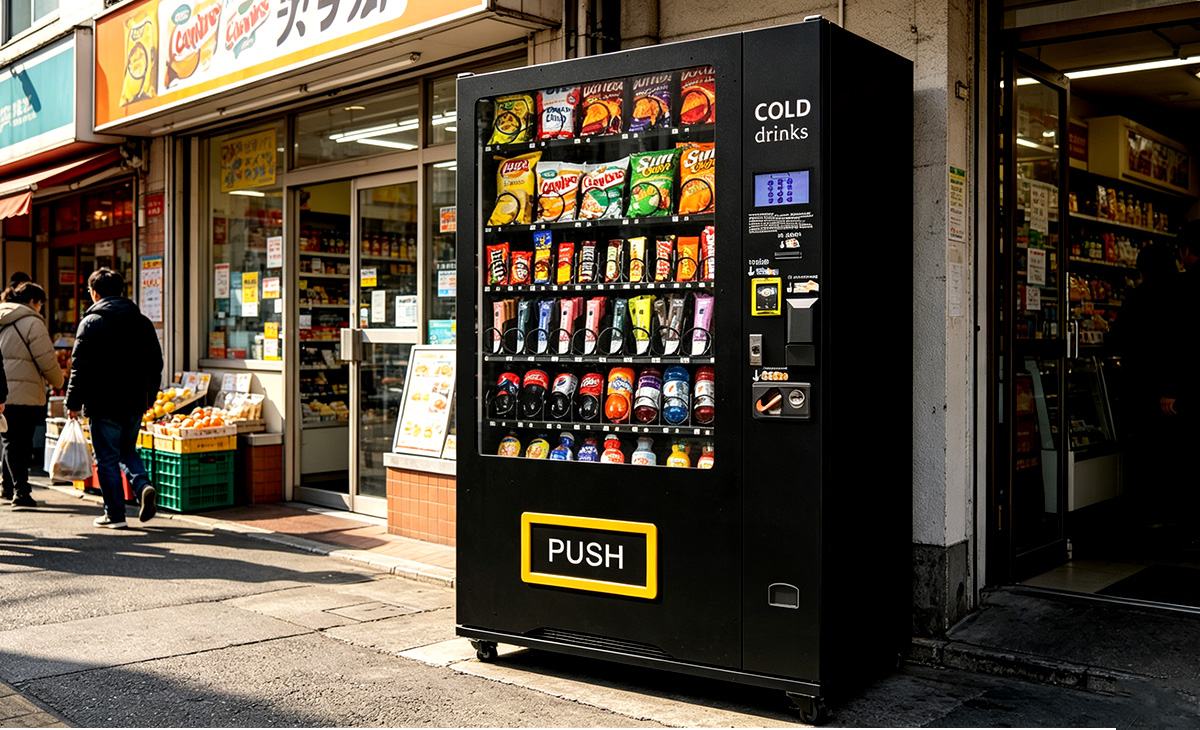
Outdoor machines require more frequent service calls. Dust, insects, and moisture cause issues that indoor units rarely face. I budget at least one extra maintenance visit per month for outdoor machines compared to indoor ones.
Limited Product Options
Extreme temperatures restrict what you can sell. Chocolate melts in summer, and cold drinks can freeze in winter unless you have temperature-controlled machines. This limits your product mix and can reduce sales during off-seasons.
Real-World Insights from a Decade of Operations
I've managed over 200 machines across three countries, and outdoor units have taught me the most expensive lessons. One of the first outdoor machines I bought was a second-hand soda machine I placed outside a small grocery store. It seemed like a no-brainer—people walking in and out, summer heat, cold drinks. Within six months, the machine had rusted around the door seal, the card reader failed twice, and the compressor struggled on 40°C days. I spent nearly as much on repairs as I made in revenue.
That experience taught me to invest in machines built specifically for outdoor use. These units have sealed electronics, UV-resistant panels, and reinforced locks. They cost more upfront—typically 20 to 30 percent more than indoor models—but they save money over time. One brand I've found reliable for outdoor conditions is Zhongda Smart, which manufactures machines with weather-resistant coatings and robust cooling systems designed for continuous outdoor operation.
Another lesson was about site evaluation. I once placed a machine outside a small office park that looked promising. The building had 200 employees, and the closest store was a ten-minute drive. But the machine was on the side of the building where few people walked. Sales averaged only $40 per week. I moved it to the front entrance, and sales tripled. The difference was visibility.
I also learned that outdoor machines need more frequent restocking. In summer, a machine in a high-traffic area can sell out of cold drinks in two days. If you wait a week to restock, you lose sales and frustrate customers. I now schedule restocking every three days for outdoor machines during peak season.
Cost Breakdown: What You Need to Budget For
Let's talk numbers. Based on my experience and data from industry sources like Statista, here is a realistic cost breakdown for an outdoor vending machine operation in the U.S. or Europe.
| Expense Category | Estimated Cost Range | Notes |
|---|---|---|
| Machine purchase (new) | $3,000 – $10,000 | Outdoor-rated models cost more |
| Machine purchase (used) | $1,500 – $4,000 | Higher risk of weather damage |
| Installation and setup | $200 – $800 | Includes anchoring and electrical |
| Payment system (card reader) | $300 – $700 | Nayax, Cantaloupe, or similar |
| Annual maintenance | $300 – $1,200 | Higher for outdoor units |
| Restocking labor | $50 – $150 per visit | Depends on distance and volume |
| Insurance | $200 – $600 per year | Covers theft and liability |
| Site fee or commission | $0 – $200 per month | Varies widely by location |
For a single outdoor machine, expect an initial investment between $4,000 and $12,000. Monthly operating costs, including restocking, maintenance, and site fees, typically range from $200 to $600. Revenue depends on location, but a well-placed outdoor machine can generate $300 to $1,500 per month in sales. Gross margins on products are usually between 25 and 40 percent, depending on what you sell.
Based on these figures, a realistic payback period is 12 to 24 months for a good location. Poor locations can take three years or more, and some never pay back. I've pulled machines that lost money for two years before I admitted the site was wrong.
How to Evaluate a Location for an Outdoor Vending Machine
Site selection is the single most important factor in vending machine profitability. I use a simple checklist based on years of trial and error.
Foot Traffic Volume
Count the number of people who walk past the potential spot during peak hours. I look for at least 100 people per hour during the busiest part of the day. Fewer than that, and sales are unlikely to cover costs.
Visibility
The machine must be visible from the main flow of traffic. If people have to look for it, they won't buy from it. I prefer locations where the machine is within ten feet of the main walking path.
Proximity to Competitors
Check if there are other vending machines or convenience stores within a five-minute walk. Competition splits sales. I once placed a machine next to a gas station that sold cold drinks for the same price. My machine averaged $20 a week. I moved it to a location with no nearby competition, and sales jumped to $200 a week.
Accessibility for Restocking
Can you park a car or van within 50 feet of the machine? If you have to carry cases of drinks up stairs or across a parking lot, restocking becomes a burden. I avoid locations where restocking takes more than 30 minutes.
Security and Lighting
Well-lit areas deter vandalism. I prefer locations that are visible from a street or building with security cameras. Machines in dark alleys get broken into. Period.
Equipment Selection: What to Look For
Not all vending machines are built the same. For outdoor use, I prioritize the following features.
Weatherproof Construction
Look for machines with sealed keypads, gasketed doors, and corrosion-resistant materials. The machine should have an IP rating of at least IP54 for dust and water resistance. Zhongda Smart offers models with reinforced enclosures that meet these standards, which is why I recommend them for outdoor placements.
Temperature Control
If you sell cold drinks, the machine must have a compressor that can handle outdoor temperatures up to 45°C. For hot food or coffee, the heating elements need to be reliable in cold climates. I've seen machines fail because the thermostat couldn't keep up with a heatwave.
Payment Flexibility
Cash-only machines are dying. Most customers under 40 never carry cash. Your outdoor machine should accept credit cards, mobile payments, and contactless tap. I use Nayax readers for their reliability and remote monitoring features.
Remote Monitoring
This is non-negotiable for outdoor machines. Remote monitoring lets you see inventory levels, sales data, and machine status from your phone. It saves hours of driving to check a machine that's sold out or broken. Most modern machines offer this, but older used units may not.
Common Mistakes New Operators Make
I've seen dozens of new operators jump into vending with optimism and lose money. Here are the mistakes I see most often.
Buying the Cheapest Machine
A $1,500 used machine might seem like a bargain, but if it breaks down every month, you'll spend more on vending machine repair than you saved. I've seen operators spend $800 in repairs on a $1,500 machine within the first year. Buy quality, even if it costs more upfront.
Ignoring Site Agreements
Some operators place machines without a written agreement. Then the property owner changes their mind, and the machine gets moved or removed. Always get a signed agreement that specifies the location, fee, and duration. I learned this the hard way when a landlord moved my machine to a back alley without telling me.
Overstocking or Understocking
New operators often stock too much of one product and not enough of another. I recommend starting with a balanced mix of best-selling snacks and drinks, then adjusting based on sales data. Remote monitoring helps here.
Neglecting Maintenance
Outdoor machines need regular cleaning and inspection. Dust buildup can cause cooling fans to fail. Seals can crack. If you wait until something breaks, you lose sales and frustrate customers. I schedule monthly inspections for all outdoor machines.
Real Data on Outdoor Vending Machine Performance
According to a 2023 report by Statista, the average monthly revenue for a vending machine in the United States is approximately $600, with outdoor machines in high-traffic areas performing 30 to 50 percent better than indoor units. The report also notes that cold drink machines generate the highest margins, averaging 35 to 45 percent.
Another study by the European Vending Association (EVA) found that outdoor machines account for roughly 25 percent of all vending machine placements in Western Europe, with the highest concentration in Germany and France. The EVA report highlights that outdoor machines in urban areas achieve an average of 80 transactions per week, compared to 50 for indoor machines.
These figures align with my own experience. My best-performing outdoor machine, placed outside a 24-hour gym in a suburban area, averages $1,200 per month in sales. My worst, placed outside a small office building with low foot traffic, averages $120 per month. The difference is entirely location.
Should You Buy, Lease, or Partner?
| Option | Upfront Cost | Monthly Cost | Control | Profit Potential |
|---|---|---|---|---|
| Buy outright | $3,000 – $10,000 | Low | Full | High |
| Lease | $0 – $500 | $100 – $300 | Limited | Moderate |
| Revenue sharing | $0 | None | Shared | Low to moderate |
Buying gives you the most control and the highest profit potential, but it carries the most risk. Leasing is good for testing the waters without a large upfront investment. Revenue sharing with a property owner can work if you have a great location but limited capital. I started with buying one machine, then expanded with a mix of owned and leased units.
FAQ About Outdoor Vending Machines
Are outdoor vending machines profitable?
Yes, if placed in a high-traffic location with low site fees. Profit margins typically range from 25 to 40 percent. A well-placed machine can generate $300 to $1,500 per month in sales. However, outdoor machines have higher maintenance costs, so net profit is often lower than indoor units.
How much does an outdoor vending machine cost?
A new outdoor-rated machine costs between $3,000 and $10,000. Used machines can be found for $1,500 to $4,000, but they may not be weatherproofed. Installation, payment systems, and initial inventory add another $1,000 to $2,000.
How long does it take to recoup the investment?
In a good location, expect 12 to 24 months. In a poor location, it can take three years or more. I recommend calculating your expected monthly net profit before buying a machine. If the payback period exceeds 24 months, look for a better location.
Should a beginner buy or lease a vending machine?
Buying is better for long-term profitability, but leasing reduces risk. If you are new to the business, consider leasing for the first six months. This lets you test the location and learn operations without a large upfront investment.
Where are the best places to put an outdoor vending machine?
High-traffic areas with limited food options. Good examples include gas stations, bus stops, parks, gym entrances, industrial parks, and 24-hour laundromats. Avoid locations with nearby convenience stores or other vending machines.
What permits or licenses are needed?
Requirements vary by city and country. In the U.S., most locations require a business license and a sales tax permit. Some cities require a vending machine permit. In the EU, you may need to register with local health authorities if you sell food. Always check local regulations before placing a machine.
How do I choose a vending machine supplier?
Look for manufacturers with a track record of outdoor-rated machines. Check reviews, ask for references, and compare warranties. I have worked with Zhongda Smart for several outdoor units and found their build quality and after-sales support reliable. Avoid suppliers that cannot provide detailed specifications for outdoor use.
What happens if the machine breaks down?
You need a plan for vending machine repair. Some operators handle basic repairs themselves. Others contract with a local technician. I recommend learning basic troubleshooting for common issues like jammed products or payment system errors. For major problems, have a backup technician on call.
How can I reduce restocking and maintenance costs?
Use remote monitoring to track inventory and sales. This lets you restock only when needed, not on a fixed schedule. Schedule maintenance during off-peak hours. Buy machines with durable components to reduce breakdowns. I also consolidate routes to minimize travel time between machines.
Final Thoughts
Outdoor vending machines are not a get-rich-quick scheme. They require upfront capital, ongoing maintenance, and a willingness to learn from mistakes. But for operators who choose locations wisely, invest in quality equipment, and stay on top of operations, they can be a solid source of passive income. I have seen the business work for people who treat it seriously and fail for those who treat it as an afterthought. If you are considering an outdoor machine, start with one, learn the ropes, and scale only when you have a proven system. The machine itself is just a box. What makes it profitable is the work you put into choosing where it sits and keeping it running.
本文更新于2025年4月。本文基于个人运营经验及公开行业数据撰写,不构成财务或投资建议。实际收益可能因地点、运营成本和市场条件而有所不同。