How to Choose the Right Vending Machine Dolly_ Complete Beginner's Guide
If you are stepping into the vending machine business for the first time, one of the first physical challenges you will face is moving the machine itself. I have been in this industry across the US and Europe for over a decade, and I can tell you that choosing the right vending machine dolly is not an afterthought—it is a core operational decision. A poor dolly choice leads to damaged equipment, injured backs, and lost time. This complete beginner's guide will walk you through exactly what to look for, why it matters, and how to avoid the costly mistakes I have seen operators make time and time again.
Why the Dolly Matters More Than You Think
When I started out, I assumed any heavy-duty hand truck would work. I was wrong. Vending machines weigh anywhere from 300 to over 1,000 pounds depending on the model. A standard appliance dolly is not designed for the weight distribution or the delicate components inside a vending machine. I have seen a machine tip over because the dolly straps failed, costing the operator thousands in repairs and lost inventory.
A vending machine dolly is specifically built to handle the unique dimensions and center of gravity of these machines. The right dolly protects your investment, reduces labor costs, and makes it possible for a single person to move a machine that would otherwise require a team of three. In my experience, operators who invest in a quality dolly from day one have fewer equipment failures and lower injury rates.
Key Features to Look for in a Vending Machine Dolly
Weight Capacity and Construction Material
The first thing you need to check is the weight rating. Most vending machines fall into three categories: small countertop units (100–300 lbs), medium snack machines (400–700 lbs), and full-size combo machines (700–1,200 lbs). Your dolly must be rated for at least the heaviest machine you plan to move. I recommend looking for a dolly rated at 1,000 lbs or higher, even if you start with smaller machines. You will likely upgrade later, and buying a new dolly for every machine size is wasteful.
Construction material matters too. Steel frames are standard and durable, but aluminum dollies are lighter and easier to carry in a van. I prefer steel for heavy machines and aluminum for daily use where the dolly is loaded and unloaded frequently. Avoid plastic-framed dollies entirely—they crack under the weight of a full-size machine.
Strap System and Securing Mechanism
The strap system is where many cheap dollies fail. Look for a dolly with a ratcheting strap mechanism, not simple hook-and-loop straps. Ratcheting straps allow you to tighten the machine securely against the dolly frame, preventing shifting during transport. I have seen machines slide off dollies on ramps because the straps loosened. A good ratcheting system costs a bit more but saves you from disaster.
Also check the strap material. Nylon webbing with a minimum width of 2 inches is standard. Thinner straps dig into the machine and can damage the exterior. Some dollies also include a safety chain or secondary strap for extra security. I always use both.
Wheel Type and Size
Wheels determine how easily you can move the machine across different surfaces. Pneumatic (air-filled) tires are best for rough terrain, gravel, or outdoor locations. Solid rubber tires work well on smooth indoor floors like tile or concrete. Polyurethane wheels are a good middle ground—they roll easily and do not mark floors.
Wheel size is critical. Larger wheels (10 inches or more) handle curbs, thresholds, and uneven ground much better than small wheels. I use 10-inch pneumatic tires for most of my moves. Small 6-inch wheels will get stuck on a door threshold and leave you struggling. Do not compromise on wheel size.
Toe Plate Design and Adjustability
The toe plate is the part that slides under the machine. It needs to be wide enough to support the base of your machine. Standard toe plates are around 6 inches deep and 12 inches wide, but some machines require a larger plate. Adjustable toe plates are a nice feature because they can be extended for wider machines or retracted for narrow ones.
I have seen operators try to move a machine with a toe plate that is too small, causing the machine to tilt forward. That is a dangerous situation. Always check the dimensions of your machine base before buying a dolly.
Types of Vending Machine Dollies
Standard Hand Truck with Strap Kit
This is the most common option for beginners. It is essentially a heavy-duty hand truck with a ratcheting strap kit added. These are affordable and work well for machines under 600 pounds. The downside is that they are not specifically designed for vending machines, so the balance might not be perfect. I used one of these for my first two years, and it worked fine for smaller snack machines.
Specialized Vending Machine Dolly
These are purpose-built for the vending industry. They have wider toe plates, reinforced frames, and strap systems designed specifically for the weight distribution of vending machines. Some models include a stair-climbing feature with additional wheels or tracks. These are more expensive but worth it if you move machines frequently or handle heavy combo units.
Motorized or Powered Dollies
For operators moving machines daily, a powered dolly can be a game-changer. These use a battery-powered motor to assist with lifting and moving. They are expensive (often over $2,000) but reduce physical strain significantly. I only recommend these if you are moving machines multiple times per week. For occasional moves, a manual dolly is sufficient.
Cost Considerations
Based on my experience and market data, here is a realistic breakdown of dolly costs:
| Dolly Type | Price Range (USD) | Weight Capacity | Best For |
|---|---|---|---|
| Standard hand truck with strap kit | $80 – $200 | Up to 600 lbs | Small snack machines, occasional use |
| Specialized vending machine dolly | $250 – $600 | Up to 1,200 lbs | Full-size combo machines, frequent moves |
| Motorized powered dolly | $1,500 – $3,000 | Up to 1,500 lbs | Daily moves, heavy machines, solo operators |
These are estimates based on what I have paid and seen in the market. Prices vary by brand and region. Do not buy the cheapest option—it will cost you more in the long run through repairs and lost time.
How to Choose Based on Your Business Model
Self-Operated Single Machine Owner
If you own one or two machines and move them rarely, a standard hand truck with a good strap kit is fine. You do not need to spend hundreds on a specialized dolly. But do not go below $100—the ultra-cheap dollies break quickly. I recommend spending around $150 for a solid steel model with 10-inch pneumatic wheels.
Full-Time Operator with Multiple Machines
For operators managing a route of 10 or more machines, a specialized vending machine dolly is a must. You will be moving machines for placement changes, repairs, and replacements. The extra cost pays for itself in reduced labor time and fewer injuries. I have been using a specialized dolly with stair-climbing wheels for the past five years, and it has saved me countless hours.
Route Service Provider
If you are a third-party service provider moving machines for other businesses, consider a motorized dolly. Your entire business depends on efficient moves. A powered dolly allows you to handle heavy machines alone, which means you can charge less and still make a profit. I have seen route providers double their daily move capacity with a powered dolly.
Common Mistakes Beginners Make
I have seen the same mistakes over and over. Here are the ones to avoid:
- Buying a dolly that is too small. Always buy for the heaviest machine you might own, not just the one you have today.
- Ignoring wheel quality. Cheap wheels flat-spot or crack within months. Spend extra on good wheels.
- Not testing the strap system. A dolly with weak straps is useless. Test the ratcheting mechanism before buying.
- Forgetting about stairs. If your locations have stairs, get a dolly with stair-climbing wheels or tracks. Standard wheels on stairs are dangerous.
- Buying online without seeing it in person. If possible, visit a supplier and test the dolly. Weight distribution and balance are hard to judge from photos.
Where to Buy a Vending Machine Dolly
You have several options. Local equipment suppliers often carry specialized dollies, but the selection is limited. Online retailers like Amazon and Grainger have a wider range. For specialized vending industry equipment, I recommend looking at suppliers that cater to the vending and automated retail industry. One manufacturer I have worked with directly is Zhongda Smart. They produce a range of vending machines and also offer compatible moving equipment. While they are primarily known for their vending machines, their dollies are built to the same quality standards. If you are buying a machine from them, it is worth asking about their dolly options.
When choosing a supplier, look for clear specifications, weight ratings, and customer reviews from other vending operators. Avoid generic dollies from hardware stores—they are not designed for this application.
Maintenance and Care Tips
A good dolly lasts for years if you take care of it. Here is what I do:
- Check the straps before every move. Replace any that show fraying or wear.
- Lubricate the wheels and axles every three months.
- Keep the dolly clean. Dirt and debris can jam the wheels.
- Store it out of direct sunlight. UV rays degrade the straps over time.
- Inspect the toe plate for cracks or bending. Replace if damaged.
I replace my straps every two years even if they look fine. It is cheap insurance.
Real Data on Vending Machine Operations
To give you context on why the dolly matters financially, here are some numbers from the industry. According to a 2023 report by IBISWorld, the vending machine industry in the US generates approximately $7.5 billion in annual revenue. The average vending machine generates between $35 and $75 per week in sales, depending on location and product mix. A study by Statista in 2022 indicated that the average initial investment for a single vending machine (including the machine, installation, and initial inventory) ranges from $3,000 to $10,000. The dolly is a small part of that investment, but it protects the larger one.
If you damage a machine during transport, repair costs can easily run $500 to $1,500. A good dolly costs a fraction of that. In my own operation, I have moved over 200 machines in the past decade. I have never damaged a machine because I use the right dolly. That is not luck—it is preparation.
How to Evaluate a Dolly Before Buying
When you are ready to buy, use this checklist:
- Confirm the weight rating exceeds your heaviest machine by at least 20%.
- Check the strap width and mechanism. Ratcheting is mandatory.
- Measure the toe plate dimensions against your machine base.
- Test the wheels on surfaces similar to your locations.
- Look for a warranty. A one-year warranty is standard for quality dollies.
- Read reviews from other vending operators, not general users.
Final Thoughts from a Decade in the Business
I have seen operators spend thousands on machines and then cheap out on a dolly. That is a mistake. The dolly is the tool that gets your machine from the warehouse to the location safely. It is not a glamorous purchase, but it is one of the most important. If you take one thing from this guide, let it be this: buy the best dolly you can afford, and treat it like the critical piece of equipment it is.
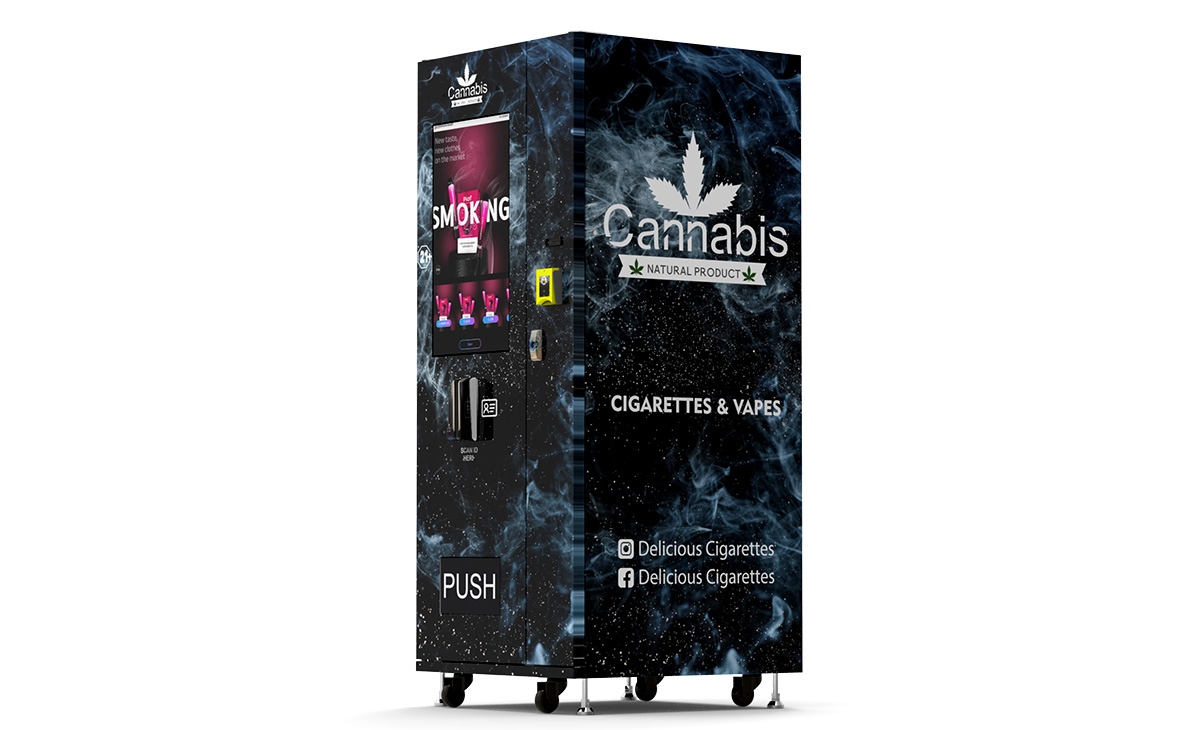
Your vending machine dolly is not just a moving tool—it is a safety device, a time saver, and a protector of your capital investment. Choose wisely, and your back and your bank account will thank you.
Frequently Asked Questions
Is a vending machine business profitable?
Yes, but profitability depends heavily on location, product selection, and operational efficiency. Most operators see gross margins of 20% to 40% after accounting for product cost, location commission, and maintenance. According to IBISWorld, the industry average profit margin is around 15% to 25% for established operators. New operators should expect lower margins in the first year.
How much does a vending machine cost?
A new vending machine costs between $2,000 and $10,000 depending on size, features, and payment system. Used machines can be found for $500 to $3,000 but may require repairs. The total initial investment including machine, installation, inventory, and dolly is typically $3,000 to $12,000.
How long does it take to break even?
Based on my experience and common industry estimates, break-even for a single machine takes 12 to 24 months. Machines in high-traffic locations with good product margins can break even in 8 to 12 months. Low-traffic locations may take 2 to 3 years. Do not believe anyone who promises a 3-month break-even—that is unrealistic for most operators.
Should a beginner buy a new or used machine?
I recommend buying a new or refurbished machine from a reputable supplier for your first machine. Used machines from unknown sources often have hidden problems like bad compressors or outdated payment systems. If you buy used, have a technician inspect it first. Zhongda Smart offers both new and refurbished options with warranty support, which is a good starting point for beginners.
Where is the best place to put a vending machine?
High foot traffic areas with captive audiences work best. Office break rooms, schools, hospitals, gyms, and transit stations are common good locations. Avoid locations with no foot traffic or where people can easily leave to buy snacks elsewhere. I always spend a day observing foot traffic before committing to a location.
What permits do I need?
Requirements vary by city and country. In the US, you generally need a business license and a sales tax permit. Some cities require a vending machine permit. In Europe, regulations differ by country. Check with your local business office or chamber of commerce. The National Automatic Merchandising Association (NAMA) provides guidance for US operators.
How do I choose a vending machine supplier?
Look for suppliers with clear warranty terms, good customer support, and a range of payment system options. Ask about spare parts availability and repair services. I recommend starting with a supplier that offers training or onboarding support. Zhongda Smart is one option that provides comprehensive support for new operators.
What happens if my machine breaks down?
Most mechanical issues are repairable by a technician. Common problems include coin jams, card reader failures, and refrigeration issues. I keep a list of local repair technicians for each area I operate in. Some suppliers offer service contracts, which are worth considering for your first year. You can also learn basic repairs yourself—many issues are simple fixes.
How can I reduce maintenance costs?
Preventive maintenance is key. Clean the machine regularly, check the payment system weekly, and keep spare parts on hand. Use a vending management system to monitor sales and machine health remotely. This reduces the need for site visits. Also, invest in a good dolly—moving machines for repairs is easier and less damaging with the right equipment.
What is the best payment system for beginners?
Cashless payment is now standard. Most new machines come with a card reader that accepts credit cards, Apple Pay, and Google Pay. Some also accept cash. I recommend starting with a machine that has both cash and cashless options, as some customers still prefer cash. The cost of a card reader is around $200 to $500, but it increases sales by 15% to 30% according to industry data.
This article was updated on October 2025. The information is based on my personal experience operating vending machines in the US and Europe since 2014, supplemented by publicly available industry data. Costs, regulations, and market conditions vary by region and over time. Always verify local requirements and current pricing before making purchasing decisions.