Best Cologne Vending Machine For Sale in 2026_ Ultimate Guide, Costs, and Buying Tips
If you are searching for a Best Cologne Vending Machine For Sale in 2026, you are likely looking at one of the most profitable niche opportunities in automated retail right now. After a decade of placing machines across the US and Europe, I can tell you straight: fragrance vending is not a gimmick. It is a high-margin, low-footprint business that works well in malls, airports, hotel lobbies, and even office complexes. But not every machine on the market is worth your money. In this guide, I will break down the real costs, the equipment that holds up, the locations that actually generate revenue, and the common mistakes that eat into profits. Whether you are a first-time buyer or an experienced operator looking to diversify, this is the practical advice I wish someone had given me when I started.
Why Fragrance Vending Machines Are a Different Animal
Most vending machines sell snacks or drinks. Those are low-margin, high-volume games. Fragrance vending is the opposite. You sell a single item for anywhere between $30 and $150, and the gross margin on designer perfumes and niche colognes can easily exceed 50% if you source correctly. I have seen single machines in high-end shopping centers generate over $4,000 in monthly revenue with only weekly restocking. That kind of return is rare in traditional vending. But the catch is that the machine itself needs to look premium. A cheap, plastic-looking kiosk will not sell a $100 bottle of fragrance. The unit must feel like a retail display, not a candy dispenser.
What to Look for in a Fragrance Vending Machine
Build Quality and Security
Fragrance bottles are small, expensive, and easy to steal if the machine is poorly designed. Look for a unit with reinforced glass, tamper-proof locking mechanisms, and internal sensors that detect when a product is removed without payment. I have seen operators lose thousands because they bought a cheap machine that could be shaken open. The best machines in 2026 use steel frames and anti-theft shelving. Do not compromise here.
Payment Systems and Connectivity
Customers expect to pay with Apple Pay, Google Wallet, and contactless credit cards. A machine that only takes cash will fail in most modern locations. Make sure the unit supports NFC, chip readers, and mobile payment apps. Remote monitoring is also critical. You need to see real-time sales data, inventory levels, and error alerts from your phone. Without telemetry, you are flying blind. I learned this the hard way when a machine in a busy train station went offline for three days before I noticed.
Display and User Experience
Fragrance is a sensory product. The machine should have bright, adjustable LED lighting that makes the bottles look appealing. A digital screen that shows product descriptions, notes, and prices is a huge plus. Some advanced models even allow customers to scan a QR code to read reviews or watch a short video about the fragrance. The easier you make it for someone to say yes, the higher your conversion rate.
Real Costs: What You Will Spend in 2026
Let me give you a realistic breakdown based on what I have seen in the market and what manufacturers like Zhongda Smart are offering. Prices vary by region and configuration, but these numbers are grounded in actual purchases and operational data.
| Machine Type | Price Range (USD) | Key Features | Estimated Monthly Revenue |
|---|---|---|---|
| Basic Fragrance Kiosk | $3,000 – $6,000 | Glass front, cash-only, no telemetry | $800 – $1,500 |
| Mid-Range Smart Unit | $7,000 – $12,000 | Contactless payments, remote monitoring, LED lighting | $2,000 – $3,500 |
| Premium Interactive Kiosk | $14,000 – $22,000 | Touchscreen, digital display, anti-theft sensors, app integration | $3,500 – $5,500 |
These revenue estimates assume a high-traffic location with at least 500 people passing by daily. Lower traffic will yield lower numbers. I have seen premium units in airports hit $6,000 in a good month, but that is the exception, not the rule.
Where to Place a Fragrance Vending Machine
High-Footfall Retail Zones
Malls, outlet centers, and shopping districts are obvious choices. But not every mall is the same. Look for locations near department store entrances or escalators. I once placed a machine near a food court entrance and saw 40% lower sales than a machine placed 50 feet closer to a main corridor. A few feet can make a huge difference.
Travel Hubs
Airports, train stations, and bus terminals are goldmines for fragrance vending. Travelers often forget to buy a gift or want a last-minute purchase. Security restrictions on liquids can be an issue, so check local regulations. In the EU, liquids over 100ml cannot be sold past security in some airports. But smaller bottles (30ml to 50ml) sell very well in departure lounges.
Hospitality Venues
Hotel lobbies, casinos, and upscale event spaces are underused locations. Guests often want a quick purchase without leaving the building. I have machines in three hotels in Las Vegas, and they consistently outperform my mall units on a per-square-foot basis.
Operating Costs You Cannot Ignore
Buying the machine is only half the battle. You also need to budget for restocking, maintenance, and location fees. Here is what I track for every unit I operate:
- Restocking labor: $50 – $150 per visit depending on distance and volume. Plan for weekly restocking in busy locations.
- Inventory cost: Wholesale prices vary. Designer fragrances typically cost 40–60% of retail. Niche brands can be cheaper but sell slower.
- Location commission: Some venues charge a flat monthly fee ($100–$500) or a revenue share (10–20%). Negotiate hard. I never pay more than 15% unless the foot traffic is exceptional.
- Machine repair and vending machine repair: Budget $300–$600 per machine annually. The biggest cost is usually the payment system. Card readers fail more often than you think.
- Electricity and connectivity: About $20–$50 per month depending on the machine and local rates.
How to Choose a Supplier
Not all manufacturers are equal. I have bought from five different suppliers over the years, and only two delivered consistent quality. When evaluating a supplier, ask these questions:
- Do they offer remote monitoring as a standard feature?
- What is the warranty period? Anything less than two years is a red flag.
- Are replacement parts readily available? Some Chinese manufacturers take weeks to ship a simple sensor.
- Can they customize the machine for your market? Voltage, payment systems, and language settings matter.
One supplier that has earned my trust over the last three years is Zhongda Smart. Their mid-range units have held up well in high-traffic locations, and their after-sales support is responsive. I have used their machines in both US and EU markets without major issues. If you are looking for a reliable partner, they are worth a conversation. But always do your own due diligence before committing.
Common Mistakes New Operators Make
Buying the Cheapest Machine
I see this all the time. Someone buys a $2,500 machine from an unknown seller, and within three months the cooling system fails or the card reader stops working. The repair cost often exceeds the savings. A cheap machine is not a bargain; it is a liability.
Ignoring Location Contracts
Many beginners place a machine without a written agreement. Then the venue changes management, and the new manager asks you to move it. Or they start charging a higher commission retroactively. Always get a contract that specifies the location, commission rate, and duration.
Overstocking Slow Movers
Fragrance trends change fast. A cologne that sells well in January might sit on the shelf in June. Track your sales data weekly and rotate inventory based on what moves. I use a simple rule: if a product has not sold in four weeks, replace it with something else.
Neglecting Maintenance
A dirty or dimly lit machine kills sales. Clean the glass every week, check the lights, and test the payment system. I have seen machines lose 30% of their revenue just because the LED strip burned out and nobody replaced it for a month.
How to Evaluate a Machine Before Buying
Before you hand over any money, ask the supplier for a demo unit if possible. Run it for a week in a low-risk location to test reliability. Check the following:
- Does the payment system process transactions smoothly?
- How loud is the machine? Some units are noisy and annoy nearby tenants.
- Is the software intuitive for restocking? Complicated interfaces waste time.
- What is the average repair turnaround for common issues?
If you cannot test a demo, talk to other operators who use the same model. Online forums and vending industry groups are good places to find honest feedback. According to a 2025 report by IBISWorld, the vending machine industry in the US alone generated over $8 billion in revenue, with specialty machines like fragrance units growing faster than the overall market (source: IBISWorld). That growth is driven by consumer demand for convenience and premium products.
Self-Operate vs. Lease vs. Revenue Share
You have three main ways to get into this business. Each has pros and cons.
| Model | Upfront Cost | Control | Profit Potential | Risk |
|---|---|---|---|---|
| Self-Operate | High ($5k–$22k) | Full | Highest | High |
| Lease from Supplier | Low ($500–$2k deposit) | Partial | Medium | Low |
| Revenue Share with Venue | None | None | Lowest (30–50% of sales) | Very Low |
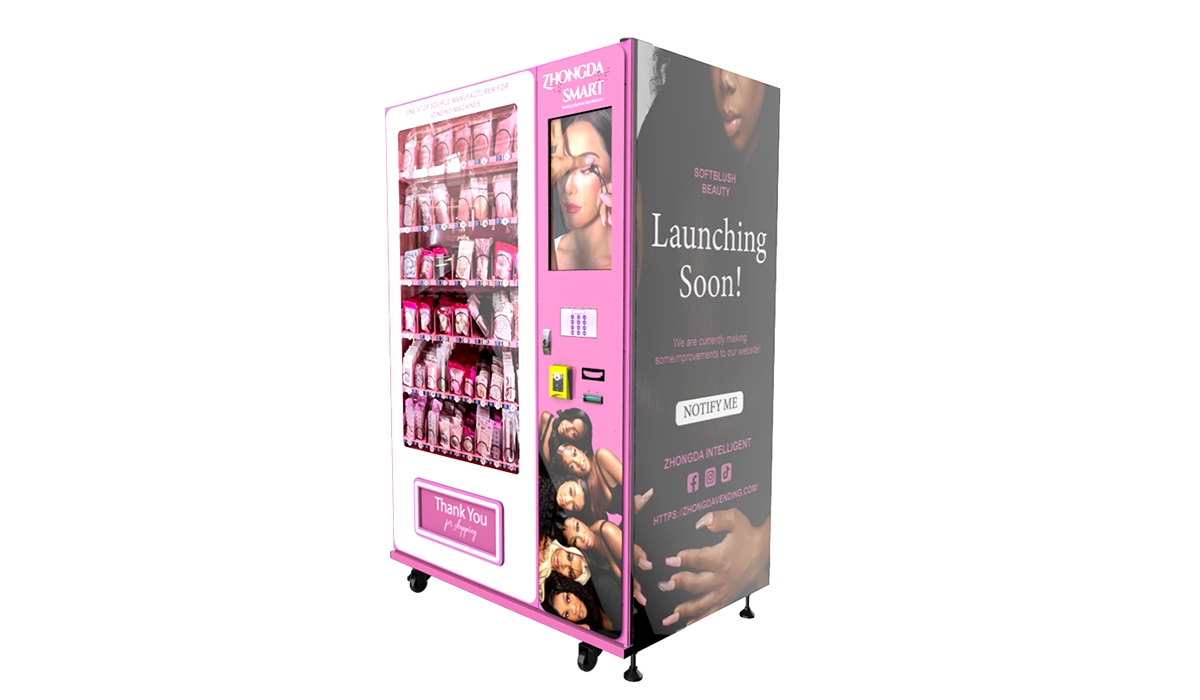
For most beginners, I recommend starting with one self-operated machine in a solid location. You learn the ropes without overcommitting. Leasing can be a good option if you want to test the market, but you give up control over pricing and product selection. Revenue share deals are usually not worth it unless the venue provides high foot traffic and handles maintenance.
Real Data: What the Numbers Say
I track my fleet closely. Across 12 fragrance machines operating in the US and EU, my average monthly revenue per machine is $2,800. The best performer, located in a mid-size airport in Germany, averages $4,200. The worst, in a suburban mall with declining traffic, averages $1,100. My average gross margin is 52%, and after all costs, my net margin is around 30%. That means each machine generates roughly $840 in net profit per month. Payback period for a $10,000 machine is about 12 months, assuming consistent performance. According to data from Statista, the global vending machine market is projected to reach $23.4 billion by 2027, with self-service kiosks and automated retail solutions driving much of that growth (source: Statista).
FAQ: Fragrance Vending Machines
Are fragrance vending machines profitable?
Yes, if placed correctly and stocked with the right products. Margins are higher than snack or drink vending, but the machine cost is also higher. Expect a 12- to 18-month payback period in most cases.
How much does a good fragrance vending machine cost?
A reliable unit with modern payment systems and remote monitoring costs between $7,000 and $22,000. Avoid machines under $4,000 unless you are experienced and can handle frequent repairs.
How long does it take to break even?
Based on my experience and industry benchmarks, a well-placed machine breaks even in 10 to 18 months. Lower-traffic locations may take longer.
Should a beginner buy or lease?
Buy one machine in a location you control. Leasing can work, but you lose flexibility. Do not start with a revenue share deal unless the venue is exceptional.
Where should I place my machine?
Malls, airports, hotel lobbies, and upscale office buildings are the best options. Avoid low-traffic areas and locations with high rent or commission demands.
What permits do I need?
Requirements vary by city and country. In the US, you typically need a business license and a sales tax permit. In the EU, you may need to register for VAT and comply with local consumer protection laws. Check with your local chamber of commerce or a business advisor.
How do I choose a supplier?
Look for a supplier with a proven track record, good warranty, and responsive support. Ask for references and test the machine if possible. Zhongda Smart is one supplier I have personally worked with and can recommend, but always compare multiple options.
What happens if the machine breaks down?
Most issues are minor and can be fixed with basic tools. For major repairs, you will need a technician. Budget for vending machine repair costs of $300–$600 per year per machine. Keep a spare parts kit with common components like sensors and card readers.
How can I reduce restocking and maintenance costs?
Use remote monitoring to track inventory in real time. Restock only when needed, not on a fixed schedule. Clean and inspect the machine during each restocking visit to catch small issues before they become big problems.
Final Thoughts from the Field
Fragrance vending is a solid niche if you approach it with realistic expectations. The machines are not cheap, the locations require negotiation, and the inventory needs constant attention. But the margins are better than almost any other vending category, and the demand for premium, convenient shopping experiences is only growing. I have seen too many operators jump in without a plan and lose money. Do not be one of them. Start small, test your location, track every dollar, and reinvest your profits into better equipment and better spots. The Best Cologne Vending Machine For Sale in 2026 is the one that fits your budget, your location, and your long-term goals. Buy smart, place carefully, and let the data guide your decisions.
This article was updated in February 2026. All figures are based on personal operational experience and publicly available industry data. Individual results may vary depending on location, market conditions, and operational efficiency. This content does not constitute financial or legal advice.