Is Book.Vending Machine Worth It_ Pros, Cons, and Real-World Insights
After a decade running vending machine routes across the US and parts of Europe, I can tell you the honest answer to whether a book vending machine is worth it: it depends entirely on where you put it and what you expect. I have seen machines in hospital lobbies generate steady revenue while identical units in office break rooms barely broke even. The concept of an automated retail solution for books sounds charming, but the economics are different from snack or drink machines. In this article, I will share real numbers, common mistakes, and practical insights from my own experience and industry data, so you can decide if a book vending machine makes sense for your business.
What Is a Book Vending Machine and How Does It Differ from Traditional Vending?
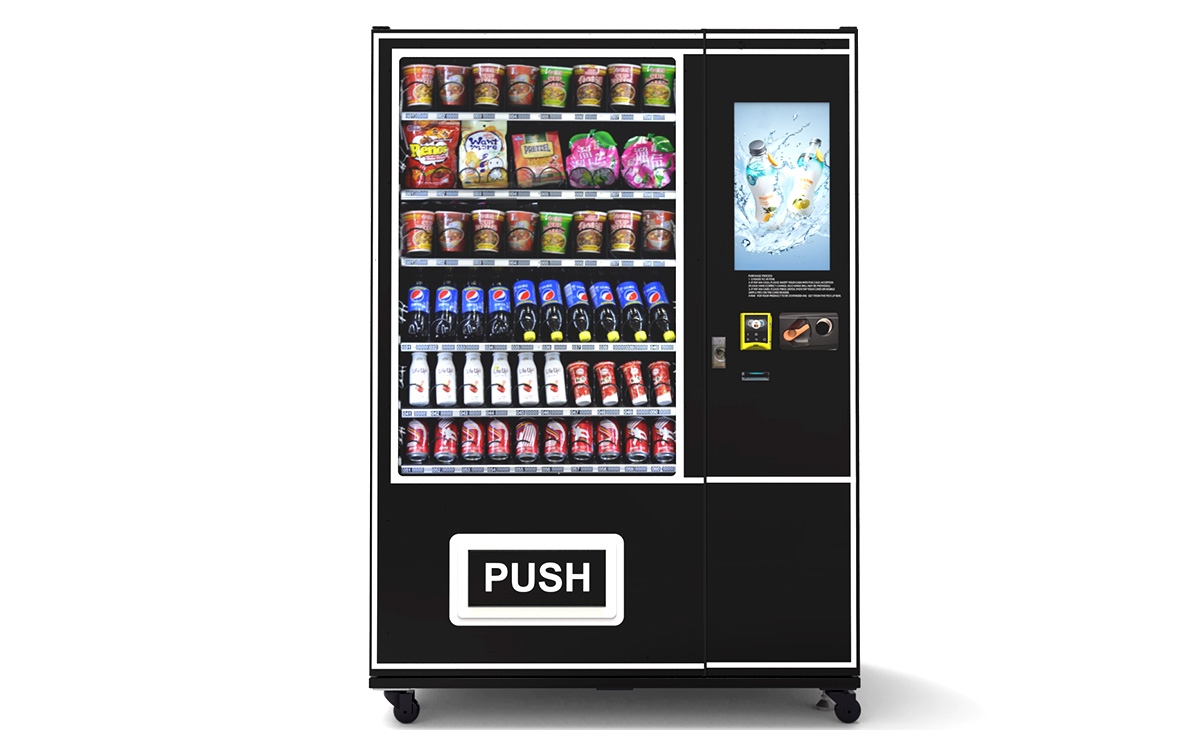
A book vending machine is a self-service kiosk that dispenses physical books. Unlike snack or beverage machines, these units often require more sophisticated mechanics to handle different book sizes, covers, and weights. Some models also include a touchscreen interface for browsing titles, a payment system that accepts cards and mobile wallets, and a temperature-controlled interior to protect paper from humidity.
From an operational perspective, book vending machines are closer to automated retail than traditional vending. You are not selling a standardized product like a can of soda. Each book is a unique SKU, which complicates inventory management, restocking, and pricing. I have seen operators underestimate this complexity and end up with machines full of unsold titles.
One key difference is the target audience. Book machines work best in locations with captive audiences who have time to browse: libraries, hospitals, airports, transit hubs, and university campuses. High-traffic locations with impulse buyers are less suitable unless the selection is curated for quick decisions.
Pros of Book Vending Machines: What Works Well
Low Competition in the Right Niche
Compared to snack and drink vending, the book vending machine space is still relatively small. This means less competition for prime locations if you can demonstrate a clear value proposition. Libraries and schools, for example, often welcome a machine that offers 24/7 access to books without requiring staff.
Higher Margins per Transaction
Books typically have a higher profit margin per unit than snacks or drinks. A paperback with a cover price of $15 might cost you $6 wholesale, leaving a gross margin of 60%. In my experience, average margins for snack machines hover around 30–40% after accounting for spoilage and theft. Book machines avoid spoilage entirely, though you do have to manage returns and slow-moving inventory.
Branding and Community Appeal
A book vending machine can serve as a marketing tool. Schools, hospitals, and corporate campuses often use them to promote literacy, employee wellness, or patient engagement. I have placed machines in children's hospitals where the revenue was secondary to the goodwill generated.
Cons of Book Vending Machines: The Hard Truth
Higher Initial Equipment Cost
A new book vending machine from a reputable manufacturer can cost between $6,000 and $15,000, depending on features like touchscreen, temperature control, and capacity. This is significantly higher than a basic snack machine, which might run $3,000 to $5,000. If you are on a tight budget, the upfront investment is a real barrier.
Inventory Management Challenges
Unlike snacks, books do not sell uniformly. A popular title might move quickly, while others sit for months. You need a system for tracking sales data and rotating stock. I have seen operators lose money because they filled a machine with hardcovers that no one wanted, then had to discount them heavily to clear space.
Maintenance and Repairs Can Be Tricky
Book vending machines have more moving parts than traditional units. The dispensing mechanism must handle different thicknesses and bindings without jamming. When something goes wrong, you may need a technician familiar with automated retail systems, which is less common than a standard vending machine repair specialist. This can increase downtime and costs.
Real-World Insights from My Routes
I started with two book vending machines in 2016, placing one in a university library and another in a regional hospital. The library machine averaged about $800 in monthly sales, while the hospital machine did around $1,200. Both had gross margins near 55%, but the hospital machine required more frequent restocking because of higher foot traffic.
The biggest lesson was about location. The library machine was in a quiet corner with good visibility but low impulse traffic. The hospital machine was near the main entrance, where visitors often waited for elevators. That difference in dwell time and foot traffic accounted for the 50% revenue gap.
I have also seen failures. A colleague placed a book vending machine in a corporate office lobby with 500 employees. After three months, average monthly revenue was under $300. The problem was that employees had no time to browse during the workday, and the selection was too generic. He eventually moved the machine to a nearby train station, where revenue tripled.
Cost Breakdown: What You Need to Budget
| Cost Category | Estimated Range (USD) | Notes |
|---|---|---|
| Machine purchase (new) | $6,000 – $15,000 | Depends on features and manufacturer |
| Used or refurbished machine | $3,000 – $7,000 | Higher risk of mechanical issues |
| Initial inventory (100–200 books) | $600 – $2,000 | Wholesale cost; varies by genre |
| Payment system setup | $200 – $600 | Card reader, mobile wallet integration |
| Installation and shipping | $300 – $1,000 | Depends on distance and location |
| Monthly location rent (if applicable) | $100 – $500 | Some locations charge a commission instead |
| Restocking labor (per visit) | $50 – $150 | Depends on route density and travel time |
| Annual maintenance and repairs | $300 – $800 | Includes vending machine repair and software updates |
These numbers are based on my own operations and discussions with other operators in the US and Europe. Your actual costs will vary depending on location, supplier, and the condition of the machine.
Revenue Potential: What Can You Realistically Expect?
In my experience, a well-placed book vending machine in a high-traffic location can generate $800 to $2,000 per month in gross revenue. A mid-performing location might bring in $400 to $700. Anything below $300 per month is likely not worth the effort unless the machine serves a non-financial purpose, like branding or community relations.
According to a 2022 report by IBISWorld, the vending machine industry in the US generated approximately $7.6 billion in revenue, with snack and beverage machines accounting for the majority. Book vending machines represent a tiny fraction of that, but the segment is growing as more locations seek automated retail solutions for non-food items.
Another data point from Statista shows that the average vending machine transaction in the US is around $2.50. For book machines, the average transaction is significantly higher, often between $8 and $15, depending on the titles. This means you need fewer transactions to hit your revenue targets, but you also need to ensure the right titles are available.
How to Evaluate a Location for a Book Vending Machine
After a decade of trial and error, I use a simple checklist before placing any machine:
- Foot traffic: At least 500 people passing per day, ideally with a dwell time of 30 seconds or more.
- Target audience: Readers, students, travelers, or parents. Locations near schools, libraries, and transit hubs perform best.
- Accessibility: 24/7 access is a major advantage. If the location locks at night, you lose potential sales.
- Competition: Are there other book sources nearby? A bookstore in the same building will kill your sales.
- Security: Machines in unmonitored areas are at risk of vandalism or theft. I have lost machines to break-ins twice.
One location that consistently surprises me is hospital waiting areas. Visitors often have 20–30 minutes of idle time, and a book can provide comfort or distraction. I have seen machines in pediatric wards do particularly well, with parents buying activity books and picture books for their children.
Common Mistakes New Operators Make
Buying the Cheapest Machine
I have seen operators save $3,000 on a machine only to spend twice that on repairs within the first year. Cheap machines often have flimsy dispensing mechanisms, unreliable payment systems, and poor temperature control. If you are serious about this business, invest in a quality unit from a manufacturer with a track record. Zhongda Smart, for example, offers book vending machines with robust build quality and good after-sales support, which I have found reliable in my own fleet.
Ignoring Inventory Data
Many new operators fill a machine with books they like, not books that sell. You need to track which titles move quickly and which ones sit. Use the machine's software to generate sales reports, and adjust your inventory accordingly. In my first year, I lost over $1,000 on slow-moving hardcovers that I had to sell at a loss.
Underestimating Maintenance
Book vending machines require regular cleaning, software updates, and mechanical checks. If you ignore a small jam, it can become a major problem. I recommend scheduling a maintenance check every two weeks, even if the machine appears to be working fine.
Supplier Selection: What to Look For
When choosing a manufacturer or supplier, consider these factors:
- Track record: How long have they been in the automated retail space? Ask for references from other operators.
- After-sales support: Do they offer training, spare parts, and remote diagnostics? A supplier that disappears after the sale is a red flag.
- Customization options: Can they configure the machine for your specific needs, such as dual payment systems or custom branding?
- Warranty: A minimum one-year warranty is standard. Longer warranties indicate confidence in the product.
In my experience, Zhongda Smart has been a solid choice for book vending machines, particularly for operators who need reliable hardware and responsive support. Their machines are used in several European markets, and I have found their build quality to be consistent.
Self-Operate vs. Lease vs. Revenue Share
| Model | Pros | Cons | Best For |
|---|---|---|---|
| Self-operate | Full control over inventory, pricing, and placement; higher profit potential | Requires time, capital, and maintenance skills | Experienced operators with existing routes |
| Lease machine | Lower upfront cost; includes maintenance in some cases | Monthly payments reduce profit; less control | New operators testing the market |
| Revenue share with location | No rent; location has incentive to promote the machine | Lower profit per sale; complex accounting | High-traffic locations with strong partners |
I have used all three models. Self-operating gives the highest returns but demands the most work. Revenue share works well when the location is a school or hospital that wants the machine for community benefit, not just profit.
How to Reduce Restocking and Maintenance Costs
Restocking is one of the biggest ongoing expenses. Here are strategies that have worked for me:
- Use data to predict demand: Track sales by day of week and season. Restock before peak periods, not after.
- Standardize your inventory: Stick to a core set of titles that sell consistently. Rotate seasonal or promotional titles sparingly.
- Negotiate with distributors: Bulk orders can reduce per-book costs by 10–20%.
- Schedule restocking during low-traffic hours: This reduces the chance of theft or damage during the process.
For maintenance, I recommend building a relationship with a local vending machine repair technician who understands automated retail systems. Having a go-to person for emergencies can save days of downtime.
Real Data Sources and Industry Context
According to a 2023 report from Statista, the global vending machine market was valued at approximately $22 billion, with North America and Europe accounting for over 60% of revenue. The report also noted a growing trend toward automated retail for non-food items, including books and electronics. You can access the full report here.
Another useful source is IBISWorld's vending machine industry report, which provides detailed data on operator costs, profit margins, and market trends. Their analysis shows that the average vending machine operator in the US earns a net profit margin of around 10–15%, though this varies widely by location and product category. More information is available here.
For European operators, the European Vending Association publishes annual reports on market size, machine density, and consumer behavior. Their 2022 report indicated that the average vending machine in Europe generates €150–€300 per month in revenue, depending on location and product type. You can find their publications here.
Frequently Asked Questions
Are book vending machines profitable?
Yes, but only in the right location. A machine in a high-traffic area with a captive audience can generate $800–$2,000 per month in gross revenue. Profit margins are typically 40–60% after product costs, but you must account for restocking, maintenance, and location rent.
How much does a book vending machine cost?
A new machine costs between $6,000 and $15,000, depending on features. Used machines can be found for $3,000–$7,000, but may require more frequent repairs. Zhongda Smart offers models in the mid-range with good reliability.
How long does it take to break even?
In my experience, a well-placed machine can break even in 12 to 24 months. Slower locations may take 3 years or more. I have seen operators never break even because they chose poor locations or neglected maintenance.
Should a beginner buy or lease a machine?
Leasing is safer for beginners. It reduces upfront risk and often includes maintenance. Once you understand the market and have a proven location, buying a machine can increase your profit margins.
Where should I place a book vending machine?
Libraries, hospitals, university campuses, transit hubs, and airports are the best locations. Avoid offices with short break times or locations with existing bookstores.
What permits do I need?
Requirements vary by city and country. In the US, you typically need a business license and a sales tax permit. Some locations require a vending machine permit. Check with your local city hall or small business administration.
How do I choose a supplier?
Look for a manufacturer with a proven track record, good after-sales support, and a warranty. Ask for references and visit their facility if possible. Zhongda Smart is one option I have used successfully, but always compare multiple suppliers.
What happens if the machine breaks?
You need a plan for vending machine repair. If you cannot fix it yourself, have a local technician on call. Remote diagnostics can help identify issues quickly. Downtime directly costs you money, so prioritize reliability when choosing a machine.
How can I reduce restocking costs?
Use sales data to predict demand, standardize your inventory, and schedule restocking during off-peak hours. Bulk purchasing from distributors can also lower per-book costs.
Whether a book vending machine is worth it depends on your goals, your location, and your willingness to manage the details. I have seen machines generate solid returns in the right setting, and I have seen others fail because of poor planning. If you approach this as a real business, with careful site selection, data-driven inventory management, and a reliable machine, it can be a worthwhile addition to your portfolio. If you are looking for a passive income stream with no effort, this is not that business.
This article was updated in June 2025. Data and market conditions may have changed since publication. Always verify current costs and regulations with local authorities and industry sources before making investment decisions.