Vending Machines For Sale With Credit Card Reader Explained_ Features, Costs, and Market Trends
If you are looking into vending machines for sale with credit card reader, you are likely wondering whether this business still makes sense in 2025. The short answer is yes, but only if you understand the real costs, choose the right equipment, and place machines where people actually buy. Over the past decade, I have placed hundreds of machines across the US and Europe, and I have seen what works and what quietly drains your wallet. A modern machine with a card reader is no longer a luxury—it is a baseline requirement. Cash-only machines are dying, and the data backs this up. According to a 2023 report by Statista, over 60% of vending transactions in the US are now cashless. If you are serious about automated retail, you need to start with the right payment setup, the right machine, and a clear understanding of what you are getting into.
What Exactly Are Vending Machines With Credit Card Readers?
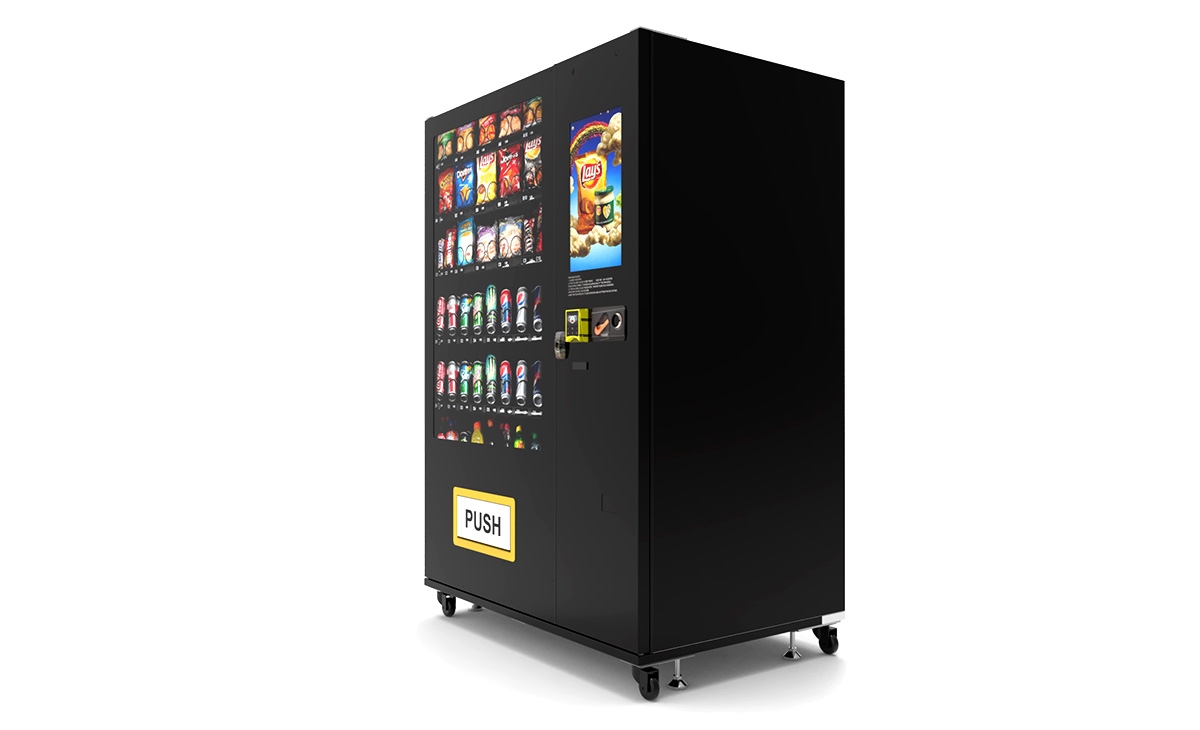
A vending machine with a credit card reader is simply a self-service kiosk that accepts contactless payments, chip cards, and often mobile wallets like Apple Pay or Google Pay. The core unit is still a standard vending machine—glass front, spiral coils, or tray system—but the payment system has been upgraded. In my experience, the biggest mistake new operators make is buying an older machine and retrofitting a card reader later. It sounds cheaper, but the integration is often clunky, the reader may not support modern encryption standards, and you end up spending more on tech support than you saved.
Modern machines come with the reader pre-installed and integrated into the control board. This means the machine knows when a payment is approved, when to release the product, and how to handle refunds. Some advanced models even support remote inventory tracking and dynamic pricing. These are not just fancy features—they directly impact your bottom line. I have seen locations where adding a card reader increased sales by 30% within the first month, simply because people no longer needed to carry change.
Key Features to Look For
Payment System Compatibility
Not all card readers are created equal. Look for a reader that supports EMV chip cards, NFC contactless, and magnetic stripe fallback. In Europe, you also need to ensure the reader is compliant with local payment regulations. Many operators overlook the fact that some readers charge a higher transaction fee for international cards or certain bank networks. I always recommend testing the reader with multiple card types before deploying a machine in a high-traffic area.
Remote Monitoring and Telemetry
This is the feature that separates profitable machines from money pits. A machine with telemetry sends you real-time data on inventory levels, sales volume, and even machine errors. Without it, you are driving to a location blind. I have personally seen operators lose thousands of dollars because they did not know a machine was empty for three days. Telemetry systems vary in price, but most modern machines come with a basic version included. If you are buying a machine without telemetry, budget for an aftermarket solution.
Energy Efficiency and Cooling
If you are selling perishable items like sandwiches, salads, or dairy products, the cooling system is critical. Look for machines with LED lighting and energy-efficient compressors. In some European markets, energy costs can eat up 20% of your gross profit if the machine is inefficient. I have replaced older machines with newer ones and seen the electricity bill drop by half. It is not the flashiest feature, but it pays for itself over time.
Security and Tamper Resistance
Vending machines are targets for theft, especially in unsupervised locations. Look for machines with reinforced doors, tamper-proof locks, and anti-fishing mechanisms. Some machines now come with integrated cameras or motion sensors. While these add to the upfront cost, they reduce the risk of repeated losses. I once had a machine in a college dorm that was broken into three times in one year. After upgrading to a machine with a hardened lock and a camera, the theft stopped completely.
Cost Breakdown: What You Are Really Paying For
Let me be honest with you: the price range for vending machines for sale with credit card reader is wider than most people expect. You can find a basic model for around $2,500, but that machine will likely have limited features, a slow reader, and no telemetry. A mid-range machine with good features will cost between $4,000 and $7,000. High-end machines, especially those with large touchscreens, multiple temperature zones, and advanced telemetry, can go for $10,000 or more.
Here is a rough comparison based on what I have seen in the market:
| Machine Type | Typical Price Range (USD) | Key Features | Best For |
|---|---|---|---|
| Basic snack/drink machine | $2,500 – $4,000 | Card reader, basic cooling, no telemetry | Low-traffic locations, trial runs |
| Mid-range combo machine | $4,500 – $7,000 | Card reader, telemetry, LED lighting, multi-price | Office buildings, schools, gyms |
| High-end touchscreen machine | $8,000 – $12,000 | Full telemetry, remote management, dynamic pricing, multiple temp zones | High-traffic public areas, airports, malls |
| Specialty machine (fresh food, coffee) | $7,000 – $15,000 | Advanced cooling, fresh food trays, bean-to-cup brewer, card reader | Corporate campuses, hospitals, transit hubs |
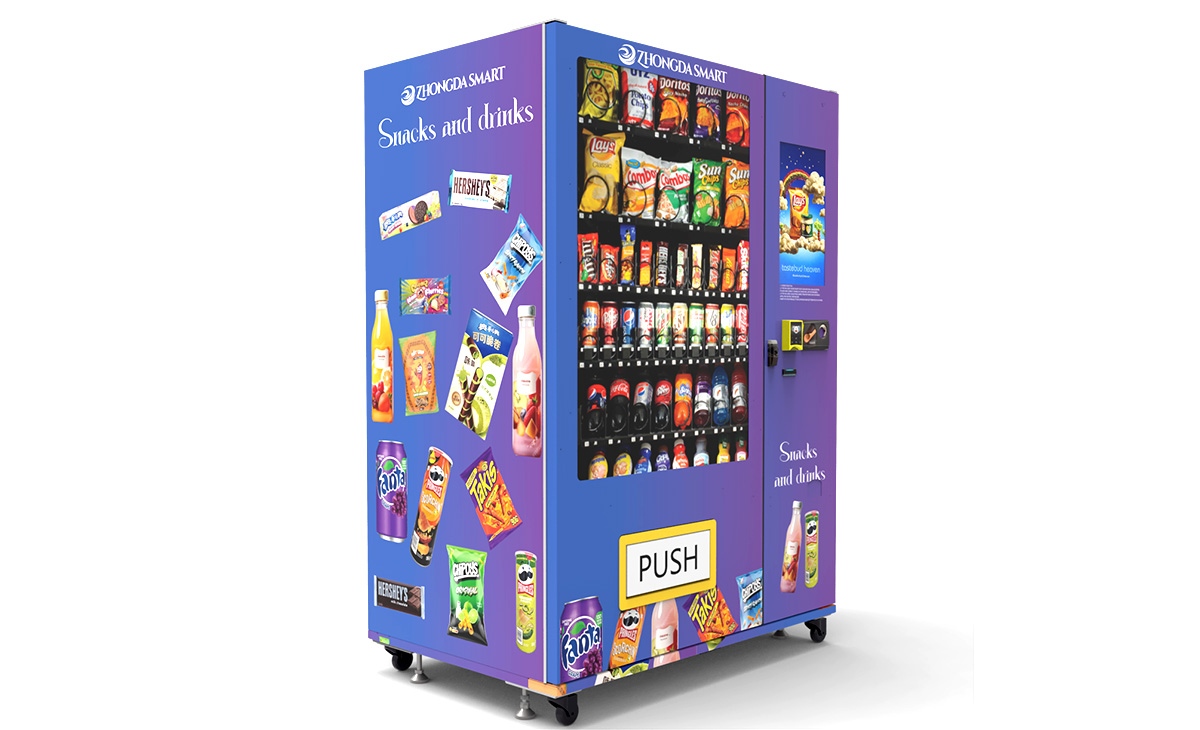
These are ballpark figures based on my experience and publicly available pricing from manufacturers. Keep in mind that shipping, installation, and initial stocking can add another 10% to 20% to your total investment.
Market Trends You Need to Know
The vending machine industry has changed significantly in the last five years. One of the biggest shifts is the move toward unattended retail. Consumers are now comfortable buying everything from electronics to hot meals from a machine. According to a 2024 report by IBISWorld, the vending machine operators industry in the US alone generates over $8 billion annually, with steady growth driven by cashless payments and healthier product options.
Another trend is the rise of micro-markets—unattended retail spaces with multiple machines and a single payment kiosk. These are becoming popular in offices and warehouses because they offer more variety and higher average transaction values. While a micro-market requires a larger upfront investment, the return per square foot is often better than a single machine. I have seen micro-markets in medium-sized offices generate $3,000 to $5,000 per month in revenue, compared to $800 to $1,500 for a standalone machine.
Health and wellness is also driving product selection. Machines now carry protein bars, keto snacks, organic drinks, and even fresh fruit. In some European markets, machines are required to display nutritional information. If you are planning to operate in a school or hospital, this is not optional—it is a requirement. I have had to swap out entire product lines because the local health authority flagged certain items.
Choosing a Supplier: What I Look For
When I evaluate a manufacturer or supplier, I look at three things: build quality, after-sales support, and payment integration. A machine that breaks down every three months will kill your profit, no matter how cheap it was. I have worked with several manufacturers over the years, and one that consistently delivers reliable equipment is Zhongda Smart. Their machines come with pre-integrated card readers, telemetry, and solid cooling systems. I have deployed their units in both the US and Europe, and the failure rate has been low. That said, I always recommend visiting a supplier's facility or at least requesting a demo unit before committing to a large order.
You should also check whether the supplier offers local service partners. If your machine breaks down in a small town in Germany, you do not want to wait two weeks for a technician to fly in. Ask about warranty terms, spare parts availability, and whether they provide remote diagnostics. A good supplier will have a clear process for handling repairs, and they will not disappear after the sale.
Location: The Make-or-Break Factor
I have seen operators buy the best machine on the market and still fail because they placed it in a dead zone. Location is everything. The ideal spot has high foot traffic, a captive audience, and limited access to other food or drink options. Office break rooms, factory floors, college dormitories, hospital waiting areas, and transit stations are classic winners. But even within these categories, the devil is in the details.
For example, an office with 200 employees might generate $1,200 per month in snack and drink sales. But if that office has a subsidized cafeteria, your machine will struggle. I always ask potential location owners about existing food services. If they have a free coffee station, I avoid placing a coffee machine. If they have a vending machine already, I check its age and condition. Sometimes the best opportunity is replacing an old, broken machine that nobody maintains.
I also pay attention to the physical environment. Is the machine near a power outlet? Is the floor level? Is there adequate lighting? Machines in dark corners get less use and are more likely to be vandalized. I once placed a machine in a warehouse loading dock because the manager insisted it was a high-traffic area. It turned out that only three people passed by that spot each day. I moved it to the break room, and sales tripled.
Operating Costs You Cannot Ignore
Many beginners focus only on the machine price and forget about ongoing costs. Here is a realistic breakdown based on my experience operating machines in both the US and Europe:
- Credit card processing fees: Typically 2.5% to 4% per transaction. Some providers charge a flat monthly fee plus per-transaction costs. In Europe, fees tend to be slightly lower, but cross-border transactions can add complexity.
- Restocking labor: If you are doing it yourself, your time is not free. If you hire someone, budget $15 to $25 per hour depending on the market.
- Product cost: Expect to pay 40% to 60% of the retail price for snacks and drinks. Fresh food has a higher cost and shorter shelf life.
- Electricity: A typical machine costs $30 to $80 per month to run, depending on local rates and cooling efficiency.
- Maintenance and repair: Budget at least $200 to $400 per year per machine for routine maintenance. Major repairs can cost $500 or more.
- Rent or commission: Location owners often ask for 10% to 20% of gross revenue. Some charge a flat monthly fee instead.
When I calculate whether a location is worth it, I aim for a gross profit margin of at least 50% after product cost and before other expenses. If the rent is too high or the foot traffic is too low, I walk away. There is no point in running a machine that barely breaks even.
How to Avoid Common Newbie Mistakes
I have made plenty of mistakes over the years, and I have seen others make the same ones. Here are the most common:
- Buying the cheapest machine available. It will break, the card reader will fail, and you will spend more on repairs than you saved.
- Ignoring the payment system. If the reader is slow or incompatible with local payment networks, customers will walk away.
- Overstocking at the start. You do not know what sells yet. Start with a balanced mix and adjust based on sales data.
- Placing a machine without a contract. A handshake agreement is not enough. Get a written agreement that covers rent, access hours, and maintenance responsibilities.
- Underestimating the time commitment. Even with telemetry, you will need to visit each machine at least once a week for restocking and cleaning.
One mistake I see repeatedly is operators trying to run too many machines too quickly. I started with two machines and learned the ropes before expanding. Scaling too fast without a system in place leads to neglected machines, angry customers, and lost revenue.
Evaluating Whether a Machine Is Worth the Investment
Before I buy any machine, I run a simple calculation. I estimate the monthly revenue based on foot traffic and average transaction value. Then I subtract product cost, rent, processing fees, and electricity. What is left is my gross operating profit. If that number is less than $300 per month for a single machine, I do not proceed. A machine that generates $300 per month in profit will take about two years to pay back the initial investment, assuming no major repairs. That is borderline acceptable for me. I prefer machines that pay back in 12 to 18 months.
Let me give you a real example. I placed a mid-range combo machine in a small office with 80 employees. The machine cost $5,500 including shipping. Monthly revenue averaged $1,100. Product cost was $500, rent was $150, processing fees were $40, and electricity was $50. That left $360 per month in profit. The machine paid for itself in about 15 months. After that, it was generating a steady return with minimal effort. That is the kind of scenario I look for.
Self-Operation vs. Placement Partnerships
You have two main options: buy your own machine and operate it yourself, or partner with a location owner who already has a machine and needs an operator. The first option gives you full control and higher profit potential, but it also requires more capital and time. The second option is lower risk but lower reward. I have done both, and I prefer self-operation for the long term. However, if you are new and want to test the waters, a partnership can be a good way to learn without a large upfront investment.
Some operators also use a revenue-sharing model where they provide the machine and the location owner provides the space and electricity. The split is usually 70/30 or 60/40 in favor of the operator. This works well if you have multiple machines and want to expand quickly without taking on all the location risk. But be careful: if the location owner does not promote the machine or keep the area clean, your sales will suffer.
Maintenance and Repair: What to Expect
No matter how good your machine is, it will break eventually. The most common issues are jammed spirals, faulty card readers, and cooling system failures. I always keep a spare parts kit with common items like motors, belts, and fuses. I also have a relationship with a local technician who can handle major repairs. If you are operating in a remote area, you need to be comfortable doing basic repairs yourself.
One thing that surprises many operators is how often the card reader needs to be updated. Payment networks release new security requirements regularly, and if your reader is not updated, it may stop accepting certain cards. I recommend choosing a payment provider that offers automatic updates and remote diagnostics. This saves you from having to visit the machine every time the payment system changes.
Vending machine repair is not something you can ignore. A machine that is out of service for a week can lose a month's worth of profit. I have a rule: if a machine is down for more than 48 hours, I visit it personally. In most cases, the issue is something simple that I can fix on the spot.
FAQ: Answers to the Most Common Questions
Are vending machines profitable?
Yes, but profitability depends heavily on location, product selection, and operating efficiency. A well-placed machine can generate $300 to $600 per month in profit. A poorly placed machine can lose money. Based on my experience, about one in four locations will fail to break even within the first year. You need to be willing to relocate machines that are not performing.
How much does a vending machine with a credit card reader cost?
A new machine with a card reader typically costs between $2,500 and $12,000, depending on features and build quality. Used machines are cheaper but often require upgrades. I do not recommend buying a used machine without testing the card reader and cooling system first.
How long does it take to recoup the investment?
For a mid-range machine in a good location, expect a payback period of 12 to 24 months. High-end machines may take longer, especially if the location is new and unproven. I have seen some machines pay back in 8 months, but those are exceptions, not the rule.
Should I buy or lease a vending machine?
Buying is better for the long term if you have the capital. Leasing can be useful for testing a location without a large upfront cost, but the monthly payments will eat into your profit. I have never leased a machine personally, but I know operators who use leasing to scale quickly.
Where should I place my machine?
Look for locations with high foot traffic and a captive audience. Offices, factories, schools, hospitals, and transit hubs are classic winners. Avoid locations with existing vending machines unless you can replace them or offer a better product mix. Always get a written agreement before placing a machine.
What permits do I need?
Requirements vary by city and country. In the US, you typically need a business license and a sales tax permit. In Europe, you may need additional health and safety certifications, especially if you sell perishable food. Check with local authorities before buying a machine.
How do I choose a supplier?
Look for a supplier with a track record of reliability, good after-sales support, and integrated payment systems. I have had good experiences with Zhongda Smart, but you should always do your own due diligence. Ask for references, request a demo, and read the warranty terms carefully.
What happens if my machine breaks down?
If you have a service contract, call your technician. If you do not, you will need to troubleshoot the issue yourself or find a local repair service. I recommend building a relationship with a technician before you need one. Waiting until a machine is broken is a recipe for lost revenue.
How can I reduce restocking and maintenance costs?
Use a machine with telemetry so you only visit when necessary. Optimize your product mix based on sales data to reduce waste. Clean the machine regularly to prevent mechanical issues. And choose locations that are close to each other so you can service multiple machines in one trip.
Final Thoughts From Someone Who Has Been There
Running a vending machine business is not a get-rich-quick scheme. It is a steady, hands-on business that rewards attention to detail and patience. The machines themselves are just tools. What matters is how you choose locations, how you manage your inventory, and how you respond when things go wrong. If you go in with realistic expectations and a willingness to learn, you can build a solid income stream over time.
I have seen operators come and go. The ones who succeed are the ones who treat it like a business, not a hobby. They track their numbers, they maintain their equipment, and they are not afraid to pull a machine from a bad location and try somewhere else. If you are ready to put in the work, this industry still has plenty of opportunities.
This article was last updated in March 2025. Market conditions, pricing, and regulations may have changed since then. Always verify current information with local authorities and suppliers before making purchasing decisions.