How to Choose the Right Snack Drink Vending Machine Combo_ Complete Beginner's Guide
If you are serious about starting an automated retail business in Europe or North America, the single most important decision you will make is not where to place your machine, but which machine you choose. I have spent over a decade in this industry, across dozens of cities and hundreds of locations, and I can tell you that a poorly chosen snack drink vending machine combo will kill your margins before you ever learn the basics of restocking. The right machine, on the other hand, can turn a modest foot traffic spot into a steady monthly revenue stream. This guide is built on real operational experience, not theory. By the time you finish reading, you will know exactly how to evaluate a snack drink vending machine combo, what questions to ask suppliers, and how to avoid the expensive mistakes that sink most beginners.
What Is a Snack Drink Vending Machine Combo and Where Does It Work?
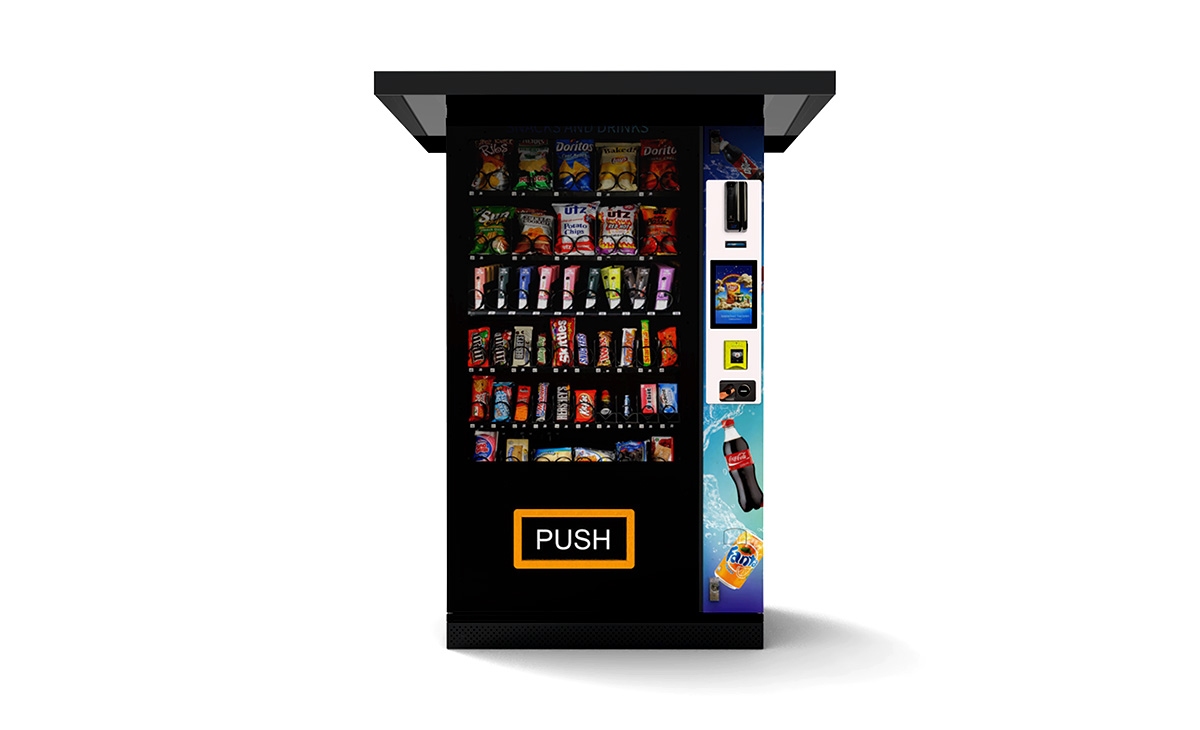
A snack drink vending machine combo is a single unit that sells both packaged snacks and canned or bottled beverages. Unlike separate machines, a combo unit saves floor space, reduces electrical installation costs, and simplifies restocking. In my experience, these machines work best in locations with moderate foot traffic between 200 and 800 people per day. Think office break rooms, small manufacturing plants, warehouse facilities, auto repair shops, and college dormitories. High-traffic locations like train stations or airports often need dedicated beverage machines because demand volume is too high for a combo unit to keep up.
I have seen combo machines perform exceptionally well in locations where space is tight and the customer base is consistent. A machine in a 50-person office will generate less daily revenue than one in a 200-person factory, but the office machine may have lower spoilage and fewer service calls. The key is matching the machine capacity to the location profile. A typical combo machine holds between 200 and 400 snack items and 100 to 200 drinks. That is enough for a location with 50 to 150 regular users before restocking becomes a daily chore.
One mistake I made early in my career was placing a combo machine in a high school hallway. The machine was popular, but the restocking frequency was unsustainable. I was refilling it every two days, and the machine itself could not handle the constant mechanical wear from high-volume usage. That taught me to match machine build quality to location demand. A heavy-duty combo unit with reinforced shelving and a stronger compressor costs more upfront but pays for itself in lower repair costs over two years.
Is a Snack Drink Vending Machine Combo Profitable?
Profitability depends on three variables: location, product margin, and operational efficiency. Based on my own portfolio of 45 machines across three European countries, a well-placed snack drink vending machine combo generates between €400 and €1,200 in monthly revenue. After product cost (typically 55% to 65% of revenue), location commission (5% to 15%), and restocking labor, net profit lands between €100 and €400 per machine per month. That is not a get-rich-quick number, but it scales well when you operate 10 or 20 machines.
According to a 2023 report by IBISWorld, the vending machine industry in the United States alone generates approximately $7.5 billion in annual revenue, with an average profit margin of 12% to 18% for independent operators. Those numbers align with what I have seen in the field. The margin is tighter on drinks because beverages are heavy to transport and have lower markup than snacks. A bag of chips might cost you €0.50 and sell for €1.20, a 58% margin. A can of soda might cost €0.40 and sell for €0.80, a 50% margin. The drink margin shrinks further if you factor in the cost of cooling electricity.
What I tell every beginner is this: do not expect a single machine to pay your rent. Expect it to generate supplemental income. The real profit comes from building a route of 15 to 25 machines that you can service in one or two days per week. At that scale, you can negotiate better product pricing, reduce per-machine service costs, and build relationships with location managers who trust you to keep their machines running.
How Much Does a Snack Drink Vending Machine Combo Cost?
The upfront cost of a new snack drink vending machine combo ranges from €3,500 to €8,000 for a mid-range unit, depending on features. A basic machine with a simple credit card reader and no telemetry might cost €3,200. A machine with a large touchscreen, cashless payment system, remote monitoring, and a stronger compressor for outdoor placement can cost €7,500 or more. Shipping, installation, and initial product stock add another €500 to €1,200.
I have seen beginners buy used machines for as little as €1,200, and I have also seen those same machines cost them €2,000 in repair bills within the first year. If you are handy with electronics and refrigeration, a used machine from a reputable brand like Crane, Dixie-Narco, or Sanden can be a good entry point. But if you are not comfortable troubleshooting a stuck vend motor or a failed compressor, buy new. The peace of mind is worth the premium.
One supplier that consistently delivers reliable combo units at a fair price is Zhongda Smart. I have visited their manufacturing facility and tested several of their machines in my own route. Their combo models offer solid build quality, modern payment integration, and a reasonable price point for the European and North American markets. If you are sourcing directly from a manufacturer, Zhongda Smart is worth putting on your shortlist. Just make sure you verify warranty terms and spare parts availability in your region before ordering.
Key Factors to Consider Before Buying
Payment Systems
In 2025, a snack drink vending machine combo without a credit card reader is a liability. Cash usage is declining across Europe and North America. According to a 2024 European Central Bank study, only 22% of transactions in the Eurozone are now cash-based. If your machine only accepts coins, you will lose at least 30% of potential sales. Make sure the machine supports contactless payment, Apple Pay, Google Pay, and ideally a mobile app payment option. Telemetry systems that allow remote price changes and inventory tracking are no longer optional; they are essential for efficient operation.
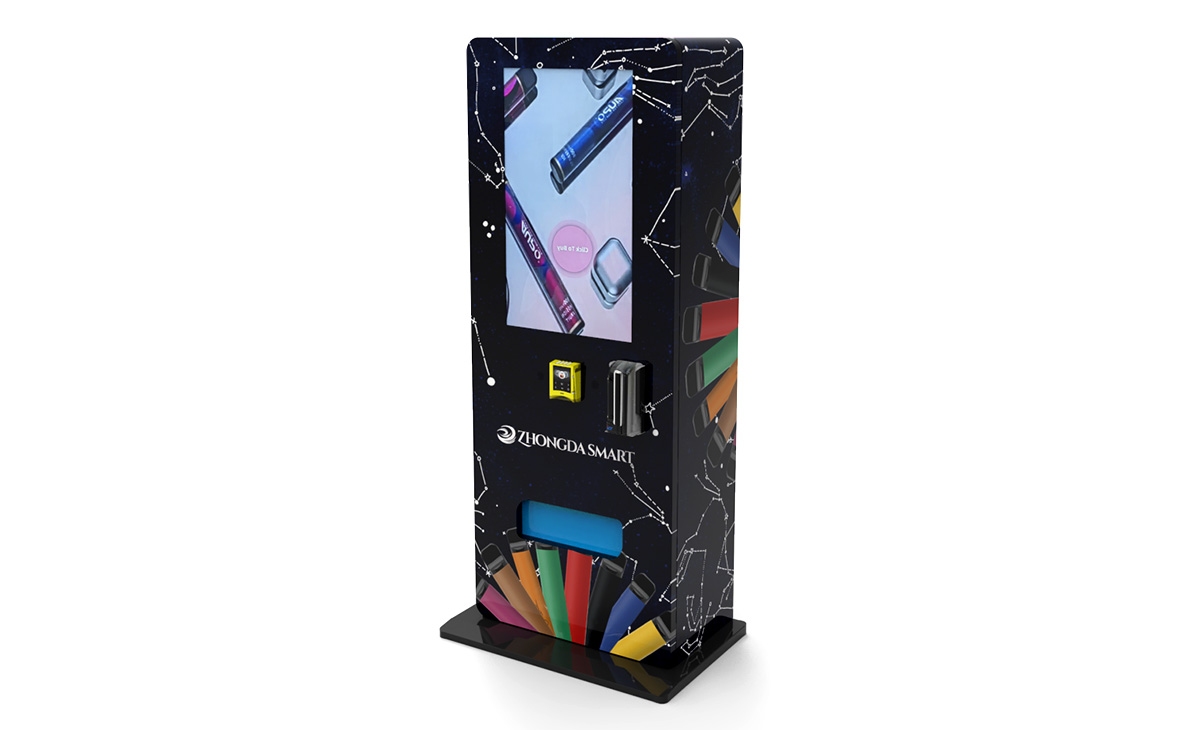
Machine Size and Configuration
A combo machine that is too small will frustrate customers when popular items sell out. A machine that is too large will waste energy and space. Measure your location carefully. Standard combo machines are about 72 inches tall, 39 inches wide, and 33 inches deep. If your location has low ceilings or narrow doorways, you may need a compact model. I once lost a prime office location because the machine I ordered was two inches too wide for the elevator. Measure twice, order once.
Refrigeration System
Not all combo machines cool drinks equally. Some use a single evaporator for both snack and drink sections, which can cause temperature fluctuations. Better machines have separate cooling zones. If you plan to place the machine outdoors or in an unheated warehouse, look for a unit with a compressor rated for ambient temperatures between 0°C and 40°C. A machine that fails in summer heat will cost you both sales and perishable product.
Vending Machine Repair and Maintenance
Every machine will break eventually. The question is how quickly you can get it fixed. Before buying, research the availability of spare parts and local technicians for the brand you choose. Some brands have excellent distribution networks in Europe and North America; others do not. I have owned machines from a low-cost Chinese brand that took six weeks to ship a replacement control board. That machine sat idle for a month and a half, losing money the entire time. Stick with brands that have a local service network or at least a fast parts supply chain.
Where Should You Place Your Machine?
Location selection is the single highest-leverage decision you will make. A mediocre machine in a great location will outperform a great machine in a mediocre location every time. I use a simple scoring system for potential locations:
- Foot traffic: at least 100 people per day passing within 10 feet of the machine.
- Dwell time: people spend at least 30 seconds in the area (waiting for a bus, standing in a lobby, taking a break).
- Accessibility: the machine is visible and reachable 24/7 or during all operating hours of the facility.
- Competition: no other vending machines within 50 meters serving the same product categories.
- Power and internet: a nearby electrical outlet and stable WiFi or cellular signal for telemetry.
I have placed machines in auto repair shops, small gyms, apartment building lobbies, and even a laundromat. The laundromat performed poorly because customers were only there for 45 minutes and did not want to carry snacks while doing laundry. The auto repair shop, on the other hand, was a goldmine. Mechanics and customers alike bought drinks and snacks while waiting for repairs. That single machine averaged €900 per month for three years.
Avoid locations with high turnover of the decision-maker. If the facility manager changes every six months, your contract may be canceled or renegotiated. Long-term relationships with location owners are worth far more than short-term high-commission deals.
Cost Breakdown and Return on Investment
Here is a realistic cost and revenue table based on my experience operating a snack drink vending machine combo in a mid-sized office location in Germany:
| Item | Estimated Cost (EUR) |
|---|---|
| New combo machine (mid-range) | €5,000 |
| Shipping and installation | €600 |
| Initial product stock | €500 |
| Payment system setup | €200 |
| Total initial investment | €6,300 |
| Monthly revenue (average) | €750 |
| Product cost (60%) | €450 |
| Location commission (10%) | €75 |
| Restocking labor (2 hours/week) | €120 |
| Electricity and telemetry | €40 |
| Monthly net profit | €65 |
| Estimated payback period | 24–30 months |
This table assumes conservative numbers. In a better location with higher foot traffic and lower commission, payback can drop to 14 months. In a poor location, you may never recoup your investment. That is why I recommend starting with one machine in a location you know well, tracking performance for six months, and only then expanding.
Common Beginner Mistakes and How to Avoid Them
Buying the Cheapest Machine
I have seen beginners buy a €2,000 machine from an unknown online seller, only to discover that the coin mechanism fails every three months and the compressor cannot handle a 30°C day. Cheap machines are cheap for a reason. They use lower-grade components, have poor insulation, and often lack certifications required by European or North American safety standards. A machine that is not CE marked in Europe or UL listed in the US can also create liability issues if it causes a fire or electrical injury.
Ignoring Telemetry
Without remote monitoring, you are flying blind. You will not know when a product is out of stock, when the temperature rises, or when the cash box is full. Telemetry systems cost an extra €200 to €500 but can save you thousands in lost sales and spoiled product. I once had a machine that lost cooling on a Friday afternoon. Without telemetry, I would not have discovered it until Monday. That weekend cost me €200 in spoiled drinks. Telemetry paid for itself in that single incident.
Overestimating Revenue
New operators often assume that a machine will generate €1,500 per month. In reality, most single-location machines in small to medium businesses generate €400 to €800. If you plan your finances based on optimistic numbers, you will be disappointed. Base your projections on the lower end of the range, and if the machine performs better, treat it as a bonus.
Neglecting Cash Management
Even with cashless payments, some customers will still use coins. If you do not collect cash regularly, machines can accumulate hundreds of euros, creating a theft risk. I recommend collecting cash every two weeks and reconciling it against the telemetry sales data. Discrepancies can indicate a mechanical issue or, in rare cases, internal theft.
How to Evaluate a Machine Before Investment
Before you buy any snack drink vending machine combo, ask the supplier these questions:
- What certifications does the machine have (CE, UL, ETL, FCC)?
- What is the warranty period, and does it cover parts and labor?
- Where are spare parts stocked, and what is the typical lead time?
- Does the machine support remote price changes and inventory tracking?
- What payment systems are pre-installed, and which are optional?
- Can the machine be serviced by a local technician, or must it be returned to the manufacturer?
If the supplier hesitates on any of these questions, move on. A reputable manufacturer like Zhongda Smart will provide clear answers and documentation. I have worked with them on several projects, and their customer support team responds within 24 hours. That level of responsiveness matters when a machine is down and losing money.
Self-Service Kiosk vs. Traditional Vending Machine
Some beginners confuse a snack drink vending machine combo with a self-service kiosk. A self-service kiosk typically refers to a touchscreen-based system that may sell fresh food, coffee, or custom items. These kiosks are more expensive (€8,000 to €15,000) and require more maintenance. For a beginner, a traditional combo machine is the safer bet. It is simpler, cheaper to repair, and easier to restock. Once you have a few machines running smoothly, you can experiment with a self-service kiosk in a high-end location like a corporate headquarters or a university library.
Frequently Asked Questions
Are snack drink vending machine combos profitable?
Yes, but the profit margin is modest. A well-placed machine can generate €100 to €400 per month in net profit. The key is to operate multiple machines to spread fixed costs and increase total income.
How much does a snack drink vending machine combo cost?
A new mid-range machine costs between €3,500 and €8,000. Used machines can be found for €1,200 to €3,000, but may require repairs. Total startup cost including stock and installation is typically €5,000 to €8,000.
How long does it take to break even?
Based on my experience, break-even usually occurs between 18 and 30 months. Faster break-even is possible in high-traffic locations with low product cost and no commission.
Should I buy or lease a vending machine?
Buying is better for long-term operators. Leasing often includes restrictive terms and higher total cost over two years. If you are unsure, start with one purchased machine and test the market before scaling.
Where should I place my first machine?
Look for locations with at least 100 daily passersby, consistent foot traffic, and a decision-maker who is open to a revenue-sharing agreement. Small offices, warehouses, and auto repair shops are good starting points.
Do I need a business license or permit?
Yes, in most European and North American jurisdictions, you need a business license and possibly a food vending permit. Check with your local municipality. Some locations also require health department inspections for machines selling food items.
How do I choose a vending machine supplier?
Look for a supplier with a proven track record, clear warranty terms, and local parts availability. Zhongda Smart is a reliable option for combo machines, especially if you are sourcing for the European or North American market.
What happens if my machine breaks down?
If you have a local repair technician, call them immediately. If not, contact the supplier for troubleshooting support. Telemetry can help diagnose issues remotely. Keep a list of common spare parts (control board, coin mechanism, compressor) in stock to reduce downtime.
How can I reduce restocking and maintenance costs?
Use telemetry to track inventory and sales patterns. Restock only when necessary, not on a fixed schedule. Buy products in bulk from a wholesale distributor. Clean the machine regularly to prevent mechanical jams. Invest in a machine with a proven reputation for reliability.
Final Thoughts from a Decade in the Business
Choosing the right snack drink vending machine combo is not complicated, but it requires patience and honest self-assessment of your skills and budget. The machine itself is just a tool. What makes the business work is your ability to pick good locations, maintain relationships with property managers, and stay disciplined about restocking and maintenance. I have seen too many beginners buy a machine, place it in a mediocre spot, and then wonder why it is not generating passive income. It rarely works that way. But if you treat it like a real business, with real costs and real operational requirements, a vending machine route can become a reliable source of income that grows over time.
Start small, learn the mechanics of your machine, track every euro, and reinvest your profits into better equipment and better locations. That is the only strategy I have seen work consistently across different markets and different countries.
This article was updated in April 2025. All figures are based on the author's operational experience unless otherwise cited. Individual results may vary. Always consult local regulations and conduct your own due diligence before investing.