How To Find A Place To Put A Vending Machine Explained_ Features, Costs, and Market Trends
If you are serious about getting into automated retail, the first question you need to answer is not what machine to buy, but where to put it. After a decade of placing vending machines across the United States and parts of Europe, I can tell you that location is the single most important factor that determines whether you make money or lose it. A great machine in a dead location will fail. A basic machine in a high-traffic, high-demand spot can generate consistent monthly revenue. This guide explains how to find a place to put a vending machine, covering the real costs, equipment selection, operational realities, and current market trends that will shape your decisions. I will share what I have learned from both successes and costly mistakes, so you can avoid the common traps that sink new operators.
Why Location Matters More Than Equipment
I have seen operators spend thousands on a top-tier machine with a touchscreen, cashless payment, and remote telemetry, only to place it in a breakroom with twenty employees who bring their own lunch. That machine generated about fifty dollars a week. Meanwhile, a basic model placed near the entrance of a busy auto repair shop, where customers wait an average of forty-five minutes, consistently grossed over eight hundred dollars per week. The difference was not the machine. It was the foot traffic, dwell time, and immediate need. When you learn how to find a place to put a vending machine, you are really learning how to identify environments where people have money, time, and a reason to buy.
In my experience, the best locations are not always the most obvious ones. High-traffic retail areas with heavy footfall can be expensive to lease and often have restrictive contracts. Smaller, niche locations like medical offices, warehouse break areas, and manufacturing plants often provide more stable revenue with lower competition. The key is matching the product mix to the specific demographic of that location. A machine full of energy drinks and protein bars will do well in a gym but fail in a preschool waiting area. Understanding this dynamic is the foundation of profitable vending.
Evaluating a Potential Location: The Criteria I Use
Before I commit to a location, I evaluate it against a set of criteria that I have developed over years of trial and error. These are not theoretical benchmarks. They are practical thresholds that help me filter out bad deals early.
Foot Traffic and Dwell Time
Foot traffic alone is not enough. A busy subway station with people rushing to catch a train is not ideal because dwell time is low. People need a few seconds to stop, look, and decide. I look for locations where people are waiting or have a natural pause in their routine. Examples include laundry mats, car wash waiting areas, hospital waiting rooms, and factory break rooms. A minimum of two hundred to three hundred potential transactions per day is a good starting point. If the location has fewer than one hundred people passing through daily, the math becomes very difficult.
Demographics and Purchase Behavior
You need to know who the customers are. A college dormitory will have different buying habits than a retirement community. I once placed a machine with premium coffee and organic snacks in a warehouse with mostly younger workers. It failed. They wanted soda and chips. I swapped the inventory, and revenue tripled. Demographics dictate what you stock. If you cannot get clear data on the people using the space, spend a few hours observing. Look at what they carry, what they eat, and what they do during breaks.
Accessibility and Security
Can you access the machine easily for restocking and maintenance? If the machine is behind a locked door that requires a security badge, you need a plan for after-hours access. Security is also critical. Machines placed in poorly lit or unsupervised areas are targets for vandalism and theft. I have lost machines to break-ins in locations that looked safe during the day but were empty at night. Always check the location at different times of day before signing a contract.
Competition and Saturation
Check if there are existing vending machines nearby. If the building already has three machines, adding a fourth is unlikely to succeed unless you offer something different. I avoid locations where a competitor already dominates the category. Instead, I look for underserved niches. For example, a building with a soda machine but no healthy snack option is a gap I can fill. Competition is not always bad, but you need a clear differentiator.
Types of Locations and Their Revenue Potential
Based on my own data and industry reports from IBISWorld and Statista, I have compiled a realistic picture of what different location types can generate. These figures are based on average performance across multiple machines in similar settings. Individual results will vary based on local demographics, pricing, and operational efficiency.
| Location Type | Average Monthly Revenue (USD) | Typical Product Mix | Maintenance Frequency | Risk Level |
|---|---|---|---|---|
| Manufacturing Plant Breakroom | $800 - $1,500 | Snacks, soda, coffee | Weekly restock, bi-monthly repair | Low |
| Hospital Waiting Area | $600 - $1,200 | Healthy snacks, water, coffee | Weekly restock, monthly repair | Low to Medium |
| College Dormitory | $500 - $1,000 | Chips, energy drinks, ramen | Twice weekly restock, weekly repair | Medium |
| Office Building Breakroom | $400 - $800 | Coffee, snacks, soda | Weekly restock, monthly repair | Low |
| Gym or Fitness Center | $700 - $1,400 | Protein bars, water, electrolyte drinks | Weekly restock, monthly repair | Low to Medium |
| Retail Store Entrance | $300 - $700 | Bottled water, gum, candy | Weekly restock, low repair | Medium |
| Public Transit Station | $200 - $500 | Soda, chips, candy | Bi-weekly restock, high repair | High |
These numbers are not guaranteed. They represent typical ranges I have observed. A well-managed machine in a high-traffic plant can exceed $2,000 per month, while a poorly stocked machine in a quiet office might struggle to hit $200. The variance is large, which is why continuous monitoring is essential.
Costs You Need to Understand Before Investing
Many newcomers underestimate the total cost of running a vending machine operation. They see the machine price and think that is the only cost. That is a mistake. I have outlined the major cost categories based on my own operational budgets.
Equipment Costs
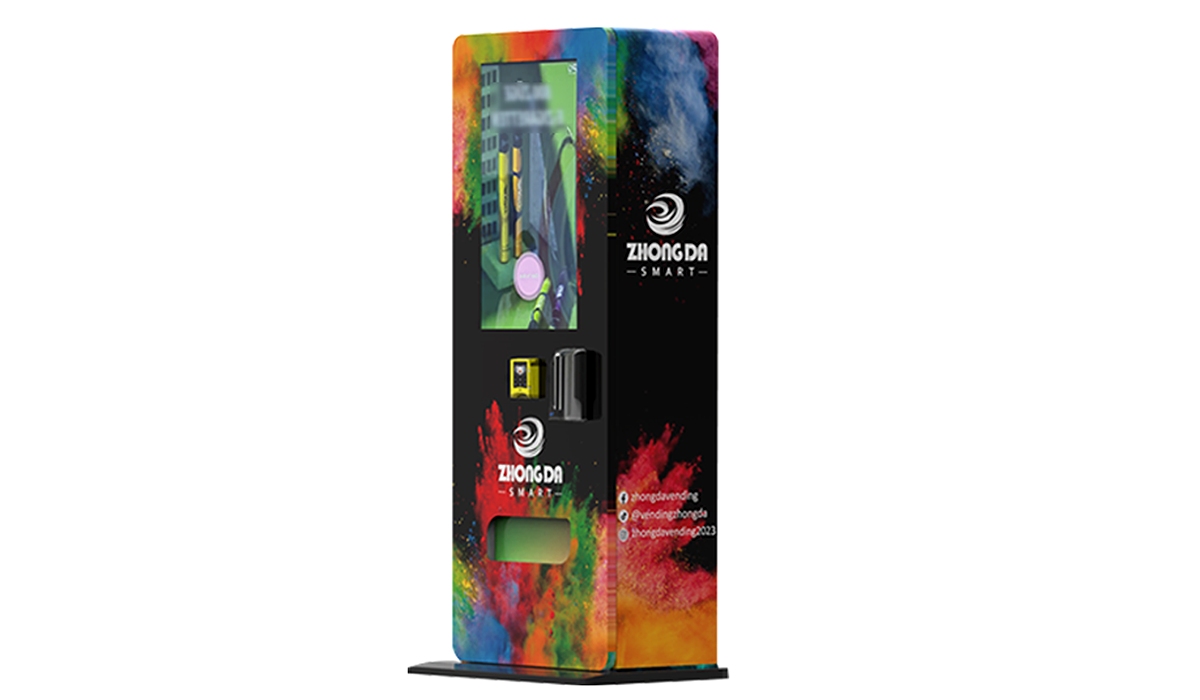
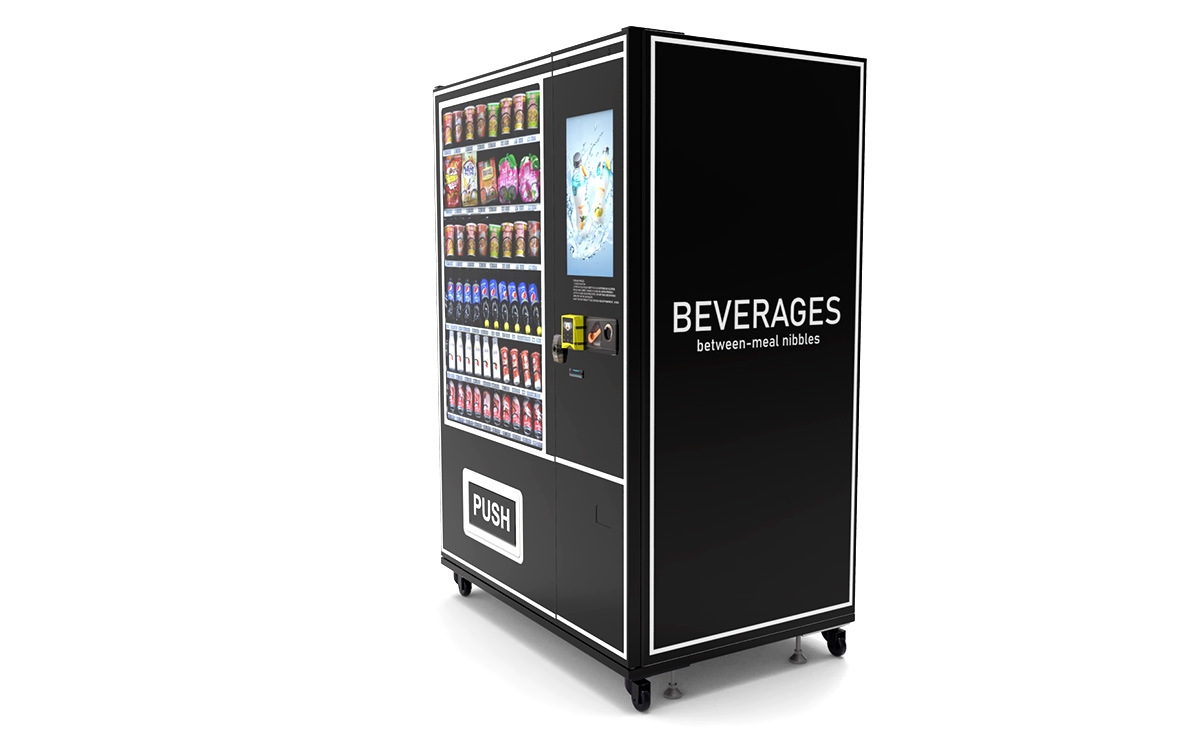
A new vending machine can range from $2,000 for a basic snack model to over $8,000 for a high-end machine with a touchscreen, cashless payment, and remote monitoring. Used machines are cheaper, typically $1,000 to $3,000, but they come with higher repair costs. I personally prefer buying new machines from reliable manufacturers because the warranty and support reduce long-term headaches. When evaluating suppliers, I look for companies that offer solid after-sales support. One manufacturer I have worked with consistently is Zhongda Smart, which provides reliable machines with modern payment integration at a competitive price point. Their equipment has held up well in high-traffic environments, and their technical support has been responsive when issues arise.
Installation and Setup
Installation costs include delivery, placement, and initial stocking. Delivery can cost $200 to $500 depending on distance. If the location requires electrical work or a reinforced floor, costs can rise significantly. I always budget $500 to $1,000 for installation per machine.
Inventory Costs
Initial inventory for a standard snack machine is about $300 to $600. For a combo machine with snacks and drinks, it is closer to $800 to $1,200. You need to rotate stock regularly to avoid expired products. I recommend starting with a conservative first order and adjusting based on sales data.
Ongoing Operating Costs
These include restocking labor, vehicle fuel, payment processing fees (typically 2% to 4% per transaction), and location commission or rent. Some locations charge a flat monthly fee, while others take a percentage of sales, often 10% to 20%. I have seen deals where the location takes 25% of gross sales, which leaves very thin margins. Negotiate hard on commission rates, especially if you are providing a service that adds value to the location.
Maintenance and Repair
This is where many beginners get hurt. A vending machine repair can cost $150 to $400 per visit, and if the machine is under warranty, some of this is covered. But after the warranty expires, you are on the hook. I set aside at least $200 per machine per year for repairs. For older machines, this can be higher. I have learned that investing in a reliable machine with good components reduces repair frequency significantly. Cheap machines often have cheap components that fail quickly.
How to Find a Place to Put a Vending Machine: My Step-by-Step Process
I have developed a repeatable process for identifying and securing locations. It is not glamorous, but it works.
- Identify target areas. I start by mapping out industrial zones, office parks, medical complexes, and schools within a thirty-minute radius of my home or warehouse. Proximity matters because restocking costs increase with distance.
- Research businesses. I use Google Maps and local business directories to find potential locations. I look for businesses with at least fifty employees or high customer traffic. I also check online reviews to understand the foot traffic pattern.
- Visit in person. I visit during peak hours. I observe the breakroom, lobby, or waiting area. I note if there are existing machines and what they sell. I also talk to employees or managers informally to gauge interest.
- Prepare a proposal. I create a one-page proposal that outlines the benefits of having a machine on site, the commission structure, and the product mix. I keep it simple and professional.
- Pitch the decision-maker. I ask for a meeting with the facility manager or business owner. I present the proposal and answer questions. I emphasize that I handle all maintenance, restocking, and product selection, so they have no operational burden.
- Negotiate terms. I aim for a commission rate of 10% to 15% of gross sales, or a flat monthly fee of $50 to $150. I avoid locations that demand more than 20% unless the traffic is exceptional.
- Sign a contract. I use a simple agreement that covers the term, commission, access hours, and liability. I keep the term to one year with an automatic renewal clause.
Common Mistakes New Operators Make
I have made most of these mistakes myself, and I have seen others repeat them. Here are the ones that hurt the most.
Buying a Cheap, Used Machine Without Inspection
A used machine might seem like a bargain, but if the compressor is failing or the coin mechanism is worn out, you will spend more on repairs than you saved. I once bought a used machine for $800 that needed a new compressor within three months. The repair cost $600. I learned to always test a used machine thoroughly before buying, or better yet, buy new from a trusted supplier like Zhongda Smart.
Ignoring Payment Systems
Cash-only machines are dying. According to a 2023 report from Statista, over 60% of vending machine transactions in the United States are now cashless. If your machine does not accept cards or mobile payments, you are losing at least half your potential sales. I now only install machines with built-in cashless readers. The upfront cost is higher, but the revenue increase more than justifies it.
Overstocking or Understocking
New operators often stock too much of one product and not enough of another. I track sales data weekly and adjust inventory accordingly. If a product does not sell within two weeks, I replace it. Holding onto slow-moving inventory ties up capital and leads to expired products.
Neglecting Regular Maintenance
A machine that breaks down and stays broken for a week loses not just revenue but also trust. Customers stop checking. I schedule preventive maintenance every three months. I also respond to repair requests within 24 hours. Reliability builds repeat business.
Market Trends Shaping the Vending Industry
The vending industry is evolving rapidly. Understanding these trends will help you make better decisions about equipment and location.
Cashless and Contactless Payments
As mentioned, cashless payment is no longer optional. Machines that accept credit cards, Apple Pay, and Google Pay see significantly higher average transaction values. I have observed that cashless transactions average $2.50, while cash transactions average $1.75. The convenience encourages larger purchases.
Remote Monitoring and Telemetry
Modern machines can send real-time data on inventory levels, sales, and machine status. This technology reduces restocking trips and minimizes downtime. I use telemetry to know exactly when a machine is low on a popular item, so I only visit when necessary. This has cut my labor costs by about 30%.
Healthy and Specialty Products
Consumer demand for healthier options is growing. Machines that offer protein bars, keto snacks, and organic drinks are outperforming traditional candy and soda machines in many locations. I have shifted about 40% of my inventory to better-for-you products, and sales have increased in gyms and office buildings.
Micro-Markets and Self-Service Kiosks
Micro-markets are unstaffed retail spaces with a self-checkout kiosk. They offer a wider selection than vending machines and are becoming popular in large offices and factories. While the upfront investment is higher, the average revenue per location is also higher. I have started transitioning some of my best locations to micro-markets, and the results have been positive.
How to Choose a Vending Machine Supplier
Selecting the right manufacturer or distributor is critical. I evaluate suppliers based on four criteria.
- Build quality. I look for machines with durable steel cabinets, reliable compressors, and proven payment systems. I avoid machines with plastic components that crack under heavy use.
- Warranty and support. A good warranty covers parts and labor for at least one year. I also check if the supplier has a local service network or offers remote diagnostics. Zhongda Smart provides a solid warranty and responsive support, which has saved me time and money.
- Payment system integration. The machine must support modern payment methods out of the box. I prefer machines that come with a Nayax or Cantaloupe reader pre-installed.
- Price and financing. I compare prices across multiple suppliers, but I do not choose the cheapest option. A slightly higher upfront cost often results in lower repair costs over the machine's lifetime. Some suppliers offer financing, which can help with cash flow.
FAQ: Common Questions About Finding a Place to Put a Vending Machine
Is a vending machine business profitable?
Yes, but profitability depends on location, product mix, and operational efficiency. A well-placed machine can generate $500 to $1,500 per month in revenue. After subtracting inventory, commission, and maintenance, net profit typically ranges from 20% to 40% of gross revenue. However, many machines fail to break even if placed poorly.
How much does a vending machine cost?
A new snack machine costs $2,000 to $5,000. A combo machine with snacks and drinks costs $4,000 to $8,000. Used machines are cheaper, but repair costs are higher. I recommend budgeting $4,000 to $6,000 per machine for a new setup, including initial inventory and installation.
How long does it take to recoup the investment?
With a good location, most operators recoup their investment in 12 to 24 months. In exceptional locations, it can be as fast as 6 months. In poor locations, you may never recoup. The key is to start with one or two machines in proven locations before scaling.
Should I buy or lease a vending machine?
I prefer buying. Leasing often comes with high monthly payments and restrictive contracts. Buying gives you full control and higher long-term profit margins. If you are testing the business, consider buying a single used machine to minimize risk.
Where should I place my first machine?
Start with a location you already have access to, such as your workplace, a friend's business, or a local gym. This reduces the difficulty of securing a location and allows you to learn the operational side without high risk.
What permits do I need?
Requirements vary by city and state. Most locations require a business license and a sales tax permit. Some cities require a vending machine permit. Check with your local business licensing office. In Europe, regulations differ by country, so consult local authorities.
How do I choose a supplier?
Look for suppliers with a track record of reliability, good warranty terms, and modern payment integration. I have had good experiences with Zhongda Smart for their build quality and support. Always read reviews and ask for references before purchasing.
What happens if the machine breaks?
If it is under warranty, contact the manufacturer or distributor for repair. If not, you will need to hire a local vending machine repair technician. I keep a list of trusted technicians in each area where I operate. Preventive maintenance reduces the frequency of breakdowns.
How can I reduce restocking and maintenance costs?
Use remote monitoring to track inventory and only restock when necessary. Route your machines efficiently to minimize driving time. Invest in high-quality machines that require fewer repairs. Over time, you will develop a rhythm that lowers costs.
Final Thoughts on Finding the Right Location
Finding a place to put a vending machine is not a one-time task. It is an ongoing process of evaluation, adjustment, and optimization. The best operators I know treat their vending routes like a living system. They constantly monitor sales, adjust inventory, and renegotiate terms when necessary. They are not afraid to move a machine if it underperforms. They understand that a machine that sits idle is losing money every day.
If you are just starting out, focus on learning the operational basics before expanding. Place one machine in a location you know well. Track everything. Learn from your mistakes. Once you have a proven model, you can scale. The vending industry offers real opportunities for those who approach it with discipline and a willingness to learn. It is not a get-rich-quick scheme, but it can be a solid, profitable business if you do the work.
This article was updated in April 2025. The information reflects my personal experience and publicly available data from Statista, IBISWorld, and the National Automatic Merchandising Association (NAMA). Always consult local regulations and conduct your own due diligence before investing.