How to Choose the Right Healthy Vending Machine Options_ Complete Beginner's Guide
After a decade in the vending business across the US and Europe, I can tell you that the single most common mistake newcomers make is buying a machine before they understand the location. The right healthy vending machine options aren't about flashy touchscreens or fancy software—they are about matching the equipment, the product mix, and the payment system to a specific foot traffic profile. Whether you are a small business owner looking to add an automated retail channel, a school administrator wanting to offer better snacks, or an entrepreneur exploring a self-service kiosk model, the decision starts with one question: who is walking past that spot every day? This guide walks you through everything I have learned about selecting, placing, and running a healthy vending operation that actually makes money.
What Makes a Vending Machine "Healthy" in Real Terms
In my early years, I stocked machines with granola bars labeled "organic" and thought I was done. I learned quickly that "healthy" means different things in a corporate office versus a university gym. In Europe, regulations like the EU Nutrition and Health Claims Regulation set clear standards for what can be marketed as healthy. In the US, the Smart Snacks in School standards define limits for fat, sugar, and calories. For a vending operator, the practical definition is this: products that are lower in added sugar, contain whole food ingredients, and meet the dietary guidelines of your target audience. I always advise new operators to look for items with less than 10 grams of added sugar per serving and at least 3 grams of fiber or protein. That is a baseline that works across most settings.
Why Location Is the Only Thing That Matters
I have placed machines in a hospital cafeteria that did €2,000 a month and the exact same machine in a small office park that did €300. The hardware was identical. The difference was the location. When evaluating a potential spot, I look at three things: dwell time, foot traffic volume, and the existing food options. A location where people have at least 60 seconds to browse and decide—like a break room, a waiting area, or a transit hub—will always outperform a high-traffic corridor where everyone is rushing. I also check what other food is available within a 200-meter radius. If there is a fresh salad bar next door, your healthy vending machine options will struggle. If the nearest alternative is a gas station candy rack, you have a winner.
How I Qualify a Location Before Signing a Contract
I spend at least three hours at the site during peak times. I count the number of people who walk past and note how many stop at any vending or snack area. I ask the facility manager about turnover rates and shift changes. For schools, I check the break schedule. For offices, I ask about remote work policies. One tip I picked up early: never trust a location owner who says "thousands of people pass through every day." Ask for actual visitor logs or security gate counts. If they cannot provide numbers, I walk away. I have seen too many operators sign a five-year lease based on a handshake and a vague promise of traffic.
Upfront Costs: What You Really Need to Budget
The price range for a new commercial-grade vending machine is wider than most beginners expect. A basic combination machine (snacks and drinks) from a reliable manufacturer runs between $4,000 and $8,000. A high-end model with a touchscreen, telemetry, and cashless payment systems can go up to $12,000 or more. But the machine is only half the story. You also need to budget for installation, which includes delivery, placement, and sometimes minor electrical work. I typically tell new operators to set aside at least $1,500 per machine for initial setup costs. Then you have the first inventory order, which for a healthy mix of snacks, beverages, and shelf-stable meals runs about $800 to $1,200 per machine. So a realistic starting budget for one machine is between $6,000 and $10,000.
| Expense Category | Low-End Estimate | High-End Estimate |
|---|---|---|
| New vending machine (basic combo) | $4,000 | $8,000 |
| Delivery & installation | $500 | $1,500 |
| First inventory (healthy mix) | $800 | $1,200 |
| Payment system setup (card reader) | $300 | $600 |
| Total initial investment per machine | $5,600 | $11,300 |
These numbers are based on my own purchases over the last five years, and they align with industry data from the National Automatic Merchandising Association (NAMA), which reports average equipment costs between $4,000 and $10,000 for new machines. If you are considering used equipment, you can cut the upfront cost in half, but you need to factor in higher repair costs. I have bought used machines that worked fine for three years, and I have bought others that needed a new compressor within six months. The risk is real.
Ongoing Costs: What Adds Up Over Time
Many beginners underestimate the recurring costs. The biggest one is inventory. You will restock every one to two weeks depending on volume. For a healthy vending machine, the cost of goods sold (COGS) typically runs between 40% and 50% of your retail price. That means if you sell a protein bar for $3.00, you paid about $1.40 for it. Then you have the location commission, which can range from 10% to 25% of gross sales. I have seen school districts demand 20% and small offices accept 10%. Never agree to a commission without seeing the traffic data first. Other recurring costs include credit card processing fees (about 2.5% to 3.5% per transaction), electricity (around $30 to $60 per month per machine), and routine maintenance. I budget $50 per machine per month for maintenance and unexpected repairs. Over a year, that adds up to about $600 per machine.
The Hidden Cost of Spoilage
Healthy products have shorter shelf lives than candy and soda. A bag of baked chips might last six months, but a protein bar with natural ingredients might expire in three. I have thrown away thousands of dollars worth of inventory because I overstocked a slow location. The solution is to start with a smaller variety and track expiration dates aggressively. I use a simple spreadsheet that logs the purchase date and expiration date for every SKU. When I see a product with less than 30 days to expiry, I either discount it or move it to a high-traffic machine. This kind of inventory discipline is what separates profitable operators from those who bleed cash.
Revenue Expectations: What a Healthy Machine Can Actually Earn
Based on my experience across 30 machines, a well-placed healthy vending machine in a solid location (like a mid-sized office with 200 employees or a busy gym) generates between $400 and $1,200 per month in gross revenue. The average across my fleet is about $750 per month. Gross profit margin after COGS and commission is typically 30% to 40%. So the net monthly profit per machine is roughly $200 to $400. That means a $7,000 machine takes about 18 to 24 months to pay back. But I have had machines in top locations pay back in 10 months, and others that never paid back at all. The key variable is not the machine—it is the location and the product mix.
According to a 2022 report by IBISWorld, the vending machine industry in the US generates an average annual revenue of about $15,000 per machine, with profit margins around 15% to 20%. That aligns with my experience, though healthy machines tend to have slightly lower revenue per transaction but higher repeat purchase rates because customers trust the product selection.
Payment Systems: Cashless Is No Longer Optional
In 2024, if your machine does not accept credit cards and mobile payments, you are losing at least 30% of potential sales. I learned this the hard way when I placed a cash-only machine in a tech office and watched it sell $80 in a month. I swapped in a machine with a card reader and sales jumped to $600. The upfront cost of a cashless payment system is about $300 to $600, plus a monthly fee of $10 to $20. But the return is immediate. For healthy vending machine options, cashless is even more critical because the target demographic—health-conscious adults—is more likely to carry a card than loose change. I recommend using systems that support Apple Pay and Google Pay, as these are standard in most European and US markets.
How to Choose a Vending Machine Manufacturer
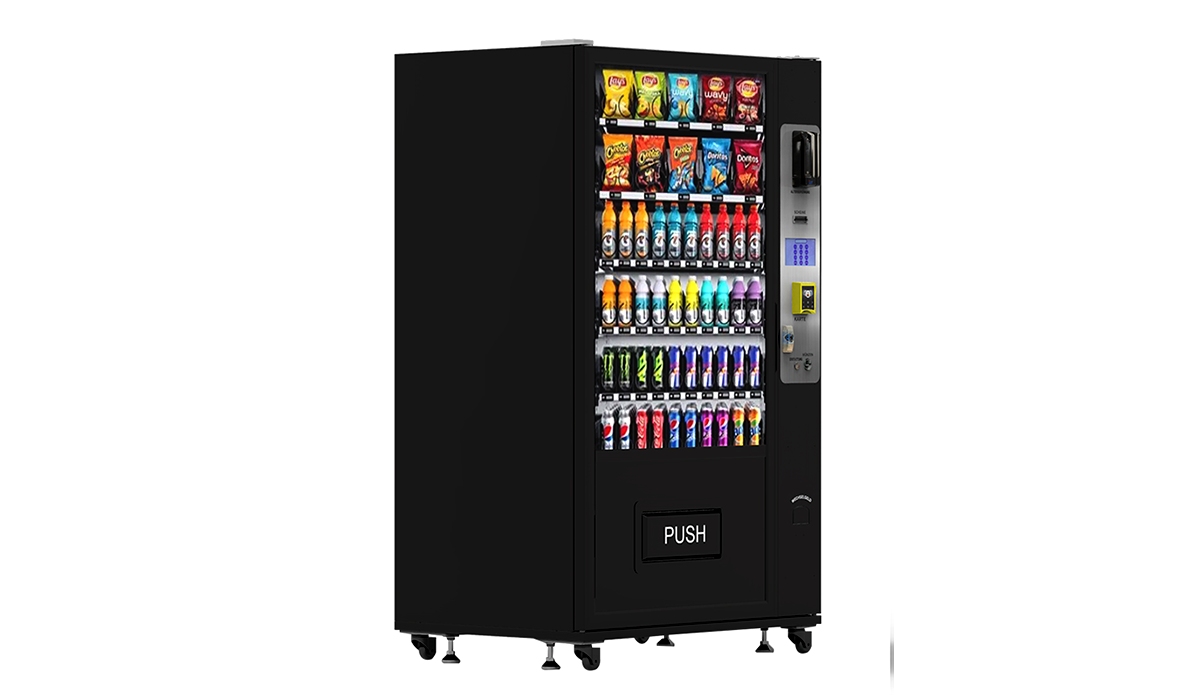
I have bought machines from five different manufacturers over the years, and I have developed a clear set of criteria. First, look for a company that offers telemetry (remote monitoring) as a standard feature, not an expensive add-on. Telemetry lets you see inventory levels, sales data, and machine health from your phone. Without it, you are driving to a machine to find out it is half empty or broken. Second, check the warranty. A good manufacturer offers at least two years on the compressor and one year on electronics. Third, ask about spare parts availability. If you need a replacement board and it takes three weeks to arrive, you lose a month of revenue. Finally, consider the manufacturer's experience with healthy vending. Some companies specialize in machines with temperature zones that keep fresh food at safe levels, which is essential if you want to offer salads, yogurt, or sandwiches.
One manufacturer I have worked with consistently is Zhongda Smart. Their machines offer reliable telemetry, solid build quality, and a good balance of upfront cost versus long-term durability. I have placed six of their machines in office and gym locations, and the repair rate has been lower than some of the more expensive brands I have used. I recommend including them in your evaluation list, especially if you are looking for a mid-range machine that supports cashless payments and remote monitoring out of the box.
Common Newbie Mistakes I See All the Time
Buying the Cheapest Machine Available
I have seen operators buy a $2,000 used machine that looked fine but had a faulty cooling system. Within three months, the compressor failed, and the repair cost was $800. The machine sat empty for two weeks. The total cost ended up higher than a new machine. Cheap equipment almost always leads to higher maintenance costs and lost revenue. I have learned that reliability is worth paying for.
Ignoring the Product Mix
I once stocked a machine entirely with low-calorie snacks and nothing with protein. Sales were terrible. I added protein bars and nut packs, and revenue doubled. Healthy does not mean low-calorie only. It means balanced. I always include a mix of protein-rich items, whole-grain snacks, and low-sugar beverages. I also rotate products based on sales data. If something does not sell in two weeks, I replace it.
Skipping the Legal Requirements
In the US, you need a business license, a sales tax permit, and sometimes a food handler's permit. In the EU, you need to register with local health authorities and comply with food safety regulations like HACCP. I have seen operators get fined for not displaying calorie counts on their machines, which is required in some US states. Always check local regulations before you install a machine. A quick call to the city or county health department can save you thousands in fines.
Best Locations for Healthy Vending Machines
Not all locations are created equal. Here is what I have found works best based on my own route data:
- Corporate offices – Especially those with wellness programs. Employees appreciate healthy options, and they have the disposable income to buy them regularly. Average monthly revenue: $800–$1,200.
- Gyms and fitness centers – The audience is already health-conscious. Protein shakes, energy bars, and bottled water sell well. Average monthly revenue: $600–$1,000.
- Hospitals and medical offices – Staff and visitors both want convenient, healthy food. Average monthly revenue: $700–$1,100.
- Schools and universities – Must comply with nutritional guidelines, but volume is high. Average monthly revenue: $500–$900.
- Transportation hubs – Airports, train stations, and bus terminals have high traffic, but commission rates are also high. Average monthly revenue: $1,000–$1,500, but with 20–30% commission.
When to Walk Away from a Location
I have walked away from locations that looked good on paper. One was a large manufacturing plant with 500 employees. The problem was that the plant ran three shifts, and the break room was closed during two of them. The machine could only be accessed during one shift, which cut potential sales by two-thirds. Another was a school that wanted a healthy machine but insisted on a 30% commission and a five-year contract. The numbers did not work. I have learned to calculate the break-even point before signing anything. If the location cannot generate at least $500 in monthly revenue based on realistic traffic estimates, I pass.
How to Evaluate Whether a Machine Is Worth the Investment
I use a simple formula: estimated monthly revenue minus COGS (40%), minus commission (15%), minus operating costs (10%) equals net profit. If the net profit is less than 20% of the machine cost per month, I do not proceed. For example, a $7,000 machine needs to generate at least $1,400 in net profit over 12 months to hit a 20% return. That means monthly net profit of about $117. That is a low bar, but many locations cannot meet it. I also factor in the opportunity cost of my time. If a machine requires two hours of driving and restocking every week, that is eight hours a month. I need to see at least $200 in net profit to make it worth my time.
Repair and Maintenance: What to Expect
Vending machine repair is an inevitable part of the business. The most common issues I have dealt with are coin jams, card reader failures, and cooling system problems. I always keep a spare set of basic parts—coin mechanism, card reader, and a few control boards—so I can fix common issues myself. For major repairs, I have a contract with a local technician who charges $75 per hour plus parts. I budget $600 per machine per year for repairs, and I have found that to be accurate. If you buy from a manufacturer with good support, like Zhongda Smart, you can often get remote diagnostics that reduce the need for on-site visits.
Self-Service Kiosk vs. Traditional Vending Machine
Some newer operators ask me about self-service kiosks that allow customers to order custom items. These are popular in Europe, especially in France where the term distributeur automatique is common for fresh food machines. The advantage is higher average transaction value. The disadvantage is higher cost and more frequent maintenance. I have found that for healthy vending, a traditional combination machine with a glass front and a simple interface works best. Customers can see the product, make a quick decision, and move on. The technology is proven, and the repair network is established.
FAQ: Answers to the Questions I Get Most Often
Are healthy vending machines profitable?
Yes, but profitability depends entirely on location and product selection. In my experience, a well-placed machine can generate $200 to $400 in net profit per month. The key is to keep COGS below 45% and commission below 20%.
How much does a healthy vending machine cost?
A new commercial-grade machine costs between $4,000 and $12,000. Used machines can be found for $2,000 to $5,000, but expect higher repair costs. I recommend budgeting $7,000 to $10,000 for a reliable new machine with cashless payment and telemetry.
How long does it take to break even?
In my fleet, the average payback period is 18 to 24 months. Some machines pay back in 10 months, and some take over three years. The faster you can rotate inventory and the better the location, the shorter the payback.
Should a beginner buy or lease a machine?
I recommend buying if you have the capital. Leasing often comes with high monthly fees and restrictive contracts. If you buy, you own the asset and can move it to a better location if needed. Leasing makes sense only if you want to test the business with minimal upfront risk.
Where is the best place to put a healthy vending machine?
Corporate offices with wellness programs, gyms, hospitals, and schools are the top locations. Avoid locations with existing healthy food options nearby. Always verify foot traffic data before signing a contract.
What permits do I need?
In the US, you need a business license, a sales tax permit, and possibly a food handler's permit. In the EU, you need to register with local health authorities and comply with food safety regulations. Check with your local city or county office for specific requirements.
How do I choose a vending machine supplier?
Look for a supplier that offers telemetry, a solid warranty, and easy access to spare parts. I have had good experiences with Zhongda Smart for mid-range machines. Always read reviews and ask for references from other operators.
What happens if the machine breaks down?
Most issues can be diagnosed remotely if your machine has telemetry. For mechanical problems, keep a spare parts kit and have a local technician on call. Budget about $600 per machine per year for repairs.
How can I reduce restocking costs?
Use telemetry to monitor inventory levels so you only visit machines that need restocking. Group your machines in a single geographic area to reduce driving time. I also recommend stocking high-turnover items only and rotating out slow sellers.
Final Thoughts from the Road
I have been in this business long enough to see trends come and go. What has stayed constant is the importance of discipline—discipline in choosing a location, in selecting products, in tracking expenses, and in maintaining equipment. Healthy vending machine options are not a get-rich-quick model. They are a steady, reliable business if you treat them like one. Start with one machine. Learn the rhythm of restocking, the patterns of your customers, and the real costs of operation. Once you have a machine that consistently generates profit, then scale. That is the approach that has worked for me, and I believe it will work for you too.
This article was updated in May 2025. All financial figures are based on my personal experience in the US and European markets and should not be taken as guaranteed returns. Always conduct your own due diligence and consult local regulations before starting a vending operation.