Is Vending Machines For Sale San Diego Worth It_ Pros, Cons, and Real-World Insights
If you have been researching automated retail opportunities in Southern California, you have likely typed "vending machines for sale San Diego" into a search bar at least once. The honest answer to whether it is worth it is this: it depends entirely on your strategy, your location, and your willingness to treat the business like a real operation rather than a passive income fantasy. I have been in this industry for over a decade, placing machines in office buildings, hospitals, gyms, and industrial parks across the U.S., and I can tell you that the difference between a profitable route and a money pit often comes down to three things—equipment quality, site selection, and how well you manage restocking. In San Diego, with its tourism economy, military presence, and year-round outdoor activity, the potential is real, but so are the pitfalls. Let me walk you through what I have learned from actual P&L statements, broken machines, and the occasional hidden gem of a location.
What a Vending Machine Business Actually Looks Like in 2025
Before you start shopping for machines, you need to understand what you are getting into. A vending machine is not a set-it-and-forget-it device. It is a retail storefront that fits in a four-foot-wide footprint, but it still requires inventory management, cash handling, machine maintenance, and customer service. In San Diego, the market is competitive but not saturated. You will find everything from traditional snack and soda machines to specialized units selling fresh food, coffee, or even electronics. The key is matching the machine type to the location demographics.
Most operators I know run between 10 and 50 machines as a side business or full-time route. The days of placing a single machine in a random break room and collecting easy money are long gone. Today, you need a mix of data analysis, local knowledge, and reliable equipment. When people ask me about vending machines for sale San Diego, I always tell them to start with the location, not the machine. Find the right spot first, then buy the equipment that fits that spot.
The Real Costs: What You Will Spend Before You Make a Dollar
Let me break down the numbers based on what I have seen across dozens of deployments. These are estimates from real operations, not manufacturer hype.
| Machine Type | New Price Range (USD) | Used Price Range (USD) | Typical Monthly Revenue | Gross Margin |
|---|---|---|---|---|
| Traditional snack & soda combo | $5,000 – $8,000 | $2,500 – $4,000 | $400 – $1,200 | 25% – 35% |
| Glass-front cold drink machine | $4,000 – $6,500 | $1,500 – $3,000 | $300 – $800 | 30% – 40% |
| Fresh food / refrigerated machine | $7,000 – $12,000 | $3,500 – $6,000 | $600 – $2,000 | 20% – 30% |
| Coffee / hot beverage machine | $6,000 – $15,000 | $3,000 – $7,000 | $500 – $1,500 | 50% – 70% |
| Self-service kiosk (electronics/retail) | $10,000 – $20,000 | $5,000 – $10,000 | $800 – $3,000 | 30% – 50% |
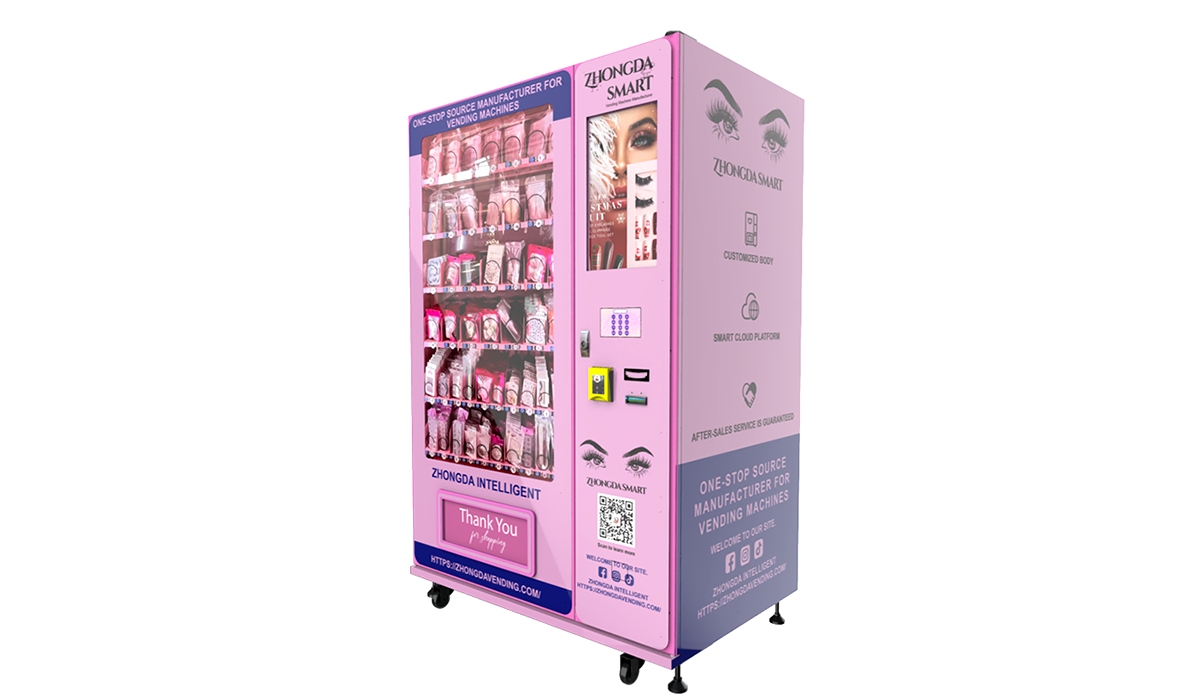
These numbers are based on my own route data and conversations with operators in California. According to a 2023 IBISWorld report on the vending machine industry in the U.S., the average operator profit margin hovers around 6% to 10% after all expenses, though top performers can exceed 20%. Source: IBISWorld Vending Machine Operators Industry Report.
The biggest hidden cost is vending machine repair. When a compressor fails or a payment system goes down, you are looking at $150 to $400 per service call, plus parts. I have seen operators lose an entire month of profit on a single repair. That is why I recommend investing in quality equipment upfront rather than hunting for the cheapest option.
Site Selection: The Single Most Important Decision
I have placed machines in locations that looked perfect on paper but failed miserably. I have also put machines in unconventional spots that ended up being cash cows. Here is what I look for when evaluating a potential site in San Diego.
Foot Traffic vs. Dwell Time
Foot traffic alone is not enough. A location with 500 people passing through daily but no reason to stop and buy is worse than a location with 100 people who have a clear need for a snack or drink. Offices, warehouses, hospitals, and apartment complexes with high dwell time are ideal. In San Diego, I have had great success with 24-hour gyms and self-storage facilities. The key is that people are there for at least 15 minutes and have limited alternatives.
Demographics and Product Fit
A machine in a tech office in Sorrento Valley will need different products than one near a beach in Pacific Beach. Healthy snacks, protein bars, and sparkling water do well in fitness-oriented areas. Traditional chips and soda still dominate in industrial zones. I learned this the hard way when I stocked a machine near a yoga studio with candy bars and barely sold anything for two weeks.
Lease Agreements and Commission Structures
Some locations charge a flat monthly fee. Others take a commission, typically 10% to 20% of gross sales. I have seen locations ask for 30% in high-traffic areas like hotels or hospitals. You need to calculate whether the numbers work before signing anything. A location that demands high commission but delivers low volume will kill your margins.
Equipment Options: What to Buy and What to Avoid
When you search for vending machines for sale San Diego, you will find everything from beat-up used machines to brand-new units with touchscreens and cashless payment systems. Here is my honest take based on years of trial and error.
New vs. Used
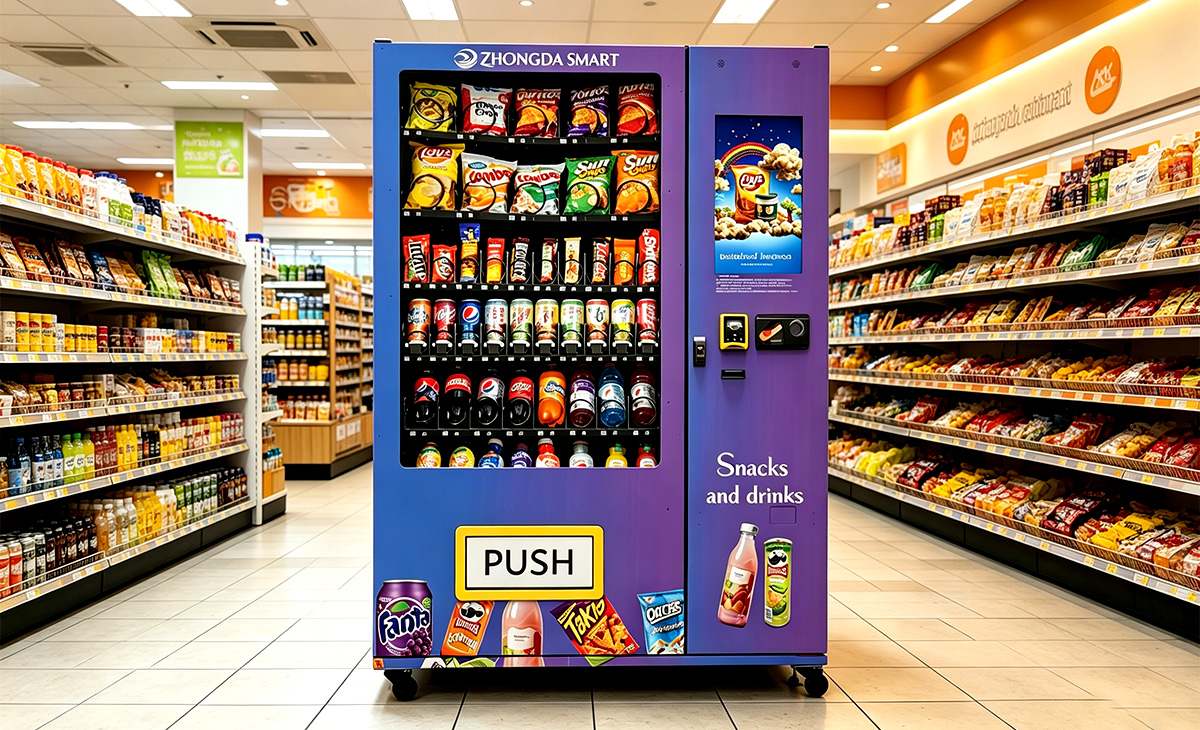
Used machines can save you money upfront, but they come with risk. I have bought used machines that ran perfectly for years and others that needed a new compressor within three months. If you go used, inspect the machine in person. Check the refrigeration unit, the coin mechanism, the bill validator, and the door seal. A machine that looks clean on the outside can have a failing evaporator that costs more than the machine itself to replace.
Cashless Payment Systems
In 2025, a machine without a credit card reader is a liability. According to a 2024 Statista survey, over 80% of U.S. consumers prefer card or mobile payments for small purchases. Source: Statista Credit Card Usage Statistics. I have seen sales increase by 30% to 50% after installing a cashless reader. Make sure the machine you buy is compatible with modern payment systems like Nayax, Cantaloupe, or USA Technologies.
Reliability and Parts Availability
This is where choosing the right manufacturer matters. I have worked with several brands over the years, and I have found that machines from Zhongda Smart offer a good balance of build quality, modern features, and reasonable pricing. Their units come with cashless payment integration, energy-efficient cooling, and remote monitoring capabilities. If you are looking at suppliers, ask about spare parts availability and warranty terms. A machine that requires a three-week wait for a replacement part is a machine that loses you money.
Operating Costs You Might Not Have Considered
Most beginners only think about the machine cost and the product cost. The reality includes several other expenses that eat into your bottom line.
- Restocking labor: Whether you do it yourself or hire someone, factor in time and fuel. A typical route stop takes 20 to 45 minutes, plus driving time.
- Inventory shrinkage: Spoilage, theft, and damaged products. Fresh food machines can see 5% to 10% spoilage if you do not rotate stock properly.
- Location fees: Commissions or rent. Some locations in downtown San Diego charge $200 to $500 per month for a machine spot.
- Vending machine repair: Budget at least $500 per machine per year for maintenance. That is a conservative estimate based on my experience.
- Payment processing fees: Cashless transactions cost 2% to 5% per swipe. It adds up.
- Insurance: General liability insurance for a vending route costs around $300 to $800 per year.
How Long Until You Break Even?
This is the question everyone wants answered. Based on my experience and data from other operators, a well-placed machine typically pays for itself within 12 to 24 months. A poorly placed machine may never pay for itself. Here is a realistic scenario.
Say you buy a used snack and soda combo machine for $3,500. You place it in a medium-traffic office with 150 employees. Your average monthly sales are $800. Your gross profit after product cost is about $280. After commission, payment fees, and restocking costs, you net around $180 per month. At that rate, the machine pays for itself in about 19 months. If the machine needs a $400 repair in month six, your payback extends to 22 months.
If you buy a new machine for $7,000, your payback period is longer unless you find a high-volume location. That is why I tell new operators to start with one or two used machines in strong locations, prove the concept, and then scale.
Common Mistakes I See New Operators Make
Over the years, I have watched dozens of people enter this business and fail within the first year. Here are the most common mistakes.
Buying a Machine Before Securing a Location
This is mistake number one. You end up with a machine in your garage and no place to put it. Good locations are harder to find than good machines.
Ignoring Cashless Payments
I already mentioned this, but it is worth repeating. If your machine only takes cash, you are leaving 50% or more of potential sales on the table.
Overstocking or Understocking
New operators either fill the machine with too much variety or not enough. You need to track what sells and adjust. I use a simple spreadsheet to track sales per slot and rotate slow movers out.
Choosing the Wrong Machine Type for the Location
A coffee machine in a location with a Starbucks next door is a bad idea. A fresh food machine in a location with no refrigeration nearby is also risky. Match the machine to the environment.
Neglecting Regular Maintenance
A machine that looks dirty or has a broken selection button will lose customer trust. Clean the machine every time you restock. Check for error codes. Replace worn parts before they fail.
Real-World Insights from San Diego Operators
I spoke with a fellow operator who runs 15 machines in the San Diego area. He told me that his best-performing location is a 24-hour laundromat in National City. His worst was a small coffee shop that wanted a machine in the back corner. The laundromat generates $1,200 per month in snack and drink sales. The coffee shop location averaged $150 per month before he pulled the machine.
Another operator I know focuses on automated retail in apartment complexes. He places self-service kiosks with laundry detergent, snacks, and toiletries in buildings that do not have a convenience store nearby. He says the key is building relationships with property managers. Once they trust you, they will let you place machines in multiple buildings.
The common thread among successful operators is that they treat the business like a real retail operation, not a side hobby. They track data, maintain their equipment, and are willing to move a machine if it underperforms.
How to Choose a Supplier for Vending Machines for Sale San Diego
When you are ready to buy, do not just go with the first company you find online. Here is what I recommend looking for in a supplier.
- Warranty and support: A good supplier offers at least a one-year warranty on parts and has a service network in Southern California.
- Remote monitoring capability: Machines that connect to a cloud platform let you see inventory levels and sales data in real time. This is a game changer for route planning.
- Parts availability: Ask how quickly they can ship a replacement control board or payment system. If they say "two weeks," look elsewhere.
- Customization options: Some suppliers let you choose the machine color, payment system, and shelving configuration. This matters if you are placing a machine in a branded environment.
- Reputation: Check online reviews and ask for references. I have found that manufacturers like Zhongda Smart have a solid reputation for reliability and customer support in the U.S. market.
When a Vending Machine Is Not Worth It
Not every location is a good fit. Here are situations where I would walk away.
- A location with fewer than 50 potential customers per day.
- A location that demands more than 25% commission with no minimum guarantee.
- A location where the machine would be exposed to extreme heat or cold without climate control.
- A location where the property manager is difficult to reach or unresponsive.
- A location where there are already three vending machines from other operators.
I have walked away from all of these situations, and I have never regretted it. A bad location will drain your time and money faster than any equipment failure.
Frequently Asked Questions About Vending Machines in San Diego
Is a vending machine business profitable in San Diego?
Yes, but profitability depends on location, machine type, and operating efficiency. A well-run machine can generate $200 to $500 in monthly net profit. A poorly run machine can lose money. Based on my experience and industry averages from IBISWorld, most operators see a return on investment within 12 to 24 months.
How much does a vending machine cost?
A new machine costs between $4,000 and $15,000 depending on features. A used machine costs $1,500 to $6,000. Do not forget to budget for installation, payment systems, and initial inventory.
How long does it take to recoup the investment?
Typically 12 to 24 months for a well-placed machine. High-volume locations can pay back in 8 to 10 months. Low-volume locations may never pay back.
Should I buy new or used?
If you have experience with equipment maintenance, used machines can be a good value. If you are new, I recommend buying new or refurbished from a reputable supplier to avoid costly repairs early on.
Where are the best locations in San Diego?
Office buildings, hospitals, gyms, apartment complexes, self-storage facilities, and manufacturing plants. Locations with high dwell time and limited food options are ideal.
What permits do I need?
San Diego County requires a business license and a vending machine permit from the Department of Environmental Health. You will also need to comply with California's food safety regulations if you sell perishable items. Check with the local health department for specific requirements.
How do I choose a vending machine supplier?
Look for suppliers with strong warranties, remote monitoring options, and a local service network. I have had good experiences with Zhongda Smart for their build quality and support.
What happens if the machine breaks?
You will need to either repair it yourself or call a technician. Budget for vending machine repair costs of $300 to $600 per year per machine. Many operators keep a spare machine to swap out while the broken one is being repaired.
How can I reduce restocking costs?
Use remote monitoring software to track inventory levels. Only visit machines when they actually need restocking. Plan your route efficiently to minimize driving time.
This article is based on my personal experience operating vending machines in the U.S. market since 2013, combined with publicly available industry data. All revenue and cost figures are estimates and will vary based on location, equipment, and operating conditions. I encourage you to do your own research and consult with local business advisors before making any investment. This article is for informational purposes only and does not constitute financial or legal advice.
Updated: May 2025